Which Papillon Color Is Rarest
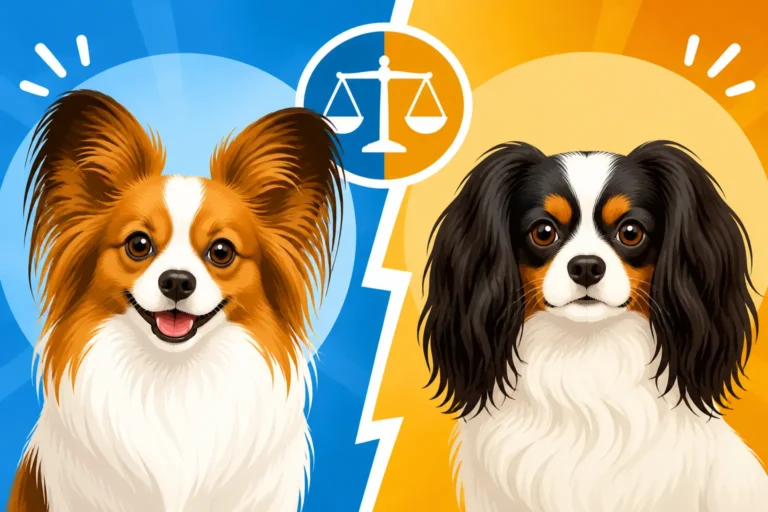
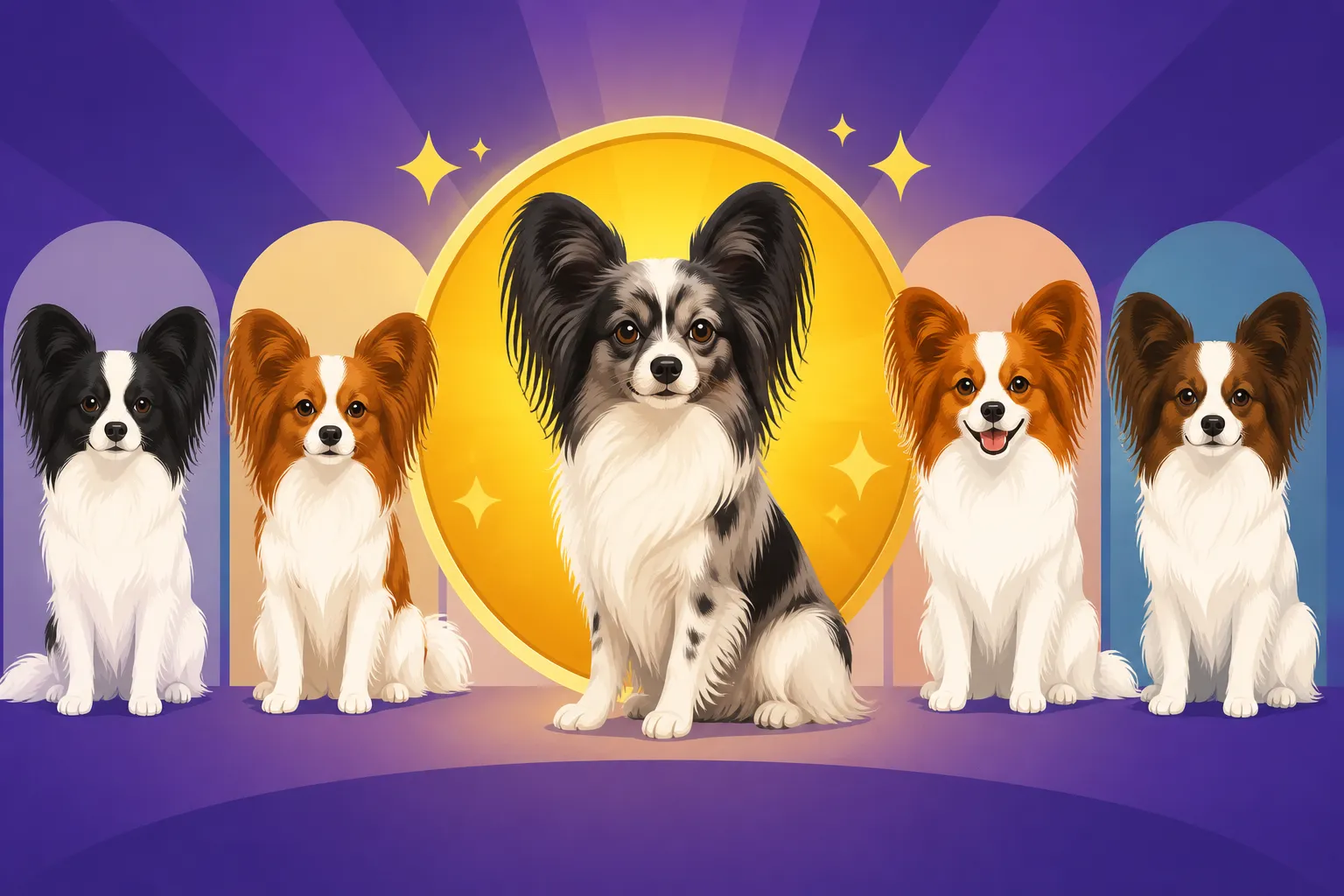
A Papillon’s color can make one puppy stand out in a litter, but “rarest” is not an official breed ranking. Lemon and white is often described as an uncommon Papillon color, while liver or chocolate coloring is also unusual. The answer depends on what counts as a color, which registry standard you’re using, and whether you mean rare but acceptable or simply unusual-looking.
Which Papillon color is considered the rarest
Lemon and white is often called especially uncommon
Among Papillons that fit the familiar parti-color pattern, lemon and white is often described as one of the less commonly seen combinations. The lemon areas can be pale cream, warm yellow, or a soft golden shade, so the color may be subtle—particularly in a young puppy. It can be easy to mistake for a very light red or sable until the coat develops.
There isn’t an official color census that establishes lemon and white as the single rarest Papillon combination. Breeder lines and local populations differ, and color labels are not always used consistently. One breeder may call a pale coat lemon, while another may describe a similar shade as light red or sable. That makes claims about a definitive rarest color difficult to compare.
If you’re looking at a puppy, consider the markings and pigment together rather than relying on a color label alone. A breeder should be able to explain how they describe the puppy’s coloring and whether it has changed as the coat has grown. For a broader overview of the recognized combinations, see Which Colors a Papillon Comes In.
Liver or chocolate coloring is unusual, too
Liver, sometimes called chocolate, is another color people may describe as rare in Papillons. It can be especially striking because the nose and other exposed pigment may be brown rather than black. Color terminology can vary, though, and not every brownish coat is necessarily classified as liver.
It’s also important to separate an uncommon color from an accepted show color. Breed standards set out rules for coat patterns and pigment, and those rules can differ by registry. A dog might be healthy and much-loved as a companion even if its color or markings do not meet a particular show standard. For the standard’s color requirements, read Which Colors the Papillon Standard Accepts.
| Color or description | How it is commonly discussed | What to keep in mind |
|---|---|---|
| Lemon and white | Often described as uncommon | Pale shades can be labeled differently by different breeders |
| Liver or chocolate and white | Unusual, with brown-toned pigment | Confirm how the breeder and relevant registry classify it |
| Sable and white | A familiar Papillon combination | Sable shades can vary and may shift as the coat matures |
| Black and white or tricolor | Commonly recognized combinations | Markings can differ considerably from one dog to another |
| Solid white | Visually unusual | A solid coat is not the same as a rare accepted parti-color pattern |
A rare appearance does not automatically mean a rare breed variety
Papillons are one breed, and the upright-eared Papillon and drop-eared Phalène are two ear types within that breed. Coat color does not make a Papillon a separate variety. Likewise, an unusual shade does not necessarily mean the dog is healthier, more valuable, or better suited to a particular home.
A responsible breeder should be willing to discuss health, temperament, and the care a puppy needs—not just how unusual its coat looks. If color is the main reason a seller is promoting a puppy, take time to ask about the parents, health screening, and the puppy’s early care. What a Papillon Judge Puts a Hand On First offers useful context for how a dog is assessed beyond a quick glance at its coat.
How Papillon colors and markings work
Papillons are typically parti-colored
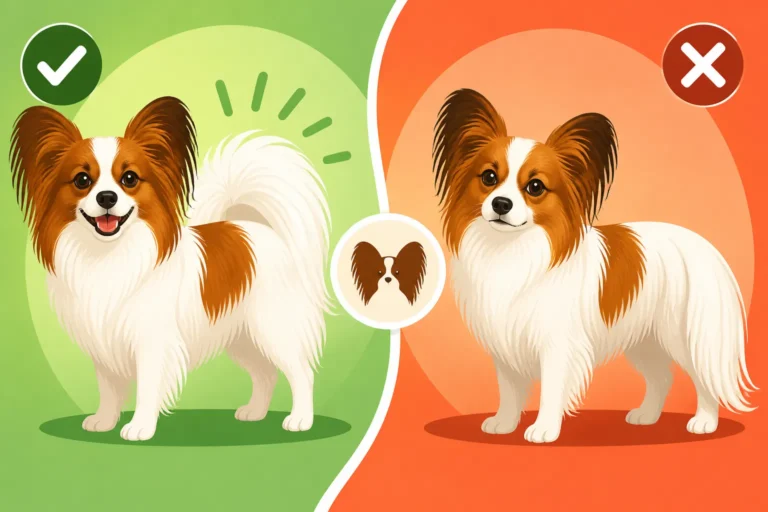
The classic Papillon has a white base coat with patches of another color. The colored areas may be black, red, sable, or another shade recognized by the applicable standard. A white blaze on the face is often a familiar feature, but individual markings vary: one dog may have a broad blaze, another a narrow stripe, and another an asymmetrical face.
That variation is part of why color descriptions can be confusing. “Sable and white,” for example, describes a broad color pattern, but the sable itself may appear light or dark. The placement and size of the patches can also make two dogs with similar underlying colors look quite different.
A coat that looks unusual in a photograph may also be affected by lighting, grooming, or the dog’s age. Before assuming a puppy has an exceptionally rare color, ask how the breeder identifies the color and whether that description is based on the puppy’s current coat or the expected adult appearance. The distinctions are explored further in Whether a Papillon Can Be All One Color.
Markings can change as a puppy grows
Papillon puppies do not always keep exactly the same visual impression as adults. The coat lengthens, the feathering develops, and colored areas may seem more or less prominent as the dog matures. Some shades can also lighten or deepen, making an early color description less definitive than it sounds.
This does not mean every puppy’s underlying color changes dramatically. Often the main difference is that a longer, fuller adult coat makes the markings easier to see—or changes how a particular shade looks in different light. A breeder who has followed the puppy’s development can often explain what has happened in related dogs from the same lines.
If you’re choosing a puppy partly because of its markings, ask for photos taken at different ages when available. It’s reasonable to enjoy a striking coat, but it’s wise not to treat an eight-week-old puppy’s exact shade as a guaranteed adult look. For more on that change, see Whether a Papillon Puppy's Markings Change and Whether a Papillon's Color Fades With Age.
Rare color, show eligibility, and responsible buying
Unusual does not always mean accepted by a show standard
A rare-looking Papillon may or may not meet the requirements of a particular registry. Standards commonly describe acceptable patterns, markings, and pigment, and some distinguish between a color that is unusual and one that is a disqualification. Details matter: the amount and placement of white, the color of the nose, and whether the coat is solid or patched can all affect how a dog is assessed.
This is especially relevant when a seller uses words such as “rare,” “exotic,” or “exclusive.” Those terms are not a substitute for a clear explanation of the puppy’s color, its registration, or any limitations that apply. If showing matters to you, check the relevant registry’s standard and ask the breeder to explain how the puppy’s markings fit it. If showing does not matter, the same conversation can still help you understand what you’re getting.
A solid-white Papillon may look rare simply because it is visually striking, but rare-looking is not the same as a standard-recognized color pattern. Avoid assuming that an unusual appearance makes a puppy especially desirable or appropriate for breeding. The distinction between unusual and disqualifying color is covered in Whether a Papillon Can Be All One Color.
Color should come after health and temperament
A particular coat shade can be charming, but it tells you very little by itself about a puppy’s health or personality. Ask about the parents’ temperaments, how the puppies are raised, and what health information the breeder can provide. You should also have the chance to ask questions without being hurried into a deposit because a seller says the color is exceptionally rare.
A good breeder will be comfortable discussing the puppy’s expected adult size, grooming needs, socialization, and veterinary care. They should be able to explain their color terminology without making exaggerated promises about future coat changes or the puppy’s value. For additional context on choosing a breeder, see What a Papillon Breeder Should Have Tested and Which Questions to Ask a Papillon Breeder.
For a family choosing a companion, the most practical question is usually whether the puppy’s needs and temperament suit the home. Papillons have a long, silky coat with feathering that needs routine attention, whatever its color. A gentle comb and suitable grooming supplies can help keep fringe and feathering from tangling; retailers such as Chewy may carry basic brushes and coat-care items, but choose tools that suit your dog’s coat and ask a groomer or veterinarian if you’re unsure.
Caring for a Papillon’s coat regardless of color
Coat care matters more than keeping a shade vivid
Papillons do not need elaborate color treatments to look lovely. Regular brushing helps prevent tangles, especially behind the ears, in the chest frill, and around the tail plume. Check the skin as you groom, and be gentle around fine feathering so you do not pull or break the coat.
Bathing should be based on the dog’s needs rather than a goal of intensifying the color. Use products intended for dogs, rinse thoroughly, and dry the coat carefully. If you are comparing shampoos or combs through a shop such as Chewy, focus on suitability for a long, silky coat and your dog’s skin—not claims that a product will transform a naturally pale or dark shade.
Color can appear different when the coat is wet, freshly brushed, or photographed in strong sunlight. That’s normal and does not necessarily indicate a problem. If you notice a sudden change in coat condition, patchy hair loss, irritation, or persistent itching, ask your veterinarian rather than trying to correct it with a color-enhancing product.
Be cautious with color-based marketing
A seller may suggest that a rare color deserves a premium, but color alone does not establish the quality of a breeding program. Look at the full picture: health information, the breeder’s transparency, the puppy’s behavior, and the support available after the puppy goes home. Be wary of pressure tactics that rely on scarcity rather than clear answers.
For day-to-day care, an owner may need a fine-toothed comb, a suitable brush, and a gentle dog shampoo. Chewy can be one place to browse those general supplies, just as a local pet shop or groomer may be helpful. The important part is choosing an appropriate tool and introducing grooming gradually, especially if the puppy is still learning to be handled.
Ultimately, lemon and white is often named among the rarest familiar Papillon color combinations, and liver or chocolate coloring can also be uncommon. But there is no universally agreed official ranking. Color names, local breeding lines, and registry rules all affect the answer. When choosing a Papillon, enjoy the markings you love, but give health, temperament, and responsible breeding more weight than a claim that a puppy’s color is one of a kind.
Disclaimer
This article is for general informational purposes only and does not constitute professional advice. Laws, prices and regulations vary by location and change over time. Consult a qualified professional for guidance on your specific situation.