What Von Willebrand Disease Does to a Papillon
It's incredibly frightening to see your beloved Papillon bleeding more than seems normal, whether it’s after a routine nail trim, a small cut, or even worse, following a surgical procedure. The anxiety of not knowing why your tiny companion is struggling to stop bleeding can be overwhelming, leaving you feeling helpless and worried sick. This comprehensive guide is here to shed light on Von Willebrand Disease (vWD) in Papillons, explaining exactly what this genetic bleeding disorder means for your dog, how to spot the signs, and crucially, how to manage it so your furry friend can live a healthy, happy life.
Understanding Von Willebrand Disease in Papillons
When you hear "bleeding disorder," it sounds serious, and in many cases, it certainly can be. But for Papillons, understanding Von Willebrand Disease is the first step toward effective management and peace of mind. This condition isn't a mysterious ailment; it's a well-understood genetic issue that affects the blood's ability to clot properly.
What is Von Willebrand Disease?
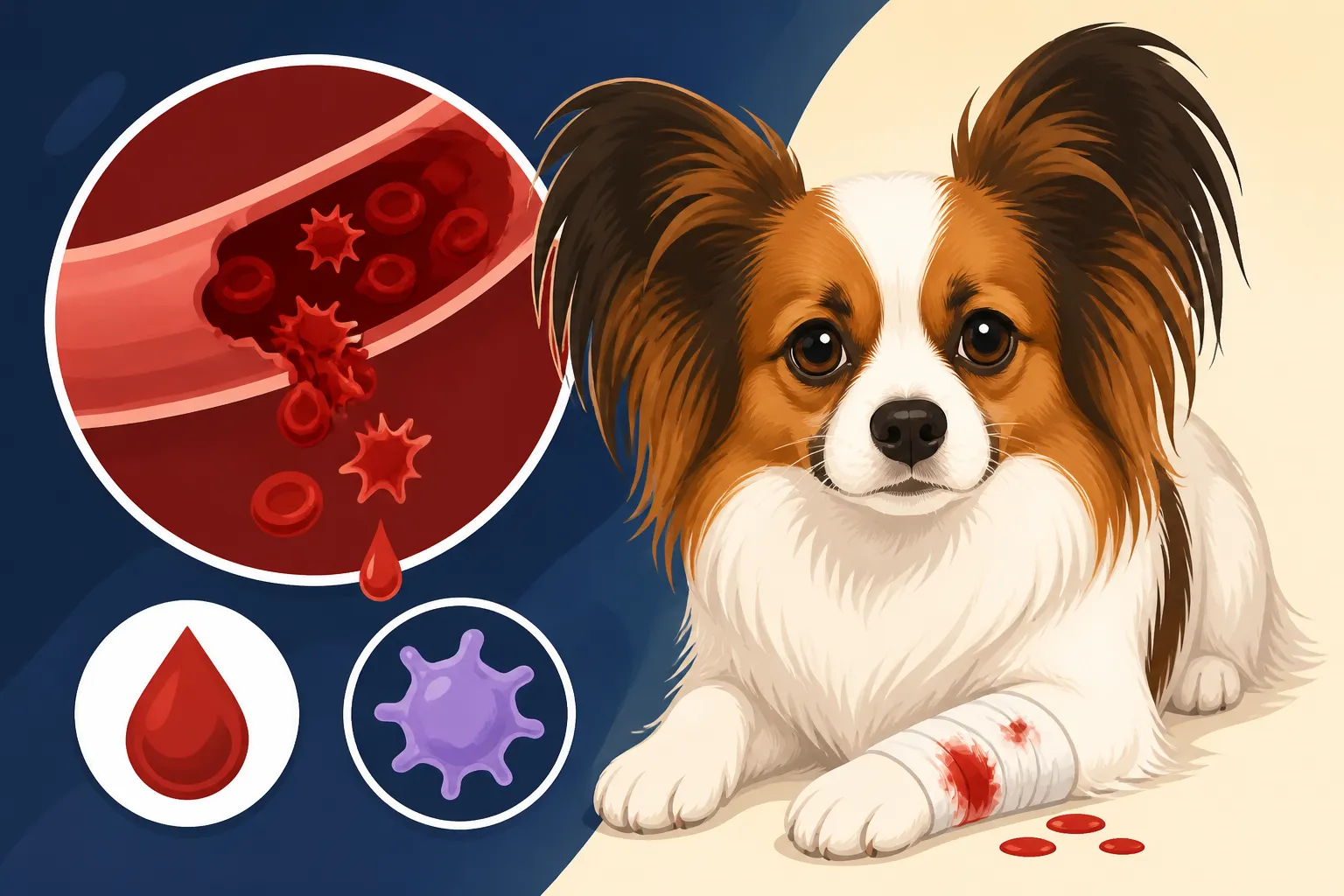
At its heart, Von Willebrand Disease is a hereditary bleeding disorder caused by a deficiency in a specific protein called von Willebrand factor (vWF). Think of vWF as a crucial piece of glue that helps blood clot. When a blood vessel is damaged, vWF acts like a bridge, allowing platelets (tiny blood cells responsible for forming clots) to stick to the injured vessel wall and to each other. Without enough functional vWF, this initial plug-forming process is severely hampered, leading to prolonged or excessive bleeding. It’s not about how quickly blood clots when it’s outside the body, but rather how efficiently the body can stop bleeding internally or from a wound.
This deficiency isn't just a random occurrence; it's passed down through generations. For Papillon owners, this means that even if your dog seems perfectly healthy, they could carry the gene or be affected by the condition. It's a silent threat until an injury or surgery brings it to light, which is why awareness is so vital.
The Specific Type Affecting Papillons
While there are several types of Von Willebrand Disease, Papillons are predominantly affected by Type I vWD. This is generally considered the mildest to moderate form of the disease. In Type I, the affected dog produces von Willebrand factor, but not enough of it, and the vWF that is produced is structurally normal. This means there's some clotting ability, but it's not as robust as it should be. The severity of symptoms often correlates with the level of vWF deficiency – dogs with very low levels will exhibit more pronounced bleeding issues, while those with slightly reduced levels might only show signs under significant stress or trauma, like a major surgery.
Because it's Type I, many Papillons might go their whole lives without a major bleeding crisis if they avoid significant trauma or surgery. This can make diagnosis tricky, as the signs might be easily dismissed or attributed to other causes until a truly life-threatening event occurs. This distinction is important because other types of vWD (Type II and Type III) are typically more severe, involving either abnormal vWF or a complete absence of it, leading to much more severe and spontaneous bleeding.
How vWD Impacts Normal Blood Clotting
To truly grasp the impact of vWD, it helps to understand the delicate dance of normal blood clotting. When a blood vessel is cut or damaged, the body initiates a two-pronged approach to stop the bleeding. First, the blood vessels constrict to reduce blood flow. Then, platelets rush to the site of injury and begin to form a temporary plug. This is where vWF comes in. It helps the platelets stick to the damaged vessel wall (a process called adhesion) and also helps them stick to each other (aggregation), forming a primary clot.
However, in a Papillon with vWD, this critical first step is compromised. Without sufficient vWF, platelets struggle to adhere and aggregate effectively. The "glue" is missing or too weak, so the platelet plug is either delayed or insufficient. While a secondary clotting process, involving a cascade of other clotting factors, might eventually kick in, the initial, rapid response is impaired. This means that even small wounds can bleed for a much longer time, and internal bleeding, while not always visible, can lead to serious complications. For instance, a simple spay/neuter procedure could turn into a nightmare if the veterinary team isn't aware of the underlying vWD. It's a stark reminder of why thorough pre-surgical screening is so incredibly important for our little companions.
Recognising the Subtle Signs of Von Willebrand Disease
Sometimes, the signs of Von Willebrand Disease in a Papillon are so subtle they're easy to miss, especially if you're not specifically looking for them. Other times, they can be terrifyingly obvious. Knowing what to watch for can make all the difference in getting an early diagnosis and managing the condition proactively.
Common Bleeding Manifestations
For many Papillons with vWD, the first indicators are often minor, yet persistent, bleeding episodes. You might notice your dog experiencing frequent or prolonged nosebleeds, even without any obvious trauma. These aren't just a few drops; they can be quite heavy and take a long time to stop. Another common area is the gums. If you regularly brush your Papillon's teeth, you might notice excessive bleeding during brushing, or even spontaneous gum bleeding. Similarly, a routine nail trim, which should only result in a tiny bit of blood if the quick is nicked, might turn into a frustrating battle to stop the bleeding that seems to go on forever.
These kinds of "nuisance" bleeds can be alarming, but because they often stop eventually, owners might not immediately connect them to a systemic issue. It's easy to think, "Oh, I must have cut the quick too deep," or "He just bumped his nose." However, if these incidents are recurring or disproportionate to the injury, it's definitely time to raise a red flag with your veterinarian. Being able to recognize Signs a Papillon Bleeds Too Easily is crucial for their well-being.
Internal Bleeding and Surgical Risks
While external bleeding is alarming, internal bleeding can be even more insidious and dangerous. Papillons with vWD might bruise easily, showing unexplained black-and-blue marks on their skin, especially after rough play or minor bumps. Sometimes, internal bleeding can manifest as lameness if there's bleeding into a joint, or lethargy and weakness if the blood loss is significant. This type of bleeding is much harder to detect and can rapidly become a life-threatening emergency.
The most significant risk, however, comes with any kind of surgery, even seemingly minor ones like dental cleanings or spaying/neutering. Without adequate von Willebrand factor, a Papillon can experience excessive bleeding during and after surgery. This isn't just a little extra oozing; it can lead to severe blood loss, requiring emergency transfusions and prolonging recovery. This is precisely why it’s imperative to ask Whether a Papillon Should Be Tested Before Surgery if you have any inkling of a bleeding disorder in their lineage, or if they've ever shown any of the subtle signs mentioned above. The thought of your tiny Papillon losing too much blood on the operating table is a fear no owner should have to face unprepared.
When to Suspect vWD in Your Papillon
Given the varied presentation of vWD, it's natural to wonder when you should truly suspect it. Beyond the obvious prolonged bleeding, there are several scenarios that should prompt a serious conversation with your vet about testing. If you've adopted a Papillon and don't have detailed health history, especially regarding their parents, any instance of unusual bleeding should be investigated. Similarly, if your Papillon has had siblings or parents who have been diagnosed with a bleeding disorder, your dog is at a higher risk.
Even if you haven't seen dramatic bleeding, unexplained anemia (low red blood cell count) on routine bloodwork could hint at chronic, low-level internal bleeding. Furthermore, if your Papillon comes from a breeder who does not routinely perform genetic health testing, or if they cannot provide proof of vWD screening for their breeding dogs, it's wise to be vigilant. This proactive approach can literally be a lifesaver, allowing you to prepare for potential emergencies and ensure your vet is fully informed before any procedures. Always discuss your concerns with your vet; they can guide you through the appropriate diagnostic steps, including specific clotting tests.
The Genetic Reality of Von Willebrand Disease in Papillons
Understanding that vWD is a genetic condition is paramount for responsible ownership and, especially, for ethical breeding practices. It's not something a dog "catches"; it's something they're born with, inherited from their parents.
Autosomal Recessive Inheritance
Von Willebrand Disease Type I in Papillons is inherited in an autosomal recessive manner. This might sound like scientific jargon, but it's crucial for understanding how the disease spreads through generations. Essentially, for a Papillon to be affected by vWD (meaning they will show symptoms), they must inherit two copies of the mutated gene – one from each parent.
Here's how it typically works:
- Clear dogs: Have two normal copies of the gene. They won't develop vWD and won't pass the mutated gene to their offspring.
- Carriers: Have one normal copy and one mutated copy of the gene. They usually do not show symptoms of vWD themselves, but they can pass the mutated gene to 50% of their offspring. This is where the term "silent threat" comes in, as carriers look perfectly healthy.
- Affected dogs: Have two mutated copies of the gene. They will develop vWD and will pass a mutated gene to all of their offspring.
The most concerning scenario for breeders is when two carriers are bred together. In that case, there's a 25% chance of producing an affected puppy, a 50% chance of producing a carrier puppy, and a 25% chance of producing a clear puppy. This genetic lottery highlights why thorough testing of breeding stock is not just recommended, but absolutely essential.
DNA Testing for Papillon Breeders and Owners
Thankfully, modern veterinary science has provided us with reliable tools to identify vWD status. A simple DNA test can accurately determine if a Papillon is clear, a carrier, or affected by Type I vWD. This test typically involves collecting a cheek swab or a blood sample, which is then sent to a specialized veterinary genetics laboratory. The results provide a clear picture of the dog's genetic status regarding the disease.
For breeders, this testing is non-negotiable. Reputable Papillon breeders will routinely test all their breeding dogs for vWD (among other health conditions) to ensure they are not inadvertently producing affected puppies. If you're looking for a Papillon puppy, always ask the breeder for proof of vWD testing for both parents. A responsible breeder should be transparent and proud to show you these health clearances. If you're a pet owner with a Papillon whose history is unknown, or if your dog has shown any concerning bleeding, getting them tested can provide invaluable information for their future care, especially before any surgical procedures. You can also specifically ask Whether a Papillon Should Be Von Willebrand Tested before critical life events.
Breeding Responsibly to Avoid Affected Puppies
The existence of a reliable DNA test means that Von Willebrand Disease Type I is a preventable condition in Papillons. Ethical breeders adhere to strict guidelines to avoid breeding affected dogs. The general recommendation is to avoid breeding two carriers together. Ideally, breeders should strive to breed clear dogs to clear dogs, or clear dogs to carrier dogs. Breeding a clear dog to a carrier will produce a litter with a 50% chance of being clear and a 50% chance of being carriers, but no affected puppies. This allows breeders to manage genetic diversity while working towards eliminating the mutated gene from their lines over time.
This commitment to health testing is part of What a Papillon Breeder Should Have Tested and demonstrates a true dedication to the welfare of the breed. By choosing a puppy from parents who have been DNA tested and found to be clear or responsibly managed carriers, you significantly reduce the risk of bringing home a Papillon that will suffer from this bleeding disorder. It's a testament to how responsible breeding practices can directly impact the health and longevity of our beloved pets.
Managing a Papillon Diagnosed with Von Willebrand Disease
Receiving a vWD diagnosis for your Papillon can be disheartening, but it's far from a death sentence. With careful management and proactive veterinary care, many Papillons with vWD live full, active, and happy lives. The key is to understand the condition and adapt your care routine accordingly.
Daily Care and Precautionary Measures
Living with a Papillon with vWD means being a little more mindful in daily life. The primary goal is to minimize the risk of injury that could lead to a bleeding episode. This might mean making some adjustments to their environment. For instance, consider securing sharp corners of furniture, choosing soft, chew-safe toys, and generally supervising playtime, especially with other dogs, to prevent accidental bumps or scrapes. You might want to opt for a harness instead of a collar for walks to avoid putting pressure on the neck, which could potentially cause bleeding if there's an impact. Learn more about Whether a Papillon Should Wear a Harness Instead of a Collar.
Regular monitoring for any signs of bleeding is also crucial. Keep an eye out for unexplained bruising, nosebleeds, or unusually prolonged bleeding from minor cuts. Gentle grooming is a must; be extra careful during nail trims, using a grinder instead of clippers if possible, or only taking off tiny amounts at a time. If a bleed does occur, apply firm, direct pressure with a clean cloth for several minutes, and if it doesn't stop, contact your vet immediately.
Preparing for Elective Surgeries and Emergencies
This is arguably the most critical aspect of managing vWD in Papillons. Any time your Papillon needs surgery, whether it's a routine spay/neuter, a dental cleaning, or an emergency procedure, your veterinary team must be fully aware of their vWD status. This allows them to take necessary precautions. For elective surgeries, a pre-surgical blood screening, often including a clotting panel, is standard practice, but specifically requesting Whether a Papillon Needs a Clotting Panel Before Surgery with vWD in mind is key.
Vets often have strategies to mitigate bleeding risks in vWD-affected dogs. This can include administering desmopressin acetate (DDAVP) before surgery, which helps release stored von Willebrand factor, or having blood products (like fresh frozen plasma) on hand for transfusions if needed. It's also vital to discuss the anesthetic protocol carefully, as some medications can affect clotting. For a tiny dog like a Papillon, even small amounts of blood loss can be significant, so understanding Anesthesia and a Five Pound Papillon and how vWD might complicate it is essential for the veterinary team. Always work closely with your vet, asking about their experience with vWD patients and ensuring a clear plan is in place before any procedure.
Living a Full Life with vWD
While the prospect of managing a chronic condition can feel daunting, many Papillons with Type I vWD lead incredibly normal and fulfilling lives. The severity of the disease varies, and with proper awareness and proactive care, you can prevent most major complications. It's about being informed and vigilant, not fearful. Regular veterinary check-ups, where you openly discuss your Papillon's condition, are vital. Your vet can advise on the best diet, exercise routine, and any supplements that might support their overall health.
This proactive approach contributes greatly to Caring for an Aging Papillon as well, ensuring that their later years are as comfortable and healthy as possible. The goal is to provide a safe, loving environment where your Papillon feels secure and can express their joyful, active personality without unnecessary risks. Remember, your Papillon doesn't know they have vWD; they just know they love you and want to play. Your informed care allows them to do just that.
The Financial and Emotional Impact of vWD Management
Beyond the medical considerations, understanding and managing Von Willebrand Disease in your Papillon also comes with practical implications, both for your wallet and your heart. It’s important to be prepared for both aspects.
Costs Associated with Diagnosis and Treatment
Let’s be realistic: specialized veterinary care, particularly for genetic conditions, can add up quickly. The initial DNA testing for vWD, while not exorbitant, is an added expense. If your Papillon needs a clotting panel or other pre-surgical bloodwork, those are additional costs. Should a bleeding crisis occur, emergency vet visits, which often happen after hours, can be significantly more expensive than a regular appointment. Treatments like DDAVP injections or blood transfusions, especially if multiple are needed, will also incur substantial bills.
For some owners, these unexpected costs can be a significant burden. It's not just the one-off procedure; it's the potential for ongoing vigilance and the necessity of rapid intervention when problems arise. Knowing What a Papillon Costs Over Its Lifetime will inevitably include planning for potential health issues like vWD if it runs in their lineage. Being transparent with your veterinarian about your financial concerns can help them prioritize treatments and discuss payment plans or other options if needed.
The Emotional Toll on Papillon Owners
Beyond the financial strain, managing a Papillon with vWD can take a considerable emotional toll. There's the constant worry, the anxiety that a simple bump or playful tussle could lead to a serious bleeding episode. You might find yourself overthinking every little cut or bruise, constantly checking for signs. This vigilance, while necessary, can be exhausting. The fear of an emergency surgery, knowing the heightened risks, can be terrifying. It's not uncommon for owners to feel a sense of guilt or frustration, especially if the diagnosis came as a surprise.
It's okay to feel these emotions. You're caring for a vulnerable family member, and the stakes feel high. Finding a supportive veterinary team who understands both the medical and emotional aspects of vWD is crucial. Connecting with other Papillon owners or support groups for pets with bleeding disorders can also provide invaluable comfort and practical advice. Remember, you're not alone in this journey.
Navigating Insurance Coverage
This is where pet insurance can become a true lifeline. Companies like Healthy Paws offer comprehensive coverage that can significantly ease the financial burden of managing a condition like vWD. However, it's critical to understand how pet insurance works, especially regarding pre-existing conditions. Most pet insurance policies, including those from Healthy Paws, will not cover conditions that were diagnosed or showed symptoms before your policy became active. This means if your Papillon is diagnosed with vWD before you enroll them in insurance, it will likely be considered a pre-existing condition and not covered.
This underscores the importance of obtaining pet insurance early in your Papillon's life, ideally before any health issues arise. If your Papillon is already covered by a reputable insurer like Healthy Paws, and the vWD diagnosis comes after the policy's waiting periods, then the costs associated with managing the condition – including emergency treatments, medications, and transfusions – could be substantially covered, providing immense relief. Always read policy details carefully, understand what is and isn't covered, and ask specific questions about chronic conditions before committing. It's an investment that can truly pay off, both financially and in terms of your peace of mind.
| Precautionary Measure | Description | Importance for vWD Papillons |
|---|---|---|
| Genetic Testing | DNA test to determine if a Papillon is clear, carrier, or affected by vWD. | Essential for breeders to prevent affected puppies; crucial for owners to understand their dog's risk and guide future care. |
| Pre-Surgical Screening | Comprehensive bloodwork, including a clotting panel (buccal mucosal bleeding time, PT, aPTT tests), before any elective or emergency surgery. | Identifies specific clotting deficiencies, allows vets to prepare with necessary medications (e.g., DDAVP) or blood products (e.g., fresh frozen plasma). |
| Harness Use | Using a body harness instead of a neck collar for walks and restraint. | Reduces pressure on the neck and trachea, minimizing the risk of internal bleeding from accidental jerks or impacts. |
| Injury Prevention | Modifying the home environment (e.g., padding sharp corners, supervising play), choosing soft toys, and avoiding roughhousing. | Minimizes the likelihood of cuts, bruises, or internal trauma that could trigger a bleeding episode. |
| Careful Nail Trims | Using a nail grinder or only clipping tiny amounts at a time, being extra cautious to avoid the quick. | Prevents prolonged bleeding from a common, minor injury that can be significant for a vWD-affected dog. |
| Veterinary Communication | Ensuring your vet is fully aware of your Papillon's vWD status and discussing specific protocols before any procedures. | Enables the vet to implement specific preventative measures and have emergency resources (like blood transfusions) ready if needed. |
| Emergency Preparedness | Knowing the location of the nearest 24-hour emergency vet clinic and having a plan for immediate transport. | Allows for swift action and specialized care in the event of an uncontrolled bleeding crisis, which can be life-saving. |
| Pet Insurance Enrollment | Enrolling in a comprehensive pet insurance plan, ideally when the Papillon is young and healthy, to cover future unexpected health costs. | Can significantly mitigate the financial burden of vWD management, especially if the condition is diagnosed after the policy's effective date and waiting periods. |
| Regular Health Monitoring | Vigilantly watching for signs of unusual bleeding (nosebleeds, gum bleeding, unexplained bruising, lethargy) and reporting them promptly to your vet. | Early detection of bleeding episodes allows for quicker intervention and prevents more severe complications from developing. |
Disclaimer
The information provided in this article is for general informational purposes only and does not constitute veterinary advice. Always consult with a qualified veterinarian for any health concerns or before making any decisions about your pet's medical care.