Whether a Papillon Gets Dry Eye
It's incredibly disheartening to see your beloved Papillon looking uncomfortable, especially when it concerns something as vital as their eyes. Many of us worry about our little companions, wondering if that persistent blinking, redness, or discharge is just a temporary irritation or something more serious. When you start noticing changes in your Papillon’s eyes, a common concern that often crosses a dedicated owner's mind is whether they might be suffering from dry eye. This comprehensive guide will walk you through everything you need to know about dry eye, or Keratoconjunctivitis Sicca (KCS), in Papillons, helping you understand the condition, recognize its signs, and navigate treatment options to ensure your furry friend's comfort and well-being.
Understanding Keratoconjunctivitis Sicca (KCS) in Dogs
Dry eye, medically known as Keratoconjunctivitis Sicca (KCS), is a condition where the eyes either don't produce enough tears or the tears produced are of poor quality. This might sound like a minor issue, but tears are far more complex and crucial than we often realize. They don't just keep the eyes moist; they provide essential lubrication, wash away debris, and deliver vital nutrients and oxygen to the cornea. When this delicate balance is disrupted, the consequences can range from chronic discomfort to severe vision impairment.
The Critical Role of Tears
Our dogs' eyes, much like our own, rely on a continuous, multi-layered tear film to stay healthy and functional. This tear film isn't just plain water; it’s a complex mixture with three distinct layers, each playing a critical role. The innermost layer, the mucin layer, is produced by goblet cells in the conjunctiva and helps the tears adhere to the eye's surface, spreading evenly. Without this layer, tears would just roll off. Next is the aqueous layer, the thickest part, produced by the lacrimal glands and accessory glands. This watery layer provides moisture, nutrients, and oxygen to the cornea, and also contains antibodies to fight infection. Finally, the outermost lipid (oil) layer, secreted by the Meibomian glands along the eyelid margins, prevents the aqueous layer from evaporating too quickly, keeping the eye moist for longer periods. When any part of this intricate system falters, KCS can develop.
The Consequences of Insufficient Tears
When the eyes don't produce enough tears, or the tears evaporate too quickly, the protective tear film breaks down. The eye surface, particularly the cornea and conjunctiva, becomes dry, irritated, and inflamed. This lack of lubrication leads to friction every time your Papillon blinks, causing pain and discomfort. Over time, this chronic irritation can lead to several serious issues. The cornea, which should be clear, can become dull, hazy, and even develop ulcers, which are open sores that are not only extremely painful but can also lead to infection and, if left untreated, permanent scarring and blindness. The body's natural response to chronic irritation might also be to produce pigment and blood vessels on the cornea, further obscuring vision. It's a vicious cycle where discomfort breeds more damage, underscoring why early detection and consistent management are so important for your Papillon's quality of life.
Is Your Papillon More Prone to Dry Eye?
Yes, unfortunately, Papillons can get dry eye. While KCS can affect any breed, some breeds, including Papillons, appear to have a genetic predisposition or a higher incidence rate. This doesn't mean every Papillon will develop KCS, but it does mean that as an owner, you should be particularly vigilant for the signs. It's part of why knowing What a Papillon Breeder Should Have Tested is so crucial, as responsible breeders aim to minimize genetic predispositions to health issues.
Immune-Mediated Causes of Dry Eye in Papillons
One of the most common reasons Papillons, and many other breeds, develop KCS is an immune-mediated condition where the body's own immune system mistakenly attacks and destroys the tear-producing glands. This is often the case in dogs, accounting for about 80% of KCS diagnoses. The lacrimal glands, which are responsible for the aqueous layer of the tear film, become inflamed and damaged. Over time, their ability to produce tears is severely compromised. It’s an autoimmune response, similar to how other autoimmune diseases affect different parts of the body. Because it's an internal, systemic issue rather than just a simple infection or foreign body, managing immune-mediated KCS often requires lifelong medical therapy to suppress the immune response in the glands and stimulate tear production. Without such treatment, the damage to the glands can become irreversible, leading to permanent tear deficiency.
Other Contributing Factors
While immune-mediated disease is the most frequent culprit, other factors can also contribute to KCS in Papillons:
- Congenital or Genetic Predisposition: Some Papillons may be born with underdeveloped tear glands or a genetic predisposition that makes them more likely to develop KCS later in life. This isn't always obvious in puppies but can manifest as they get older.
- Neurological Issues: Damage to the nerves that stimulate tear production can lead to KCS. This could be due to trauma, an underlying neurological disease, or even certain medications. If a Papillon has a neurological condition, their tear production might be affected as a secondary symptom.
- Infections and Inflammation: Severe or chronic infections of the tear glands or conjunctiva can sometimes damage the glands to the point where they can no longer produce adequate tears. Distemper virus, for example, can sometimes lead to KCS. Prolonged inflammation from allergies or other irritants can also play a role, slowly diminishing glandular function over time.
- Medications: Certain medications, especially sulfa-containing drugs, can temporarily or permanently reduce tear production as a side effect. If your Papillon is on any long-term medication, it’s always worth discussing potential side effects, including impact on tear production, with your veterinarian.
- Chronic Systemic Illnesses: Underlying systemic diseases like hypothyroidism can sometimes manifest as KCS, as thyroid hormones play a role in overall glandular function. Managing the primary disease might help improve tear production, but often dedicated eye treatment is still necessary.
- Trauma: A direct injury to the eye or the surrounding orbital area could damage the tear glands or their nerve supply, leading to reduced tear production. While less common than immune-mediated KCS, it's a possibility to consider if there's a history of trauma.
- Removal of the Third Eyelid Gland: In some cases of "cherry eye" (prolapse of the gland of the third eyelid), the third eyelid gland might be removed. This gland contributes a significant portion of the aqueous tears, and its removal can sometimes predispose a dog to KCS, especially if they already have an underlying predisposition to dry eye. This is why surgical correction to replace, rather than remove, the gland is often preferred.
Understanding these various factors helps emphasize that KCS isn't a one-size-fits-all condition, and pinpointing the cause in your Papillon can guide the most effective treatment strategy.
Recognizing the Signs of Dry Eye in Your Papillon
Catching KCS early is paramount for effective management and preventing irreversible damage. As a Papillon owner, you're uniquely positioned to notice subtle changes in your dog's behavior and physical appearance. These little dogs are masters at communicating, even without words, and their eyes are often the first place to show something is amiss. It’s a good reason why Whether a Papillon Needs a Yearly Eye Exam is so important, allowing a vet to catch things you might miss.
Early Indicators of Dry Eye
Initially, the signs of KCS can be quite subtle, easily mistaken for general irritation or allergies. Don't ignore these early warnings:
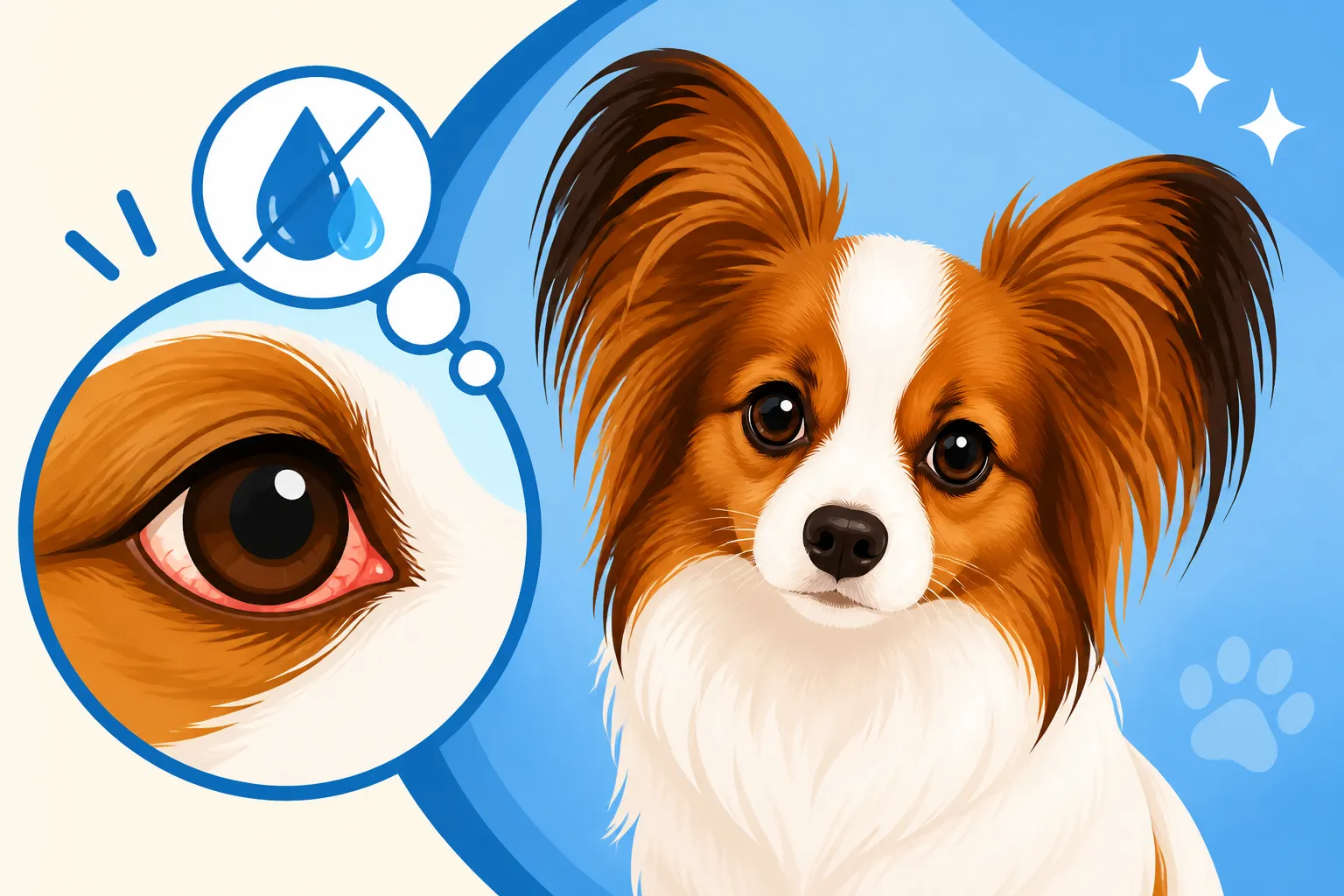
- Redness of the Conjunctiva: You might notice the whites of your Papillon’s eyes (sclera) and the lining of their eyelids (conjunctiva) appear unusually red or inflamed. This is often one of the first visible signs, indicating irritation.
- Increased Blinking or Squinting: Your Papillon might blink more frequently, or even squint, as if trying to relieve discomfort. This can be an instinctive reaction to the dryness and irritation, similar to how we might squint in bright light when our eyes are strained.
- Thick, Mucopurulent Discharge: This is a hallmark sign. Instead of clear, watery tears, you'll often see a thick, stringy, yellowish or greenish discharge accumulating in the corners of their eyes. This isn't pus from an infection (though infection can certainly be a secondary issue); it's typically an accumulation of dried mucus, epithelial cells, and sometimes bacteria that haven't been washed away by normal tears. It can be quite sticky and crusty, sometimes even gluing the eyelids together after sleep.
- Rubbing at the Eyes: Your Papillon might frequently paw at their face, rub their eyes on furniture or carpets, or attempt to scratch their eyes with their hind paws. This is a clear indicator of discomfort and itchiness due to the dry, irritated surface of the eye. Be cautious if you see this, as rubbing can cause further trauma and worsen the condition or even lead to ulcers.
- Dull or Lifeless Appearance of the Eye: A healthy eye is usually bright and shiny. With KCS, the eye might lose its natural luster and appear dull, dry, or even slightly sunken, reflecting the lack of a proper tear film.
Advanced Symptoms and Complications
If KCS is left untreated or progresses, the symptoms become more severe and can lead to significant complications:
- Corneal Ulcers: This is one of the most painful and dangerous complications. Without proper lubrication, the cornea is highly susceptible to abrasions and ulcers. Your Papillon will be in significant pain, squinting intensely, and potentially holding the affected eye completely shut. Corneal ulcers require immediate veterinary attention as they can lead to perforation of the eye and permanent blindness.
- Pigmentary Keratitis: Over time, the chronic irritation can stimulate the cornea to produce melanin, leading to dark brown or black pigment deposits spreading across the surface of the eye. This pigment can severely obstruct vision, making it harder for your Papillon to see clearly, similar to looking through a dirty window.
- Vascularization of the Cornea: The cornea, being avascular, doesn't normally have blood vessels. However, in response to chronic inflammation and dryness, blood vessels can grow onto the corneal surface. While these vessels attempt to bring nutrients and aid healing, they also contribute to the opaqueness of the cornea, further impairing vision.
- Corneal Scarring: Repeated irritation and ulceration can lead to irreversible scarring on the cornea. This scar tissue is opaque and prevents light from passing through effectively, resulting in permanent vision loss in the affected area.
- Loss of Vision or Blindness: Ultimately, if KCS progresses without intervention, the accumulation of pigment, vascularization, and scarring can lead to partial or complete blindness in the affected eye(s). This is a heartbreaking outcome that vigilant and consistent care aims to prevent. It's a stark contrast to other conditions like Whether a Papillon With PRA Goes Fully Blind, where the underlying mechanism is different but the result can also be vision loss.
Recognizing these signs, from the subtle early hints to the more severe advanced stages, is crucial. If you suspect your Papillon has any of these symptoms, don't hesitate to contact your vet immediately.
Diagnosing and Managing Dry Eye in Papillons
When you bring your Papillon to the vet with concerns about their eyes, the diagnostic process for KCS is generally straightforward and involves a few key tests. Don't worry, these are typically quick and painless for your little one.
The Schirmer Tear Test
The gold standard for diagnosing KCS is the Schirmer Tear Test (STT). This simple yet effective test measures the amount of aqueous tear production over a specific period. A small, sterile strip of filter paper with a pre-marked scale is gently placed inside your Papillon's lower eyelid, usually for 60 seconds. The tears produced by the eye will moisten the paper strip, and the length of the moistened area is measured in millimeters.
- Normal Tear Production: For most dogs, a normal reading is 15 mm or more per minute.
- Borderline KCS: Readings between 10 mm and 14 mm per minute are considered borderline, suggesting reduced tear production that might warrant monitoring or early intervention.
- Definitive KCS: A reading of less than 10 mm per minute is diagnostic for KCS. Readings below 5 mm indicate severe KCS.
Your vet will likely perform this test on both eyes, even if only one eye appears affected, as KCS often affects both eyes to varying degrees.
Other Diagnostic Steps
While the Schirmer Tear Test is primary, your vet will perform a comprehensive eye exam and may use other diagnostic tools to assess the overall health of the eye and rule out other conditions. This might include:
- Fluorescein Stain Test: This test uses a special orange dye to check for corneal ulcers. The dye adheres to any areas where the outermost layer of the cornea (epithelium) has been damaged, appearing bright green under a blue light. This is crucial because the presence of an ulcer will influence treatment choices.
- Tonometry: This measures the intraocular pressure (IOP) of the eye, helping to rule out conditions like glaucoma, which can also cause eye pain and redness.
- Physical Examination of the Eyelids and Conjunctiva: The vet will carefully examine the eyelids for any abnormalities, ingrown hairs, or issues with the Meibomian glands that produce the oily layer of tears. They'll also check the conjunctiva for inflammation or foreign bodies.
- Ocular Swabs/Cultures: If a secondary bacterial infection is suspected due to the thick discharge, a swab might be taken for culture and sensitivity testing to identify the specific bacteria and the most effective antibiotic. This helps target treatment rather than just guessing.
Medical Management: The Cornerstone of Treatment
Once KCS is diagnosed, medical management is typically lifelong. The primary goals are to stimulate tear production, reduce inflammation, lubricate the eyes, and prevent secondary infections.
- Topical Immunosuppressants: These are the most common and effective treatments for immune-mediated KCS. Medications like cyclosporine ophthalmic ointment or tacrolimus ophthalmic solution work by suppressing the immune response attacking the tear glands and encouraging them to produce tears again. These medications usually need to be applied once or twice daily, every day, for the rest of your Papillon's life. It's not a quick fix, but consistent application can significantly improve tear production and comfort.
- Artificial Tears and Lubricants: These over-the-counter drops or gels provide immediate relief by supplementing the natural tear film and keeping the eye moist. They don't stimulate tear production but are excellent for symptom relief, especially in the initial stages or during flare-ups. They can be used frequently throughout the day as needed.
- Topical Anti-Inflammatory Medications: In cases where inflammation is severe, your vet might prescribe a short course of topical corticosteroids to reduce swelling and discomfort. These are often used initially alongside immunosuppressants.
- Topical Antibiotics: If a secondary bacterial infection is present (often indicated by very thick, pus-like discharge), antibiotic eye drops or ointments will be prescribed to clear the infection. These are typically used for a limited period until the infection resolves.
- Mucolytics: For Papillons with very thick, stringy mucus discharge, a mucolytic agent like acetylcysteine may be prescribed to help break down the mucus and make it easier for the eye to clear.
Consistency is key. Skipping doses, even for a day or two, can allow the inflammation to flare up again, leading to a setback in tear production and discomfort for your Papillon. It’s a commitment, but one that drastically improves their quality of life.
Surgical Options for Severe Cases
In rare and severe cases of KCS where medical management isn't effective, or if the tear glands are completely non-functional, a surgical procedure called Parotid Duct Transposition (PDT) might be considered. This involves rerouting a salivary duct from the mouth to the eye, so saliva, rather than tears, can lubricate the eye. While it sounds drastic, saliva does contain some lubricating properties. However, it's not tears; saliva can be irritating to the eye and lead to a build-up of mineral deposits, requiring very diligent cleaning and management. It's a complex surgery with potential complications and is typically only recommended by a veterinary ophthalmologist as a last resort. For most Papillons, medical management is successful with consistent care.
Living with a Papillon with Dry Eye and Prevention
Managing KCS in your Papillon is a marathon, not a sprint. It requires dedication, consistency, and a keen eye for any changes. But with proper care, your Papillon can live a full, comfortable life.
Ongoing Care and Monitoring
Once your Papillon is diagnosed with KCS, your role as their caregiver becomes even more important.
- Adherence to Treatment Plan: This is non-negotiable. Administering eye drops or ointments as prescribed, every single day, is the most critical factor in successful management. Set reminders, incorporate it into your daily routine, and make it a positive experience for your Papillon with treats and praise.
- Regular Veterinary Check-ups: Your vet will want to monitor your Papillon's tear production and overall eye health periodically. This might involve repeating the Schirmer Tear Test and performing thorough eye exams every few months, or as recommended. These check-ups help ensure the treatment is effective and allows for adjustments if needed. This is part of the general Caring for a Papillon Past Eleven considerations, as older Papillons often develop more health concerns.
- Keeping the Eyes Clean: Regularly and gently wiping away any discharge from your Papillon's eyes with a soft, damp cloth or a sterile eye wipe is essential. This prevents crust build-up, which can harbor bacteria and cause further irritation. Make sure to use a fresh part of the cloth for each eye to prevent cross-contamination.
- Environmental Considerations: Protect your Papillon's eyes from irritants like dust, smoke, strong winds, and direct air conditioning or heater vents, which can further dry out their eyes. If you live in a dry climate, using a humidifier in your home might offer some relief.
- Watch for Secondary Issues: Be vigilant for any signs of worsening redness, increased pain, changes in discharge, or cloudiness of the cornea. These could indicate a secondary infection or a corneal ulcer, both of which require immediate veterinary attention.
- Cost Management: Long-term medication can be costly. This is where pet insurance providers like Healthy Paws can be a real lifesaver, potentially covering a significant portion of the ongoing medication and vet visits for chronic conditions like KCS. Knowing What a Papillon Costs Over Its Lifetime often includes factoring in such health management expenses.
Impact on Quality of Life
The good news is that with consistent treatment, most Papillons with KCS can maintain excellent quality of life. The medications are highly effective at stimulating tear production and reducing inflammation, alleviating discomfort and preventing the severe complications that can lead to blindness. Your Papillon will be able to see clearly, play fetch, and enjoy their daily walks without the constant irritation of dry eyes.
However, if KCS is left untreated, the impact on quality of life can be severe. Chronic pain, impaired vision, and potential blindness can lead to anxiety, lethargy, and a general withdrawal from activities they once enjoyed. Their playful personality might dim, and they may become irritable due to constant discomfort. This highlights why early detection and committed treatment are so crucial.
Can Dry Eye in Papillons Be Prevented?
Preventing immune-mediated KCS is challenging because it's an autoimmune condition. However, there are general measures you can take to promote overall eye health and potentially reduce other forms of KCS:
- Regular Vet Check-ups and Eye Exams: Proactive health care, including yearly wellness exams and dedicated eye checks, can help detect subtle changes before they become severe. Your vet might suggest specific tests or observations related to your Papillon’s eyes, even before any symptoms appear.
- Good Nutrition: A balanced, high-quality diet supports overall immune function and health, which can indirectly contribute to better eye health.
- Avoid Environmental Irritants: Minimize exposure to smoke, strong chemicals, excessive dust, or harsh winds. If your Papillon rides in the car, consider using dog goggles to protect their eyes from wind and debris.
- Careful Medication Use: Always discuss potential side effects, including impact on eyes, with your vet before starting any new medication, especially if it's for long-term use.
- Responsible Breeding: If considering a Papillon puppy, choose a reputable breeder who prioritizes health testing and screens their breeding stock for hereditary eye conditions. While there isn't a direct genetic test for KCS in Papillons, breeders who focus on overall health and temperament contribute to a healthier gene pool.
In summary, while KCS can be a daunting diagnosis, it's a very manageable condition in Papillons. With your dedication and consistent veterinary care, your butterfly-eared companion can continue to thrive with bright, comfortable eyes. It’s an investment in their happiness and longevity, much like ensuring they receive appropriate dental care to avoid How Common Dental Disease Is in Papillons.
Comparative Overview of Papillon Eye Conditions
To help understand how dry eye fits into the broader picture of Papillon eye health, here's a table comparing KCS with a couple of other common eye issues often seen or discussed in the breed.
| Condition | Primary Cause | Key Symptoms | Treatment & Management | Prognosis (with treatment) | Potential for Blindness (if untreated) |
|---|---|---|---|---|---|
| Keratoconjunctivitis Sicca (KCS) / Dry Eye | Immune-mediated destruction of tear glands; other factors | Redness, thick discharge, increased blinking, dull cornea, pain, ulcers | Lifelong topical immunosuppressants (cyclosporine/tacrolimus), artificial tears, antibiotics for infection | Good to excellent with consistent daily medication | High |
| Progressive Retinal Atrophy (PRA1) | Inherited genetic condition (CNGB1 gene) leading to rod and cone degeneration | Night blindness first, then gradual daylight vision loss, dilated pupils, tapetal shine | No effective treatment to restore or prevent vision loss; supportive care | Progressive vision loss, eventually total blindness | 100% |
| Cataracts | Genetic, diabetes, trauma, aging, inflammation | Cloudy or opaque lens, reduced vision, "milky" appearance of the pupil | Surgical removal of cataract (phacoemulsification) for vision restoration | Good with surgery, fair without | Moderate to High (can vary) |
This table helps illustrate that while all these conditions affect the eye, their causes, symptoms, and treatment approaches differ significantly. KCS, unlike PRA1, is typically very manageable with medication, preserving vision and comfort. For cataracts, Cataracts in a Papillon often require surgical intervention.
Disclaimer
The information provided in this article is for educational purposes only and is not a substitute for professional veterinary advice. Always consult with a qualified veterinarian for any health concerns or before making any decisions about your Papillon's medical care.