Which Papillon Knee Grade Is Common
It's incredibly frustrating, isn't it? You love your little Papillon with all your heart, but then you start hearing about "luxating patellas" or "slipping kneecaps," and suddenly a cloud of worry hangs over your otherwise happy companion. The thought of your tiny friend experiencing pain or needing surgery can be overwhelming, especially when medical terms like "grades" are thrown around. This guide aims to clear up some of that confusion, specifically focusing on which grades of patellar luxation are most common in Papillons, what those grades actually mean for your dog, and how you can best support them through it all.
Understanding Patellar Luxation: Why Papillons Are Prone
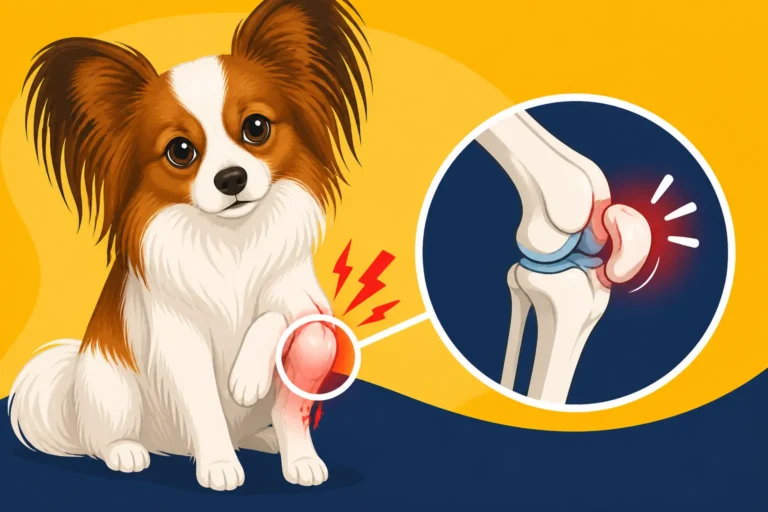
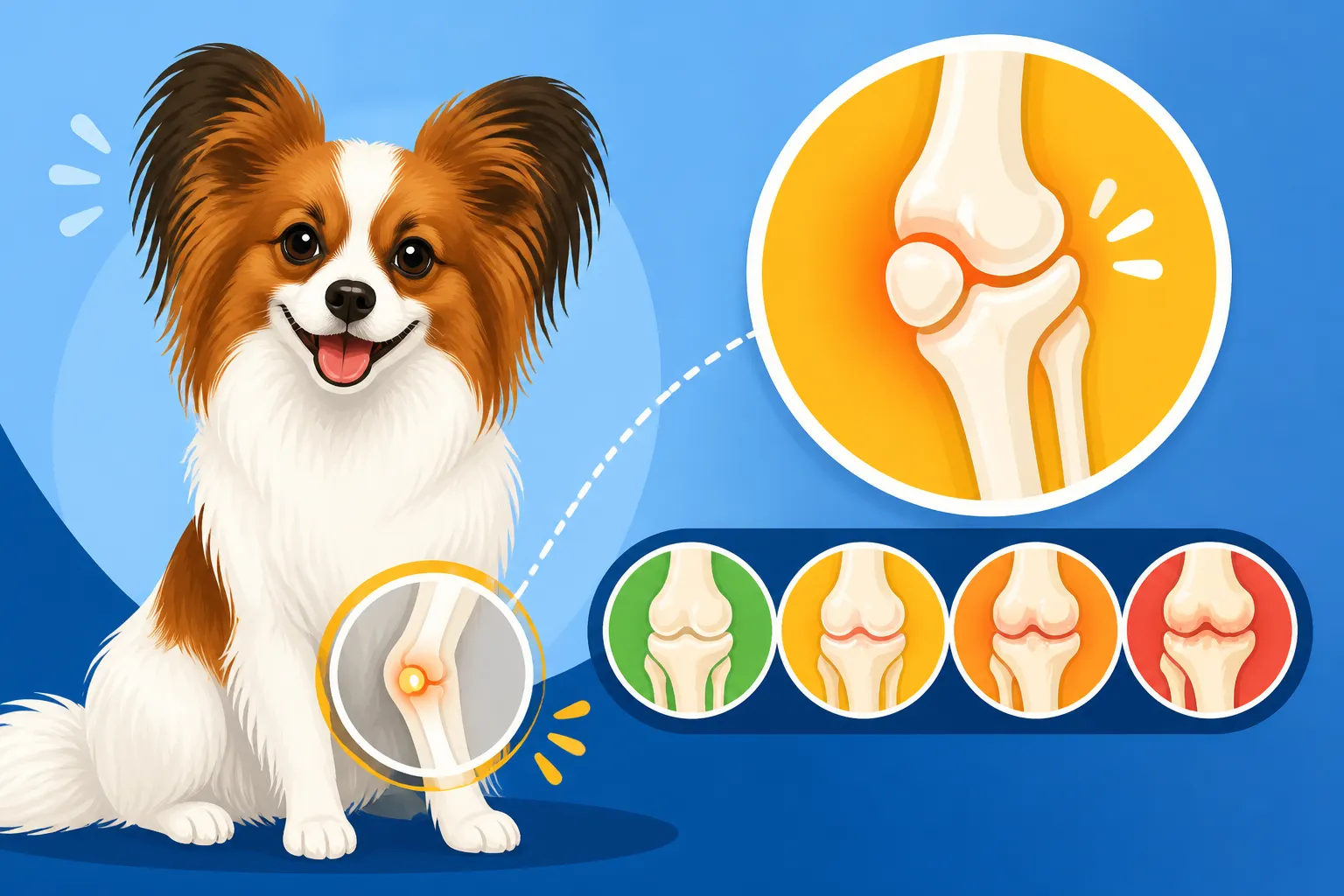
Patellar luxation is a mouthful, but it simply means that your dog's kneecap (patella) slips out of its normal groove on the thigh bone (femur). It's a condition often seen in smaller breeds like our beloved Papillons, and it can range from a minor, occasional slip to a persistent, painful displacement. For many Papillon owners, this isn't just a clinical diagnosis; it's a real concern that impacts their dog's daily zoomies and playful leaps.
This isn't something that typically happens due to an acute injury in small dogs; it's often a congenital or developmental issue, meaning they're born with structural abnormalities that make them predisposed to it. The trochlear groove, which is the indentation on the end of the femur where the patella sits, might be too shallow, or the ligaments and muscles that hold the kneecap in place might not be perfectly aligned. When the kneecap slips, it can cause pain, lameness, and over time, lead to arthritis because the joint surfaces aren't moving correctly. It's a subtle but significant issue that can really affect their quality of life if not managed. Owners often first notice something is amiss when their Papillon suddenly skips a step or holds a hind leg up for a few strides before running normally again. You might see your dog hopping on three legs, then putting the fourth down as if nothing happened. This intermittent lameness is a classic sign and can be quite alarming the first time you witness it.
The Reality of Papillon Knee Grades: What's Most Common
When a vet diagnoses patellar luxation, they'll assign a grade from 1 to 4, with 1 being the mildest and 4 the most severe. This grading system helps everyone understand the extent of the problem and decide on the best course of action. For Papillons, the reality is that Grade 1 and Grade 2 luxations are by far the most commonly encountered. It's a bit of a mixed blessing – while it means many Papillons don't face immediate, severe issues, it also means a good number of them will live with some degree of patellar instability.
Grade 1 Patellar Luxation: The Hidden Slip
A Grade 1 luxation is often so mild that you might not even realize your Papillon has it. In this scenario, the kneecap can be manually displaced from its groove by a veterinarian but returns to its normal position spontaneously once the pressure is released. Your dog might show very few, if any, clinical signs. They might occasionally skip a step or hold their leg up for a brief moment, but it's usually so fleeting that it's easy to dismiss as just a quirky movement.
The groove is typically shallow, and the kneecap usually sits in place, only slipping out with specific movements or direct manipulation. While it might not seem like a big deal, even a Grade 1 luxation is worth noting, especially for breeders. It indicates a predisposition and can potentially worsen over time, or contribute to the development of arthritis later in life. This is why a thorough orthopedic exam by a vet who understands the nuances of small breed anatomy is so important, even for seemingly healthy dogs. Catching this early can inform management strategies and even help you consider preventative measures if you're thinking about breeding.
Grade 2 Patellar Luxation: The Noticeable Hop
Grade 2 luxation is where things become a bit more noticeable for most Papillon owners. With a Grade 2, the kneecap luxates spontaneously, meaning it slips out of place on its own during normal movement, and it doesn't always go back in immediately. Sometimes your dog will extend their leg, shake it, or perform a specific movement to pop it back into the groove. This is that characteristic "skipping" or "hopping" gait you'll often hear about. Your Papillon might run along, then suddenly lift a back leg for a few steps, and then put it down and continue as if nothing happened.
This intermittent lameness can be a clear indicator, and it's often the point at which owners seek veterinary attention. While many dogs with Grade 2 luxation can live a relatively normal life, the frequency of the luxation and the degree of discomfort can vary greatly. Some Papillons might only have their kneecap slip out a few times a week, while for others, it might happen multiple times a day. This frequent movement of the kneecap can cause wear and tear on the joint cartilage and increase the risk of developing painful arthritis over time. It's a grade that requires careful consideration of monitoring, non-surgical management, and potentially, surgical intervention if the quality of life is significantly impacted.
Comparing the Grades: A Quick Look
Understanding the nuances between these grades is crucial for Papillon owners. Here's a quick overview to help differentiate them:
| Grade of Luxation | Description | Clinical Signs (What You See) | Risk of Arthritis | Typical Management |
|---|---|---|---|---|
| Grade 1 | Patella can be manually displaced but returns to normal on its own. Mostly stable. | Often none, or very occasional, fleeting "skipping" of a step. Easily missed. | Low to Moderate | Monitoring, weight management, muscle strengthening. |
| Grade 2 | Patella spontaneously luxates (slips out) but can be manually reduced or self-reduces with movement. | Intermittent "skipping" or holding up a leg. More noticeable and frequent than Grade 1. | Moderate to High | Weight management, physical therapy, anti-inflammatories, potential surgery. |
| Grade 3 | Patella is mostly luxated but can be manually returned to the groove. Stays luxated for longer periods. | Persistent lameness, abnormal gait, reluctant to bear weight on the affected leg. | High | Surgery often recommended. |
| Grade 4 | Patella is permanently luxated and cannot be manually returned to the groove. Severe deformity. | Severe, constant lameness. "Bow-legged" or crouched stance. Significant pain. | Very High | Surgery usually required, complex prognosis. |
As you can see, Grades 1 and 2 are a world away from 3 and 4. While the higher grades often necessitate immediate surgical consideration due to constant pain and severe lameness, the lower grades demand a more nuanced approach focused on quality of life and long-term joint health. This is why, if you notice your Papillon's kneecap slips, it's vital to discuss the specific grade with your vet.
Living with a Luxating Patella: Management and Prevention
Once you know your Papillon has a luxating patella, especially if it's a Grade 1 or 2, the focus shifts to management and making sure they live their happiest, healthiest life. The good news is that many Papillons with these common grades can do incredibly well with thoughtful care and proactive prevention.
Non-Surgical Management Strategies
For many Papillons with Grade 1 or 2 luxations, surgery might not be the immediate answer, or even necessary at all. The cornerstone of non-surgical management is truly about supporting the joint and preventing further damage.
- Weight Management: This is perhaps the most crucial step. Every extra ounce on a tiny Papillon frame puts additional strain on those already vulnerable knee joints. Keeping your Papillon at their ideal lean weight significantly reduces the stress on their patellas. Work with your vet to determine the perfect weight for your individual dog, and stick to a healthy diet plan.
- Controlled Exercise and Muscle Strengthening: While you don't want to overdo it, maintaining strong hind leg muscles can help stabilize the knee joint. Short, regular walks on even surfaces are generally better than sudden bursts of intense activity or rough play that involves twisting and turning. Activities like swimming can be excellent as they build muscle without impact. Avoid activities that involve a lot of jumping or quick pivots, as these can easily dislodge a compromised kneecap. You might find resources like "Whether a Papillon Should Be Stopped From Jumping Off Furniture" helpful to protect their delicate joints.
- Joint Supplements: Many vets recommend joint supplements containing ingredients like glucosamine, chondroitin, and MSM. These can help support cartilage health and reduce inflammation. Omega-3 fatty acids, often found in fish oil, are also excellent for their anti-inflammatory properties. Consistency is key here; these aren't quick fixes but rather long-term support.
- Environmental Modifications: Think about your home from your Papillon's perspective. Are there slippery floors? Consider runners or rugs to provide better traction. Do they jump on and off furniture? Invest in pet ramps or steps. These small changes can make a huge difference in protecting their knees from accidental slips or impacts. Exploring topics like "Whether Ramps Help a Papillon's Knees" can offer more specific guidance.
Proactive Steps to Minimize Risk
Even if your Papillon doesn't currently show signs of luxating patella, taking preventative steps, particularly if they are predisposed, is wise.
- Regular Veterinary Check-ups: Consistent vet visits allow for early detection. Your vet can routinely check your Papillon's knees, monitor for any changes, and advise on preventative care. This is especially important as your Papillon ages, as conditions can progress.
- Awareness of Symptoms: Learn the "Signs a Papillon's Kneecap Slips" so you can catch any issues early. Early intervention, whether through lifestyle changes or starting supplements, can often slow the progression of the condition and manage discomfort effectively. Papillons are known for their stoicism, and it's not always obvious "How a Papillon Hides Pain."
- Weight Management from Puppyhood: Instilling good dietary habits from a young age is critical. Preventing obesity throughout their life is the best defense against joint strain. Remember, "Whether Weight Affects a Papillon's Knees" is a definite yes, so keeping them lean is paramount.
Navigating Surgical Options and Long-Term Care
While non-surgical management is effective for many Papillons with Grade 1 or 2 luxations, there are times when surgery becomes the most humane and beneficial option. This is typically the case for higher-grade luxations or when Grade 2 luxations are causing significant pain, persistent lameness, or a serious reduction in quality of life. The decision to pursue surgery is a big one, often accompanied by worries about the procedure itself and the recovery process.
When Surgery Becomes a Necessary Consideration
For Papillons diagnosed with Grade 3 or 4 patellar luxation, surgery is almost always recommended. These higher grades involve severe and often permanent displacement of the kneecap, leading to constant pain, significant lameness, and potentially severe arthritis if left unaddressed. But even with Grade 2, if your Papillon is frequently lame, shows signs of discomfort, or if the luxation is impacting their ability to move freely and enjoy life, your vet might suggest a surgical consultation.
The primary goal of surgery is to realign the patella within its trochlear groove and prevent it from slipping out again. This can involve several techniques:
- Deepening the Trochlear Groove: The groove on the femur where the kneecap normally sits might be surgically deepened so the patella has a more secure home.
- Tightening or Loosening Soft Tissues: The ligaments and joint capsule surrounding the kneecap might be adjusted to ensure proper alignment.
- Tibial Crest Transposition: In some cases, the attachment point of the patellar ligament on the shin bone (tibia) might be moved to better align the entire mechanism.
Choosing to go forward with surgery is a personal decision between you and your vet. It's about weighing the current quality of life, the potential for improvement, and the financial and emotional commitment involved. If you're wondering "Whether a Papillon Needs Knee Surgery," your vet will guide you based on your dog's specific grade, symptoms, and overall health.
Post-Surgery Recovery and Rehabilitation
Recovery from patellar luxation surgery is a commitment, but with proper care, many Papillons go on to live active, pain-free lives. The typical recovery period involves several weeks of strict rest, followed by a gradual increase in controlled exercise and rehabilitation.
- Rest and Confinement: Your Papillon will need to be strictly confined to a small area, like a crate, for the initial weeks after surgery to prevent them from putting undue stress on the healing joint. Short, leashed potty breaks will be the extent of their activity.
- Pain Management: Your vet will prescribe pain medication and anti-inflammatory drugs to keep your Papillon comfortable during the healing process. Adhering to this schedule is crucial for their well-being.
- Physical Rehabilitation: Once cleared by your vet, physical therapy and controlled exercises will become an important part of recovery. This might include gentle range-of-motion exercises, controlled leash walks, and eventually, activities like swimming or underwater treadmill therapy. These therapies help rebuild muscle strength, improve joint flexibility, and ensure a full recovery. It's a journey, but seeing your Papillon regain their confident stride is incredibly rewarding.
It's also important to consider the financial aspect of such a procedure. While this article focuses on health, it's worth noting that robust pet insurance plans from providers like Healthy Paws can be invaluable in mitigating the high costs associated with diagnostics, surgery, and post-operative care for conditions like luxating patella. Planning for these possibilities ensures you can always make the best health decisions for your furry family member without undue financial stress.
The Breeder's Role: Minimizing Risk Through Responsible Choices
While patellar luxation can feel like an inevitable part of owning a Papillon, responsible breeding plays a monumental role in minimizing its prevalence and severity. If you're looking for a Papillon puppy, or if you're a breeder yourself, understanding the importance of health testing and ethical breeding practices is paramount. This proactive approach is the best defense against passing on these predispositions.
Health Testing and Clearances
Reputable Papillon breeders are deeply committed to the health of their lines. This commitment is most clearly demonstrated through comprehensive health testing and obtaining clearances for their breeding dogs. For patellar luxation, this means screening by a qualified veterinarian. The Orthopedic Foundation for Animals (OFA) maintains a registry for patellar luxation, providing a standardized way to evaluate and record a dog's knee health.
- OFA Patellar Evaluation: Breeding dogs should be evaluated by a veterinarian who is certified to perform OFA patellar exams. This involves a physical manipulation of the kneecap to determine its stability and assign a grade if luxation is present. Dogs with Grade 2 or higher luxation are generally not recommended for breeding. Some even argue that dogs with Grade 1 should be bred with extreme caution, and only to dogs with perfectly clear knees.
- Transparency and Pedigree Research: A responsible breeder will be completely transparent about the health testing results of both the dam and sire, and often their ancestors. They should be able to provide you with OFA certificates or similar documentation. Don't be shy about asking to see these records. This diligence helps ensure that you're not inadvertently purchasing a puppy from parents with undisclosed knee issues, thereby increasing your puppy's risk. This is a critical question when considering "What a Papillon Breeder Should Have Tested."
Ethical Breeding Practices
Beyond just testing, ethical breeding practices involve a holistic approach to canine health and well-being.
- Selecting Healthy Parents: Breeders committed to improving the breed will select breeding pairs based on overall health, temperament, and conformation, not just appearance. They understand the genetic component of patellar luxation and strive to breed away from it. This means carefully evaluating a dog's entire pedigree and avoiding breeding individuals who have produced affected offspring, even if the parent themselves seems fine.
- Limiting Breeding Frequency: Responsible breeders do not over-breed their females. They allow ample recovery time between litters, ensuring the health of the mother and reducing the potential for stress-related issues that could impact offspring.
- Early Puppy Care: During the critical early weeks, responsible breeders provide optimal nutrition, socialization, and veterinary care to their puppies. While these won't prevent a genetic predisposition to luxating patella, a healthy start can contribute to overall structural soundness. They also monitor puppies for any early signs of mobility issues.
When you invest in a Papillon from a conscientious breeder, you're not just buying a puppy; you're supporting a legacy of health, responsible care, and a genuine love for the breed. This upfront due diligence can significantly reduce your chances of encountering severe health problems down the line, although no breeder can ever guarantee a dog will be free of all health issues for its entire life. This is where having pet insurance, such as a plan from Healthy Paws, can provide significant peace of mind, knowing that you're prepared for unexpected health challenges, even with the most responsibly bred dog.
Disclaimer
This article is for general informational purposes only and does not constitute professional advice. Laws, prices and regulations vary by location and change over time. Consult a qualified professional for guidance on your specific situation.