Deafness in an Old Papillon
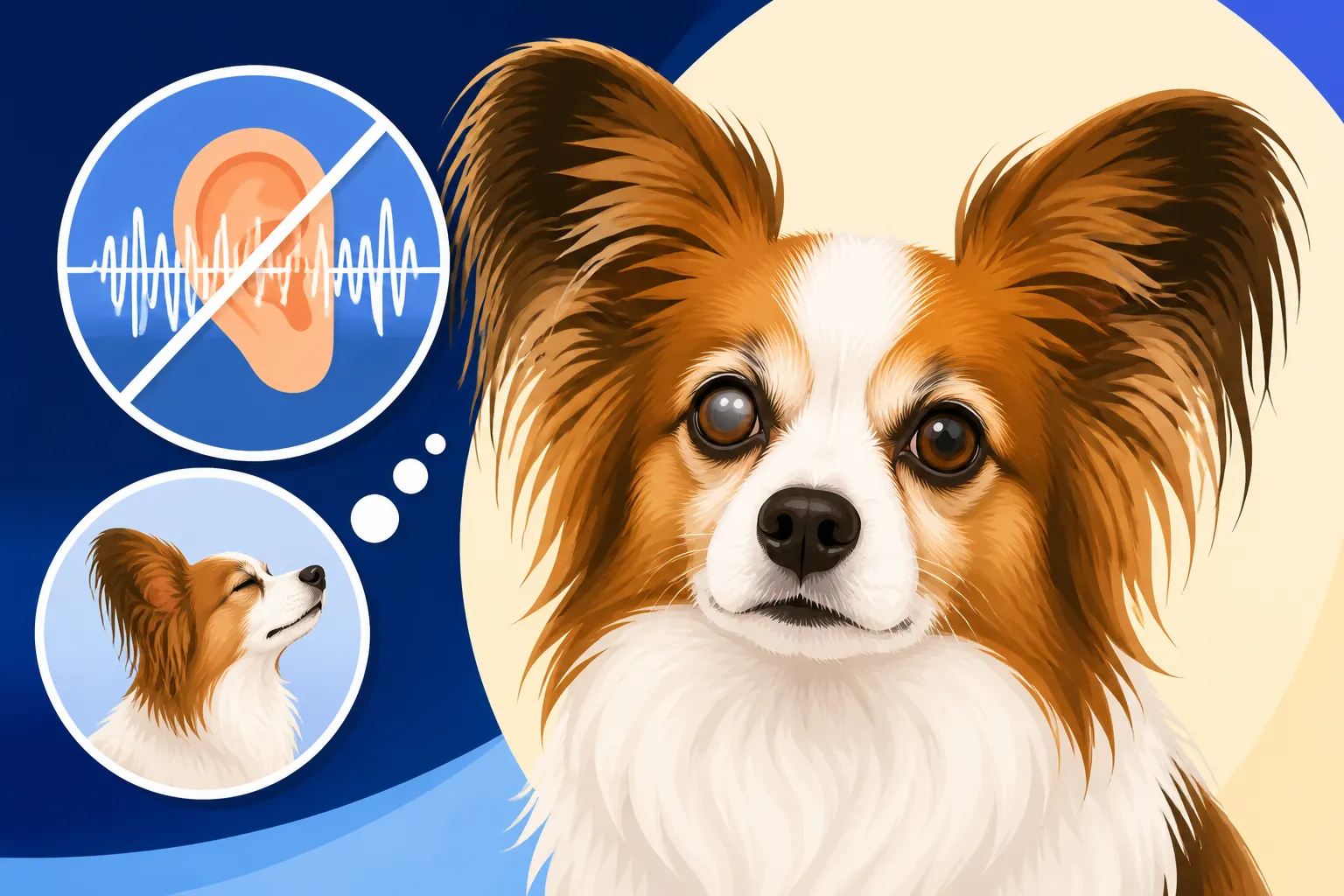
It's heartbreaking to see our beloved Papillons slow down as they age, and perhaps one of the most frustrating and often overlooked changes is the onset of deafness. You might find yourself wondering why your once-responsive little companion seems to ignore you, or perhaps they startle easily when you approach. This guide is here to walk you through understanding, recognizing, and compassionately managing age-related hearing loss in your senior Papillon, helping both of you navigate this new chapter with grace and confidence.
Understanding Age-Related Hearing Loss in Papillons
As our little butterfly-eared friends grow older, much like humans, their senses can begin to dull. Hearing loss, known scientifically as presbycusis, is a common and often inevitable part of the aging process for many dogs, including our spirited Papillons. It's not a sudden event but usually a gradual decline, which makes it particularly challenging for owners to pinpoint when it truly begins.
The Biological Basis of Hearing Decline
The inner workings of a Papillon's ear are incredibly delicate and complex. Hearing relies on tiny hair cells within the cochlea that convert sound vibrations into electrical signals, which are then sent to the brain. Over time, these delicate hair cells can become damaged or die off, a natural wear-and-tear process that occurs with age. This damage is cumulative, meaning years of exposure to normal sounds, or even loud noises, contribute to their degradation. For a Papillon, whose long lifespan means many years of these processes, it's almost expected. Think of it like a well-used machine where certain parts simply lose their efficiency after years of continuous operation. The nerve pathways from the ear to the brain can also degrade, further impairing sound processing.
Other Factors Contributing to Hearing Issues
While age is the primary culprit, it's important to remember that not all hearing loss is simply "old age." Sometimes, other treatable conditions can mimic or exacerbate deafness. Chronic ear infections, for example, can cause structural damage to the eardrum or middle ear over time, leading to significant hearing impairment. Our Papillons, with their glorious, feathered ears, generally have good air circulation, but issues can still arise. Excessive wax buildup is another common, and thankfully easily resolved, problem that can partially block the ear canal and reduce hearing. Tumors, polyps, or foreign objects lodged in the ear canal can also impede sound. Even certain medications, particularly some antibiotics or chemotherapy drugs, can be ototoxic, meaning they can cause damage to the hearing apparatus. This is why a veterinary check-up is always the first step when you suspect hearing loss. It allows your vet to rule out these treatable causes before concluding it's solely age-related.
Spotting the Subtle Signs of Deafness in Your Senior Papillon
Recognizing that your Papillon is losing their hearing can be incredibly difficult because dogs are masters at compensating. They rely heavily on their other senses – sight and smell – and their routines. They've also spent their lives reading your body language and anticipating events. It's not usually a light switch moment where they suddenly can't hear; it's more like a dimmer switch slowly turning down.
Behavioral Changes to Watch For
You might first notice your Papillon doesn't come running when you call their name from another room, or perhaps they sleep through the doorbell or a dropped pan in the kitchen. They might seem unusually deep in sleep, not rousing until you touch them. You might even find yourself raising your voice without realizing it. A common sign is increased startling. If you approach them from behind or while they're sleeping, and they jump or yelp because they didn't hear you coming, that's a big red flag. Some Papillons might become more vocal, barking excessively, seemingly trying to "hear" themselves or get attention in a new way. Others might become more withdrawn or even appear a bit disoriented or anxious, especially if they can no longer accurately locate sounds, which can contribute to Night Confusion in an Old Papillon. Their balance might even seem a little off, as the inner ear plays a role in equilibrium.
The Diagnostic Process with Your Veterinarian
If you suspect hearing loss, a visit to your veterinarian is crucial. They'll start with a thorough physical examination, paying close attention to the ears. This includes an otoscopic exam to look deep into the ear canal for blockages, inflammation, or foreign bodies. They might gently clean any wax buildup to see if that improves things. Your vet will also ask you detailed questions about the onset of signs, specific situations where you've noticed changes, and any other health concerns. Since Papillons can be prone to various senior ailments, understanding their overall health is important. For instance, What a Papillon's Yearly Bloodwork Should Cover might reveal other issues impacting their well-being.
Sometimes, simple tests like clapping loudly behind them, jingling keys, or using a squeaky toy can give a preliminary indication, though an aging Papillon might still react to vibrations even if they can't distinctly hear the sound. For a definitive diagnosis, especially if you're considering breeding or if there are other neurological concerns, a Brainstem Auditory Evoked Response (BAER) test is the gold standard. This specialized test measures the electrical activity in the brain in response to auditory stimuli, providing an objective assessment of hearing function. While it typically requires sedation, it’s the most accurate way to determine the extent and type of hearing loss. While pet insurance plans like Healthy Paws often cover unexpected illnesses and accidents, it's wise to check if specialized diagnostic tests like BAER, especially for age-related conditions, fall under your specific policy, or if it's considered a pre-existing condition if hearing loss signs were present before enrollment.
Here's a quick guide to common signs of hearing loss:
| Stage of Hearing Loss | What You Might Notice | What Your Papillon Might Do |
|---|---|---|
| Mild/Early | Ignores you when called from another room; sleeps through soft noises. | Seems slightly less responsive; might miss doorbell sometimes. |
| Moderate | Doesn't respond to normal voice commands; startles easily. | Needs to see you to respond; barks more often; deeper sleep. |
| Severe/Profound | No response to loud noises (clapping, shouting); doesn't wake to alarms. | Completely oblivious to sounds; relies entirely on sight/smell. |
Navigating Life with a Hearing-Impaired Papillon
Discovering your Papillon is losing their hearing can feel overwhelming, but it's far from a life sentence. In fact, many senior Papillons adapt remarkably well and continue to lead happy, fulfilling lives with a few adjustments from their devoted humans. It simply means you need to adjust your communication style and make their environment safer.
Adapting Communication and Training
The first and most crucial step is transitioning to visual cues. Hand signals become your new best friend. If your Papillon already knows some verbal commands, try pairing them with hand signals now, while they still have some residual hearing. This allows them to associate the existing command with a visual cue, making the transition smoother. For new commands, teach them purely with hand signals. Consistency is key here. Keep your signals clear, distinct, and always use the same one for each command. Reward success enthusiastically with treats and praise when they respond correctly. This positive reinforcement builds their confidence.
Vibration collars can also be an invaluable tool. These collars provide a gentle vibration, not a shock, that can be used to get your Papillon's attention, especially when they're not looking at you. You can then follow up with a hand signal. Many people use a single vibration to mean "look at me," and once your Papillon turns to you, you can give your specific command. Remember, your Papillon is still incredibly smart; The Papillon Is the Smartest Toy Breed There Is, so they'll pick up new ways of communicating quicker than you might expect. Also, remember to always approach your deaf Papillon from the front or make sure they see you coming to avoid startling them. A gentle tap on the shoulder or floor vibrations can also work if they're not looking.
Ensuring Safety in and Out of the Home
A deaf Papillon needs a bit more consideration when it comes to safety, especially outdoors. The biggest concern is their inability to hear approaching dangers like cars, bicycles, or other dogs. For this reason, it's absolutely vital that a deaf Papillon is always on a leash when outside a securely fenced area. Even a seemingly safe backyard should be double-checked for escape routes. Consider getting a special tag or harness that clearly indicates "Deaf Dog" or "I Am Deaf" to alert others, especially in case they ever get lost. A microchip is always a good idea for any dog, but it's even more critical for a deaf one.
Inside the home, try to maintain a consistent layout of furniture and avoid sudden rearrangements, as your Papillon might rely on their spatial memory more. If they startle easily, you might need to make some adjustments. For instance, if your Papillon gets startled when you come into the room and they haven't seen you, try stomping your feet gently to create vibrations they can feel, signaling your presence. For those who worry about costs associated with senior dog care, including potential accidents or specialized equipment, checking into pet insurance like Healthy Paws for your Papillon can provide a safety net for unforeseen medical expenses as they age.
Maintaining Quality of Life and Well-being
A Papillon’s quality of life doesn’t diminish with hearing loss; it just changes. They still crave interaction, love, and mental stimulation. Continue to engage them with puzzle toys, scent games, and regular walks (on leash, of course!). Daily walks provide mental stimulation through smells and visual input, which are now even more important senses for them. Many Papillons continue to enjoy activities like agility or rally with appropriate modifications, often with handlers using visual cues rather than verbal.
Make sure to regularly check their ears for any discharge or odors, as they won't be able to shake their heads or paw at their ears to signal discomfort if they can't hear the internal sounds of an infection. Regular veterinary check-ups remain essential, as Papillons can be stoic and How a Papillon Hides Pain can be surprising. Your vet can help you monitor their overall health, including other common senior issues like dental disease or arthritis, which are discussed in detail in Caring for a Papillon Past Eleven. Most importantly, continue to shower your deaf Papillon with affection. Touch and cuddles become even more significant ways to connect and reassure them, strengthening that precious bond you share.
Remember, adapting to your Papillon's hearing loss is a journey for both of you. It requires patience, understanding, and a willingness to learn new ways of interacting. But with love and consistent effort, your senior Papillon can continue to be a joyful, cherished member of your family, proving that their spirit shines just as brightly, even in silence.
Disclaimer
This article is intended for informational purposes only and does not constitute professional veterinary advice. Always consult with a qualified veterinarian for any health concerns or before making any decisions about your pet's care.