Whether a Papillon Needs Both Knees Fixed
It's incredibly stressful when your sweet Papillon starts showing signs of a knee issue. You might notice a little skip in their step, or maybe they're holding up a back leg. The worry quickly escalates when the vet mentions "luxating patella," and then the question hits: what if both knees need fixing? This guide will walk you through the complexities of bilateral patellar luxation, helping you understand when and why a Papillon might need surgery on both knees, and what that journey looks like.
Understanding Patellar Luxation in Papillons
Patellar luxation, or a "slipping kneecap," is a surprisingly common orthopedic issue in small breeds, and our agile Papillons are certainly no exception. It’s a condition that can cause discomfort, lameness, and, if left unaddressed, can lead to more serious problems down the line.
What Exactly Is a Luxating Patella?
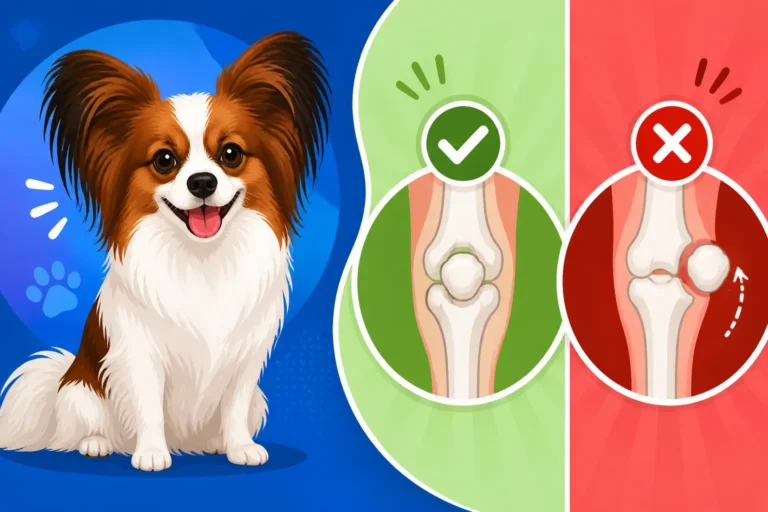
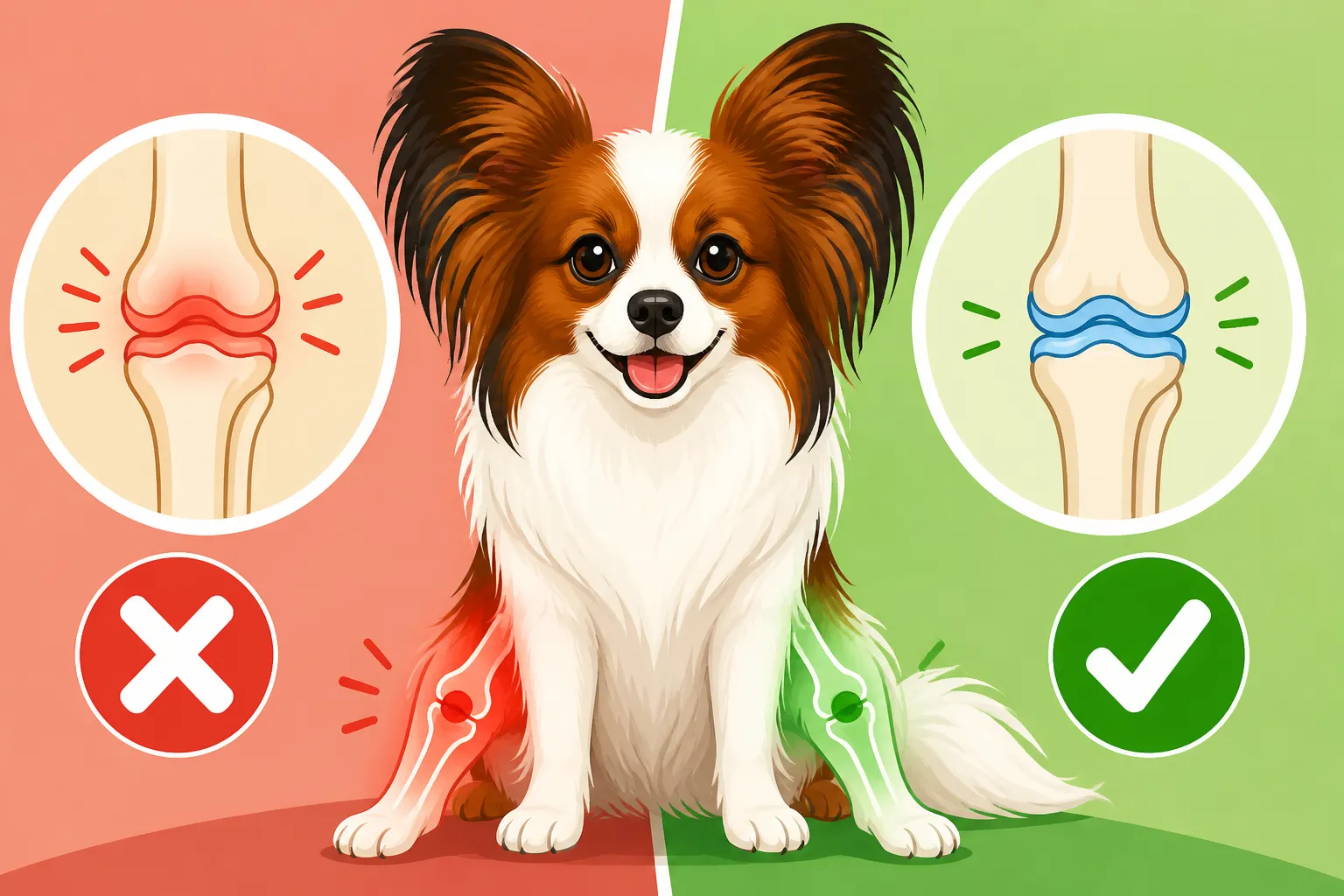
Imagine your dog's kneecap (patella) sitting snugly in a groove at the end of their thigh bone (femur). In a healthy knee, it glides smoothly up and down this groove as the leg bends and straightens. With a luxating patella, this kneecap pops out of its normal position, often to the inside (medial luxation) but sometimes to the outside (lateral luxation). For a Papillon, this usually means the kneecap slips inward. When it pops out, your dog might suddenly lift their leg, give a little shake, and then carry on as if nothing happened once it slips back into place. Or, if it stays luxated, they might hold the leg up for longer periods. It's a jarring experience to witness, and you can't help but feel for them.
Why Papillons Are Prone to This Condition
Our beloved Papillons, with their delicate bone structure and spirited nature, are unfortunately predisposed to patellar luxation. This isn't usually due to an injury but rather a genetic predisposition that affects the alignment and development of the leg bones from puppyhood. The groove where the kneecap sits might be too shallow, or the ligaments and tendons that hold the kneecap in place might be a bit too loose. This structural imbalance, sometimes subtle, causes the kneecap to shift out of place more easily than it should.
It's a frustrating reality for many Papillon owners, and it's a topic we often discuss in the community. You might be surprised to learn just how prevalent it is; for more detail, you can read about How Common Patellar Luxation Is in Papillons. Because it's often an inherited trait, responsible breeders will screen their dogs, but even with careful breeding, it can still appear.
Assessing the Need for Double Knee Surgery
When one knee shows signs of luxation, it's natural to wonder about the other. Our dogs are masters at compensating, and sometimes, a problem in one leg can subtly impact the other, even if it's not immediately obvious.
When One Knee Affects the Other
It's a tricky situation because dogs are incredibly adaptable. If one of your Papillon's knees is luxating, they will instinctively try to protect it. This often means shifting their weight to the "good" leg, altering their gait, and putting extra strain on joints that weren't designed to bear that increased load. Over time, this compensatory movement can cause the previously healthy knee to start showing signs of luxation itself, or it can exacerbate an already mild luxation that wasn't causing symptoms before.
For instance, your Papillon might learn to hop on three legs, keeping the painful leg tucked up. This might seem like a clever workaround, but that extra pressure on the remaining healthy joints can speed up wear and tear, leading to issues like arthritis or even luxation in the "overworked" knee. That's why even if only one knee is clearly problematic, your vet will always thoroughly examine both to catch any subtle signs or potential issues before they become major.
Grading the Severity of Luxation
Veterinarians classify patellar luxation into four grades, based on how often the kneecap slips, how easily it can be put back into place, and the degree of structural abnormalities. This grading helps determine the best course of action.
- Grade I: The kneecap can be manually luxated but pops back into place on its own. Your Papillon might show very few, if any, symptoms.
- Grade II: The kneecap luxates occasionally and can be manually put back, or it might pop back on its own when the leg is extended. You might notice intermittent skipping.
- Grade III: The kneecap is luxated most of the time but can be manually returned to the groove. It will reluxate readily. This often causes more consistent lameness.
- Grade IV: The kneecap is permanently luxated and cannot be manually put back into the groove. This is a severe condition, often accompanied by significant lameness and bone deformities.
For lower grades (I and sometimes II), conservative management might be an option, focusing on weight management, controlled exercise, and supplements. However, for higher grades (III and IV), and often for symptomatic Grade II luxations, surgery is typically recommended to prevent further joint damage and improve your Papillon's quality of life. The decision to intervene surgically, especially with bilateral luxation, becomes clearer when you understand Which Grade of Luxation Needs Fixing in a Papillon. Your vet's assessment, including X-rays and palpation, will be crucial in this decision-making process.
The Surgical Decision: One Knee vs. Two
Once surgery is on the table, a new set of questions arises, especially concerning whether to address one knee or both. This is a big decision, and your veterinary surgeon will guide you through the options, considering your Papillon's specific needs.
Simultaneous vs. Staged Surgery
When both knees are affected by patellar luxation to a degree that requires surgery, you'll generally face two main choices:
- Simultaneous Bilateral Surgery: Both knees are operated on during the same anesthetic event.
- Staged Surgery: One knee is operated on first, allowed to heal for several weeks or months, and then the second knee is addressed in a separate procedure.
There are compelling arguments for both approaches. Simultaneous surgery means your Papillon only goes under anesthesia once, which can reduce overall anesthetic risk, especially critical for tiny dogs. It also condenses the recovery period into one stretch, rather than two extended periods of restricted activity. However, the downside is that your dog will have two sore legs, making it much harder for them to get around independently in the initial days and weeks. This requires intense commitment from you for support and mobility assistance.
Staged surgery, on the other hand, allows one leg to recover and strengthen before the second one is operated on. This means your Papillon will always have at least one relatively sound leg to put weight on, potentially making the recovery period less arduous for both of you. The drawback is two separate surgeries, two anesthetic events, and two distinct recovery phases, prolonging the overall process. The choice between these options is highly individual, depending on your Papillon's overall health, age, the severity of luxation in each knee, and your ability to provide intensive post-operative care. It's a conversation you'll have in depth with your veterinary team. For a deeper dive into the overall decision, consider reading Whether a Papillon Needs Knee Surgery.
Weighing the Risks and Benefits
Undergoing any surgery carries inherent risks, and for a small dog like a Papillon, those risks are often amplified. Anesthesia is a primary concern, as smaller patients can be more sensitive to medications and prone to temperature fluctuations during a procedure. You'll want to discuss thoroughly with your vet the specific protocols they use to ensure the safest possible experience for your small companion, particularly if you're concerned about Anesthesia and a Five Pound Papillon. There's also the risk of infection, implant failure, or the luxation recurring, although advancements in surgical techniques have made these less common.
However, the benefits of surgical correction for significant luxation often far outweigh these risks. Successful surgery can dramatically improve your Papillon's quality of life. It can alleviate chronic pain, restore normal mobility, prevent the progression of arthritis, and allow them to enjoy walks, playtime, and agility without discomfort or further damage. Without correction, a severely luxating patella can lead to debilitating arthritis, complete loss of function in the limb, and compensatory injuries in other joints. Making the choice for surgery is tough, but seeing your Papillon run and play without pain can be incredibly rewarding.
The Recovery Journey After Bilateral Knee Surgery
Deciding on surgery is only the first step. The recovery period is where your dedication and patience truly come into play, especially when dealing with two knees simultaneously. It's a marathon, not a sprint, but seeing your Papillon get back to their spunky self is the ultimate reward.
Immediate Post-Operative Care
Right after surgery, your Papillon will likely stay at the veterinary hospital for a day or two for close monitoring. They'll be on pain medication, and the veterinary staff will ensure they're comfortable and that their incisions are clean. When they come home, the real work begins. Your home environment needs to be set up for their recovery. Think about creating a small, safe, confined space where they can't jump, climb, or run. A crate or a small playpen is ideal. This strict activity restriction is crucial to allow the surgical sites to heal properly.
You'll need to assist your Papillon with everything initially. This means supporting them with a sling or towel when they go out to potty, ensuring they can reach their food and water bowls without strain, and meticulously administering all prescribed medications. Keeping their incisions clean and dry, and preventing them from licking or chewing at the stitches (hello, cone of shame!), are top priorities. It's a round-the-clock commitment for those first few weeks, but every effort helps prevent complications and promotes healing.
Long-Term Rehabilitation and Support
Once the initial healing phase is over, typically around 6-8 weeks, your Papillon will gradually begin rehabilitation. This isn't just "letting them run around" – it's a carefully structured program. Your vet or a certified canine rehabilitation therapist will guide you through gentle exercises designed to restore strength, flexibility, and range of motion. This might include passive range of motion exercises, controlled leash walks, and eventually, more active therapies. Consistency is key here.
You'll also need to continue making adjustments to your home environment to protect their newly repaired knees. Think about investing in ramps for furniture access; these are a godsend, especially for preventing those jarring jumps off the sofa. You can find options at pet supply stores like Chewy. Non-slip rugs on hardwood or tile floors can also prevent dangerous slips. If you're wondering about the expense or efficacy of such aids, information on Ramps and Steps Cost for a Papillon and Whether Ramps Help a Papillon's Knees might be useful. Joint supplements containing ingredients like glucosamine and chondroitin can also be beneficial in the long term, supporting cartilage health. While they don't fix luxation, they can aid in overall joint wellness and managing arthritis development.
Financial Considerations for Double Knee Surgery
Let's be realistic: orthopedic surgery, especially on two knees, is a significant financial undertaking. It's one of those "hidden" costs of pet ownership that can hit hard if you're not prepared.
Understanding the Costs Involved
The cost of patellar luxation surgery can vary widely depending on your geographic location, the veterinary surgeon's expertise (a board-certified orthopedic specialist might cost more), the grade of luxation, and whether it's one or two knees. When considering bilateral surgery, you're looking at fees that encompass the surgical procedure itself, anesthesia, pre-operative bloodwork and imaging (like X-rays), post-operative pain medication, follow-up examinations, and potentially rehabilitation therapy.
It's not just the surgical bill either. There are often ongoing costs for medications, specialized food, physical therapy sessions, and modifications to your home during recovery. This can quickly add up. To get a clearer picture of the baseline expense, you might want to review What Patellar Surgery Costs on a Papillon. When both knees are involved, you might get a slight discount for doing them simultaneously versus two separate procedures, but it will still be substantially more than a single knee repair. This is why having a candid conversation with your vet about all potential costs, upfront and ongoing, is so important. Don't be afraid to ask for a detailed estimate.
The Role of Pet Insurance
This is where pet insurance can truly be a lifesaver. Companies like Healthy Paws offer coverage for unexpected illnesses and accidents, and patellar luxation surgery is often covered, provided your policy was in place before any symptoms appeared or a diagnosis was made. Pet insurance typically operates on a reimbursement model: you pay the vet bill, and then you submit a claim to your insurer for reimbursement according to your policy's terms (deductible, reimbursement percentage, annual limits).
However, it's crucial to understand the nuances of pet insurance. Most policies have waiting periods, meaning you can't sign up today and expect immediate coverage for a pre-existing condition. Patellar luxation, being often hereditary, can also be subject to specific rules regarding "congenital" or "hereditary" conditions, though many good policies do cover them if not pre-existing. It's absolutely vital to read the policy fine print and discuss your Papillon's specific situation with the insurer before committing. For further information, check out Whether Insurance Covers a Papillon's Knees. If pet insurance isn't an option or you're already past the point of enrollment, building an emergency fund specifically for your pet's medical needs is highly advisable.
| Aspect | Single Knee Surgery | Bilateral (Simultaneous) Knee Surgery | Bilateral (Staged) Knee Surgery |
|---|---|---|---|
| Anesthesia | One event | One prolonged event | Two separate events |
| Recovery Period | ~8-12 weeks for that leg, dog has one good leg | ~12-16+ weeks, dog needs more assistance initially | Two ~8-12 week recovery periods, with a break in between |
| Initial Mobility | Easier for dog to move, can bear weight on good leg | Very limited, requires significant owner support for mobility | Limited initially, then one good leg to assist with second surgery |
| Cost (Estimated) | Significant | Substantially higher, but potentially less than two separate full bills | Two significant costs, potentially spread out |
| Time Commitment | Intensive for one recovery period | Very intensive for one longer, more challenging recovery | Intensive for two separate recovery periods |
| Risk | Standard surgical/anesthetic risks | Higher anesthetic risk due to duration, higher initial mobility challenge | Two rounds of surgical/anesthetic risks |
| Benefits | Addresses immediate issue, easier recovery | One overall recovery journey, addresses both issues sooner | One sound leg for support during each recovery, less initial mobility challenge |
Preventing and Managing Patellar Luxation Throughout Life
While genetics play a huge role, there are still many things we can do as Papillon parents to support their joint health and potentially manage or even prevent the progression of patellar luxation. Proactive care is truly the best defense.
Proactive Care and Lifestyle Adjustments
One of the most critical factors in managing and preventing undue stress on a Papillon's knees is maintaining a healthy weight. Even an extra pound or two on such a small frame can significantly increase the load on their joints, exacerbating luxation or accelerating the onset of arthritis. Talk to your vet about your Papillon's ideal weight and feeding plan. Brands like Ollie offer personalized meal plans that can help maintain optimal weight and nutrition. You can delve deeper into this by looking up Why an Overweight Papillon Strains Its Knees.
Beyond diet, appropriate exercise is vital. Papillons are active little dogs, but their exercise needs to be controlled, especially if they have a predisposition to patellar luxation. Avoid activities that involve excessive jumping, twisting, or hard landings, which can jar the kneecap. For instance, repeatedly jumping off high furniture can be detrimental. It's a tough habit to break, but understanding Whether a Papillon Should Be Stopped From Jumping Off Furniture is key for their long-term joint health. Encourage activities like brisk walks, mental stimulation games, and short, controlled play sessions on safe, non-slip surfaces.
Regular Vet Check-ups and Monitoring
Regular veterinary check-ups are paramount. Your vet can monitor your Papillon's gait, palpate their patellas to check for any instability, and catch subtle signs of luxation before they become severely symptomatic. Early detection allows for more conservative management strategies or timely surgical intervention, potentially preventing more significant damage. Don't skip these annual visits, even if your Papillon seems perfectly healthy!
If you're considering breeding your Papillon, or if you acquired your Papillon from a breeder, you might be interested in What a Papillon Breeder Should Have Tested. Responsible breeders will screen their breeding stock for patellar luxation and other genetic conditions to try and reduce the incidence in future generations. This commitment to health testing is a hallmark of a reputable breeder and helps ensure the long-term well-being of the breed. Even if you're not breeding, discussing these tests with your vet can provide valuable insight into your dog's genetic predispositions and help you make informed decisions about their lifelong care.
Disclaimer
This article is for general informational purposes only and does not constitute professional advice. Laws, prices and regulations vary by location and change over time. Consult a qualified professional for guidance on your specific situation.