What a Grade Two Knee Costs to Repair on a Papillon
That moment when your veterinarian gently explains that your sweet Papillon has a Grade Two patellar luxation can feel like a punch to the gut. Beyond the immediate worry for your furry friend, the next thought often jumps straight to "What is this going to cost?" It's a valid and incredibly stressful concern. This guide is here to walk you through the financial landscape of repairing a Grade Two knee on your Papillon, covering everything from the initial diagnosis to long-term recovery costs, so you can prepare without feeling completely in the dark.
Understanding Grade Two Patellar Luxation in Papillons
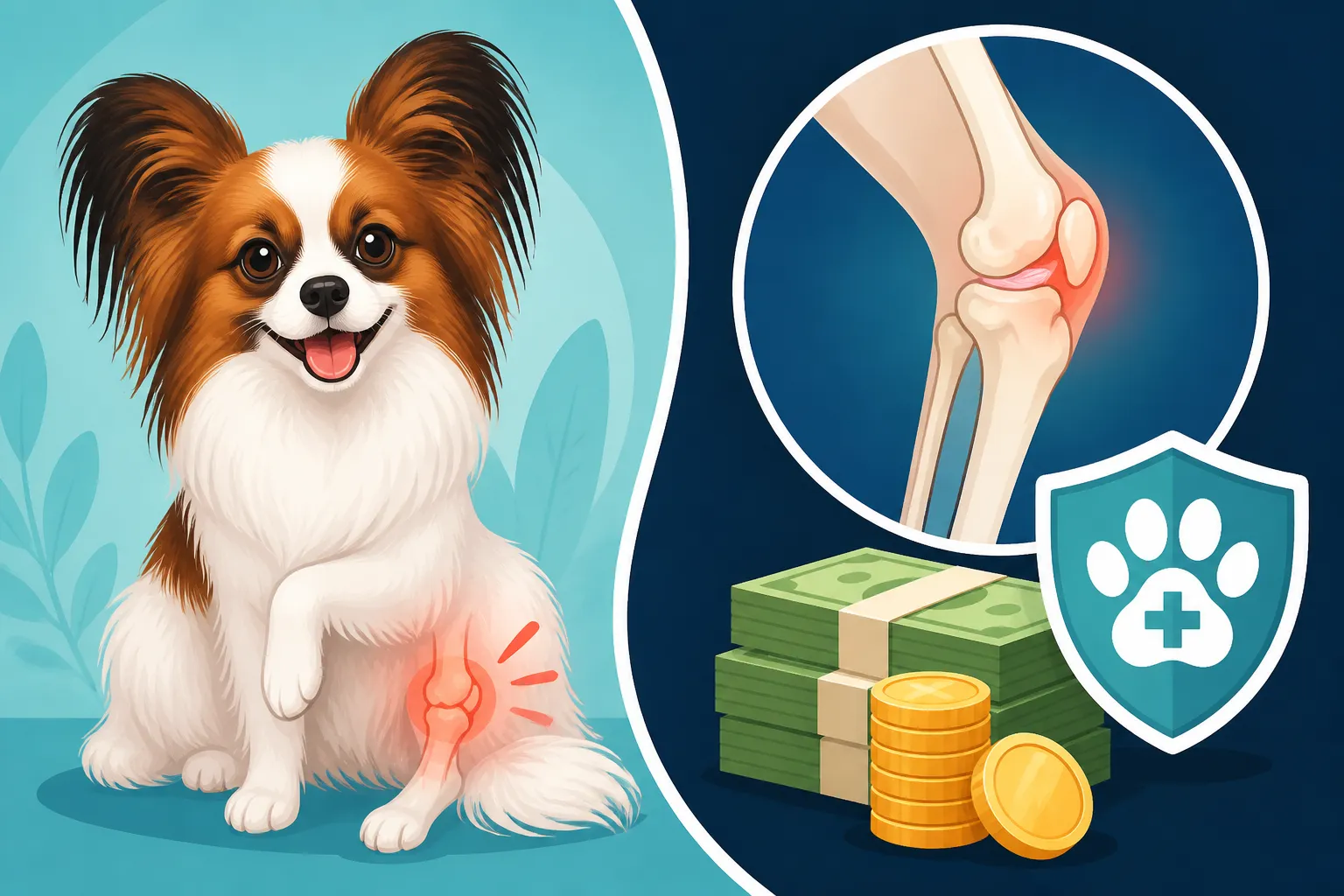
First, let's get a clear picture of what a Grade Two patellar luxation actually means for your Papillon. It's not just a minor slip; it's a condition where the kneecap (patella) can slip out of its groove but usually slips back into place on its own, or with a little manipulation. While it might sound manageable, this repetitive movement causes wear and tear, pain, and eventually can lead to more severe arthritis or a higher-grade luxation if left untreated. Many Papillon owners observe their dog skipping a step occasionally, or holding a back leg up for a few seconds before continuing as if nothing happened. This is a classic sign, and it's your dog telling you something isn't quite right.
A Grade Two diagnosis often warrants careful consideration of surgical intervention. Unlike a Grade One, which might be managed with conservative care, Grade Two indicates a more significant instability that can cause discomfort and progressive damage. The decision to pursue surgery is a deeply personal one, made in consultation with your vet, but knowing the financial implications upfront can help you make an informed choice for your little companion. You might be wondering What Patellar Luxation Does to a Papillon or Signs a Papillon's Kneecap Slips, and these are excellent questions to explore as you consider the path forward.
Components of Surgical Cost for a Papillon's Knee
When you're faced with the prospect of knee surgery for your Papillon, it's not just one big number; it's a sum of many individual services and items. Breaking down these components can help you understand where your money is going and allow you to ask targeted questions to your veterinary team. The exact figures will always vary, often significantly, based on your geographical location, the specific veterinary practice, the surgeon's experience, and the individual needs of your dog.
Pre-Surgical Diagnostics and Consultation
Before any surgery can take place, your vet will need to perform a thorough examination and diagnostic tests to ensure your Papillon is a good candidate for anesthesia and surgery, and to precisely plan the procedure. This typically includes a physical exam, bloodwork, and possibly X-rays.
The initial orthopedic consultation with a specialist can be a separate fee, which is often higher than a general vet visit but invaluable for getting an expert opinion. This is where the specialist will assess the knee, determine the grade of luxation, and discuss surgical options. What a Papillon's Orthopedic Consult Costs can vary, but it's an essential first step. Standard pre-anesthetic bloodwork is crucial, especially for tiny dogs like Papillons, to check organ function and ensure they can safely metabolize anesthetic drugs. This might include a complete blood count (CBC) and a chemistry panel. X-rays are also vital to visualize the bones and joints, assessing the alignment and identifying any secondary changes like arthritis, which will influence the surgical approach. These preliminary steps, while adding to the upfront cost, are non-negotiable for ensuring the safety and success of the surgery.
Anesthesia and Monitoring Fees
Anesthesia for a small dog like a Papillon carries its own set of considerations and, consequently, its own costs. Anesthesia and a Five Pound Papillon are more sensitive to anesthetic agents than larger breeds, requiring precise dosing and constant, vigilant monitoring throughout the procedure.
The fees for anesthesia typically cover the anesthetic drugs themselves, the time a dedicated veterinary technician spends monitoring your dog's vital signs (heart rate, respiration, blood pressure, oxygen saturation, temperature), and the specialized equipment used for this monitoring. Some clinics might also include intravenous (IV) fluids to maintain hydration and blood pressure during surgery, and pain medication administered during the procedure. The expertise of the veterinary staff in safely anesthetizing and recovering a small dog is a significant part of this cost. It’s not just about putting them to sleep; it’s about keeping them stable and safe through the entire process, which is often why it’s a substantial portion of the overall bill.
The Surgical Procedure Itself
This is often the largest single component of the total cost, encompassing the surgeon's fees, operating room use, and all the supplies needed during the surgery. For a Grade Two patellar luxation, the surgical procedure typically involves several steps to stabilize the kneecap.
The surgeon will usually deepen the trochlear groove (the femoral groove where the kneecap sits) so the patella has a more secure track. This might involve a block recession or wedge recession technique. Additionally, the surgeon may need to move the tibial crest (the bony prominence on the shin bone where the patellar ligament attaches) to correct the alignment of the patella. This is called a tibial tuberosity transposition. Finally, the soft tissues surrounding the kneecap might be tightened or released to further stabilize it. Each of these steps requires specialized instruments and a highly skilled orthopedic surgeon. The complexity of the case, even within Grade Two, can influence the duration of the surgery and thus the overall cost. The cost reflects not only the time spent in surgery but also the years of training and experience the surgeon brings to the table.
Post-Operative Hospitalization and Medications
After surgery, your Papillon will need a period of recovery and observation at the veterinary clinic. This post-operative hospitalization ensures they wake up safely from anesthesia, their pain is managed effectively, and any immediate complications are addressed.
During this time, your dog will likely receive injectable pain medication, anti-inflammatories, and possibly antibiotics. They'll be kept warm and comfortable, and their incision site will be monitored for swelling or discharge. The cost of hospitalization usually covers the overnight stay, nursing care, and any medications administered during that period. When you eventually take your Papillon home, you'll also be sent with oral pain medication and anti-inflammatory drugs for the coming weeks, and potentially antibiotics. These take-home medications are a critical part of ensuring your dog's comfort and proper healing, and their cost will be added to your bill. Understanding How a Papillon Recovers From Knee Surgery will highlight why careful pain management is so important in those first days and weeks.
Post-Operative Care and Hidden Costs
The immediate surgery might be over, but the journey to full recovery for your Papillon has just begun. There are several crucial post-operative care steps and "hidden" costs that you need to factor into your budget. Overlooking these can not only impact your wallet but also your dog's ultimate healing outcome.
Rehabilitation and Follow-Up Appointments
Physical rehabilitation is absolutely critical for a successful recovery from patellar luxation surgery. Just like humans, dogs need targeted exercises to regain strength, flexibility, and proper gait.
Your vet or a certified canine rehabilitation therapist will likely prescribe a regimen of exercises that you can do at home, and they may recommend professional sessions. These sessions can include hydrotherapy (underwater treadmill), therapeutic exercises, massage, and laser therapy. While these can add a significant cost, they dramatically improve recovery time and reduce the risk of re-injury. The number of sessions required will vary, but consistent participation is key. Beyond rehab, your Papillon will need several follow-up appointments with your surgeon. These typically involve checking the incision, assessing joint mobility, and possibly taking follow-up X-rays to ensure the bones are healing correctly. These appointments are essential for tracking progress and making any necessary adjustments to the recovery plan.
Special Equipment and Home Modifications
Creating a safe and supportive environment for your recovering Papillon is paramount. This often means investing in some specialized equipment or making minor modifications around your home.
Your Papillon will need a quiet, confined space to recover, which might mean a crate or a playpen if they don't already have one. Slippery floors, like hardwood or tile, can be a major hazard for a dog recovering from knee surgery, as a slip could re-injure the joint. You might need to purchase non-slip rugs or runners for high-traffic areas. Whether Ramps Help a Papillon's Knees is a good question to consider even before surgery, but it becomes even more vital during recovery. Ramps or steps can prevent your dog from jumping on and off furniture, which is strictly forbidden during the initial recovery period. A comfortable, orthopedic bed can also make a huge difference in their comfort. While these might seem like small purchases individually, they can add up, especially if you're buying multiple items. Brands like Chewy often carry a wide range of these recovery aids, from orthopedic beds to ramps, making it easier to find everything you need in one place.
Managing Expectations for Bilateral Surgery
It's a tough pill to swallow, but patellar luxation is often hereditary, and if one knee is affected, there's a significant chance the other knee might develop the same issue, or already has it to a lesser degree. This is a common concern among Papillon owners, and a realistic consideration for long-term budgeting.
While your vet will focus on the most problematic knee first, they will also examine the other knee during the initial consultation. If both knees are luxating, you might be facing the prospect of two separate surgeries, typically several months apart to allow for full recovery of the first knee. This essentially doubles the surgical costs, though sometimes clinics offer a slight discount for the second surgery if it's done within a certain timeframe. It's important to discuss this possibility with your vet from the outset, so you aren't caught off guard emotionally or financially. Understanding Whether a Papillon Needs Both Knees Done is a crucial part of preparing for the full scope of treatment.
Managing the Financial Impact of Knee Surgery
Facing the cost of knee surgery for your Papillon can feel overwhelming, but there are strategies and resources available to help you manage the financial burden. Being proactive and exploring your options can make a significant difference.
The Role of Pet Insurance
Pet insurance can be a lifesaver when unexpected veterinary bills arise, and it's particularly relevant for conditions like patellar luxation, which can be costly to treat. However, there are crucial details to understand regarding pre-existing conditions.
Most pet insurance policies will not cover conditions that were diagnosed or showed symptoms before your policy's waiting period or enrollment. This means if your Papillon was diagnosed with a luxating patella before you got insurance, or if you wait until symptoms appear, it might be considered a pre-existing condition and therefore excluded from coverage. This is why many experienced owners advocate for insuring puppies early. If you have insurance and the luxation is not a pre-existing condition, it can reimburse a significant portion of your veterinary expenses, potentially saving you thousands. Different providers, like Healthy Paws, offer various plans with different deductibles and reimbursement percentages. It's essential to compare policies and understand what they do and don't cover, especially concerning hereditary or congenital conditions.
Exploring Payment Plans and Financial Aid
If pet insurance isn't an option or doesn't cover the full cost, don't despair. Many veterinary clinics understand the financial strain of major surgeries and offer solutions.
Some clinics have in-house payment plans, allowing you to pay the total cost in installments. Others work with third-party medical credit cards, which offer deferred interest or low-interest financing options for veterinary care. It's always worth asking your vet's office manager about their accepted payment methods and financing partners. Beyond clinic options, there are also various non-profit organizations and charities that offer financial assistance for pet owners who cannot afford emergency or critical veterinary care. While these programs often have specific eligibility requirements and limited funds, they can provide a much-needed lifeline. Don't be afraid to ask your veterinary team for recommendations or resources in your area; they often have a list of local and national organizations that help.
Budgeting for Ongoing Care and Prevention
Even after surgery and recovery, responsible Papillon ownership involves ongoing budgeting for their health. Preventing future issues or managing existing ones can save money and heartache in the long run.
Regular veterinary check-ups are crucial for monitoring your Papillon's overall health and the condition of their knees. Maintaining your dog's ideal weight is particularly important, as extra pounds put undue stress on joints. You can find high-quality, portion-controlled dog food from various brands, including subscription services like Ollie, which can help manage your dog's diet and weight effectively. Discussing appropriate exercise levels and joint supplements with your vet can also be beneficial, as can ensuring you regularly clip your Papillon's nails to maintain proper foot mechanics, which impacts knee health. Being proactive about these smaller, ongoing costs can prevent more expensive problems down the line, contributing to your Papillon's long, happy, and active life. Remember, a Papillon's average lifespan is quite long, so planning for long-term health is crucial.
Expected Cost Range for Grade Two Patellar Luxation Repair
It's truly difficult to give a specific number, as costs fluctuate wildly, but I can certainly provide you with an idea of the range and the factors that influence it. You're typically looking at a significant investment for patellar luxation repair in a Papillon.
Generally, for a Grade Two patellar luxation requiring surgery, the total cost can range from a moderate four-figure sum to a high four-figure sum, with complex cases or those requiring a specialist in a high-cost-of-living area sometimes even pushing towards the lower end of five figures.
Let's look at a breakdown of how different factors influence this:
| Cost Component | Typical Impact on Total Bill | Factors Influencing Cost |
|---|---|---|
| Initial Consult & Diagnostics | Moderate | Veterinarian: General practitioner vs. Board-certified orthopedic specialist. Location: Rural vs. urban veterinary clinics. Tests: Number and type of X-rays, extensive bloodwork vs. basic panel. |
| Anesthesia & Monitoring | Moderate | Clinic Standards: Level of monitoring equipment and dedicated staff (e.g., licensed technician for monitoring). Dog's Health: Any pre-existing conditions increasing anesthetic risk. Duration: Longer surgery means more anesthetic time. Weight: Smaller dogs like Papillons often require more precise and careful anesthesia, sometimes with slightly higher costs. |
| Surgical Procedure | High | Surgeon's Experience: General vet vs. specialist. Surgical Technique: Complexity of the required repairs (e.g., trochlear recession, tibial tuberosity transposition). Geographic Location: Vets in major metropolitan areas often have higher overheads. |
| Hospitalization & Medications | Moderate | Length of Stay: Standard overnight stay vs. longer due to complications or intensive care. Medications: Type and quantity of pain relief, anti-inflammatories, antibiotics. Facility: Higher-end facilities may charge more for post-op care. |
| Post-Operative Rehabilitation | Variable | Number of Sessions: Depends on dog's recovery speed and owner's commitment to home exercises. Type of Rehab: Hydrotherapy, laser therapy, guided exercises. Professional vs. DIY: Costs less if you do most exercises at home with guidance, but professional sessions are often invaluable. |
| Follow-Up Exams & X-rays | Minor to Moderate | Number of Visits: Typically 2-3 follow-ups required. Imaging: If additional X-rays are needed to confirm healing. |
| Home Recovery Supplies | Minor | Existing Supplies: Do you already have a crate, ramps, or non-slip mats? Quality: Basic vs. premium orthopedic beds or specialized ramps. |
The most crucial advice I can give you is to get a detailed, written estimate from your veterinarian that itemizes all these components. Don't be shy about asking questions and seeking clarification. It's your right as a pet owner to understand exactly what you're paying for and why. Sometimes, a specialist consultation might seem like an added expense, but their expertise can prevent complications and lead to a more successful outcome in the long run.
Ultimately, while the cost of repairing a Grade Two knee on a Papillon is substantial, many owners find the relief of their dog's pain and the return to their joyful, active selves to be priceless.
Disclaimer
This article is for general informational purposes only and does not constitute professional advice. Laws, prices and regulations vary by location and change over time. Consult a qualified professional for guidance on your specific situation.