What a Second Papillon Adds to the Bill
Bringing a second Papillon into your home sounds like pure joy, and it absolutely is, but many prospective multi-dog owners underestimate just how much those daily and yearly expenses can expand. It's easy to think a second dog will only add a little extra here and there, but the reality is that while some costs aren't quite double, many certainly are, and the unexpected can hit even harder. This guide is here to walk you through the true financial picture of welcoming another butterfly into your life, helping you prepare for everything from routine care to those sudden, unforeseen bills.
The Initial Investment: More Than Just Double the Puppy Price
When you're thinking about a second Papillon, the first thing that often comes to mind is the purchase price or adoption fee. While it’s true you’ll pay this once per dog, many other initial setup costs also apply to each individual pup, meaning your starting bill is going to be significantly higher than you might have anticipated.
Adoption Fees or Breeder Costs: What to Expect
Whether you're looking for a Papillon puppy from a reputable breeder or hoping to give a rescue dog a second chance, the initial cost is almost always a per-animal expense. A responsible breeder invests a great deal in health testing the parents, providing excellent care for the puppies, and often starting their training, all of which contribute to the price tag. What a Papillon Puppy Costs From a Breeder These breeders are often looking for committed homes, and the price reflects the quality and care involved. Similarly, rescues incur significant costs for veterinary care, spaying/neutering, vaccinations, and sometimes rehabilitation for the dogs they place, and these are recouped through adoption fees. What Adopting a Papillon Costs
You might think you can find a "deal" on a second Papillon, but cutting corners here often leads to much higher veterinary bills down the line. A pup from an untested background could come with a host of health problems that will overshadow any initial savings. It's crucial to seek out a healthy dog, regardless of whether it's your first or second.
Doubling Up on Starter Supplies
Even if you still have some gear from your first Papillon, many essential items simply don't get shared effectively, or you'll need new ones for size and comfort. For instance, a crate is a personal space, and each dog really needs their own. What a Crate for a Papillon Costs This isn't just about sleeping; it's about having a safe den, especially during initial training or when you need to separate them. You'll likely need another comfy bed or two, because while they might cuddle, they also appreciate their own spots.
Then there's the array of feeding supplies. Even if your dogs are similar in size, two separate food and water bowls prevent squabbling and allow you to monitor individual consumption. Don't forget leashes, collars, and harnesses – one for each dog, naturally! These small items add up, and while you might reuse some toys, having a fresh batch helps distribute attention and reduce competition. Potty pads, grooming tools, and initial training treats also become necessary for the new arrival.
Ongoing Daily and Monthly Expenses: The Incremental Increase
Once you've covered the initial outlay, the day-to-day and month-to-month expenses for a second Papillon begin to really shift your budget. It’s not always a perfect doubling, but it’s definitely a substantial increase in most categories.
Food Bills: More Mouths to Feed
This is perhaps the most obvious increase. Twice the dogs generally means twice the food. While you might find slight economies of scale by buying larger bags of kibble or bigger batches of fresh food, the fundamental volume of food needed goes up proportionally. If your first Papillon eats a specific premium kibble, your second will likely need the same, especially if they have similar dietary needs or sensitivities.
Consider brands like Ollie if you're leaning towards fresh, human-grade food; their portion plans would naturally increase with a second dog. For traditional kibble or other supplies, online retailers like Chewy often offer bulk discounts or subscription services that can make managing two hungry Papillons a bit more economical on a per-pound basis, but your overall spend will still be higher. Remember that Papillons, despite their small size, are often active and have good appetites. How Many Cups a Day an Adult Papillon Eats
Routine Veterinary Care: Each Dog Needs Its Own Appointments
Every Papillon, whether it's your first or your fifth, needs its own annual wellness exams, vaccinations, and parasite prevention. What a Papillon's Yearly Vet Visit Costs These aren't shared costs; they are individual patient services. You'll be scheduling two annual check-ups, purchasing two sets of heartworm medication, and two doses of flea and tick prevention. What a Papillon's Heartworm Prevention Runs
Beyond the basics, think about dental care, which is particularly crucial for Papillons due to their small jaws and propensity for dental disease. The Teeth in a Papillon's Small Jaw If both dogs require annual cleanings under anesthesia, that's two separate procedures, two sets of pre-anesthetic bloodwork, and two recovery periods. These regular health maintenance costs can become a significant line item in your budget when you have two small companions to care for.
Grooming and Maintenance: Double the Brushing, Double the Tools?
A Papillon's beautiful, silky coat is often cited as being relatively low maintenance compared to other long-haired breeds, but it still requires regular attention. How Often a Papillon Needs Brushing With a second Papillon, the time commitment for brushing definitely doubles, even if you can reuse your favorite pin brush or comb. You'll go through shampoo and conditioner twice as fast, and you might need extra towels for bath time.
While some tools, like clippers for nail trims or ear cleaning solution, can be shared, the labor involved is individual. Each dog needs its nails trimmed, its ears checked, and its feathering combed out to prevent mats. If you rely on a professional groomer, their services are, of course, priced per dog. It’s not just the cost of products; it's the added time you need to dedicate to keeping both of your Papillons looking and feeling their best.
Unexpected and Long-Term Costs: The Real Financial Stretch
While the routine costs are predictable, it's often the unexpected and long-term expenses that truly highlight the financial implications of a second Papillon. The chances of something happening inevitably increase when you have more pets.
Veterinary Emergencies and Health Issues: The Risk Multiplies
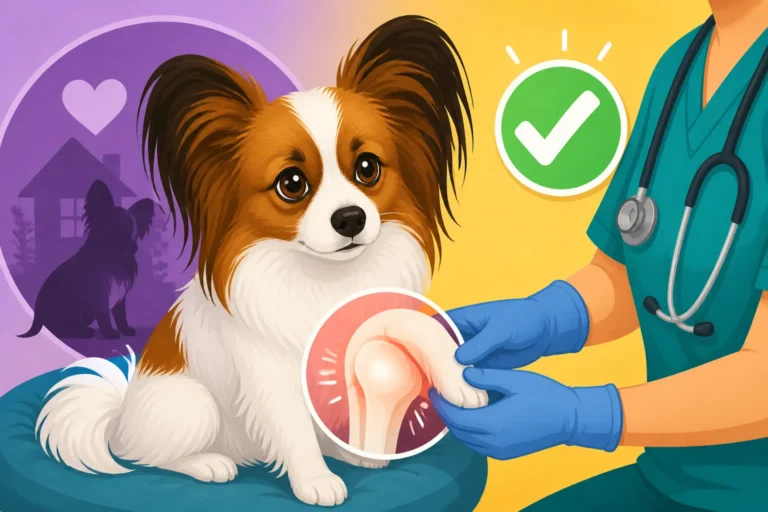
This is where having a second dog can really make you feel the pinch. The probability of one of your dogs needing emergency veterinary care, or developing a chronic condition, inherently rises when you have two. Papillons are generally a healthy breed, but they are prone to certain issues such as patellar luxation, a slipping kneecap that often requires surgery. Patellar Luxation Is the Papillon Problem You Will Actually Meet Imagine one of your dogs needing this costly surgery, then a few years later, the second one also develops a severe luxation.
Other potential issues, like progressive retinal atrophy or even unexpected accidents, can lead to substantial veterinary bills. This is precisely why many multi-pet households consider pet insurance. Providers like Healthy Paws can offer a safety net, helping to cover a significant portion of unexpected illness or accident costs for each insured pet. While the premium for two dogs will be more than for one, it can provide immense peace of mind, preventing you from facing heartbreaking financial decisions during a crisis. What Insurance Covers on a Papillon
Training and Socialization: Twice the Effort, Potentially Twice the Cost
Bringing a new puppy or even an adult rescue into a home with an existing dog often requires careful training and socialization for both animals. Your new Papillon will need its own puppy classes to learn basic manners and appropriate social skills. What Puppy Class Costs for a Papillon Even if your first Papillon is a seasoned pro, they might need some refresher training or even specific guidance on how to adjust to a new housemate.
Sometimes, introducing a new dog can uncover behavioral quirks in your existing dog that weren't apparent before, or the new dog might come with its own challenges. This could mean individual training sessions, or even needing to consult a professional behaviorist, which are always per-dog services. The goal is to ensure both Papillons are well-adjusted, happy members of the family, and that sometimes requires significant time and financial investment in training for each dog.
Pet Sitting, Boarding, and Travel: Logistical and Financial Challenges
Leaving one small dog behind when you travel can be tricky enough; finding care for two Papillons can be even more complex and expensive. Pet sitters often charge per animal, or have a higher rate for multiple pets. Boarding kennels certainly do, and you might prefer a facility that can accommodate both dogs together for comfort, which could come at a premium.
When you factor in travel itself, having a second Papillon often means more considerations. If they travel with you, you might need two separate carriers for air travel, or a larger, safer setup in the car. Traveling With a Papillon Road trips mean double the potty breaks and double the supplies to pack. The logistical challenge often translates directly into higher costs, whether it's for professional care while you're away or the added amenities for them to join you.
The Lifetime Cost: What Two Papillons Truly Add Up To
Looking at the big picture, the lifetime cost of a second Papillon is undeniably a significant financial commitment. While the joy and companionship they bring are immeasurable, it's vital to enter into multi-dog ownership with a clear understanding of the financial responsibilities.
Beyond the Math: The Value of a Companion
It’s easy to get caught up in the numbers, but let’s be real – the bond you share with a Papillon, and the unique dynamic of a multi-dog household, is truly special. Papillons are known for their intelligence, eagerness to please, and often, their confident, yet affectionate personalities. Having two often means they entertain each other, provide companionship to one another, and fill your home with twice the love and laughter. Many Papillon owners find that the presence of a second dog enhances the life of the first, providing a constant playmate and confidante. Why Papillon Owners End Up With Two While the costs are real, the emotional returns are priceless for those who cherish their canine family members.
Budgeting for Two: Practical Steps
To manage the costs effectively, practical budgeting is key. Start by creating a detailed list of all current expenses for your first Papillon and then realistically estimate the increase for a second. Consider setting aside an emergency fund specifically for veterinary surprises, as this can be a lifesaver. Exploring pet insurance options early on for both dogs is also a smart move, especially for a breed like the Papillon that can be prone to certain orthopedic or dental issues.
Look for ways to save where sensible, such as buying food in bulk from a trusted online supplier like Chewy or learning to do some basic grooming at home to reduce salon visits. Be prepared for potential health issues that can increase with age for both dogs. What an Aging Papillon Costs a Year Ultimately, preparing financially allows you to enjoy the unparalleled companionship of two wonderful Papillons without constant worry about unexpected expenses.
Here's a breakdown of how common costs might increase with a second Papillon:
| Cost Category | Single Papillon (Approx. Monthly) | Second Papillon (Approx. Additional Monthly) | Notes |
|---|---|---|---|
| Food | Varies by diet type | ~75-90% of original food cost | May get slight bulk discounts, but consumption nearly doubles. (e.g., Ollie subscription will increase) |
| Routine Vet Care | $20 – $40 | $20 – $40 | Wellness exams, vaccinations, flea/heartworm are per-dog. |
| Pet Insurance | $25 – $50 | $20 – $45 | Premiums vary by age, location, and coverage, but each dog needs its own policy (e.g., Healthy Paws). |
| Grooming (Pro/DIY) | $10 – $30 | $5 – $25 | Time and product usage increase; professional grooming is usually per-dog. |
| Toys/Chews | $5 – $15 | $5 – $10 | You'll want some new items for the new dog, plus more to share. |
| Training (Classes/Treats) | $0 – $50+ | $0 – $50+ | Varies greatly. Puppy classes are essential for each, and advanced training costs are per-dog. |
| Pet Sitting/Boarding | $20 – $50 | $15 – $40 | Often a per-dog charge, or higher rates for multiple pets. |
| Estimated Total Add. | N/A | $65 – $240+ | This does not include initial adoption/purchase fees or one-time setup costs like crates, beds, etc. |
This table provides a general idea, but actual costs will always vary based on your location, your chosen products, your veterinarian's fees, and the specific needs of your individual dogs.
Disclaimer
This article is for general informational purposes only and does not constitute professional advice. Laws, prices and regulations vary by location and change over time. Consult a qualified professional for guidance on your specific situation.