Whether a Papillon’s Knees Limit Agility
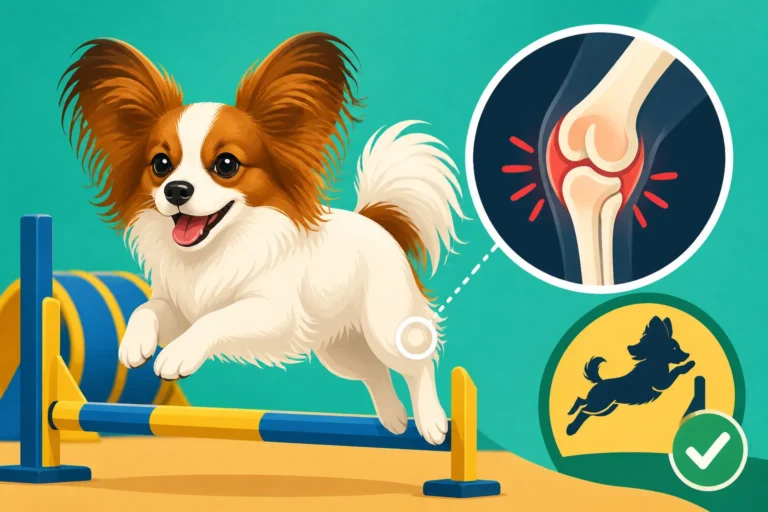
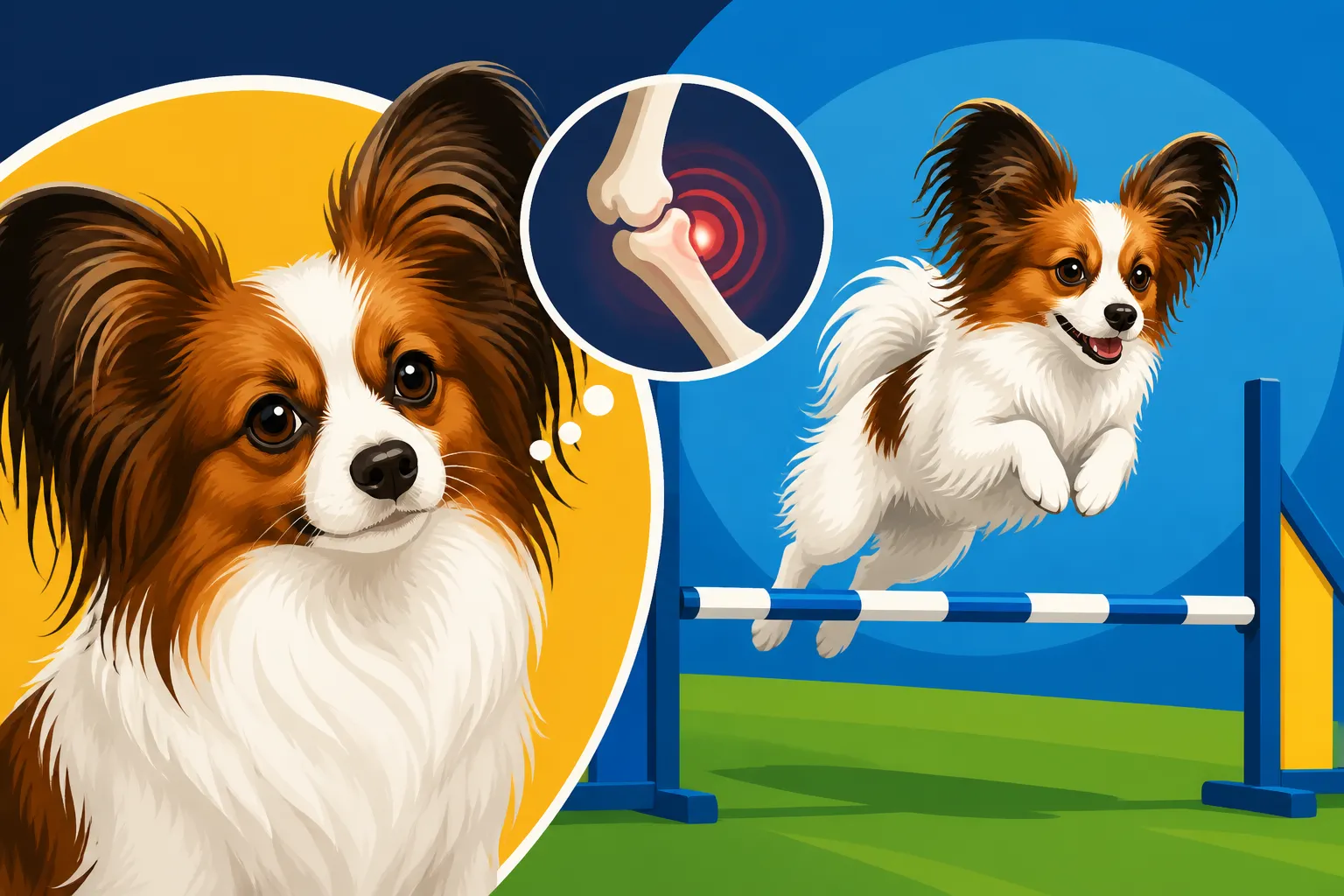
One of the most common anxieties for Papillon owners considering agility training is the well-known predisposition of the breed to patellar luxation. It’s a genuine concern, and the thought of putting those delicate knees under stress can feel daunting. This guide is here to walk you through understanding patellar luxation, how it might impact an agility career, and how to make informed decisions to keep your spirited Papillon safe and happy in the sport they often adore.
Understanding Papillon Knees and Patellar Luxation
Papillons, like many toy breeds, are known for their vivacious personalities and seemingly boundless energy. They love to run, jump, and play with an enthusiasm that belies their small stature. However, this same small size can unfortunately come with certain orthopedic vulnerabilities, particularly concerning their kneecaps. Understanding these potential issues is the first step in responsible ownership and sport participation.
What Patellar Luxation Actually Is
Patellar luxation is a condition where the kneecap (patella) dislocates or slips out of its normal groove in the thigh bone (femur). Imagine a train running on a track; the kneecap is the train, and the femoral groove is its track. When the train jumps the track, that's luxation. It can slip either to the inside (medial luxation, which is far more common in toy breeds) or to the outside (lateral luxation). This slipping can range from occasional and mild to frequent and severe, causing pain, lameness, and potentially leading to more serious issues like arthritis or cruciate ligament tears over time. It’s not just a fleeting skip in their step; it's a structural issue that warrants attention. You might be interested in reading What Patellar Luxation Does to a Papillon for a deeper dive into the mechanics.
The reason this happens is often multifaceted. Sometimes, the groove in the femur isn't deep enough, allowing the kneecap to easily pop out. Other times, the ligaments and muscles around the knee are misaligned or too lax, failing to hold the kneecap firmly in place. It's largely considered a genetic condition, passed down through breeding lines, which is why reputable breeders prioritize health testing. This genetic component means that even seemingly sound puppies can develop the condition later, or carry the genes to pass it on.
How Common Patellar Luxation Is in Papillons
When you start researching Papillon health, patellar luxation inevitably comes up quickly. It's not an isolated incident; it's genuinely one of the more prevalent orthopedic issues in the breed. While it's difficult to get an exact, universally accepted statistic, studies and veterinary observations consistently show that toy breeds, including Papillons, have a significantly higher incidence rate compared to larger dogs. This isn't meant to cause alarm, but rather to underscore the importance of vigilance and proactive care. Many Papillons live full, active lives with mild luxation, while others require intervention.
The concern for agility participants stems from the repetitive stress and high-impact movements involved in the sport. Jumping, weaving, sharp turns, and quick stops all place considerable strain on the knees. A dog with even a mild predisposition to luxation could potentially exacerbate the condition or experience discomfort. It’s a balancing act: allowing your Papillon to engage in an activity they love while mitigating the risks associated with their breed's structural realities. Understanding How Common Patellar Luxation Is in Papillons further highlights why this conversation is so important.
Assessing Your Papillon's Knees for Agility
Before you even think about signing up for that first agility class, a thorough assessment of your Papillon's joint health is absolutely paramount. It’s not a step to skip, especially with a breed known for knee issues. This isn't about being overly cautious; it's about being a responsible guardian and ensuring your dog's long-term well-being.
Grades of Patellar Luxation and What They Mean
Patellar luxation is typically graded on a scale from 0 to 4 by veterinarians, with each grade indicating the severity of the condition. This grading system provides a standardized way to understand what's happening with your dog's knees and helps guide decisions about activity levels and potential treatments.
- Grade 0: This is the ideal scenario – the kneecap is stable and never luxates. These dogs are generally considered sound for strenuous activities like agility, assuming all other health checks are clear.
- Grade 1: The kneecap can be manually luxated (moved out of place by a vet) but immediately returns to its normal position. Your dog might occasionally skip a step, but often shows no consistent signs of lameness or pain. For dogs with Grade 1, a careful discussion with your vet about agility is essential, focusing on conditioning and monitoring.
- Grade 2: The kneecap spontaneously luxates occasionally, meaning it slips out on its own, and may remain luxated for a short period before returning to its groove. You'll likely see a more noticeable skip or limp, especially during exercise. Dogs with Grade 2 patellar luxation generally require significant consideration and potentially modification if agility is pursued, and some vets may advise against it. Which Grade of Luxation Needs Fixing in a Papillon delves into this in more detail.
- Grade 3: The kneecap is luxated most of the time but can be manually returned to the groove. The dog will likely have a persistent lameness or crouched gait. Agility is typically not recommended for dogs with Grade 3 luxation, as it could cause significant pain and further damage.
- Grade 4: This is the most severe grade, where the kneecap is permanently luxated and cannot be manually returned to its normal position. The dog will experience severe lameness and may be unable to extend its knee. Agility is completely contraindicated, and surgical intervention is usually necessary to improve quality of life.
| Luxation Grade | Description | Agility Suitability (General) | Notes for Owners |
|---|---|---|---|
| Grade 0 | No luxation, stable kneecap | High | Ideal; regular vet checks and conditioning still vital |
| Grade 1 | Manual luxation possible, returns immediately | Moderate-Low | Vet consultation crucial; careful conditioning, monitoring |
| Grade 2 | Spontaneous luxation, sometimes stays out briefly | Very Low (often not recommended) | High risk of pain/injury; usually requires modification or alternative sports |
| Grade 3 | Luxated most of the time, can be manually reduced | None | Agility contraindicated; focus on quality of life, vet care |
| Grade 4 | Permanently luxated, cannot be reduced | None | Agility contraindicated; typically requires surgery |
The Importance of Veterinary Evaluation
Before any serious thought is given to agility, your Papillon needs a thorough orthopedic examination by a veterinarian. This isn't just a quick peek; it's a careful palpation of the knees to assess stability, feel for any slipping, and determine the grade of any luxation present. Some vets may even recommend X-rays to get a clearer picture of the bone structure and joint health, especially if there's any uncertainty or if the dog is showing symptoms.
A comprehensive vet check helps you understand your specific dog's risk profile. Even if your Papillon shows no outward signs of knee trouble, a vet might detect a Grade 1 luxation that could be exacerbated by the demands of agility. This assessment should ideally be done by a vet experienced with toy breed orthopedics or a board-certified veterinary orthopedic specialist. They can provide an honest assessment of whether your Papillon's knees are structurally sound enough for the repetitive stress of agility or if it might lead to problems down the line. This expert advice is invaluable for making an informed decision about your Papillon's future in the sport.
Preparing a Papillon for Agility: Beyond Just Knees
Even if your Papillon has perfect knees (Grade 0, bless them!), agility isn't just about physical soundness. It's a demanding sport that requires a strong foundation in physical conditioning, mental readiness, and overall good health. For a Papillon, whose enthusiasm often outstrips their physical resilience, building this comprehensive foundation is even more critical.
Building a Strong Foundation
Agility is a high-impact sport, and you wouldn't send an untrained athlete to the Olympics, right? The same principle applies to your Papillon. Before they even touch a jump or a weave pole, they need excellent core strength, body awareness, and a good level of general fitness. This isn't just about being able to run; it's about being able to control their body in motion, land safely, and make quick, precise movements.
Start with exercises that build muscle tone and proprioception (the sense of where their body parts are in space). Controlled walking, trotting on varied surfaces, and simple balance exercises can be hugely beneficial. Introduce low-impact activities like walking over cavaletti (ground poles) to improve coordination and build hind-end strength without stressing joints. Core strength can be developed through gentle stretches and play that encourages natural movements like bowing or reaching. A strong core supports the entire body, including those vulnerable knees. Consider using an online platform like BAXTER & Bella to access structured puppy and foundational training programs that often include body awareness exercises, preparing your dog for more advanced physical demands.
Moreover, obedience training is a non-negotiable prerequisite. An agility dog needs to be highly responsive to cues, capable of working off-leash, and have solid recall. "Stay," "come," and "wait" are not just commands; they are safety nets that allow you to guide your dog precisely on a course and prevent them from making unsafe maneuvers. A well-trained Papillon is a safer agility Papillon.
Nutritional Support and Weight Management
What your Papillon eats and how much they weigh can have a profound impact on their joint health and overall ability to handle agility. Every extra ounce puts more strain on those tiny knees, amplifying any existing predisposition to luxation. Maintaining a lean, athletic body condition is one of the most proactive steps you can take to protect your Papillon's joints.
Discuss with your vet the ideal weight range for your individual Papillon. Don't just go by the breed standard; assess your dog's body condition score. You should be able to easily feel their ribs without seeing them, and they should have a discernible waist when viewed from above. If your Papillon needs to shed a few pounds, a controlled diet and increased appropriate exercise are key. For guidance on this, you might find Getting Weight Off a Papillon helpful.
Beyond weight, consider their diet. High-quality dog food provides the essential nutrients for strong bones, muscles, and connective tissues. Some owners also opt for joint supplements, especially as their Papillons age or if they have a known mild luxation. These supplements, often containing glucosamine, chondroitin, and MSM, aim to support cartilage health and reduce inflammation. While they aren't a cure-all, they can be part of a comprehensive preventative strategy. You can find a wide range of reputable joint supplements on platforms like Amazon, but always consult your vet before adding any supplements to your dog's diet to ensure they are appropriate and safe. Whether a Papillon Needs Joint Supplements offers more information on this topic.
Modifying Agility Training for Papillons with Patellar Concerns
So, your Papillon has a mild luxation (Grade 1, perhaps) or a clean bill of health but you're still naturally cautious. Does that mean agility is out of the question? Not necessarily, but it does mean a more thoughtful, modified approach to training and competition is essential. The goal is always to maximize fun and engagement while minimizing risk.
Adjusting Jump Heights and Contact Obstacles
The standard jump heights in agility competitions are set based on a dog's height at the shoulder. For Papillons, these heights are already relatively low, but even those can be too much for a dog with a compromised knee. Many organizations offer "preferred" or "veteran" classes with reduced jump heights. Even if your Papillon is young, training at lower heights, or even just ground poles initially, is a smart move.
The most critical aspect is not just the height, but the way your Papillon jumps and lands. Teach them to collect themselves before a jump and to land softly, absorbing the impact evenly. Avoid repetitive, high-impact jumping exercises. Use flat, wide planks as "jumps" instead of actual jump bars to practice the motion without the risk of impact until their muscles are strong. When it comes to contact obstacles (A-frames, dog walks, teeters), focus on slow, controlled climbs and descents. Ensure your Papillon understands and executes contact zone performance perfectly, reducing the chance of them flying off the end or jumping from height, which can stress joints. Ramps instead of dog walks are sometimes available in lower-level or fun classes, offering a less impactful option.
Smart Course Design and Training Practices
Effective course design and thoughtful training practices can make all the difference for a Papillon with knee concerns. Avoid tight turns, sharp angles, and consecutive obstacles that force quick changes in direction, as these put immense rotational stress on the knees. Instead, design courses that flow more openly, using wider turns and allowing for smoother transitions between obstacles.
- Warm-up and Cool-down: Never skip these! A proper warm-up prepares muscles and joints for activity, increasing blood flow and flexibility. A gentle cool-down helps prevent stiffness and aids recovery.
- Surface Selection: Train on forgiving surfaces like grass or rubber matting, rather than hard concrete or asphalt, which offer no shock absorption. Even in competition, be mindful of the arena surface.
- Short, Frequent Sessions: Papillons are intelligent but can get bored. Keep training sessions short, positive, and frequent rather than long and grueling. This also reduces repetitive stress on joints. A five to ten-minute session multiple times a day is far better than one long session.
- Focus on Fun: If your Papillon isn't enjoying it, or shows any signs of discomfort, stop. Agility should be a partnership and a joyful activity. Always be attuned to their body language.
- Consider Alternatives: If traditional agility proves too demanding, explore other dog sports that might be less impactful. Rally obedience, scent work, or trick training can still provide excellent mental stimulation and physical activity without the high-impact demands on the knees. Whether a Papillon Should Do Agility With a Bad Knee expands on this dilemma.
Life Beyond Competition: Maintaining Joint Health for the Agility Papillon
For Papillons who enjoy agility, whether competitively or just for fun, maintaining their joint health is an ongoing commitment that extends far beyond the agility course. It's about creating a lifestyle that supports their physical well-being and allows them to continue enjoying an active life for as long as possible.
Ongoing Veterinary Care and Joint Support
Regular veterinary check-ups are even more critical for an agility Papillon, especially one with a known history of patellar luxation. Your vet can monitor the condition of their knees, assess for any progression, and advise on preventative measures. They might recommend periodic X-rays to check for early signs of arthritis or other joint degeneration. Early detection allows for earlier intervention, potentially slowing the progression of issues.
Beyond routine checks, your vet can discuss specific joint support strategies. This could include targeted nutritional supplements, as mentioned earlier, or even prescription medications if inflammation or pain becomes an issue. Physical therapy or hydrotherapy can also be excellent ways to maintain muscle strength and joint flexibility without high impact. These therapies are often tailored to the individual dog's needs and can make a huge difference in their comfort and mobility. Don't hesitate to seek out a vet who has a special interest in sports medicine or orthopedics; their expertise can be invaluable.
Environmental Modifications at Home
Your home environment plays a significant role in protecting your Papillon's joints, particularly if they have a propensity for patellar luxation. Those quick jumps on and off furniture, or frantic runs across slippery floors, can put undue stress on their knees. Small changes can make a big difference in their daily life.
Consider investing in ramps or steps to allow your Papillon safe access to beds, sofas, or other elevated surfaces they frequent. This eliminates the sudden impact of jumping down, which is often more jarring than jumping up. You can find many options on Amazon, from lightweight plastic ramps to carpeted steps, designed for small dogs. For slick floors like hardwood, tile, or laminate, place runners or area rugs in high-traffic areas to provide traction and reduce slipping. This helps prevent sudden splaying of the legs, which can cause knees to pop out.
Even seemingly minor things like ensuring their nails are kept short can impact their gait and joint health. Long nails force a dog's toes to splay and can alter the angle of their paw on the ground, transmitting unnatural forces up the leg to the knee. Routine nail trims are a simple yet effective preventative measure. Ultimately, creating a knee-friendly home environment is about recognizing the inherent vulnerability of a Papillon's joints and proactively minimizing everyday risks. You might find Whether a Papillon Should Be Stopped From Jumping Off Furniture particularly relevant here.
Deciding if Agility is Right for Your Papillon
Making the final decision about whether agility is the right path for your Papillon, especially with patellar luxation in the picture, is a deeply personal one. It involves weighing enthusiasm against potential risk, and always prioritizing your dog's long-term health and happiness.
Weighing the Risks and Rewards
On one hand, Papillons absolutely love agility. It taps into their intelligence, athleticism, and desire to work closely with their human. It builds confidence, provides immense mental and physical stimulation, and strengthens the bond between you and your dog. The sight of a tiny Papillon flying over jumps with their ears streaming back is pure joy to witness. These are significant rewards.
On the other hand, the risks associated with patellar luxation are real. Even a mild luxation could progress with repetitive strain, leading to pain, chronic arthritis, or even requiring surgery. The cost and recovery associated with knee surgery can be substantial, and the thought of your beloved companion in discomfort is heartbreaking. It’s important to consider not just the short-term thrill, but the potential long-term consequences. This is where an honest conversation with your vet, a realistic assessment of your dog's current knee health, and a commitment to conservative training come into play. Whether Agility Wears Out a Papillon's Knees directly addresses this concern.
Listening to Your Papillon
Ultimately, your Papillon will tell you what they can and cannot do. They are masters at hiding pain, but subtle cues can often reveal discomfort. Watch for changes in gait, reluctance to perform certain obstacles, slower times, stiffness after exercise, or any guarding of a limb. A happy agility dog is eager to get on the course, bright-eyed, and moves fluidly. If you see your Papillon hesitating, showing signs of pain, or losing their characteristic enthusiasm, it's a clear signal to re-evaluate.
It's okay to start agility, and it's also okay to stop or significantly modify it if it's no longer serving your dog's best interests. There are so many other wonderful activities you can enjoy with your intelligent and affectionate Papillon, from trick training to nose work to rally obedience, all of which provide mental and physical enrichment without the high impact on joints. The most important thing is that you and your Papillon enjoy your journey together, whatever path it takes.
Disclaimer
This article is for general informational purposes only and does not constitute professional advice. Laws, prices and regulations vary by location and change over time. Consult a qualified professional for guidance on your specific situation.