How Bold a Papillon Is
One of the most surprising things about living with a Papillon is just how much dog is packed into such a tiny frame. If you're expecting a timid, delicate lap warmer, you're in for a delightful shock. These little dynamos often act as if they're much larger than they are, a trait that can be both endearing and, at times, a bit of a handful. This guide will explore the fascinating boldness of the Papillon, helping you understand where it comes from, how it manifests, and how to gently guide your furry friend towards being a confident, well-adjusted companion rather than an overzealous monarch of the living room.
Understanding the Papillon's Inner Giant
It's a common observation among Papillon owners: these dogs truly believe they are big. They carry themselves with an air of self-importance and fearlessness that can make you forget they weigh less than a gallon of milk. This isn't just a cute quirk; it's a fundamental aspect of their breed temperament that has been cultivated over centuries.
Born with a Napoleon Complex?
Sometimes it feels like our little Papillons were born with a Napoleon complex, marching around the house as if they own the place – which, let's be honest, they usually do. This perceived grandeur isn't just an illusion; it's baked into their history. Unlike many toy breeds bred solely for lap sitting and pampering, Papillons were always active and intelligent companions. They weren't just decorative; they were engaging and often accompanied their noble owners on hunts or other activities. This historical context fostered a breed that isn't afraid to assert itself, to explore, and to stand its ground. They're often described as having the heart of a big dog in a small body, and anyone who's spent time with a Papillon will attest to this.
Why Size Doesn't Matter to a Papillon
To a Papillon, their physical size is merely a suggestion, not a limitation. They don't measure themselves against the Great Dane down the street, but rather against their own boundless energy and courageous spirit. This often means they'll confidently approach situations that might make a larger dog hesitant. Think of them as tiny, furry gladiators, ready to face any challenge from a rogue dust bunny to the mail carrier. This self-assuredness can be a huge asset when you're introducing them to new environments or experiences, as they're less likely to shy away from novelties. However, it also means you, as their human, need to be their protector, ensuring their boldness doesn't lead them into dangerous situations where a larger, less friendly dog might misinterpret their bravado. They definitely have A Papillon Has No Idea It Is Small.
The Big Dog in a Small Package Myth
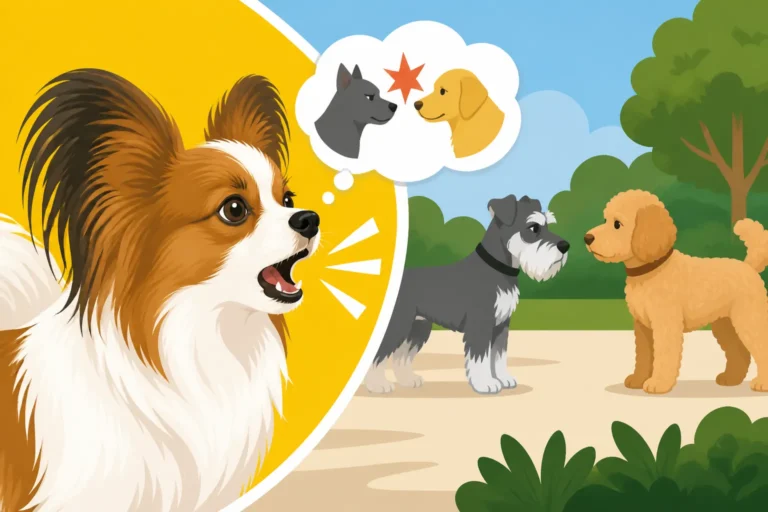
While the phrase "big dog in a small package" perfectly encapsulates the Papillon spirit, it's important to differentiate between genuine courage and what can sometimes be fear-based reactivity masked as boldness. A truly confident Papillon is curious, social, and assertive without being aggressive. They might stand their ground, but they won't typically initiate unprovoked conflict. However, some smaller dogs can develop what's colloquially known as "small dog syndrome," where they bark, lunge, or nip out of fear or insecurity, mistakenly perceived as boldness by onlookers. It's crucial for us to observe our Papillons closely to understand the true motivation behind their "big dog" antics. Are they genuinely fearless explorers, or are they trying to create distance from something that makes them uncomfortable? Understanding this distinction is key to guiding their behavior appropriately and helping them develop into truly brave and stable companions.
Boldness in Everyday Life
The Papillon's inherent boldness isn't reserved for special occasions; it's a constant companion in their daily lives. From guarding the house to navigating new walking routes, their confidence shines through, shaping how they interact with their world.
Courage on the Home Front
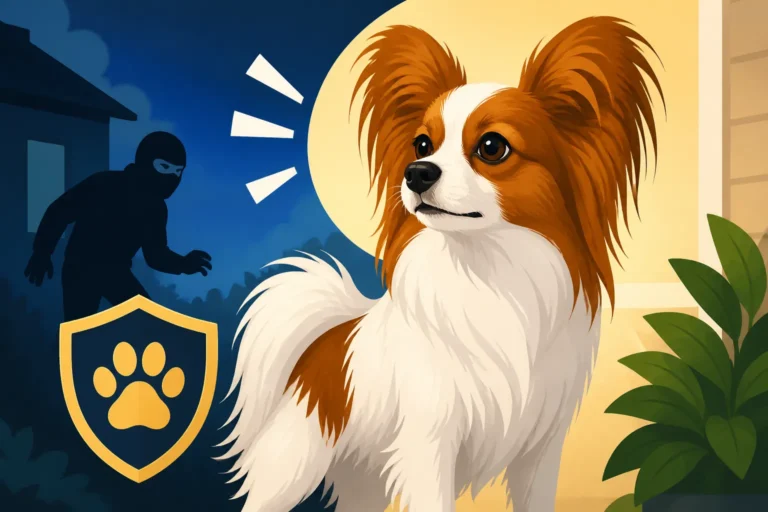
Inside the home, a Papillon’s boldness often translates into them being excellent, albeit vocal, watchdogs. They are incredibly attuned to their environment and will alert you to anything they deem unusual, from a leaf blowing past the window to a squirrel daring to cross the yard. This isn't just barking; it's an announcement, a declaration that they are on duty. This can be fantastic for security, as very little gets past a vigilant Papillon. However, it also means you might need to manage their enthusiasm, especially if you have close neighbors or prefer a quieter household. Their courage also extends to investigating new items in the house – a package delivered to the door, a new piece of furniture, or even a dust bunny under the bed will be approached with intense scrutiny and, usually, a fearless sniff-test.
Exploring the World on Leash
When you take a Papillon out for a walk, you're not just taking a dog for exercise; you're accompanying a miniature explorer on an adventure. Their boldness means they're usually eager to engage with the sights, sounds, and smells of the outside world. They'll pull towards interesting bushes, attempt to greet every person and dog they encounter, and generally approach the walk with gusto. This curiosity is wonderful, but it does require a confident handler. A Papillon that feels its human is hesitant or fearful might become more reactive or, conversely, try to take on the "leader" role itself. Using a comfortable harness, like those found on Amazon that distribute pressure evenly, rather than a collar, can help you maintain control without discomfort, ensuring their exploratory spirit is channeled safely. What a Papillon Does All Day often involves such explorations.
Meeting New Faces
A well-socialized Papillon usually approaches strangers with a charming blend of curiosity and confidence. They aren't typically reserved or shy; instead, they're often keen to make new acquaintances, offering a wagging tail and a happy investigative sniff. Their boldness means they don't see a new human as a threat but as a potential source of attention, treats, or belly rubs. This can make them fantastic therapy dogs or welcome guests in any home. However, it's still important to manage these introductions. Not everyone appreciates a tiny dog launching itself at their feet, even if it's with the best intentions. Teaching them a polite "four on the floor" greeting through positive reinforcement helps them channel their enthusiasm into appropriate behavior. Remember, their small size makes them more vulnerable, so always supervise interactions, especially with excitable children or large, boisterous adults who might accidentally step on them.
The Papillon and Other Dogs: A Question of Size
One of the most frequent questions about Papillons revolves around how they interact with other dogs, especially those significantly larger than themselves. Their boldness truly comes into play here, often defying their diminutive stature.
Interactions with Larger Breeds
This is where the Papillon's "inner giant" truly shines – or sometimes, lands them in hot water. Many Papillons have absolutely no concept of their small size when it comes to interacting with bigger dogs. They'll prance, challenge, and invite play with a fearlessness that can be both admirable and terrifying for their human. They might initiate games of chase with a Labrador, or try to herd a German Shepherd, completely oblivious to the size disparity. While this can be charming and lead to wonderful friendships with tolerant larger dogs, it also carries inherent risks. A Papillon's bold approach might be misinterpreted by a less friendly or dog-socialized large dog, leading to accidental injury. It's crucial for owners to supervise all interactions closely and ensure that any playmates for their Papillon are known to be gentle and respectful of small dogs. How a Papillon Behaves With Large Dogs is something every owner needs to understand.
Dynamics with Dogs Their Own Size
When paired with other small breeds or even other Papillons, their boldness often translates into exuberant, fast-paced play. They're quick, agile, and often possess a mischievous streak, making them fantastic playmates for dogs who can keep up. In a multi-dog household, a Papillon will typically assert itself, often becoming the tiny leader of the pack, even over significantly larger, more placid breeds. They excel at dog sports, and if you have two, you'll see them chase, wrestle, and perform aerial acrobatics with incredible enthusiasm. This is a healthy outlet for their energy and boldness, allowing them to express their natural canine behaviors in a safe and stimulating environment. Just be aware that their play can sometimes escalate, so knowing when to intervene and give them a "timeout" is always a good idea.
The "Little Dog Syndrome" Trap
While Papillons are naturally bold, it's essential to differentiate between genuine confidence and what's often termed "small dog syndrome." This isn't true boldness; it's typically a defensive reaction where a small dog, feeling vulnerable, compensates by barking, growling, or lunging at perceived threats (often larger dogs or strangers). This behavior, while appearing aggressive, is usually rooted in fear and insecurity. A truly confident Papillon doesn't feel the need to constantly prove itself. If you notice your Papillon exhibiting these fear-based "bold" behaviors, it's a signal that they need more positive socialization experiences and perhaps a confidence boost through training. Avoid picking them up every time they seem threatened, as this reinforces their belief that the world is a scary place they can't handle. Instead, work on desensitization and counter-conditioning, helping them learn that new experiences can be positive.
Channelling Papillon Boldness: Training and Socialization
The Papillon's natural boldness is a fantastic foundation for training, but it needs to be shaped and guided. Their intelligence and eagerness to please, combined with their spirited nature, mean they thrive on mental and physical challenges.
Early Experiences Shape a Papillon
From the moment you bring a Papillon puppy home, every interaction, every new sight and sound, contributes to shaping their adult personality. Early, positive socialization is paramount for a bold breed like the Papillon. Exposing them to a wide variety of people, places, sounds, and other well-behaved animals during their critical socialization period (roughly 3-16 weeks) will help them develop into well-adjusted, confident adults rather than fearful or reactive ones. Puppy classes are invaluable for this, providing controlled environments for interaction and learning. Consider a comprehensive online puppy training program, such as those offered by BAXTER & Bella, which can guide you through these crucial early weeks, ensuring your Papillon grows up to be not just bold, but also polite and friendly. These early experiences teach them to trust their environment and their humans. Whether Puppy Class Is Enough for a Papillon is a common question, and for a Papillon, it's often an excellent start to a lifetime of learning.
Consistent Training for Confident Behavior
Papillons are incredibly intelligent – many consider them to be The Papillon Is the Smartest Toy Breed There Is. This means they pick up on cues quickly, but it also means they can just as quickly pick up on your inconsistencies. To channel their boldness effectively, consistent, positive reinforcement training is key. This breed responds beautifully to praise, treats, and play. Short, engaging training sessions will keep their active minds stimulated and reinforce good manners. Teaching them a solid "stay" can prevent them from boldly darting into traffic, while a reliable "come" ensures they return when called, even when their curiosity gets the better of them. Their eagerness to learn means you can teach them a wide array of tricks and commands, which further builds their confidence and strengthens your bond. Remember that How Long a Papillon Will Work in a Session is usually short due to their quick minds, so keep it fun and varied.
Providing Safe Outlets for Their Drive
A bold and intelligent dog like a Papillon needs more than just walks; they need mental stimulation and outlets for their natural drives. Agility is a sport they excel at, allowing them to use their speed, agility, and problem-solving skills in a structured and safe way. Starting a Papillon in Agility can be a fantastic way to harness their energy and boldness. Even if you don't compete, backyard agility equipment, puzzle toys (many available on Amazon), and scent work games can provide hours of enrichment. These activities not only burn off physical energy but also satisfy their intelligent minds, preventing boredom-induced behaviors that can sometimes stem from their undirected boldness. Regularly varying their routine and introducing new challenges will keep them engaged and prevent them from becoming complacent or restless.
When Boldness Becomes a Challenge: Managing Overconfidence
While a Papillon's boldness is largely a positive trait, without proper guidance, it can sometimes tip into behaviors that are less desirable, such as excessive barking or perceived aggression. Understanding these nuances is key to maintaining a harmonious household.
Addressing Excessive Barking
The Papillon's boldness often manifests as a powerful alert bark. They genuinely see themselves as guardians of their home and will loudly announce anything they deem noteworthy. This can include passersby, the mail delivery, or even a leaf skittering across the driveway. While their watchdog instincts are commendable, constant barking can be a nuisance for you and your neighbors. The key is to teach them when it's appropriate to bark and when it's time to be quiet. This involves consistent training on a "quiet" cue, rewarding them for ceasing their barking after a few alerts. Management strategies, like using window film or keeping them away from front windows during peak activity times, can also help. Remember, they're not barking to be annoying; they're barking because their bold nature compels them to protect their territory. Understanding How Much a Papillon Barks is essential for managing it.
Preventing Leash Reactivity
Sometimes, a Papillon's boldness, combined with their small stature, can lead to leash reactivity. They might boldly lunge and bark at other dogs or people while on leash, making walks stressful for everyone involved. This often stems from a combination of feeling vulnerable and a desire to control their immediate environment. Instead of punishing the behavior, which can worsen fear, focus on positive counter-conditioning. When they see a trigger, redirect their attention to you with a tasty treat before they react. Keep distances wide enough so they don't feel overwhelmed. A well-fitting harness offers better control and comfort than a collar, reducing any potential discomfort that might exacerbate reactivity. Consistency and patience are vital here, as you're essentially retraining their emotional response to what they perceive as threats.
Teaching Appropriate Interactions
While a Papillon's boldness can make them seem fearless, it doesn't mean they always know how to interact appropriately with every living creature. They might boldly approach a shy child, not realizing their exuberance could be intimidating, or try to herd a startled cat. It's our responsibility to teach them social etiquette. Supervised interactions, teaching "leave it" and "wait" cues, and consistently rewarding calm, polite behavior are crucial. For instance, teaching them to sit calmly when someone approaches for a greeting rather than jumping up will serve them well. Always advocate for your Papillon, ensuring that people approach them gently and respectfully. Their boldness should be a tool for positive exploration, not an excuse for bad manners or an accidental injury from a clumsy interaction.
A Balanced Approach to Papillon Boldness
Living with a Papillon means appreciating their spunky, confident spirit while also providing the guidance they need to thrive in a big world. Their boldness is one of their most endearing characteristics, making them endlessly entertaining and spirited companions. By understanding the roots of their courage, providing consistent training, and ensuring they have plenty of positive experiences, you can help your Papillon be the best version of their bold, beautiful self.
Disclaimer
This article is for general informational purposes only and does not constitute professional advice. Laws, prices and regulations vary by location and change over time. Consult a qualified professional for guidance on your specific situation.