How Much Exercise a Papillon Needs
Many people mistakenly believe that tiny dogs, like our beloved Papillons, are perfectly content to be carried everywhere or live a sedentary life on the sofa. While they certainly excel at cuddling, the truth is that a Papillon is a vibrant, intelligent, and surprisingly athletic little dog with significant energy needs. This guide will dive deep into exactly how much exercise a Papillon needs, debunking common myths and providing practical advice to ensure your butterfly-eared companion thrives both physically and mentally.
Debunking the Myth: Why Papillons Aren't Just Lapdogs
It's easy to look at a Papillon's delicate frame and assume they're built for nothing more than being pampered. But if you've ever owned one, you know this couldn't be further from the truth! These tiny dynamos pack an incredible amount of energy and brainpower into their small bodies, making them far more active than many larger breeds.
More Than Just Energy: The Papillon's Working Dog Roots
While Papillons are firmly established in the Toy Group today, their ancestors, the dwarf spaniels of European courts, were often valued for their lively companionship and quick wits. They weren't just decorative; they were active participants in court life, often accompanying their noble owners on walks and hunts, albeit for small game or simply as enthusiastic companions. This history hints at an inherent drive that still exists in modern Papillons. They aren't content with just a quick trot around the block. They possess a natural athleticism and an eager-to-please nature that makes them excellent candidates for dog sports and extended adventures. They love to explore, to use their nimble bodies, and to engage with their world beyond the confines of a lap. This historical context helps us understand why What a Papillon Does All Day often involves a lot more activity than you might initially assume.
The "Big Dog" Mentality in a Small Package
One of the most charming and sometimes challenging aspects of a Papillon's personality is their "big dog" mentality. They truly have no idea they are small! This means they'll often approach new situations, other dogs, and even challenges with the confidence and boundless energy of a much larger animal. This spirited outlook translates directly into their need for exercise. They crave activity, not just for physical health, but for mental fulfillment. Imagine a tiny warrior ready for adventure; that's often your Papillon. They love to run, jump, and play with gusto, and denying them this outlet can lead to frustration and boredom. Their small size doesn't diminish their desire for meaningful engagement; it just means we, as their guardians, need to provide appropriate outlets that respect their physical limits while still challenging them.
The Daily Exercise Blueprint for a Healthy Papillon
So, what does this energetic nature mean for their day-to-day exercise? It's more than you might think, but certainly manageable for most active households. The key is to provide a variety of activities that stimulate both their bodies and their minds.
Quality Over Quantity: Structured Walks and Outdoor Adventures
While a Papillon can't go on a grueling five-mile run like a Husky, they absolutely thrive on consistent, engaging walks. We're talking about two to three walks a day, ideally, each lasting between 20-30 minutes. These aren't just potty breaks; these are opportunities for exploration. Let them sniff, investigate new smells, and take in the sights. This mental stimulation is just as important as the physical exertion. Vary your routes to keep things interesting. Explore a new park, walk a different block in your neighborhood, or even try a short, easy hiking trail. The world is a vast, exciting place for a Papillon, and these structured outings allow them to experience it. Remember, a brisk pace that gets their heart rate up is ideal, but always pay attention to their cues and the weather. On warmer days, shorten walks or opt for shaded paths to prevent overheating. How Far a Papillon Should Walk Daily often surprises people, but a well-exercised Papillon is a happy, calm Papillon.
Unstructured Play: The Joy of Off-Leash Romps (Safely!)
Beyond structured walks, Papillons absolutely adore free play. This is where their agility and speed truly shine. If you have a securely fenced yard, allow them time to zoom around, chase toys, and just be a dog. This bursts of high-intensity activity are excellent for their cardiovascular health and muscle tone. However, safety is paramount. Never, ever allow a Papillon off-leash in an unfenced area or a dog park where larger, boisterous dogs might accidentally injure them. Their delicate bones are not designed to withstand rough play with bigger breeds. A good alternative is a securely fenced tennis court or a private dog park rental, if available, where you can control the environment. Indoor games of fetch or tug can also provide excellent exercise, especially on bad weather days. They are incredibly nimble and quick, often showing off their amazing turns and sprints during play.
The Importance of Consistency
Like us, dogs thrive on routine. Consistent exercise not only maintains physical fitness but also helps regulate their energy levels and behavior. Sporadic bursts of activity followed by long periods of inactivity can actually lead to more pent-up energy and frustration. Aim for a daily schedule that incorporates their walks and playtime, even if it's just a quick game of fetch in the living room if you're short on time. This predictability helps them understand what to expect and reduces anxiety. A well-exercised Papillon is less likely to engage in unwanted behaviors like excessive barking or destructive chewing because their physical and mental needs are being met. It’s not about exhausting them, but about providing regular, appropriate outlets for their inherent drive.
Mental Gymnastics: Engaging Your Papillon's Brilliant Mind
Physical exercise is crucial, but for a breed as intelligent as the Papillon, mental stimulation is equally vital. Failing to engage their sharp minds can lead to a bored dog, and a bored Papillon can quickly become a mischievous or anxious one.
Puzzle Toys and Enrichment Activities
Papillons are problem-solvers by nature. They love a challenge! This makes puzzle toys an absolute godsend for mental enrichment. Look for toys that require them to figure out how to get treats or kibble. These can range from simple snuffle mats to more complex interactive feeders where they have to manipulate parts to release food. Amazon offers a fantastic variety of these types of toys, from beginner-friendly options to those that will genuinely challenge a clever Papillon. Rotate these toys regularly to keep them novel and engaging. Beyond puzzles, consider scent work games. Hiding treats around the house and encouraging your Papillon to sniff them out is a wonderful way to tap into their natural instincts and tire them out mentally without much physical exertion. Remember, using their nose is incredibly enriching for dogs.
Training as a Form of Mental Exercise
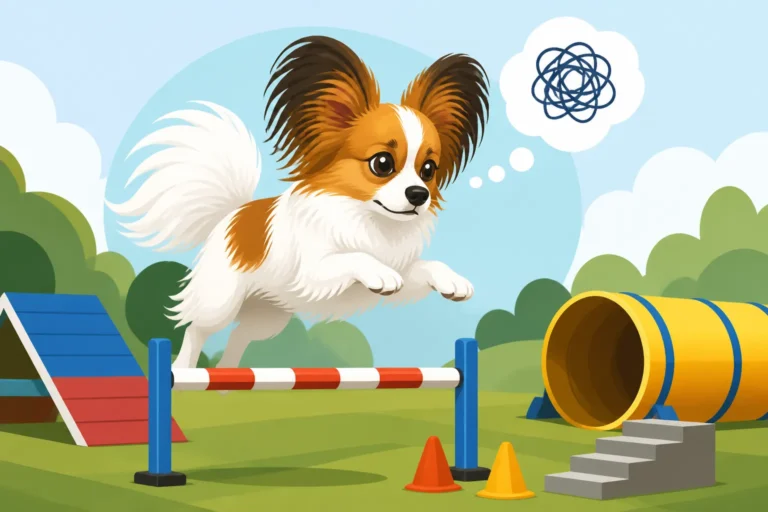
Don't underestimate the power of training as a mental workout. Papillons are renowned for their intelligence and eagerness to learn, often ranking among the smartest of all dog breeds. Short, positive training sessions throughout the day can be incredibly stimulating. Teach them new tricks – "spin," "bow," "weave through legs" – or refine basic obedience commands. Even just five to ten minutes of focused training can exhaust a Papillon's brain as much as a good walk. This breed excels in canine sports like agility, obedience, and rally, not just because they're athletic, but because they love the mental challenge of learning courses and cues. Programs like those offered by BAXTER & Bella provide structured online training that can be done from the comfort of your home, offering a wealth of mental challenges for your Papillon. How Long a Papillon Will Work in a Session is usually quite long for such a small dog, as they genuinely love to learn.
Exploring New Environments
Novelty is a powerful stimulant for a Papillon's mind. Routinely taking them to new places provides a rich tapestry of new sights, sounds, and smells to process. A trip to a pet-friendly store, a quiet park they haven't visited before, or even just a walk down a different street in your neighborhood can be a mental adventure. Each new environment presents a host of sensory information for them to explore and interpret, which can be surprisingly tiring in the best way. This mental stimulation helps keep their brains active and prevents boredom, which in turn reduces the likelihood of undesirable behaviors at home.
Adapting Exercise for Your Papillon's Life Stage and Health
Just like humans, a Papillon's exercise needs change throughout their life. What's appropriate for a rambunctious puppy might be too much for a senior, or vice-versa if a health condition arises. Being mindful of these changes is key to their long-term well-being.
Puppyhood: Building a Foundation Without Overdoing It
Papillon puppies are bundles of boundless energy, but it's crucial not to overdo their physical exercise. Their bones and joints are still developing, and too much strenuous activity, especially high-impact jumping or long runs, can cause damage. Focus on short, frequent play sessions throughout the day rather than long, sustained exercise. Puppy zoomies in a safe, carpeted area are perfectly fine. Short, gentle walks of 10-15 minutes, two or three times a day, are usually sufficient. The most important thing during puppyhood is socialization and exposure to different sights and sounds in a positive way. Mental stimulation through positive reinforcement training is also incredibly beneficial at this stage. Keep an eye on their energy levels; if they start to lag, it's time for a rest. The Age a Papillon Can Start Jumping in agility, for example, is much later than many people assume for good reason.
Senior Papillons: Gentle Movement and Comfort
As Papillons enter their golden years, typically around 10-11 years old, their energy levels will naturally wane. This doesn't mean they stop needing exercise, but the type and intensity will need to change. Shorter, more frequent, and slower-paced walks become the norm. Focus on maintaining flexibility and muscle tone without putting undue strain on aging joints. Swimming, if they enjoy it and it's safe, can be a fantastic low-impact exercise. Puzzle toys and gentle training sessions remain important for mental stimulation. Provide comfortable, easily accessible beds and consider ramps or steps to help them get on and off furniture, which can protect their joints. Caring for an Aging Papillon often involves adjusting their routine to accommodate their changing physical capabilities. Even if they don't seem to have the same zest for life, maintaining some activity is vital for their overall health and happiness.
Addressing Health Concerns: Knees and Other Considerations
Papillons, like many small breeds, can be prone to certain health conditions that directly impact their exercise capacity. Patellar luxation, or slipping kneecaps, is one of the most common. A Papillon with patellar luxation might skip steps, limp, or show discomfort after exercise. If your vet diagnoses this, their exercise routine will need careful management. High-impact activities like jumping or sudden stops and turns, often seen in fetch or agility, might need to be modified or avoided entirely, depending on the grade of luxation. Your vet may recommend strengthening exercises or even surgery. Whether a Papillon's Knees Limit Agility is a critical question for many owners interested in dog sports, and the answer is that it absolutely can.
Other health issues, like heart murmurs or respiratory problems (though less common in Papillons than some other toy breeds), could also necessitate a reduction or alteration in exercise. Always consult your veterinarian if you notice any changes in your Papillon's stamina, gait, or breathing during or after exercise. They can help you devise a safe and appropriate exercise plan that supports their health. For instance, Whether a Papillon Needs a Coat in Winter might become more important for a senior dog or one with a heart condition, as staying warm can help manage their comfort during walks.
Spotting the Signs: Is Your Papillon Getting Enough (or Too Much) Exercise?
Understanding your Papillon's individual needs is crucial. While general guidelines exist, every dog is an individual. Learning to read your dog's cues will tell you if they're well-exercised, under-exercised, or even over-exercised.
When Your Papillon is Underexercised
An underexercised Papillon can be a handful. Their pent-up energy and unfulfilled mental needs often manifest in a variety of undesirable behaviors. You might notice:
- Destructive Chewing: If your Papillon is suddenly chewing on furniture, shoes, or other inappropriate items, it could be a sign of boredom and excess energy. They're looking for an outlet, and if you don't provide a constructive one, they'll find their own.
- Excessive Barking: A bored Papillon can become a very vocal Papillon. They might bark at every little sound, at shadows, or seemingly at nothing at all, simply because they have nothing else to do and are seeking attention or stimulation.
- Zoomies Indoors: While occasional bursts of energy are normal, if your Papillon is constantly tearing around the house, especially after you've just come inside from a short walk, it's a strong indicator they need more outdoor time.
- Nipping or Rough Play: If they're constantly nipping at your heels, jumping on you, or engaging in overly rough play, they might be trying to initiate interaction and burn off energy.
- Restlessness or Anxiety: Anxious pacing, difficulty settling down, or even minor separation anxiety symptoms can sometimes be linked to insufficient physical and mental exercise.
If you're seeing these signs, it's time to re-evaluate your Papillon's daily routine and consider adding more walks, play sessions, or puzzle activities. A happy Papillon is a tired Papillon, but "tired" doesn't mean utterly exhausted; it means content and mentally satisfied.
When Your Papillon is Overexercised
While less common for Papillons due to their size, it is possible to overdo it, especially with puppies or senior dogs, or if they have underlying health issues. Signs of overexertion can include:
- Excessive Panting or Drooling: Beyond what's typical for the activity, especially in cooler weather.
- Lethargy and Lameness: If your Papillon is unusually tired after exercise, struggling to get up, limping, or stiff, they've likely had too much. This is particularly important to watch for with breeds prone to orthopedic issues like patellar luxation.
- Reluctance to Exercise: If a typically enthusiastic dog suddenly seems uninterested in their walk or playtime, they might be sore or simply overtired from previous sessions.
- Changes in Appetite or Thirst: While increased thirst is normal, a sudden lack of appetite or extreme thirst could indicate they've pushed themselves too hard.
If you suspect your Papillon is overexercised, scale back the intensity and duration of their activities. Allow them a day or two of rest, and if symptoms persist, consult your vet immediately. It's a delicate balance to find, especially for such eager little dogs who will often push themselves to keep up with you.
Finding the Right Balance
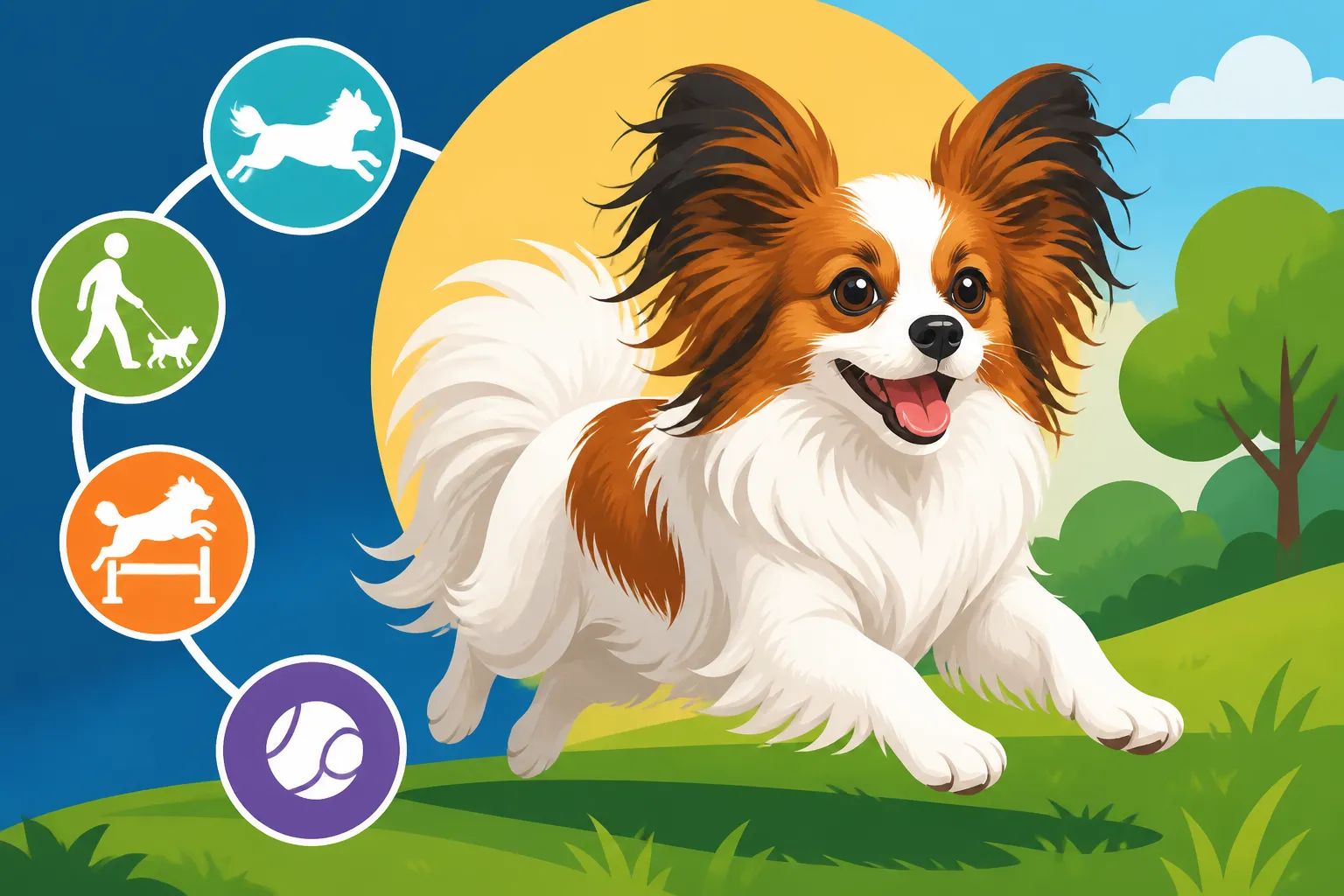
The sweet spot for Papillon exercise involves a combination of structured physical activity, free play, and consistent mental stimulation. Aim for 60-90 minutes of active time daily, broken into multiple sessions. This might look like:
- Morning: A brisk 20-minute walk.
- Mid-day: 15-20 minutes of indoor fetch or a puzzle toy.
- Afternoon/Evening: Another 20-30 minute walk, possibly with some off-leash time in a secure area or a short training session.
Remember to consider the environment. On hot days, stick to early mornings and late evenings. On rainy days, extend indoor playtime and mental games. The goal is to provide consistent, varied opportunities for your Papillon to express their natural exuberance and intelligence without risking injury or burnout. A well-adjusted Papillon is a testament to an owner who understands and meets their unique needs.
| Exercise Type | Recommended Frequency | Key Benefits | Notes |
|---|---|---|---|
| Brisk Walks | 2-3 times daily (20-30 min each) | Cardiovascular health, muscle tone, mental exploration | Vary routes, use a harness, be mindful of weather and paw pads. |
| Free Play (Fenced Area) | Daily (15-30 min) | Energy release, agility, joy of movement | Crucial: Must be securely fenced. Avoid rough play with large dogs. |
| Puzzle Toys | Daily (15-30 min) | Mental stimulation, problem-solving, prevents boredom | Rotate toys, use low-calorie treats or kibble. Amazon has great options. |
| Training Sessions | Daily (10-15 min) | Mental engagement, strengthens bond, builds skills | Positive reinforcement, short and fun. BAXTER & Bella offers structure. |
| Scent Games | Several times a week (10-20 min) | Engages natural instincts, mentally tiring | Hide treats, use a snuffle mat. |
| Short Hikes (Easy Trails) | Weekly/Bi-weekly (30-60 min) | Variety, extensive sensory input, endurance | Choose flat, safe trails; carry water, watch for signs of fatigue. |
This table offers a snapshot, but always remember to observe your individual Papillon. What a Papillon Needs Every Day is a blend of all these elements, tailored to their specific personality and energy level.
Disclaimer
This article is for general informational purposes only and does not constitute professional advice. Laws, prices and regulations vary by location and change over time. Consult a qualified professional for guidance on your specific situation.