How Food Motivated a Papillon Is
It can be incredibly perplexing when you're trying to train or even just feed your sweet Papillon, and they act like food is an optional extra rather than a necessity. Many owners struggle to figure out if their dainty dog is genuinely hungry, just picky, or perhaps too clever for their own good. This guide will delve into the fascinating world of Papillon food motivation, offering insights into their eating habits, how to leverage their appetite for training, and what to do when they seem uninterested in their dinner.
Understanding the Papillon's Relationship with Food
Papillons, with their delicate stature and elegant appearance, often give the impression of being dainty eaters. While some certainly are, it's not a universal trait. Their relationship with food is often a complex mix of their breed's intelligence, their small size, and individual personality quirks. Many new Papillon owners quickly learn that what works for a Labrador doesn't necessarily work for their butterfly-eared companion.
The Stereotype vs. Reality of Toy Breed Eaters
There's a common misconception that all small dogs are voracious eaters, eager for any scrap. While some Papillons certainly fit this mold, many are surprisingly discerning. They aren't always driven by sheer hunger in the same way a larger, more food-motivated breed might be. This can lead to frustration for owners who expect their dog to gobble down meals or work diligently for standard kibble. You might find your Papillon staring at their bowl as if you've insulted them, or delicately picking out the "good bits" from a mixed meal, leaving the rest. This isn't always stubbornness; sometimes, it's just their nature.
It's also worth remembering that because they are so small, their caloric needs are much lower than larger breeds. A few tiny training treats can quickly add up to a significant portion of their daily intake, which can make them less interested in their actual meals. This delicate balance means owners need to be mindful of everything their Papillon consumes, from actual dinner to the crumbs dropped on the floor, because even small amounts can impact their hunger for their main food source. This isn't just about weight management, though that's crucial; it also impacts their perceived food motivation.
The Impact of Papillon Size on Hunger Signals
A Papillon's small size plays a huge role in how they display and experience hunger. For one, their stomach capacity is tiny. What seems like a small meal to us is often perfectly adequate for them. They fill up quickly, and once they're full, they're often done. This means they might only eat a little bit at a time, or graze throughout the day, which can be worrying for owners accustomed to dogs finishing their meals in one sitting. It's a key reason why Why a Papillon Skips Meals and Why It Matters is such a common concern for owners.
Furthermore, their metabolism and energy expenditure are also calibrated for their smaller frames. They don't need the same quantity of fuel as a medium or large dog, even if they are incredibly active. You might see your Papillon perform zoomies around the house with boundless energy, only to turn their nose up at their kibble. This isn't necessarily a sign of illness, but rather a normal physiological response to their small size and relatively low caloric requirements. Understanding this distinction can save a lot of worry and frustration, helping you to adjust your expectations about how much your dog should be eating.
When Food Motivation Is High (and How to Leverage It)
Despite their sometimes picky tendencies, most Papillons can be highly food-motivated under the right circumstances. The key is often finding what truly excites them and using it strategically. Their intelligence means they often understand cause and effect very quickly, making food a powerful tool when used correctly.
Training with High-Value Treats
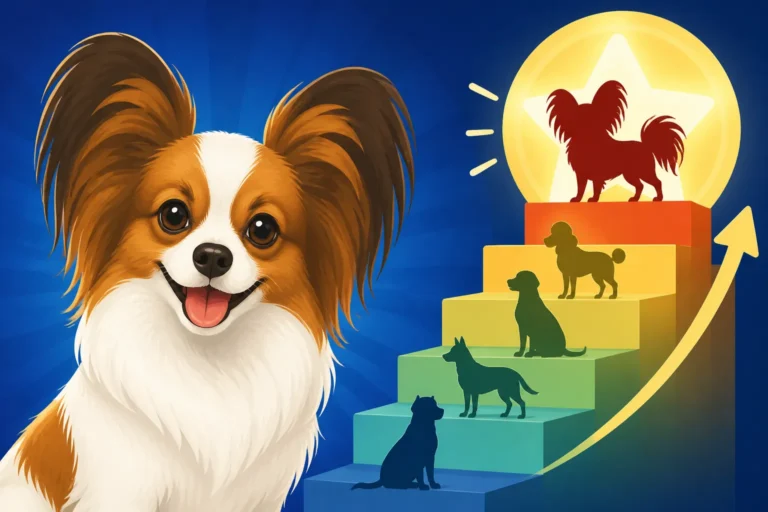
When it comes to training a Papillon, not all food is created equal. Kibble might work in a quiet living room for a basic "sit," but for more complex tasks, or in distracting environments, you'll need to level up your treat game. Papillons are famously smart—they rank very high in canine intelligence rankings—and they learn quickly, but they also get bored if the reward isn't compelling enough. This means you need to offer something truly desirable.
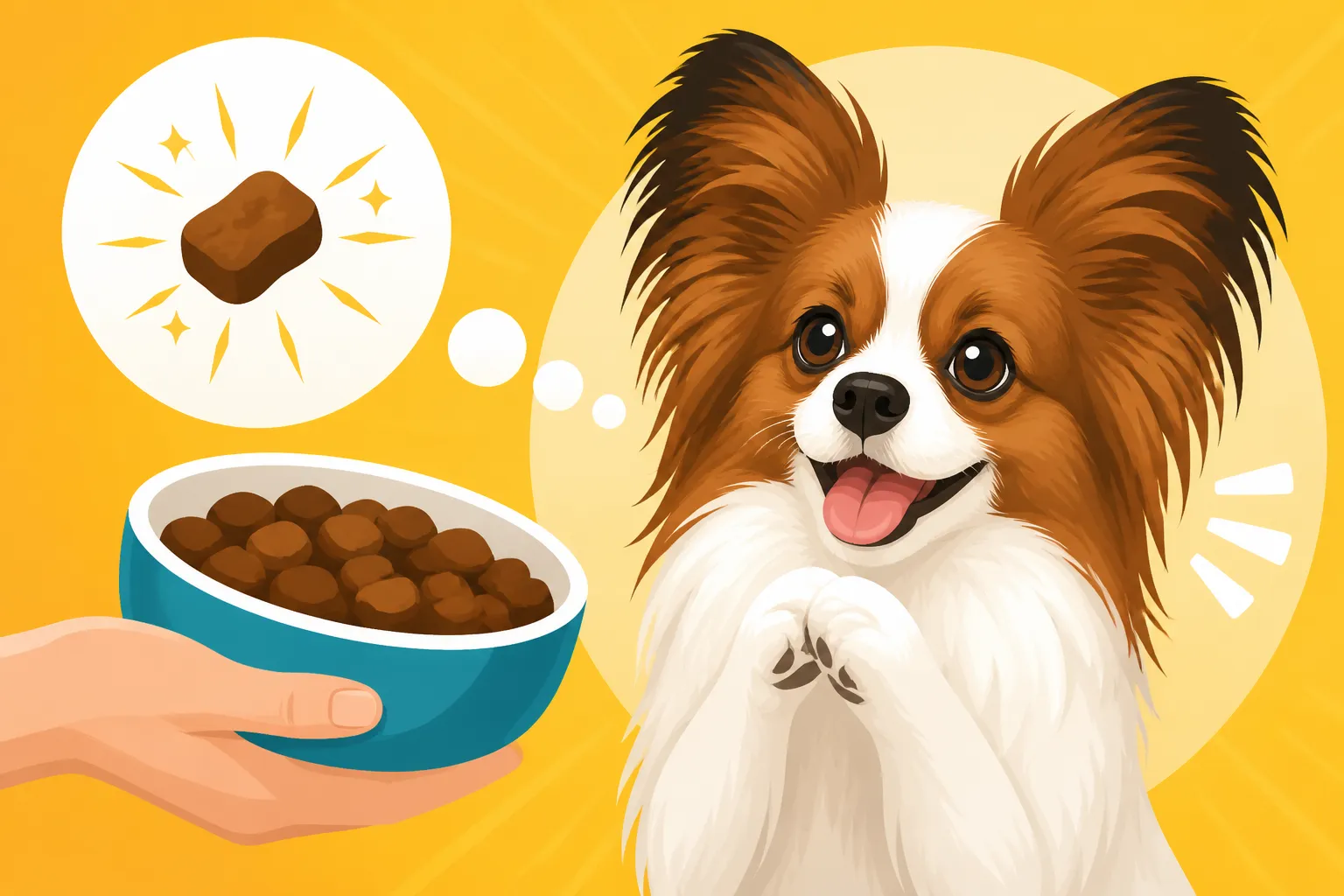
"High-value treats" are those special goodies your Papillon would do almost anything for. Think small pieces of cooked chicken, cheese, hot dogs, or commercial training treats that are soft, smelly, and easy to chew. These aren't just snacks; they're powerful motivators. For instance, when teaching a new trick or working on something challenging, like a complex agility sequence, using these top-tier rewards can make all the difference. Many professional trainers, and even online resources like BAXTER & Bella, will advocate for using a hierarchy of treats, saving the best for the hardest tasks. Experiment to find what makes your particular Papillon's eyes light up! You'll be surprised at how much faster they grasp new concepts when the incentive is irresistible. This is often crucial for answering What Motivates a Papillon effectively.
Using Food Puzzles and Enrichment
Beyond direct training, food can be an incredible tool for mental enrichment and combating boredom in Papillons. These intelligent dogs thrive on mental stimulation, and food puzzles are a fantastic way to provide it. Instead of just putting their meal in a bowl, try putting a portion of it into a puzzle feeder or a snuffle mat. This forces them to "work" for their food, engaging their brains and natural foraging instincts.
A simple Kong toy stuffed with a bit of peanut butter (xylitol-free, of course!) or a special treat can keep your Papillon occupied for a good while, especially if you need them to settle down or when you're leaving them alone for a short period. There are many commercially available puzzle toys on sites like Amazon that range in difficulty, so you can start with something easy and gradually challenge your Papillon more. This not only makes mealtime more engaging but also helps prevent destructive behaviors that can stem from boredom. It's a wonderful way to satisfy their natural drive and make them associate food with fun and accomplishment, rather than just a routine chore.
When Food Motivation Is Low (and How to Navigate It)
It's completely normal to feel concerned when your Papillon isn't enthusiastic about food, especially given their small size. Sometimes, a lack of food motivation is simply a personality trait or a mild pickiness, but other times it can signal underlying issues that need attention. It's about learning to read your specific dog.
Addressing Picky Eating Habits
Many Papillons are notorious picky eaters. They might prefer certain textures, temperatures, or even specific brands of food. One day they love their kibble, the next they turn up their nose. This isn't necessarily a sign of illness; it's often a learned behavior. If you constantly offer alternatives or add tempting toppers every time they refuse a meal, they quickly learn that holding out will get them something better. This is a common pattern addressed in Getting a Picky Papillon to Eat.
To combat this, a consistent feeding schedule is key. Offer their meal for a set amount of time (say, 15-20 minutes), and if they don't eat it, pick it up until the next scheduled meal. No snacks, no toppers, just water. It feels tough, but healthy dogs rarely starve themselves. They will usually eat when they are truly hungry. Of course, always ensure your Papillon is otherwise healthy and not displaying any other concerning symptoms. Sometimes, simply changing the shape or size of their kibble can make a difference, as a Papillon with its small mouth might struggle with larger pieces. Finding Which Kibble a Papillon Can Actually Pick Up can be a surprisingly important factor.
The Role of Health in Appetite
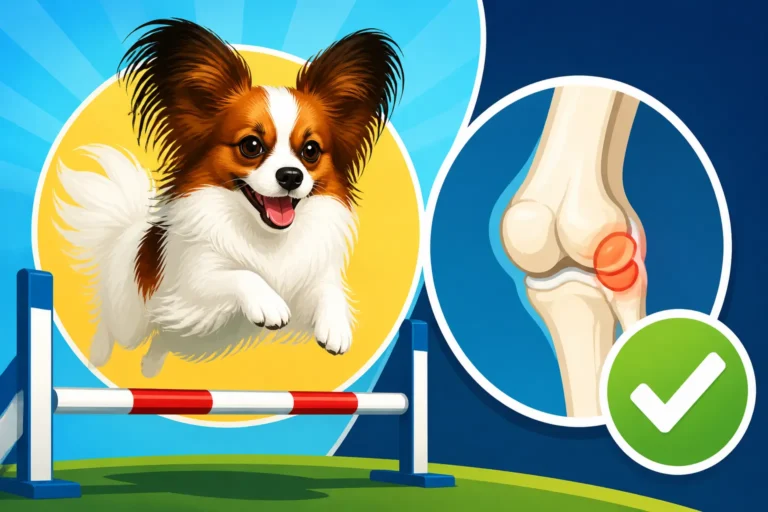
While pickiness is common, a sudden or prolonged disinterest in food should always prompt a call to your vet. Papillons, like all small breeds, can be prone to certain health issues that might affect their appetite. Dental problems are a huge culprit for small dogs; a painful tooth can make eating very uncomfortable. Given The Teeth in a Papillon's Small Jaw are often crowded, dental disease is a prevalent issue. Other conditions, such as gastrointestinal upset, organ issues, or even pain from Patellar Luxation Is the Papillon Problem You Will Actually Meet, can manifest as a reduced appetite.
Because Papillons are so small, even a slight decrease in food intake can be more concerning than with a larger dog. They don't have a huge reserve. Keep an eye on their energy levels, hydration, and overall demeanor. If they're not just skipping a meal but also lethargic, drinking less, or showing any other unusual signs, don't hesitate. A vet visit can rule out any medical causes and provide peace of mind. Regular wellness exams and proactive care are essential to catch these issues early.
Practical Tips for Managing Your Papillon's Diet and Training
Navigating the world of Papillon food motivation involves a blend of consistency, smart choices, and a good understanding of your dog's individual needs. It's not just about what they eat, but how and when they eat.
Choosing the Right Food and Treats
When selecting food for your Papillon, look for high-quality kibble designed for small breeds. These formulas often have smaller kibble sizes that are easier for their delicate mouths to manage and are nutritionally dense to meet their unique metabolic needs. Consider if How Much an Adult Papillon Eats is aligned with the recommended portion sizes on the bag, and adjust if your dog is gaining or losing weight.
For treats, variety can be your friend, but always keep size in mind. Small, soft treats are ideal for training, as they can be quickly consumed without interrupting the flow of a training session. Many Papillon owners find success with treats that are easily broken into even tinier pieces to extend their value without overfeeding. Freeze-dried meat treats or small pieces of cooked sweet potato can be excellent options. If you're leveraging training programs like BAXTER & Bella, they often provide excellent guidance on appropriate treat choices and sizes for toy breeds, ensuring you're maximizing motivation without risking their health or disrupting their diet.
Here's a quick comparison of treat types:
| Treat Type | Pros | Cons | Best Use Case |
|---|---|---|---|
| Kibble (Daily Food) | Readily available, cost-effective, familiar flavor | Low value for many Papillons, can be bland | Basic cues, enrichment toys, meal replacement for low-cal treats |
| Soft Commercial Treats | Often highly palatable, easy to chew, convenient | Can be high in calories, some contain unwanted additives | General training, rewarding good behavior |
| Freeze-Dried Meats | Extremely high value, often single ingredient, easily broken | More expensive, can be crumbly | High-distraction training, special rewards |
| Cheese/Cooked Meats | Very high value, irresistible aroma, natural | Can be fatty, perishable, requires preparation, potential allergies | Advanced training, focus work, recall in distracting areas |
| Vegetables (e.g., Carrots) | Low calorie, crunchy, healthy | Lower value for some dogs, not all veggies are safe | Healthy snacking, dental chewing (if hard enough) |
Balancing Training Rewards with Daily Meals
This is a critical area for Papillon owners. Because these dogs are so small, even a handful of training treats can amount to a substantial portion of their daily caloric intake. If you're doing a lot of training, especially with high-value treats, you absolutely need to adjust their main meals to compensate. Failing to do so can quickly lead to an overweight Papillon, which in turn can exacerbate joint issues like luxating patellas. Why an Overweight Papillon Strains Its Knees is a very real concern.
Many owners opt to use a portion of their Papillon's daily kibble as training rewards throughout the day, especially for routine commands. This ensures they're still getting their balanced diet without adding excess calories. For more intensive training sessions, use those high-value treats, but then significantly reduce the amount of kibble at their next meal. It's a delicate dance, but one that ensures your Papillon remains healthy, motivated, and at a proper weight. Always monitor your Papillon's body condition and adjust food intake accordingly. When considering How Many Repetitions a Papillon Needs in a training session, remember that each repetition often means another treat, so plan your caloric budget carefully!
Disclaimer
This article is for general informational purposes only and does not constitute professional advice. Laws, prices and regulations vary by location and change over time. Consult a qualified professional for guidance on your specific situation.