How Fast a Papillon Runs a Course
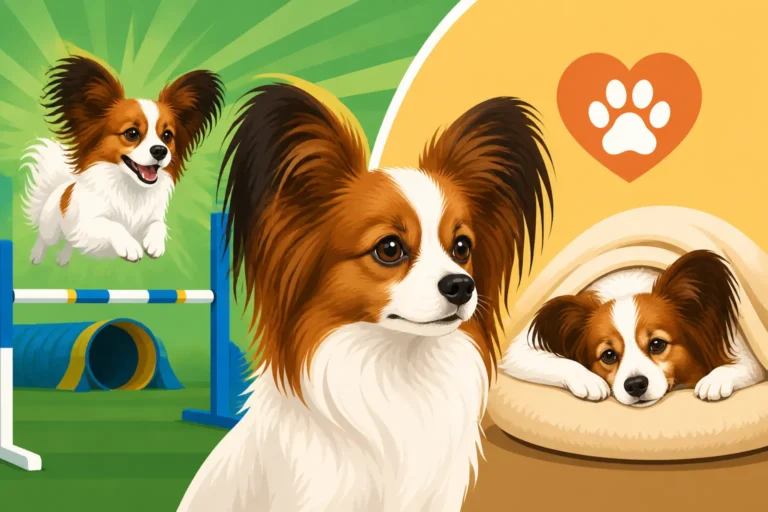
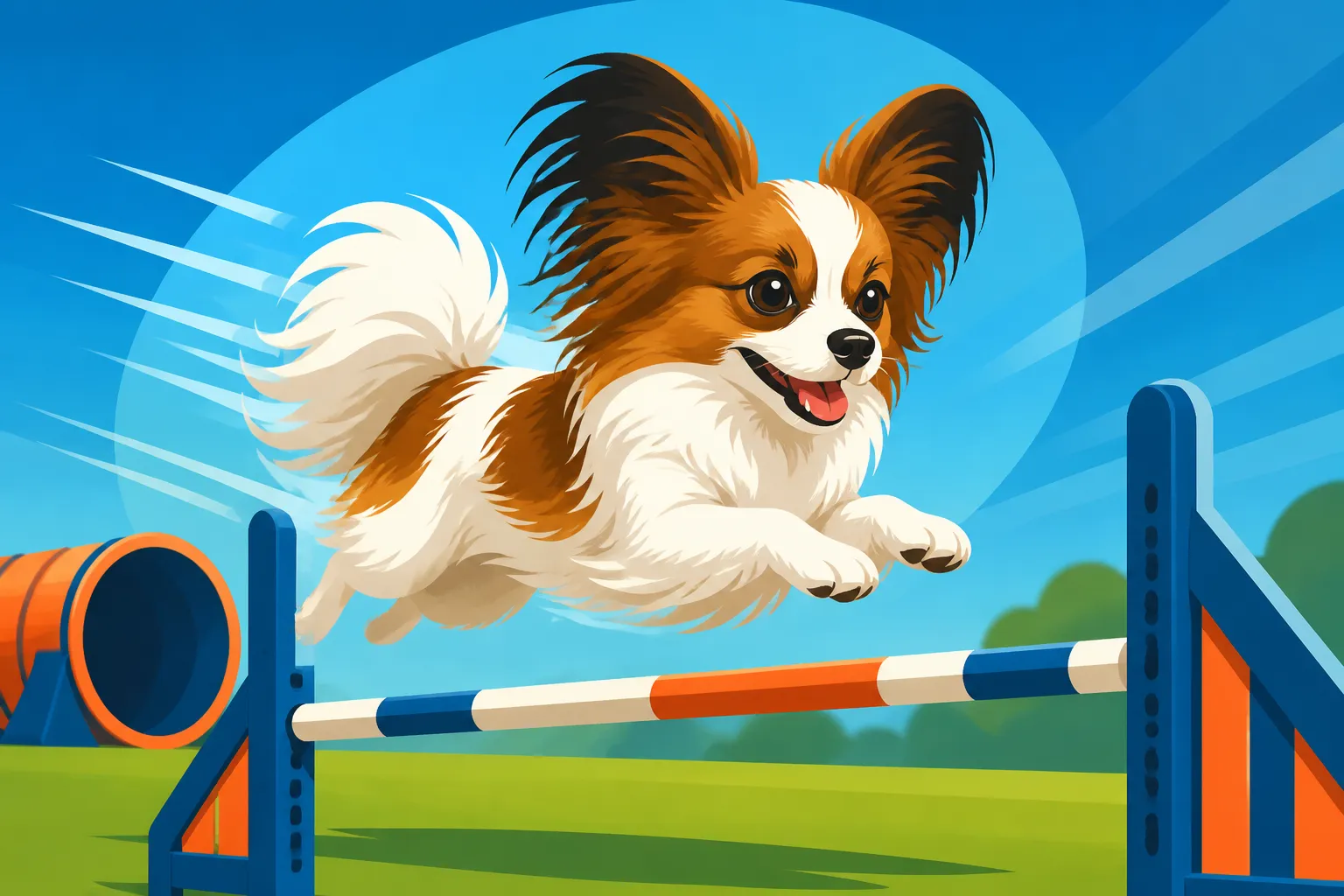
It’s truly amazing to watch a Papillon fly around an agility course, a blur of motion and focus that often surprises people who only see their delicate appearance. Many owners, after witnessing their own little butterfly dog zip through tunnels and over jumps, start to wonder just how fast these tiny athletes really are, and what makes some of them achieve those seemingly impossible times. This comprehensive guide will explore the unique attributes that contribute to a Papillon's agility course speed, the many factors that can shave seconds off (or add them to) their run, and how dedicated training can help unlock their full, speedy potential.
The Papillon's Innate Blueprint for Speed
Before we even talk about training or course strategy, it's important to understand that Papillons possess a remarkable natural aptitude for speed and agility. They aren't just fast for their size; they are genuinely fast, period. Their physical build and their keen intelligence combine to create a dog that is perfectly suited for dynamic dog sports.
Athletic Build and Light Frame
Despite their small stature, Papillons are built like miniature athletes. They are fine-boned, but sturdy, with well-muscled legs that allow for quick bursts of speed and impressive leaps. Their light weight is a huge advantage in agility. Imagine trying to accelerate and change direction quickly if you were carrying an extra 20 pounds – it’s simply harder. A Papillon’s lean body means less mass to propel, leading to faster acceleration and quicker stops.
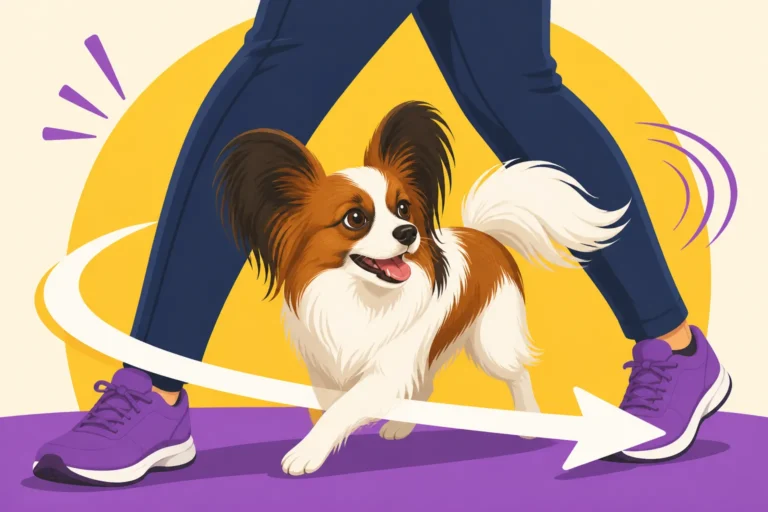
Their gait is typically free, light, and graceful, with good reach and drive. This allows them to cover ground efficiently without expending excessive energy. This isn't a lumbering breed; they are designed for nimble movement. You'll notice How a Papillon Should Move when watching them; it's a fluid, almost dance-like quality that translates directly to swift course navigation. Their compact size also means they can take tighter turns around obstacles, which is a significant time-saver on a winding agility course compared to larger breeds that need more space to maneuver.
Sharp Minds and Eager Disposition
Beyond their physical attributes, a Papillon's mental makeup is arguably their greatest asset in agility. They are widely recognized as one of the most intelligent dog breeds, often ranking incredibly high in obedience intelligence. The Papillon Is the Smartest Toy Breed There Is is not just a proud owner's boast; it's a well-documented trait. This intelligence means they pick up new cues rapidly, often requiring very few repetitions to understand a new command or sequence. This is invaluable when learning complex agility courses, where handlers are constantly giving new directions.
Furthermore, Papillons possess an eager-to-please and highly biddable nature. They love to work with their handlers and are incredibly motivated by praise, toys, and, of course, delicious treats. This strong drive to engage and succeed means they are often pushing themselves to perform their best, not just going through the motions. Their confidence and "big dog in a small body" attitude means they rarely balk at new or intimidating obstacles, approaching them with enthusiasm and a fearless spirit. This combination of brains and willingness makes them exceptionally trainable for the speed and precision required in agility.
Unpacking the Variables that Dictate Agility Course Times
While a Papillon's natural abilities set them up for success, their actual speed on a given course is a complex interplay of many different factors. It’s never just about how fast the dog can run in a straight line; it’s about navigating the course with precision and efficiency, guided by their handler.
Handler Skill and Connection
This is often the most significant, yet overlooked, factor in a dog's agility speed. A Papillon can be lightning fast, but if the handler isn't guiding them effectively, precious seconds will be lost. Clear, timely, and consistent signals from the handler are paramount. This includes body language, verbal cues, and hand signals. A handler who hesitates, gives conflicting signals, or is slow to move can completely derail a dog's flow and add significant time to a run.
The bond and understanding between dog and handler are critical. A Papillon that trusts its handler implicitly will respond more quickly and confidently, anticipating directions rather than waiting for them. What Motivates a Papillon often comes down to this partnership; they thrive on interaction and knowing they are working as a team. A well-oiled team moves as one, with the handler leading the dog through the most efficient path on the course, shaving off fractions of seconds that accumulate into winning times. Training resources from places like BAXTER & Bella can really help build that foundational handler-dog communication, which is crucial for agility.
Dog's Conditioning and Physical Health
Even the most naturally athletic Papillon won't perform at its peak without proper physical conditioning. Agility is demanding, requiring bursts of speed, quick turns, jumps, and careful navigation of contact obstacles like dog walks and A-frames. A dog needs strong muscles, excellent stamina, and flexibility to execute these movements safely and efficiently. Regular exercise that goes beyond casual walks is essential, including sprinting, short bursts of fetch, and even some conditioning exercises at home.
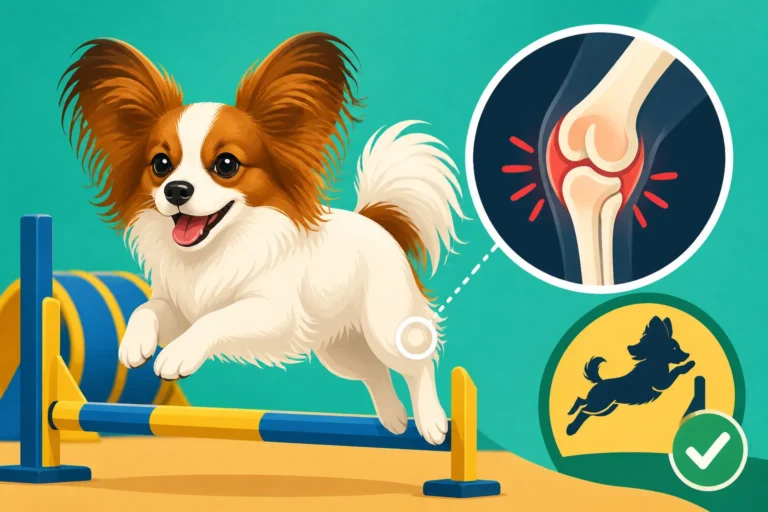
It’s also crucial to monitor their overall health, particularly their joints. Papillons, like many small breeds, can be prone to conditions such as patellar luxation. While many Papillons with lower grades of luxation can still compete, it's vital to ensure they are comfortable and pain-free. Whether a Papillon's Knees Limit Agility is a common concern, and a veterinarian's regular check-ups, especially for an agility dog, are non-negotiable. An injury or even minor discomfort will naturally slow a dog down and can lead to more serious issues if ignored.
Course Design and Surface
The layout of an agility course itself plays a massive role in how fast a Papillon can complete it. A course with long, straight runs between obstacles will naturally allow for higher top speeds. Conversely, a technical course with many tight turns, serpentine sequences, and back-side approaches will require more precision and likely result in a slower overall time, even for a very fast dog. The number of obstacles and the length of the course also directly impact the final time.
The surface of the arena also matters. A grippy, well-maintained artificial turf or high-quality dirt surface provides excellent traction, allowing the dog to push off and turn without slipping. A slick or uneven surface, such as wet grass or poorly maintained dirt, can cause hesitation, slips, and ultimately slow a dog down, not to mention increasing the risk of injury. Agility competitions often occur on a variety of surfaces, and dogs need to be comfortable and confident on all of them.
Training for Agility Skills and Mental Focus
Raw speed is only part of the equation. A Papillon needs to execute each obstacle flawlessly and efficiently. This means jumping cleanly, getting fast, safe contacts on the A-frame and dog walk, and speeding through tunnels without hesitation. Every knocked bar, every missed contact, every refusal adds penalty seconds or even disqualifies a run. Therefore, training for accuracy and confidence on each obstacle is just as important as training for speed.
Mental focus is another critical component. An agility dog needs to be able to concentrate on its handler and the task at hand, ignoring distractions like other dogs, noises, or spectators. A Papillon that gets easily distracted will lose precious moments, looking around or sniffing. Training techniques that build focus, such as proofing behaviors in different environments, are vital. Using high-value treats or favorite toys found on Amazon can help maintain their attention during demanding training sessions. How Fast a Papillon Learns a New Cue means they can quickly grasp the concepts, but consistent reinforcement is key to cementing that focus under pressure.
Here's a table summarizing these key factors:
| Factor | Impact on Speed | Example Scenario |
|---|---|---|
| Handler Skill | Major: Clear signals, efficient pathing saves seconds. | Handler misses a turn cue, dog takes an extra stride to correct. |
| Dog's Conditioning | Major: Stamina, muscle strength allows sustained speed. | Dog tires towards end of course, slows down, contact times increase. |
| Physical Health | Major: Pain/discomfort leads to hesitation. | Dog with a minor knee issue hesitates on jumps or weave poles. |
| Course Design | Moderate: Technical courses inherently slower. | A course with 5 weaves and 6 tight turns will be slower than one with 2 weaves and wide sweeps. |
| Surface Condition | Moderate: Slippery surfaces cause hesitation. | Dog slows on a wet patch of grass, loses traction, takes wider turns. |
| Obstacle Execution | Major: Flawless performance avoids penalties/reruns. | Dog knocks a bar, handler has to cue a retry, adding time. |
| Mental Focus | Major: Distractions break flow and add time. | Dog glances at a barking spectator, misses a jump command, handler has to repeat. |
Honing Your Papillon's Performance: Training for Optimal Speed
To truly maximize a Papillon's speed and efficiency on an agility course, a multi-faceted approach to training is required. It's not just about running fast; it's about smart training that builds both physical prowess and mental sharpness.
Foundation Skills and Early Training
The journey to a fast agility dog begins long before they ever touch an actual obstacle. Foundation skills are crucial. This includes strong obedience commands like "stay," "come," and directional cues. A reliable recall is essential, especially when your dog is off-leash and flying through obstacles. Proper socialization is also key, ensuring your Papillon is confident and unfazed by new environments, sounds, and other dogs they'll encounter at trials. For puppies, starting with simple games that build drive and coordination, even before formal agility classes, is a great start. Resources like BAXTER & Bella’s online puppy school can lay this groundwork beautifully, fostering a strong bond and basic obedience.
When it comes to agility-specific foundations, focus on body awareness, balance, and short bursts of speed in a controlled environment. Teach your Papillon to target objects, follow your hand, and develop a strong desire to chase a toy or treat. Many trainers recommend not introducing jumping until your Papillon is at least 12-18 months old to protect their developing joints. Why a Papillon Should Not Jump Before a Year is a wise guideline to follow to prevent potential injuries. Instead, focus on ground-level skills, tunnels, and low-impact exercises.
Building Speed Through Drills and Conditioning
Once your Papillon has the foundational skills and is physically mature enough for higher impact activities, you can start incorporating speed-focused drills. These aren't just about running full courses over and over, which can lead to burnout. Instead, focus on specific aspects:
- Short Sprint Drills: Set up two cones a short distance apart and practice sending your Papillon back and forth, rewarding explosive speed.
- Turning Drills: Use barrels or small jumps to practice tight turns in both directions. The goal is to keep the dog's body close to the obstacle, minimizing wasted motion.
- Weave Pole Entries and Exits: Practice entering and exiting weave poles from various angles. A smooth, fast weave entry can save critical time.
- Contact Confidence: Train for fast, confident contacts on the A-frame and dog walk, ensuring your Papillon understands they must touch the yellow contact zone before speeding off. Many dogs are trained to hold a contact for a moment, but for maximum speed, they learn to touch and drive through.
- Start Line Stays: A rock-solid start line stay allows your Papillon to burst out of the gate at maximum speed precisely when you give the release cue, rather than creeping forward or breaking early.
Remember that conditioning isn't just about agility drills. Incorporate varied exercises like hiking (if appropriate for their joints), swimming (if your Papillon enjoys it), and play sessions that encourage dynamic movement. Regular, balanced exercise contributes to both physical stamina and mental well-being, both crucial for peak performance.
Real-World Speed: What to Expect in Competition
It's one thing to see your Papillon rocket through a backyard course, but competition adds another layer of pressure and comparison. Understanding how Papillons stack up against other breeds and what winning times typically look like can help set realistic expectations and appreciate their unique competitive edge.
Papillons vs. Other Breeds
When comparing speed in agility, it's not always a direct comparison of raw foot speed. Agility classes are generally divided by jump height, which means Papillons often compete against other small dogs like Shelties, Shetland Sheepdogs, Poodles, and even smaller Border Collies, rather than giant breeds. Within their jump height category, Papillons are incredibly competitive.
While a Border Collie might have a faster top speed in a straight line, a Papillon's ability to turn on a dime, their tight body control, and their incredible focus often allow them to navigate technical courses with superior efficiency. Their small stride length means they can often take an extra stride or two where a larger dog might have to stretch or slow down, allowing for more precise footwork. This often gives them an edge on courses that demand precision over pure straight-line speed. Whether a Papillon Beats a Sheltie on Time often depends on the course and the handler. On a fast, flowing course, a Sheltie might have the edge due to longer legs. On a technical, tight course, the Papillon's nimbleness can truly shine.
Typical Winning Times and Speed Calculations
Agility courses are measured in meters, and dogs are timed to hundredths of a second. A common metric used to gauge speed is "Yards Per Second" (YPS) or "Meters Per Second" (MPS), which is the total course length divided by the dog's time. This allows for comparison across different courses and different dogs.
For Papillons competing at the highest levels, on a standard course length (e.g., 150-180 meters), winning times can translate to speeds ranging from 3.5 to over 4.0 meters per second. Exceptional teams might even push slightly higher on very open, fast courses. To give you some context, a top-level Border Collie might run at 4.5-5.0+ MPS. While this seems significantly faster, remember the Papillon is navigating the same number of obstacles, but with tiny legs. Their ability to achieve speeds well over 3.5 MPS consistently is a testament to their athletic prowess and the skill of their handlers.
Understanding these metrics allows handlers to assess their dog's performance objectively. If your Papillon consistently runs at 3.0 MPS and the winning dogs in your class are hitting 3.8 MPS, you can analyze where those precious seconds are being lost. Is it a handler pathing issue? A dog's hesitation on a specific obstacle? Or simply a need for more physical conditioning? Agility trials are not just competitions; they are also invaluable learning opportunities for both dog and handler. You can find essential gear like stopwatches, training logs, and even miniature agility equipment for practice on Amazon, helping you track progress and refine your training plan.
Disclaimer
This article is for general informational purposes only and does not constitute professional advice. Laws, prices and regulations vary by location and change over time. Consult a qualified professional for guidance on your specific situation.