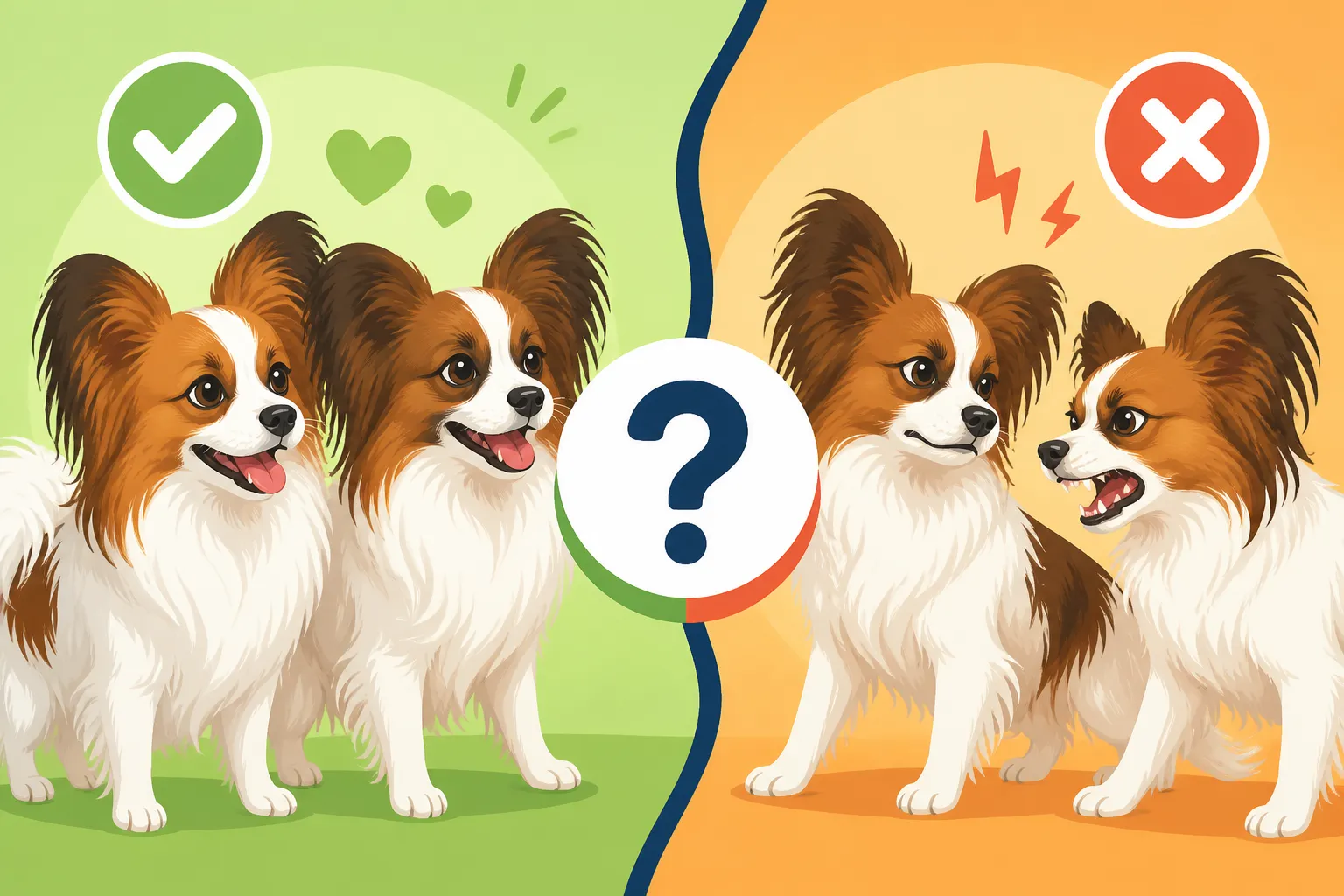
Whether a Papillon Gets On With Another Papillon
Bringing a second Papillon into a home that already cherishes one can feel like a huge leap of faith. You adore your current little butterfly dog, and the thought of disrupting their peaceful reign or risking a clash of personalities is enough to give any dedicated Papillon parent pause. But often, the truth is, Papillons are remarkably social creatures, and with the right approach, adding another can enrich both your life and your original dog's. This guide will walk you through the nuances of introducing two Papillons, helping you anticipate and navigate the journey to a harmonious multi-Papillon household.
The Papillon Personality: Why They Often Love Company
Papillons are renowned for their intelligence, vivacity, and surprisingly robust personalities packed into their tiny frames. They are far from fragile lapdogs, often possessing a "big dog in a small body" mentality. This inherent confidence and zest for life often translates into a strong desire for companionship, not just with their human family, but with other dogs too, especially those who speak their particular brand of "Papillon."
The Sociable Butterfly Nature
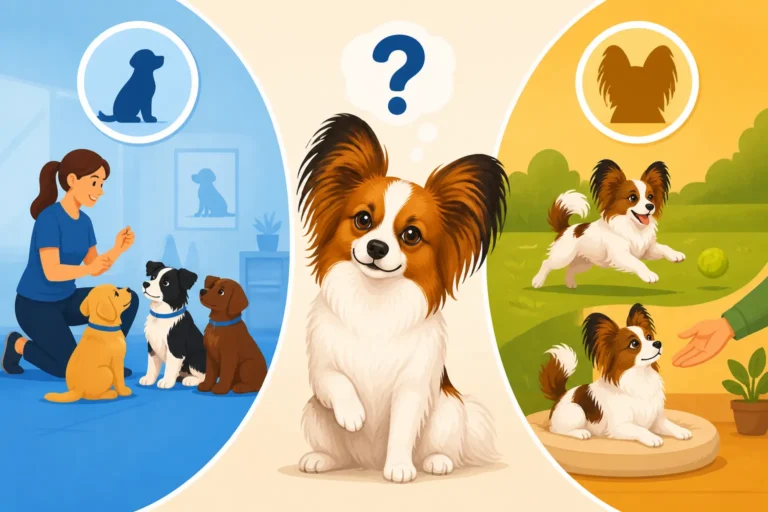
One of the most endearing traits of the Papillon breed is their natural sociability. They are often described as "people dogs" who thrive on interaction, but this extends beautifully to canine friends as well. Unlike some breeds that can be aloof or indifferent to other dogs, Papillons frequently seek out play and camaraderie. They love to chase, tumble, and engage in intricate play bows, and having a peer who understands their specific play style can be incredibly fulfilling for them. When you observe two Papillons interacting, you'll often see a delightful dance of rapid-fire wrestling, synchronized zoomies, and quiet cuddle sessions that speak volumes about their need for connection. This isn't just about entertainment; it's about their fundamental social wiring. They are dogs that historically lived closely with their human families and often other companion animals, developing a flexible and adaptable social etiquette.
The Pack Mentality Even in Tiny Dogs
Despite their small stature, Papillons retain a strong sense of pack instinct. In your home, you are the leader of their pack, but a second Papillon can provide a unique kind of companionship that even the most devoted human cannot replicate. They communicate on a level that only another dog can truly understand – through body language, scent, and subtle vocalizations. This pack dynamic can be hugely beneficial, especially for a Papillon who might otherwise spend some hours alone. Instead of just existing in the house with their toys, they have a living, breathing playmate and confidante. This isn't to say every Papillon instantly accepts another; individual personalities always play a role. However, the breed's general inclination towards social living means that many Papillons actually thrive when given a canine companion, often demonstrating less anxiety and more overall contentment. You might even find yourself asking Why Papillon Owners End Up With Two after witnessing the joy a second dog brings.
Introducing a New Papillon: Tips for a Smooth Transition
Bringing any new dog into an established household requires careful planning and patience, and adding a second Papillon is no different. It's not usually a case of simply opening the door and letting them figure it out. A thoughtful introduction can set the stage for a lasting, loving relationship between your two little dogs.
The Importance of a Neutral First Meeting
The very first impression is crucial. Never just throw two dogs together in your established dog's territory. This can immediately trigger defensive instincts. Instead, opt for a neutral location where neither dog feels possessive. A local park, a friend's fenced yard, or even a long walk together on separate leashes can work wonderfully. The key is to keep it low-pressure and positive. Allow them to sniff each other indirectly first, perhaps walking parallel paths before gradually bringing them closer. Look for relaxed body language: loose tails, sniffing, soft eyes. Avoid any tension in your own voice or leash handling, as dogs are incredibly attuned to our emotions. You want them to associate each other with calm, pleasant experiences, not stress. If the first meeting goes well, keep it short and sweet, ending on a high note before anyone gets overwhelmed. How a Papillon Accepts a New Dog often depends heavily on these early, managed interactions.
Setting Up Individual Spaces
Even if your Papillons eventually become best friends and sleep in a pile together, it’s vital to provide each dog with their own sanctuary. This means separate crates, beds, food bowls, and water dishes, at least initially. Their individual spaces should be places where they can retreat and feel completely safe and undisturbed. This greatly reduces the potential for resource guarding and allows each dog to decompress when needed. For instance, you might set up a crate for each dog, perhaps even in separate rooms for the first few nights, or at least far enough apart that they don't feel crowded. What a Crate for a Papillon Costs is a small investment for the peace of mind it provides in a multi-dog household. Over time, as they bond, they might choose to share beds or cuddle up, but having that option for personal space is invaluable. This also applies to toys and chews; always have more than enough to go around to prevent any competition. Brands like Amazon offer a wide variety of affordable crates and beds suitable for Papillons.
Supervising Early Interactions
For the first days, weeks, or even months, depending on the dogs, all interactions between your Papillons should be closely supervised. This isn't about stifling their play, but about stepping in before things escalate into conflict. Learn to read their body language – a stiff posture, a hard stare, a growl that isn't part of play, or raised hackles are all signs you need to intervene. Redirect their attention with a cheerful voice or a quick game of "find the treat" in separate areas. Keep initial play sessions short and positive, ending before either dog gets over-stimulated or tired. You'll want to ensure they associate each other with good things, so feed them simultaneously but in separate areas, give treats when they are calmly together, and offer praise for peaceful coexistence. This close supervision helps you understand their individual personalities and how they are learning to communicate with each other.
Navigating Potential Challenges and Solutions
While many Papillons welcome a new furry sibling, it's not always a perfectly smooth sail. Just like people, dogs have individual personalities, quirks, and past experiences that can influence how they adapt to new living arrangements. Being prepared for potential challenges can make all the difference in fostering a happy, multi-Papillon home.
Resource Guarding and How to Manage It
Resource guarding is a common issue when new pets are introduced, where one dog becomes possessive over food, toys, sleeping spots, or even human attention. For Papillons, who often form strong bonds and can be quite clever, this can manifest in subtle or overt ways. Your existing Papillon might suddenly become possessive of their favorite squeaky toy or even you. The new Papillon might guard their food bowl fiercely.
The key to managing resource guarding is prevention and proactive training.
- Separate Feeding: Always feed dogs in separate areas or even separate rooms. This removes the primary trigger for food guarding. You can gradually bring them closer if they show no signs of stress, but never leave food bowls unattended.
- Abundant Resources: Have more toys, beds, and chews than you have dogs. This reduces the perception of scarcity. If one dog has a toy, another can always find one.
- "Trade Up" Games: Teach both dogs to "drop it" or "leave it." Practice by offering a higher-value treat for letting go of a toy. This builds a positive association with giving up an item.
- Manage Attention: Ensure both dogs receive equal, individual attention from you. Avoid situations where one dog feels neglected while the other is being showered with affection, which can lead to jealousy.
- Professional Help: If resource guarding is severe or escalates, don't hesitate to consult a professional dog trainer or behaviorist. They can offer tailored strategies and ensure everyone remains safe.
Dealing with Personality Clashes
Sometimes, despite the breed's general sociability, two Papillons might just have personalities that don't immediately mesh. One might be a boisterous player, while the other prefers quiet observation. One might be naturally dominant, the other more submissive. These differences aren't necessarily bad, but they require understanding and management from you.
- Respect Their Differences: Don't force interactions. If one dog prefers space, ensure they have it. A quiet Papillon should not be constantly pestered by a more energetic one.
- Structured Play: Manage play sessions to ensure they are balanced. If one dog is consistently too rough or pushy, intervene gently and redirect them. Use short, positive play bursts.
- Individual Walks and Activities: While shared activities are great, also make time for individual walks, training sessions, and cuddles. This helps each dog feel valued and prevents codependency or resentment. What a Papillon Does All Day can vary depending on their personality, and you need to cater to both.
- Consistent Leadership: Your consistent, calm leadership is paramount. Dogs look to you for guidance on how to behave. If you're stressed, they will be too.
When One Papillon Is More Dominant
In any multi-dog household, there will naturally be a social hierarchy. One Papillon might emerge as more confident or assertive, taking on a more "dominant" role in their interactions. This isn't inherently problematic, but it needs to be managed to prevent bullying or undue stress on the more submissive dog.
- Observe, Don't Intervene Unnecessarily: Often, dogs work out their hierarchy themselves with subtle cues. Intervene only if the dominant behavior becomes aggressive, constant, or causes one dog to live in fear.
- Support the Submissive Dog: Ensure the more submissive dog still gets attention, access to resources, and quiet time. Sometimes a more dominant dog will try to "block" the other from you; gently but firmly ensure both get equal access.
- Reinforce Calm Behavior: Praise and reward both dogs for calm, respectful interactions. If the dominant dog is being pushy, ignore them briefly and reward the submissive dog for remaining calm.
- Training: Consistent training with both dogs individually helps reinforce your role as the leader and gives both dogs confidence and structure. Consider using online training platforms like BAXTER & Bella for guidance on building good manners and impulse control, which benefits all dogs in a multi-dog home.
Benefits of Having Two Papillons
While the initial adjustment period can require effort, the rewards of a two-Papillon household are truly immeasurable. Many owners find that the benefits far outweigh the challenges, leading to happier, more fulfilled dogs and an even more joyful home environment.
Companionship and Play
The most obvious benefit of adding a second Papillon is the instant companionship it provides for your existing dog. Papillons are playful by nature, and having a peer to engage with on their level can be incredibly enriching. They'll chase each other around the house, engage in mock battles, and wrestle with an enthusiasm that humans simply can't always match. This isn't just about burning off energy; it's about mental stimulation, social development, and pure canine joy. They understand each other's body language in a way no human ever truly can, leading to intricate play sequences and shared quiet moments. Watching two Papillons curl up together for a nap after a vigorous play session is a heartwarming sight that many owners wouldn't trade for anything. This shared experience also means they help each other fulfill How Much Exercise a Papillon Needs through spontaneous indoor games.
Less Separation Anxiety
Papillons, like many companion breeds, can be prone to separation anxiety, especially if they are left alone for extended periods. The introduction of a second Papillon can often mitigate this issue significantly. While they still bond with their human family, having another dog to lean on can make alone time far less stressful. They're not truly "alone" when they have each other. This doesn't mean you can suddenly leave them for 12 hours, but it can make a standard workday much more tolerable for them. They might comfort each other, play together, or simply nap side-by-side, drawing security from each other's presence. Signs a Papillon Has Separation Anxiety can often be reduced or even eliminated when they have a furry friend to share their day with. This allows Papillon owners who may have once felt guilty about leaving their single dog to enjoy a bit more freedom, knowing their pups are comfortable and content together.
Learning from Each Other
Dogs, especially intelligent ones like Papillons, are keen observers and learners. When you bring a second Papillon into the home, particularly if one is a puppy and the other is an older, well-adjusted dog, a fascinating dynamic of mentorship can emerge. An older, well-mannered Papillon can teach a puppy the ropes: where to potty, what household rules are, and even how to play appropriately. Puppies often learn faster by mimicking an older dog than solely from human instruction. Conversely, a playful, energetic puppy can sometimes "rejuvenate" an older, more sedate Papillon, encouraging them to be more active and engaged. If your existing Papillon has any mild anxieties or fears, a confident new companion might even help them overcome those. This mutual learning and support system strengthens their bond and contributes to a well-adjusted pair of dogs, making your life easier and their lives richer.
| Aspect | Single Papillon Household | Two Papillon Household |
|---|---|---|
| Companionship | Solely human-dependent | Canine companionship available, especially when humans are busy |
| Play | Human-initiated or solo play primarily | Interactive dog-dog play, varied play styles |
| Separation | Higher risk of separation anxiety | Often reduces separation anxiety, mutual comfort |
| Training | Focus on human-dog dynamics | Peer learning, older dog can model behavior for puppy |
| Resource Needs | Individual bowls, beds, toys | Need for multiple, distinct resources to prevent guarding |
| Socialization | Needs human effort for dog exposure | Constant in-house socialization and interaction |
| Initial Effort | Settling one dog | Careful introduction, supervision, managing dynamics |
| Long-term Joy | Deep bond with single dog | Unique joy of observing canine friendship and shared life |
If you're considering expanding your Papillon family, remember that every dog is an individual. Take the time to consider how two distinct personalities will interact, prepare your home, and commit to the process of integration. It's an investment, but for many Papillon enthusiasts, the sight of two little butterfly dogs living in harmony is a truly priceless reward.
Disclaimer
This article is for general informational purposes only and does not constitute professional advice. Laws, prices and regulations vary by location and change over time. Consult a qualified professional for guidance on your specific situation.