Why a Papillon Bolts Through Doors
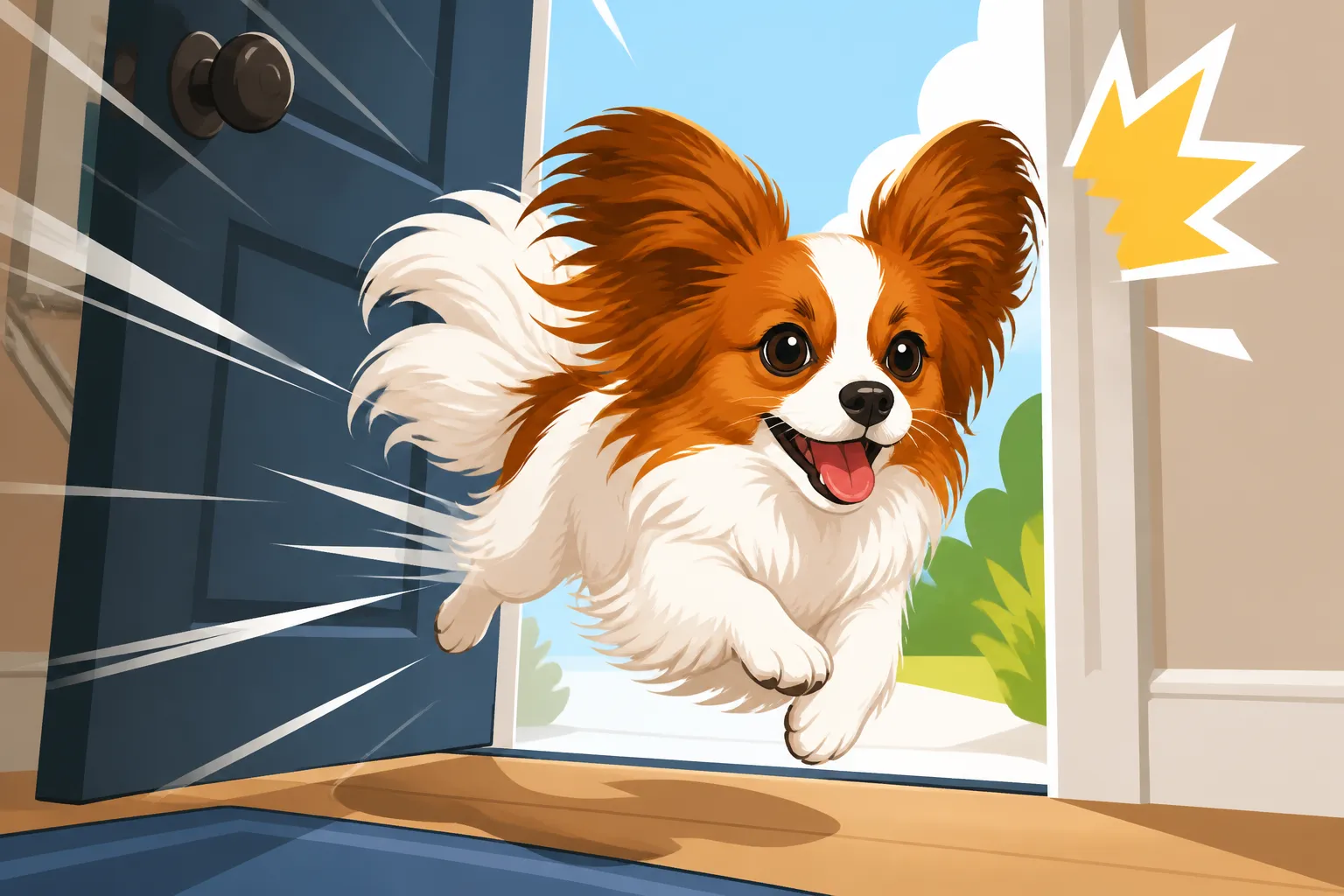
There's nothing quite like that heart-stopping lurch in your stomach when you open the front door for just a second, and your beloved Papillon, a blur of fur and enthusiasm, zips right past you and out into the big wide world. It's a terrifying moment that far too many of us have experienced, whether it's a quick dash to greet the mail carrier or a full-on escape attempt when the gate is left ajar. This guide is here to help you understand why your intelligent little butterfly dog feels the urge to bolt and, more importantly, how you can put strategies in place to keep them safe and sound indoors.
The Thrill of the Great Outdoors: Why Papillons Bolt
It’s easy to feel frustrated or even angry when your Papillon makes a break for it, but understanding the root causes of this behavior can help us approach it with more patience and effective training. It's rarely out of defiance and almost always stems from a combination of natural instincts and, sometimes, our own inadvertent training missteps.
The Prey Drive and Curiosity Factor
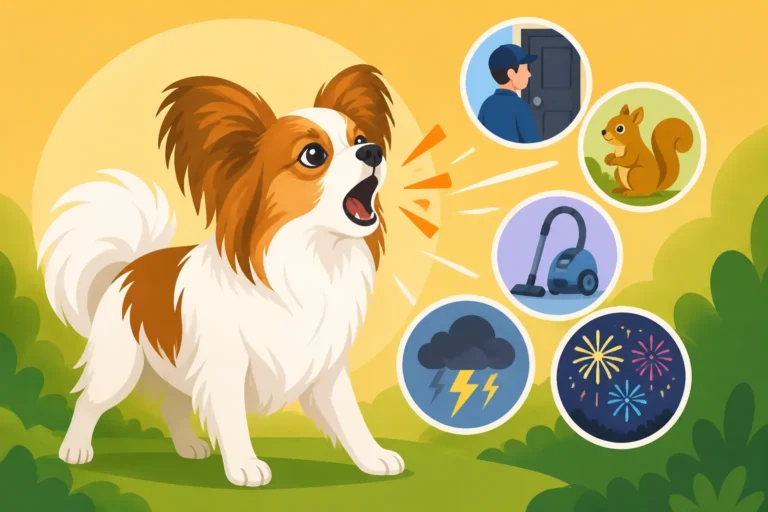
Papillons, despite their delicate appearance, are spunky little spaniels at heart, and that means they come equipped with an innate curiosity and a historical prey drive. Imagine being confined to the same four walls all day, then suddenly, a door opens, revealing a world of exciting smells, sights, and sounds. It's like opening a portal to an entirely new adventure! That rustling leaf, the squirrel darting across the lawn, the scent of a neighbor's barbecue – these are all irresistible calls to a dog with an active mind and keen senses.
Their small size might make us think they're less likely to explore, but it's quite the opposite; their low perspective often makes the outdoor world even more intriguing and full of hidden treasures. They want to investigate every nook and cranny, follow every scent trail, and chase every movement. This strong desire to explore, coupled with a quick burst of speed, is a potent combination that often leads to door-dashing. They're not trying to be naughty; they're simply being dogs, responding to deeply ingrained instincts to investigate their environment.
Lack of Training or Inconsistent Management
Often, door-bolting behavior isn't just about a dog's inherent curiosity; it's also a reflection of gaps in their training or inconsistencies in our management strategies. If a Papillon has learned, even once or twice, that rushing the door sometimes leads to an exciting outdoor romp, they will continue to try it. For them, it's a game of chance where the payoff is incredibly high. Each successful dash reinforces the behavior, making it harder to break.
Sometimes, owners might unintentionally reward the behavior. For instance, if you get flustered and chase your Papillon when they bolt, to them, that could be perceived as a fun game of tag. Or, if they only get to go for walks when they've managed to slip out, they're learning that bolting is the key to their desired activity. Consistency is absolutely paramount here. Every member of the household needs to be on the same page about how to handle door entrances and exits. A single lapse can undermine weeks of diligent training, setting everyone back significantly. Think about how many times a day that door opens – each one is a potential training opportunity or a potential risk.
Overexcitement and Energy Release
Papillons are intelligent and active little dogs, and sometimes, door-dashing is simply a symptom of pent-up energy or overexcitement. If your Papillon isn't getting enough mental stimulation or physical exercise throughout the day, that built-up energy has to go somewhere. The opening of a door provides the perfect sudden outlet. They might associate the door with walks, car rides, or greeting exciting visitors, leading to an uncontrollable surge of adrenaline.
This isn't necessarily a sign of a bad dog, but rather a dog that needs more appropriate ways to expend their energy. A bored Papillon is a creative Papillon, and their creativity might manifest in undesirable behaviors like door-bolting. Providing regular, engaging activities – beyond just a quick potty break – can significantly reduce this frantic energy that propels them out the door. Just like a child needing to run off steam, a Papillon needs its outlets, and if not provided, they'll find their own.
The Dangers of a Door-Dashing Papillon
While the immediate panic of a bolting Papillon is enough to make any owner's heart race, it's crucial to understand the very real and often devastating consequences that can arise from this behavior. These aren't just minor inconveniences; they are genuine threats to your Papillon's safety and well-being.
Traffic and Other Hazards
The most immediate and terrifying danger for a small dog like a Papillon who bolts out the door is traffic. Their small size makes them incredibly difficult for drivers to see, especially in busy neighborhoods, at dusk, or if they're moving quickly. A Papillon can be across the street and in harm's way in a matter of seconds. Beyond cars, there are other perils: bicycles, scooters, skateboards, and even unsuspecting pedestrians can pose a significant risk, leading to serious injury.
It's not just vehicles, either. Depending on your location, a bolting Papillon could encounter other loose dogs, some of whom might be much larger and less friendly. They could also chase after wildlife into dangerous areas, like thick brush, busy roads, or even private property where they might not be welcomed. The sheer vulnerability of a small dog in an uncontrolled environment is immense, and the risks involved are simply too high to ignore. A moment of inattention can lead to a lifetime of regret.
Loss and Injury
The emotional toll of a lost pet is profound. A Papillon that bolts might become disoriented, especially in an unfamiliar area, and be unable to find their way home. They are small enough that they could easily slip into spaces or get caught in traps or dense undergrowth. Imagine the fear and confusion your little dog would experience, alone and exposed to the elements or potentially hostile situations. The longer they are missing, the greater the chances of them encountering dangers or simply never being found.
Physical injuries are also a significant concern. Beyond traffic accidents, a bolting Papillon could fall from a height, get into a fight with another animal, ingest something poisonous, or become tangled in fencing. What a Papillon Does All Day speaks to their active nature, but unsupervised activity carries risk. Even a seemingly harmless dash into the yard could result in a sprain, a cut, or a scrape that requires veterinary attention. The worry alone of what could happen is enough to keep any responsible Papillon owner awake at night.
Stress for Everyone Involved
This behavior isn't just stressful for the Papillon owner; it creates anxiety for the dog itself and can even impact neighbors. For the Papillon, the act of bolting might stem from excitement, but once they're out, especially if they become lost or disoriented, the experience can be incredibly frightening. This can lead to increased anxiety around doors, becoming even more desperate to escape, or developing new fears.
For you, the owner, the constant vigilance required to prevent a dash is exhausting. Every time the doorbell rings or someone approaches the door, there's that immediate tension, the scramble to secure your dog. This stress can erode the joy of pet ownership and make simple tasks, like answering the door, feel like a high-stakes operation. Neighbors might also become concerned, either for the dog's safety or if the Papillon repeatedly enters their property. Preventing this behavior is not just about convenience; it's about creating a calmer, safer environment for everyone.
Strategies to Stop the Dash: Training and Management Solutions
Preventing your Papillon from bolting through doors requires a two-pronged approach: consistent training to teach them impulse control and smart management techniques to prevent opportunities for escape. It’s a marathon, not a sprint, but with patience and dedication, you can create a safer household.
Foundational Obedience and Impulse Control
The cornerstone of stopping door-dashing is solid foundational obedience, particularly focusing on impulse control around entryways. The "wait" command is your best friend here. Start practicing "wait" away from the door, rewarding heavily for even a second of stillness. Gradually move closer to the door, always keeping it closed at first. You want your Papillon to understand that "wait" means staying put, regardless of distractions.
Once they're reliable, introduce the door itself. With your Papillon on a leash, ask for a "wait" before you even touch the doorknob. Open the door a crack, then close it, rewarding them for remaining in place. Slowly increase the opening size and duration, always closing the door and releasing them with a "free" command and reward if they stay. The goal is for them to learn that the door opening does not automatically mean they get to rush out. What Motivates a Papillon often points to food or praise, so use those high-value rewards!
Here's a step-by-step for "wait" at the door:
- Leash Up: Put your Papillon on a leash, even if you’re just practicing inside. This gives you control.
- Initial Wait: Stand a few feet from the door. Ask your Papillon to "wait" or "stay." Reward them for staying put for a few seconds.
- Approach the Door: Slowly walk towards the door, repeating "wait." If they move, gently guide them back and restart.
- Hand on Knob: With your dog waiting, place your hand on the doorknob. If they hold their position, reward.
- Crack the Door: Slowly open the door an inch or two, then immediately close it. Reward if they remain. If they lunge, close the door immediately (no talking, no scolding) and try again. They learn that lunging makes the door close, waiting makes it open slightly.
- Open Wider/Step Out: Gradually increase how wide you open the door, and eventually, step one foot out, then two. Always close and reward if they hold. Never let them cross the threshold without your explicit "okay" command.
- Consistent Practice: Practice this multiple times a day, every day, with every person in the house. This needs to become a deeply ingrained habit. Remember, How Sensitive a Papillon Is means harsh corrections are ineffective; positive reinforcement is key.
Managing the Environment
While training is happening, it’s critical to manage the environment to prevent any "practice runs" of door-dashing. Every successful bolt undoes training, so prevention is key. Consider installing baby gates or exercise pens in front of your doors, creating a double barrier. This buys you precious seconds to gather your dog or secure the door. This is especially helpful if you have children or frequent visitors who might not be as vigilant about the door.
For external doors that lead directly outside, a second layer of security can be invaluable. This could be a mudroom, a secure entry area, or even a securely fenced porch. Always put your Papillon on a leash before opening the door to go outside, even for a quick potty break. You can find durable leashes and secure harnesses on platforms like Amazon, ensuring you have the right gear to keep them safe. Whether a Papillon Should Wear a Harness Instead of a Collar is a good read, as harnesses often provide better control for small dogs without putting strain on their delicate necks.
Establishing a consistent routine for arrivals and departures is also crucial. When you come home, ignore your Papillon's excited greetings until they calm down. This teaches them that rushing and jumping won't get them attention. Similarly, before leaving, make sure they are settled before you head out. These small management adjustments reinforce the idea that calm behavior is what gets rewarded.
Addressing Underlying Causes
Sometimes, door-dashing isn't just a simple lack of training; it can be a symptom of unfulfilled needs. A Papillon needs mental stimulation and physical exercise appropriate for their breed. A simple walk around the block might not be enough to satisfy their intelligent minds. Incorporate puzzle toys, training sessions that teach new tricks, or even a bit of [Scent Work] into their daily routine.
Regular, structured exercise can help drain excess energy that might otherwise fuel a dash. Think about longer, more engaging walks in safe, enclosed areas, or playtime in a securely fenced yard. If your Papillon is constantly seeking "adventure," perhaps more controlled adventures are in order. This could involve exploring new walking routes, visiting a dog-friendly park, or enrolling in a beginner agility class. What Mental Work a Papillon Needs is something many owners overlook.
If your Papillon gets overly excited by specific triggers, like the mail carrier or other dogs walking by, work on desensitization. This involves gradually exposing them to the trigger at a distance where they remain calm, rewarding them for quiet behavior. Over time, you can slowly decrease the distance. For dogs with severe anxiety or reactivity around doors, consulting with a certified professional dog trainer or behaviorist can provide tailored strategies and support. Online resources like BAXTER & Bella offer structured training programs that can guide you through these steps, providing comprehensive video lessons and support for common behavioral challenges.
Practical Tools and Resources for Success
Having the right tools and knowing where to turn for help can make all the difference in successfully teaching your Papillon not to bolt through doors. These practical aids can support your training efforts and provide peace of mind.
Essential Gear
Having the correct gear is fundamental for both training and management. For everyday walks and for practicing door control, a well-fitting harness is highly recommended. Unlike collars, which can put pressure on a Papillon’s delicate throat, a harness distributes pressure evenly across their chest and shoulders, giving you more control without discomfort. Look for a harness that fits snugly but allows for full range of motion, especially for an active breed like the Papillon. Many owners find a front-clip harness particularly effective for Papillons who tend to pull, as it redirects their momentum back towards you.
Beyond harnesses, consider physical barriers for your home. Sturdy baby gates or pet gates are incredibly effective for creating a buffer zone near your doors. Placing one a few feet back from the entry point means that even if your Papillon slips past you, they hit a second barrier before reaching the outside. This extra layer of security can be a lifesaver, especially when you have your hands full or expect company. A long line (a lightweight, extra-long leash) can also be useful for practicing recall in a safe, enclosed area, ensuring that if they do get out, you have a way to safely retrieve them without chasing.
| Item | Purpose | Benefit for Door Bolting |
|---|---|---|
| Front-Clip Harness | Better control on walks, redirects pulling | Prevents dog from launching forward at the door |
| Sturdy Baby Gate | Creates physical barrier inside | Second line of defense; buys time to secure dog or door |
| Long Training Line | Safe recall practice in open spaces | Allows safe practice of door manners with a backup |
| High-Value Treats | Motivation for positive reinforcement | Essential for rewarding "wait" and impulse control |
| Interactive Toys | Mental stimulation | Drains excess energy, reduces boredom-driven escapes |
Training Programs and Support
You don't have to tackle door-dashing alone. There are numerous resources available to help you and your Papillon master door manners. Online training platforms, such as BAXTER & Bella's Online Puppy School, often include comprehensive modules on impulse control, leash manners, and door safety. These programs provide step-by-step video instructions, live group classes, and personalized coaching, which can be invaluable for consistent training right from your home. The structured approach helps you build skills progressively, making it easier to reinforce good habits.
If you prefer in-person guidance or your Papillon's door-dashing is particularly challenging, seeking out a certified professional dog trainer in your local area can be highly beneficial. They can assess your specific situation, observe your Papillon's behavior in context, and develop a customized training plan. Often, they can help identify subtle triggers or owner habits that might be contributing to the problem. Look for trainers who use positive reinforcement methods, as these are most effective and kind for a sensitive breed like the Papillon.
Joining online communities or local dog clubs focused on Papillons can also provide a network of support. Other Papillon owners might have experienced similar issues and can offer practical advice, encouragement, or recommend local resources. The First Year With a Papillon Puppy often involves tackling many such behavioral challenges, and shared experiences can make the journey feel less isolating. Remember, consistency and patience are your greatest assets. With the right tools and support, you and your Papillon can confidently navigate the world, starting right at your front door.
Disclaimer
This article is for general informational purposes only and does not constitute professional advice. Laws, prices and regulations vary by location and change over time. Consult a qualified professional for guidance on your specific situation.