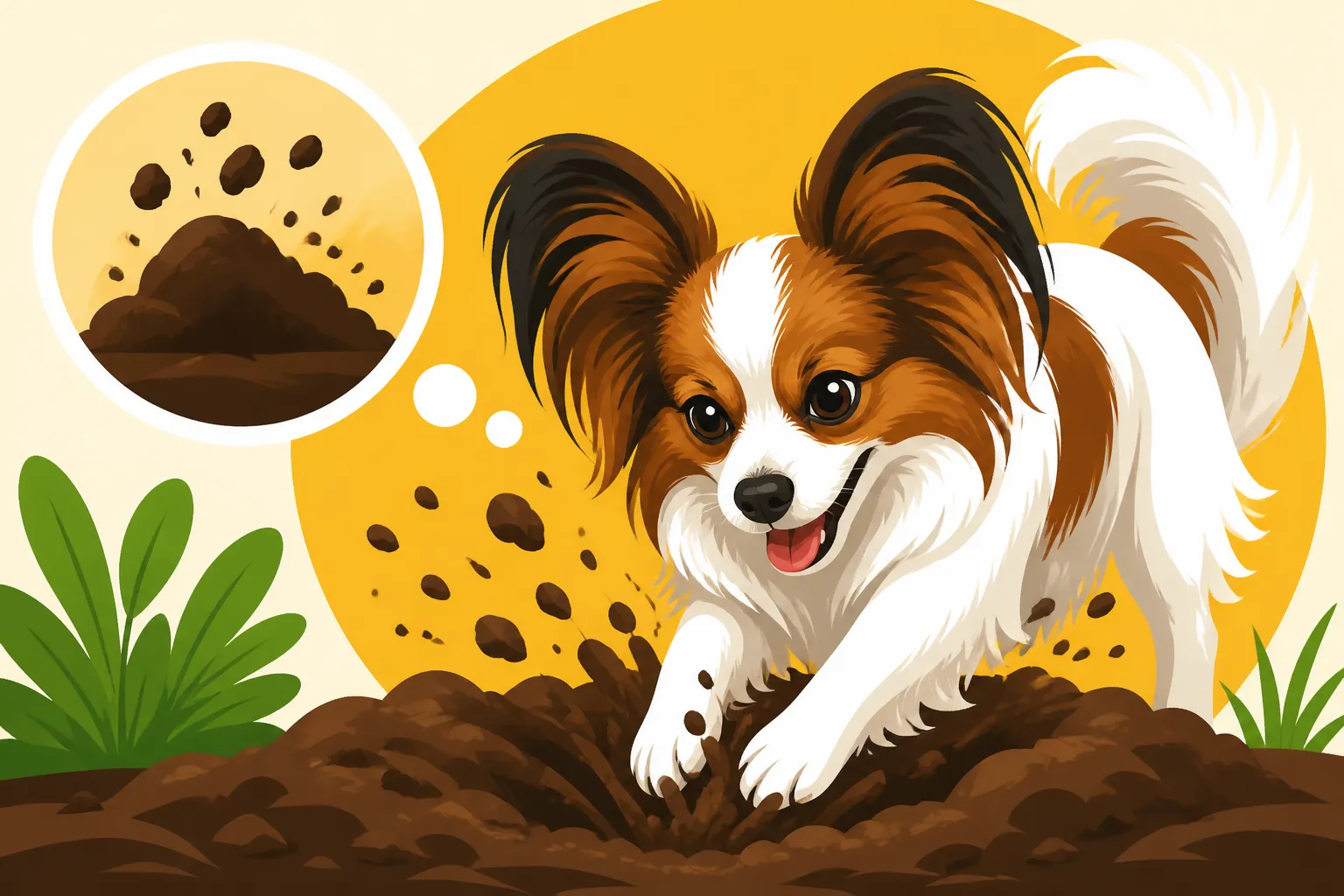
How Much a Papillon Digs
It can be incredibly frustrating when you come home to a newly landscaped yard or a perfectly fluffed living room, only to find fresh craters in the lawn or blankets dramatically rearranged from their former cozy state. Papillons, for all their delicate appearance, can be quite industrious when the mood strikes, and a dog that starts digging can be a real head-scratcher. This guide aims to demystify why your butterfly-eared companion might be channeling their inner excavator and, more importantly, what you can do to manage and redirect this natural behavior.
Understanding the Papillon's Instinct to Dig
You might look at your tiny Papillon and wonder where on earth this digging instinct comes from. They're not exactly terriers bred for vermin control, right? Yet, digging is a deeply ingrained canine behavior, and even the most pampered toy breed can surprise you with their earth-moving capabilities. It's rarely about being naughty and almost always about a need not being met or an instinct being expressed.
The Ancestral Urge and Tiny Terrors
Before dogs were our beloved companions, they were wild animals, and digging served many purposes for survival. It was a way to hunt small prey like rodents, build dens for shelter and raising young, or even hide valuable food. While your Papillon probably isn't hunting mice in your backyard (though their keen eyes and quick movements might suggest otherwise!), some of that ancestral programming remains. The urge to "dig" for something is still there, even if it's just a misplaced squeaky toy under the sofa.
Moreover, while Papillons aren't traditional "earth dogs," their intelligence and natural curiosity mean they're always looking for something interesting to do. If they catch the scent of something intriguing under the soil – perhaps a mole, an old bone, or even just a particularly enticing root – that instinct kicks in. They'll follow that scent, digging with surprising determination for their size. It's less about destruction and more about investigation, a very natural canine drive. You'd be amazed how much intent a small dog can put behind those little paws. This drive is part of How Much Prey Drive a Papillon Has, which can influence their desire to dig.
Boredom and Lack of Mental Stimulation
This is probably one of the biggest culprits behind unwanted digging in many breeds, and Papillons are no exception. These are incredibly smart dogs, often ranked among the most intelligent breeds. A bored Papillon is a destructive Papillon, and digging is just one manifestation of pent-up energy, both physical and mental. If your dog isn't getting enough exercise, playtime, or challenging activities, they'll find their own "jobs" to do, and digging can be a surprisingly engaging one.
Think about your Papillon's daily routine. Is it filled with predictable walks and quiet afternoons? While some dogs thrive on routine, a Papillon often craves novelty and mental puzzles. If they're left alone for long stretches without anything to occupy their brilliant minds, the garden bed or the back of the sofa can quickly become their personal archaeological site. They need outlets for their energy and intelligence. Consider What a Papillon Does All Day to ensure they have enough engaging activities, and reflect on How Much Exercise a Papillon Needs to meet their physical requirements. A lack of stimulation can quickly lead to behaviors like digging, barking, or even What a Bored Papillon Destroys.
Anxiety, Stress, and Seeking Comfort
Sometimes, digging isn't about fun or instinct but about coping with uncomfortable emotions. Dogs might dig to create a sense of security or to escape from something that's causing them stress. This could be anything from separation anxiety when you leave the house, a fear of loud noises like thunderstorms or fireworks, or even just feeling overwhelmed by a new environment or situation.
A Papillon, despite its bold personality, can be quite sensitive. If they're feeling anxious, they might try to dig a "den" to hide in, whether that's under a blanket on the couch or in a secluded corner of the yard. It's a self-soothing behavior, an attempt to create a safe space. If you suspect anxiety is the root cause, you might notice other signs like excessive panting, pacing, whining, or destructive chewing. Pay close attention to Signs a Papillon Has Separation Anxiety if the digging primarily occurs when you're away. Providing a safe, cozy space can sometimes alleviate this particular type of digging, or even just knowing How Long a Papillon Copes Alone can help you plan their schedule better.
Where and How Papillons Typically Dig
When we think of a dog digging, our minds usually go straight to a big hole in the middle of the lawn. But Papillons, with their unique size and indoor lifestyles, can be quite creative in their digging spots, both inside and out. Understanding where they dig can often give clues as to why.
The Great Escape Artists of the Yard
Even though they're small, some Papillons can be surprisingly effective at digging under fences or at the edges of garden beds. If your Papillon is a yard digger, it's often for one of a few reasons: escape, hunting, or sheer exploration. They might catch the scent of a critter on the other side of the fence and begin an excavation mission, hoping to get to their perceived prey. Or, they might simply be trying to expand their territory, seeing what lies beyond the familiar boundaries of your garden.
If you have an adventurous Papillon, keeping an eye on their outdoor activities is crucial, especially if you have a yard that isn't fully secured for a determined little digger. They might target spots where the fence meets the ground, or areas around gates where the soil might be softer. Sometimes, it's just about the thrill of the chase, even if the "chase" is purely olfactory. If they're really determined, they can create a surprisingly deep tunnel in a short amount of time. Even if you think Whether a Papillon Suits an Apartment best, they can still find ways to dig indoors if the urge is strong.
Interior Excavations: Sofa Forts and Blanket Tunnels
Don't have a yard? No problem, your Papillon might just decide your living room is fair game! Indoor digging is a common behavior, especially when it comes to blankets, pillows, and soft furniture. This type of digging is almost always about comfort, security, or nesting. Papillons love to burrow and create cozy little nests for themselves. They'll use their paws to "dig" and rearrange blankets and cushions until they've fashioned the perfect little den. This is a very common and usually harmless behavior, often seen before they settle down for a nap.
However, sometimes indoor digging can cross the line from cute nesting to destructive behavior. If they're tearing at upholstery or persistently digging at carpets, it could be a sign of underlying anxiety or extreme boredom. In these cases, the digging isn't just about making a bed; it's a way to release stress or energy. You might see this behavior escalate if they're left alone for too long without appropriate mental and physical stimulation. Just like with outdoor digging, observing the context can tell you a lot. Are they doing it right before you leave? Or after a long, quiet afternoon? Consider how you might provide more enriching activities indoors, as suggested in What Mental Work a Papillon Needs.
The Seasonal Digger: Temperature Regulation
Another reason your Papillon might dig, particularly outside, is to regulate their body temperature. In the summer, digging into cooler earth can provide a refreshing spot to lie down, escaping the heat of paved surfaces or hot grass. Conversely, in colder weather, a small burrow can offer a surprisingly good insulator against the wind and cold, acting like a miniature shelter.
While Papillons have beautiful, flowing coats, they don't have a dense undercoat like some northern breeds, which means they can be more susceptible to temperature extremes. So, if you notice your Papillon digging in the yard during particularly hot or cold spells, it might be their instinctual way of trying to get comfortable. Always ensure they have access to appropriate shelter, shade, and fresh water outdoors, and consider whether they need a sweater or coat in winter. This kind of digging is often a clear signal that they're trying to meet a basic comfort need. Whether a Papillon Feels the Cold and Whether a Papillon Overheats are important considerations for their general well-being.
Strategies to Manage and Redirect Papillon Digging
So, you've figured out why your Papillon is digging, or at least have a good hunch. Now for the important part: what do you do about it? The key is rarely to simply punish the behavior, but rather to understand the underlying need and redirect it to a more appropriate outlet. Remember, digging is natural, so the goal is management and redirection, not elimination.
Enrichment and Mental Engagement
Since boredom is a huge factor, boosting your Papillon's daily mental and physical enrichment is paramount. These little dogs are powerhouses of intelligence and energy, even if they only weigh a few pounds. Don't underestimate their need for a challenge!
- Puzzle Toys and Interactive Feeders: Instead of just putting their food in a bowl, make them work for it. There are countless puzzle toys available (you can find a great selection on Amazon) that require your dog to manipulate them to release treats or kibble. This engages their brain and makes mealtime a game.
- Training Sessions: Short, fun training sessions throughout the day can do wonders. Papillons love to learn and excel at tricks and obedience. Teach them new commands, practice old ones, or even try something fun like Teaching a Papillon to Retrieve. Just 10-15 minutes a few times a day can tire them out mentally more than a long walk.
- Scent Games: Hide treats around the house or yard and let your Papillon use their nose to find them. This is a natural, low-impact activity that stimulates their minds.
- More Exercise: While mental stimulation is key, don't forget physical activity. Regular walks, safe playtime in a fenced area, or even indoor games of fetch can help burn off excess energy that might otherwise be channeled into digging. Even a tiny dog needs to stretch their legs and explore. Think about What a Papillon Needs Every Day.
Designated Digging Zones
If your Papillon is a persistent outdoor digger, consider giving them a sanctioned spot where they can dig to their heart's content. This won't work for every dog, but for some, it's a brilliant solution.
- Sandbox or Digging Pit: Set up a small sandbox or a designated area in the yard with soft soil or sand. You can bury some of their favorite toys or chew treats in it to encourage them to use that spot. Praise them heavily when they dig in the right place.
- Supervision: Always supervise your Papillon in the digging zone initially to ensure they understand where they're allowed to dig. If they start digging elsewhere, gently redirect them to their designated spot.
- Barrier Methods: For areas you absolutely don't want them to dig, you might need to employ temporary barriers or make the area unpleasant for digging. This could involve placing chicken wire just under the soil, or laying down large, flat rocks. Some people even put their dog's poop in holes they've dug, as most dogs prefer not to dig where they've eliminated.
Training and Management Techniques
Sometimes, a more direct approach is needed, especially if the digging is destructive or dangerous. This is where positive reinforcement training and consistent management come into play.
- "Leave It" Command: This is invaluable for preventing unwanted behaviors. Teach your Papillon the "leave it" command so you can tell them to stop digging when you catch them in the act. Reward them for disengaging from the digging and coming to you.
- Supervision and Interruption: The best way to prevent unwanted digging is to prevent your dog from practicing the behavior unsupervised. If they're outside, be out there with them. If they're inside, keep an eye on them. When you see them starting to dig, calmly interrupt them and redirect their attention to an appropriate toy or activity.
- Crating or Penning: When you can't supervise, a crate or a playpen can be a lifesaver. This prevents them from practicing destructive behaviors and keeps them safe. Just make sure the crate is a positive, comfortable space, not a punishment. Learning about Crating a Papillon Overnight can provide insights into making this a good experience.
- Long-lasting Chews: For dogs who like to dig at soft things indoors, a sturdy, appropriate chew toy can redirect that oral fixation. Look for durable chews suitable for their size on Amazon.
Addressing Underlying Issues
If you suspect anxiety, fear, or a serious lack of stimulation is driving the digging, it's important to address the root cause. This might require a multi-faceted approach.
- Consult a Professional: For severe cases of anxiety or compulsive digging, a certified professional dog trainer or a veterinary behaviorist can provide tailored advice and a behavior modification plan. They can help you identify triggers and implement effective strategies. Online resources, like the programs offered by BAXTER & Bella, can also provide valuable guidance and structured training plans for managing behavioral issues.
- Enrichment for Anxiety: If anxiety is a factor, focus on creating a secure, predictable environment. Provide a comfortable "safe space" like a covered crate. Use calming aids if recommended by your vet.
- Health Check: Sometimes, unexplained behavioral changes can stem from underlying health issues. A vet visit can rule out any medical reasons for the sudden onset of digging.
Remember, patience and consistency are your best friends when dealing with any behavioral challenge. Your Papillon is a clever, sensitive companion, and with the right understanding and approach, you can help them channel their natural instincts in ways that work for everyone.
Here's a quick overview of common digging reasons and potential solutions:
| Reason for Digging | Common Scenarios | Solutions |
|---|---|---|
| Instinct/Prey Drive | Following scents in the yard, trying to get to perceived critters. | Designated digging pit, increased supervision outdoors, strong "leave it" command, regular pest control (if necessary). |
| Boredom/Lack of Stimulation | Digging in garden beds, at carpets, or cushions when left alone or under-exercised. | Puzzle feeders, interactive toys, increased mental games (e.g., scent work), more training sessions, longer or more engaging walks. |
| Anxiety/Stress | Attempting to burrow under blankets, digging at carpet near doors, digging in response to loud noises. | Create a safe den space (crate), structured routine, address separation anxiety (with professional help if needed), calming aids (vet-approved). |
| Comfort/Temperature Reg. | Digging shallow holes in dirt/sand to lie in during hot/cold weather, burrowing into blankets for warmth. | Provide shaded/sheltered outdoor areas, ensure indoor comfort (beds, blankets), limit outdoor time in extreme weather. |
| Attention Seeking | Digging when you are present and ignoring them, often stopping when you interact. | Teach an alternate behavior to gain attention (e.g., 'sit' for a treat), ignore unwanted digging (if safe), ensure sufficient positive attention throughout the day. |
Disclaimer
This article is for general informational purposes only and does not constitute professional advice. Laws, prices and regulations vary by location and change over time. Consult a qualified professional for guidance on your specific situation.