What a Bored Papillon Destroys
It's a familiar, sinking feeling for many Papillon owners: walking into a room only to discover that your tiny, elegant companion has repurposed a favorite shoe into confetti or started an archaeological dig in the living room carpet. This isn't naughtiness; it's often a desperate plea for engagement from a highly intelligent and energetic breed. This guide will explore the common destructive tendencies of a bored Papillon, delve into the "why" behind these behaviors, and arm you with practical strategies to transform that destructive energy into happy, constructive outlets.
The Root Causes of Papillon Boredom and Destruction
Papillons, with their delicate appearance, often surprise new owners with their boundless energy and sharp minds. They aren't content to simply be pretty lapdogs; they thrive on interaction and mental challenges. When these needs aren't met, that incredible intelligence and zest for life can manifest in ways that are, frankly, infuriating for us humans. Understanding why they do what they do is the first step toward finding solutions.
The Bright Mind That Needs a Job
Imagine being brilliant but having nothing to do all day. That's often the reality for a Papillon left to their own devices. These dogs consistently rank among the smartest breeds, eager to learn and problem-solve. When their minds aren't stimulated through training, puzzle toys, or interactive play, they'll invent their own "jobs," which often involve exploring the structural integrity of your furniture or the shredding capacity of your mail.
Their ancestral history as companion dogs in royal courts meant they were constantly engaged with their human counterparts, often expected to perform little tricks or simply be present in a lively, stimulating environment. Modern homes, especially when owners are out for long stretches, can feel like a dull prison by comparison. This mental stagnation is a huge contributor to boredom, leading to a restless mind seeking any outlet. Giving them acceptable ways to use their brain power is crucial for a happy, well-behaved Papillon. You might find that once you tap into their innate desire to learn, they become eager partners in games and training sessions.
Tiny Body, Big Energy
Don't let their small stature fool you; Papillons are not sedentary dogs. They were bred for agility and lively companionship, and they still possess that vibrant energy. A Papillon that doesn't get enough physical exercise will have a build-up of kinetic energy, much like a child stuck indoors on a rainy day. This isn't just about a quick potty break in the yard; it's about structured walks, vigorous playtime, and opportunities to run and explore safely.
If their physical needs aren't met, that pent-up energy has to go somewhere. Zoomies around the house are one thing, but it can quickly escalate to more disruptive behaviors like incessant barking, frantic digging at furniture, or even inappropriate chewing. They need outlets that allow them to stretch their legs and work their little bodies, helping them to burn off that natural vigor. Even a game of fetch in a long hallway can make a difference, but nothing quite beats a good sniff-and-stroll walk in the great outdoors.
Lack of Engagement and Attention
Papillons are deeply social creatures, thriving on interaction with their people. They form strong bonds and genuinely enjoy being part of the family's activities. Being ignored or feeling isolated, even if they're in the same room, can lead to frustration and a desire to get your attention – any attention, even if it's negative. A dog that feels unseen might resort to destructive behavior as a way to elicit a response from you, even if that response is a frustrated "No!"
This isn't malicious; it's an instinctual cry for connection. If your Papillon spends long periods without meaningful interaction, they might start chewing on something they know will get your attention, or perhaps unraveling a rug thread by thread just to have you intervene. It's vital to carve out dedicated time for one-on-one play, petting, and training sessions every day. Even including them in your daily routine, like letting them "help" with chores or settling next to you while you work, can make a huge difference in their emotional well-being and reduce the urge to self-entertain destructively.
Common Destructive Behaviors in a Bored Papillon
When a Papillon's needs for mental and physical stimulation, as well as social interaction, aren't adequately met, their frustration and boredom can quickly manifest as destructive habits. These aren't necessarily signs of a "bad" dog, but rather signals that something in their environment or routine needs adjustment. It's often helpful to view these behaviors through the lens of their natural instincts and intelligence, which are simply being misdirected.
Chewing Beyond Puppyhood
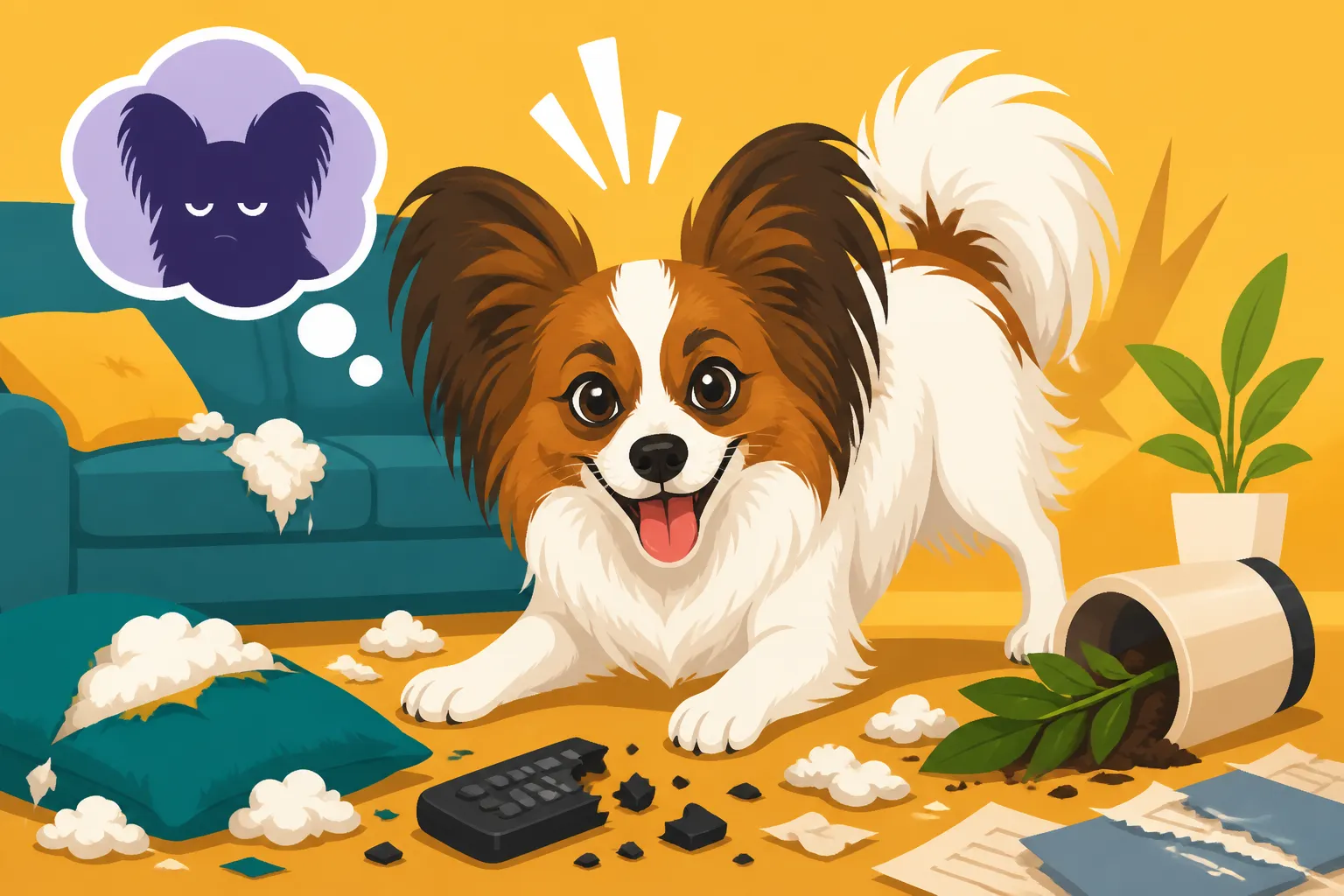
While puppy chewing is normal and necessary for exploration and teething, a bored adult Papillon can engage in destructive chewing that goes far beyond puppy antics. This often targets items with interesting textures, scents, or things that carry your scent, like shoes, remote controls, books, or furniture legs. The act of chewing is self-soothing and stimulating for dogs; if there's nothing appropriate to chew, they'll find something inappropriate.
The sheer frustration of coming home to a chewed-up favorite pair of spectacles or the corner of a coffee table can be immense. It feels personal, but it's not. Your Papillon isn't trying to punish you; they're trying to relieve their own internal pressure. Providing a variety of safe, durable chew toys can help, and rotating them keeps things interesting. Look for options on platforms like Amazon that cater to small, but mighty chewers. Remember, a Papillon's teeth, though small, are sharp and capable of significant damage when applied with determination over time.
Digging and Shredding
Papillons have a surprising amount of prey drive and curiosity, and these instincts can lead to digging and shredding behaviors when bored. This might mean tearing up cushions, digging at carpets or rugs, or systematically shredding paper products like mail, toilet paper, or even important documents. For them, it's an engaging activity that mimics digging for rodents or tearing apart prey. The texture, the sound, the challenge of it all is incredibly stimulating.
A potted plant might become an irresistible target for a bored Papillon, offering the sensory delights of loose soil and roots to investigate. Carpets provide a similar satisfaction, as they can "dig" and pull at fibers. This can be incredibly destructive to your home, creating trip hazards and costly repairs. These actions are often a clear sign that your dog needs more appropriate outlets for their natural foraging and exploring tendencies, as well as more structured activity.
Barking and Attention-Seeking
While not always physically destructive to property, excessive barking is a major manifestation of boredom and frustration in Papillons, and it can certainly destroy your peace and quiet, and your relationship with your neighbors! A bored Papillon might bark at every rustle outside, every person walking by, or simply at the empty air, trying to engage with their environment or get a reaction from you. This incessant vocalization is their way of saying, "I'm bored! I need something to do!"
Beyond barking, attention-seeking behaviors can include nudging, pawing, whining, or even nipping lightly to get a reaction. Again, any attention is better than no attention for a dog desperate for interaction. These behaviors, while irritating, are a clear communication that your Papillon's social and mental needs are not being met. Ignoring them completely can sometimes escalate the behavior as they try harder to get through to you, which is why a proactive approach to enrichment is far more effective.
Preventing Boredom-Induced Destruction
The good news is that destructive behaviors born from boredom are highly manageable and preventable with the right approach. It's all about proactive management, providing appropriate outlets, and understanding your Papillon's unique needs. Think of it less as "fixing" a problem and more as enriching your dog's life so they don't need to invent their own destructive entertainment.
Upping the Mental Game
Because Papillons are so incredibly intelligent, mental stimulation is arguably the most critical component in preventing boredom. They thrive on learning and problem-solving, and providing regular mental workouts can tire them out just as effectively as physical exercise. This can take many forms, from formal training sessions to interactive toys. Consider investing in a variety of puzzle toys that dispense treats, which can keep their minds engaged for extended periods. Brands available on Amazon offer a wide range of difficulty levels, from simple sniff mats to complex multi-step puzzles.
Beyond toys, structured training sessions are invaluable. Even 10-15 minutes a day, teaching new tricks or refining known cues, can make a huge difference. Papillons are quick studies and genuinely enjoy the process. Look into online training platforms like BAXTER & Bella, which provide comprehensive resources and guidance for engaging your dog's mind with positive reinforcement. Scent work, where you hide treats or toys for them to find, is another fantastic mental exercise that taps into their natural instincts and builds confidence. The Papillon Is the Smartest Toy Breed There Is for a reason, and putting that intelligence to good use is key.
Channeling Physical Energy
Despite their small size, Papillons have surprising stamina and need consistent physical exercise to stay happy and prevent pent-up energy from turning destructive. A short stroll around the block simply isn't enough for many Papillons. Aim for at least one longer, more engaging walk daily where they can sniff and explore, along with several shorter play sessions throughout the day. Remember, sniffing is a powerful mental stimulant, too, so let them take their time and explore new scents.
Consider opportunities for off-leash play in a securely fenced area, if safe and appropriate, where they can really stretch their legs and run. Games like fetch or even just running around with you in the yard can be incredibly beneficial. For those who enjoy dog sports, agility is a natural fit for Papillons, channeling their speed and intelligence into a constructive activity. How Much Exercise a Papillon Needs might surprise you, but meeting these requirements is fundamental to their well-being. If their physical needs are met, they'll be far more likely to relax calmly indoors rather than seeking out mischief.
Smart Management and Supervision
Sometimes, preventing destruction is as simple as smart management and supervision, especially during periods when you can't actively engage with your Papillon. Crate training, when introduced positively, can provide a safe, cozy den where your dog can relax without access to tempting, destructible items. It's not a punishment, but a personal space. When you can't directly supervise, like when you're busy with chores or stepping out, a crate or a securely puppy-proofed room can be a lifesaver.
Puppy-proofing isn't just for puppies; it's a lifelong strategy for a curious Papillon. Remove tempting items like shoes, magazines, remote controls, and houseplants from accessible areas. If a specific piece of furniture is often targeted, consider using bitter apple spray (though results vary) or temporarily blocking access. Consistent supervision when they are out in the main living areas allows you to redirect inappropriate chewing or digging to an appropriate toy before it becomes a habit. Learning What a Papillon Chews will help you anticipate and prevent.
Creating an Enriching Environment for Your Papillon
Moving beyond immediate solutions, the goal is to create a consistently enriching environment that naturally discourages boredom and destructive behavior. This involves thoughtful routines, ongoing training, and making good use of the many resources available to dog owners. A happy, well-adjusted Papillon is one whose fundamental needs are met through a balanced approach to care and engagement.
The Power of Routine
Dogs, including Papillons, thrive on routine and predictability. Knowing what to expect throughout the day can significantly reduce anxiety and boredom. Establish a consistent schedule for meals, potty breaks, walks, playtime, and training sessions. This structure helps them feel secure and gives them something to anticipate, making periods of quiet downtime more acceptable. For example, a morning walk followed by a puzzle toy can set a positive tone for the day.
While life inevitably throws curveballs, trying to maintain a general rhythm to your Papillon's day can be incredibly beneficial. They learn that certain times are for active engagement and certain times are for relaxation. This also helps you ensure all their needs are regularly met. A predictable routine for a Papillon has no idea it is small can help it learn the boundaries and expectations of its home life.
Social Connection and Training
Beyond basic care, ongoing social connection and training are paramount for a Papillon's well-being. Regular, positive interactions with family members are vital. This isn't just about petting; it's about engaging in play, talking to them, and including them in your daily life. Consider enrolling in dog training classes, even beyond puppyhood. These classes offer mental stimulation, reinforce good behavior, and strengthen the bond between you and your dog. You'll be amazed at How Fast a Papillon Learns a New Cue!
| Activity Type | Primary Benefit | Examples | Best For Addressing |
|---|---|---|---|
| Mental Stimulation | Cognitive engagement | Puzzle toys, scent work, trick training, obedience classes | Chewing, barking, restlessness |
| Physical Exercise | Energy release | Walks, fetch, dog sports (agility), running in a secure yard | Hyperactivity, digging, zoomies |
| Social Interaction | Connection & belonging | Playtime with owner, cuddles, being included in daily activities, dog parks (with caution) | Attention-seeking, whining, anxiety |
| Chew Management | Instinctual outlet | Durable chew toys, bully sticks, dental chews | Inappropriate chewing |
Platforms like BAXTER & Bella can be excellent resources for continued training and for finding new ways to connect with your Papillon. They offer a structured curriculum that keeps both you and your dog engaged, fostering a deeper understanding and preventing behavioral issues stemming from boredom. Remember, a well-trained Papillon is a confident Papillon, less likely to resort to destructive behaviors.
Tools and Resources for Engagement
The market is brimming with fantastic tools to keep your Papillon engaged and prevent boredom-induced destruction. Invest in a variety of high-quality, size-appropriate toys. This includes durable chew toys, puzzle toys, and interactive toys that can be stuffed with treats. Rotating these toys keeps things fresh and exciting. You can find an extensive selection on Amazon to suit any Papillon's preference.
Beyond toys, consider practical household adjustments. If you have slippery floors, adding rugs can provide better traction, reducing stress and potential injury that might lead to behavioral changes. Ramps or steps can protect their delicate joints from repeated jumping, which can lead to problems like Patellar Luxation Is the Papillon Problem You Will Actually Meet, and thus prevent pain-induced irritability. These thoughtful additions create a safer, more comfortable environment, contributing to a calm and well-behaved Papillon. Creating an environment where they feel safe and comfortable to engage with appropriate items is key to their long-term happiness.
Disclaimer
This article is for general informational purposes only and does not constitute professional advice. Laws, prices and regulations vary by location and change over time. Consult a qualified professional for guidance on your specific situation.