Why a Papillon Follows You Room to Room
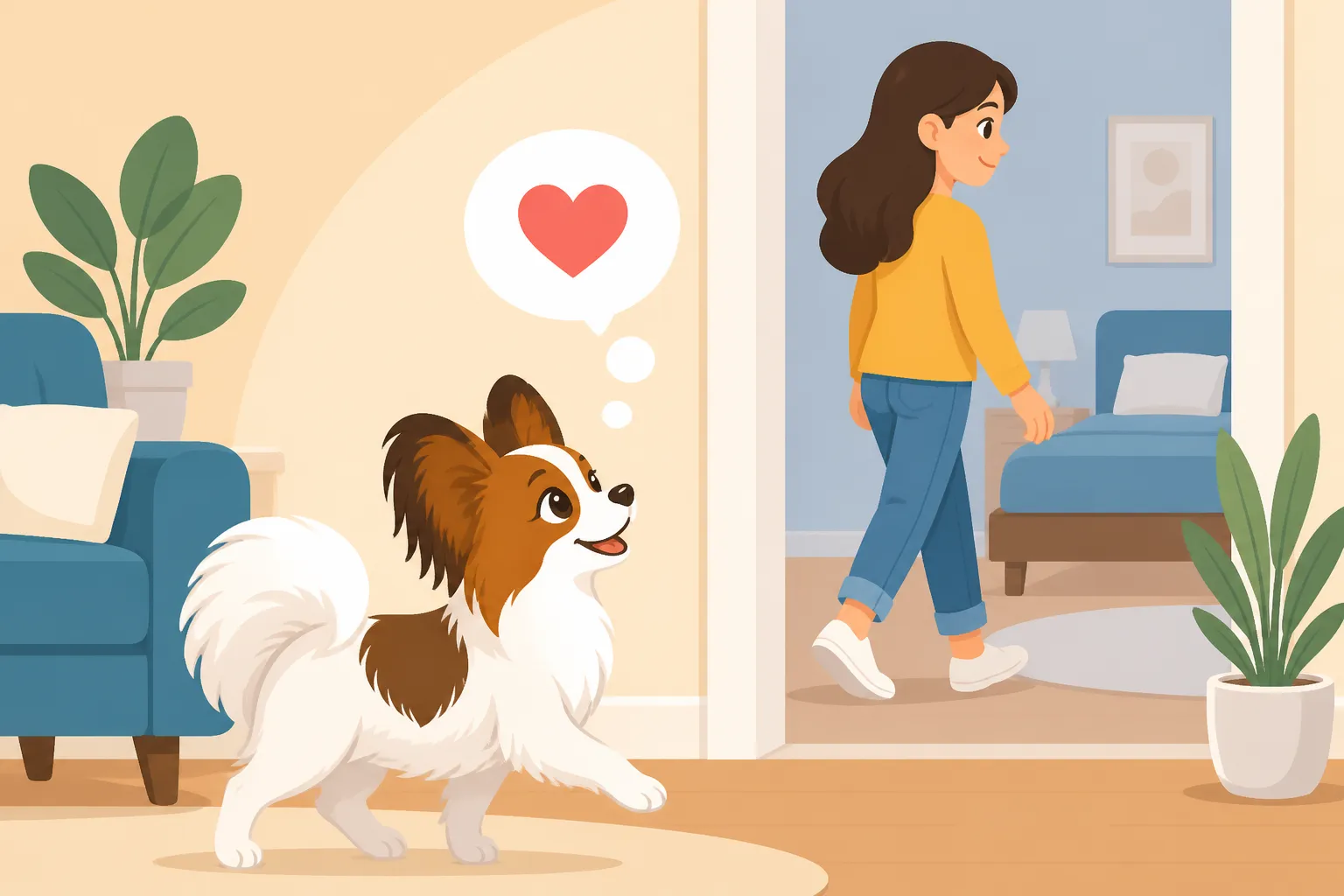
It’s a familiar scene for many Papillon owners: you get up to grab a cup of coffee, and there’s a little flurry of fur at your ankles. You head to the bathroom, and a small, eager face peeks around the door. You move from the living room to the kitchen, and your tiny companion trots faithfully behind, a perpetual shadow. While this can be incredibly endearing and a testament to their devotion, sometimes you might wonder why your Papillon follows you from room to room with such unwavering dedication. This guide will delve into the various reasons behind this charming, yet sometimes perplexing, behavior and offer insights into how to understand and manage it.
The Papillon's Innate Desire for Companionship
At their core, Papillons are deeply people-oriented dogs, bred for centuries to be cherished companions. This isn't just a quirky trait; it's a fundamental part of their genetic makeup and historical purpose. Understanding this deep-seated need helps explain why they often become such devoted shadows.
A Legacy of Lap Warmers and Court Companions
Go back through history, and you'll find the ancestors of the Papillon gracing the laps of European nobility and appearing in countless Renaissance paintings. These dogs weren't working animals; they were literally bred to be companions, often carried from room to room, bed to bed. Their sole job was to provide comfort, affection, and a touch of aristocratic charm. This continuous close proximity to their human means that centuries of selective breeding have etched a strong desire for human company into their very DNA. They thrive on interaction and see their human as the center of their universe. It's no wonder that a breed with such a rich history of being a constant presence by their owner's side would continue this tradition in modern homes.
The Ultimate "Velcro" Dog Personality
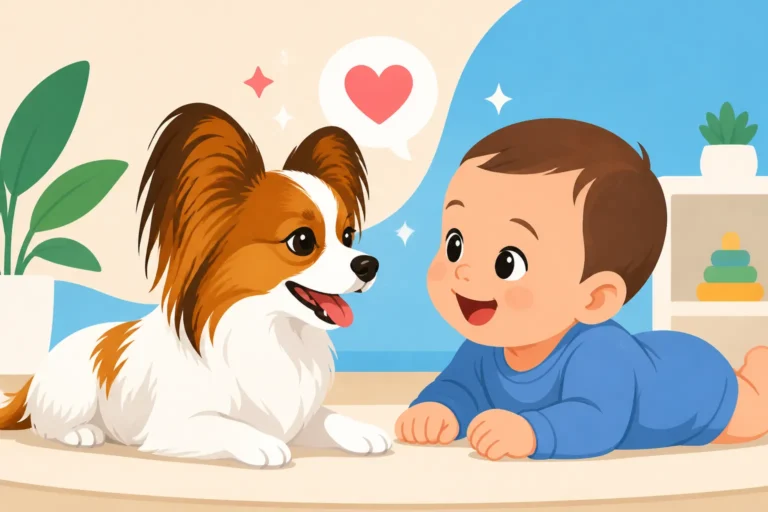
Many Papillon owners affectionately refer to their dogs as "Velcro dogs" because they stick so closely. This isn't just about physical proximity; it's about emotional connection. Papillons are known for their lively, intelligent, and affectionate personalities. They thrive on being involved in whatever their human is doing. If you're folding laundry, they might be supervising from a nearby rug. If you're working at a desk, they're probably curled up in your lap or a dog bed right next to your feet. They genuinely love being part of the action, no matter how mundane. This isn't usually a sign of insecurity in a healthy, well-adjusted Papillon, but rather an expression of their strong bond and their joyful participation in your life. You can see How a Papillon Shows Affection in many ways, and following you around is certainly one of them. They are happiest when they are with you, absorbing your energy and offering their quiet, comforting presence.
More Than Just Affection: Other Drivers for the Shadowing Act
While affection is a huge part of why your Papillon is always by your side, it's not the only factor at play. Their intelligence, need for stimulation, and even a touch of anxiety can also contribute to their persistent shadowing.
The Intelligence Factor: Understanding Routines and Anticipation
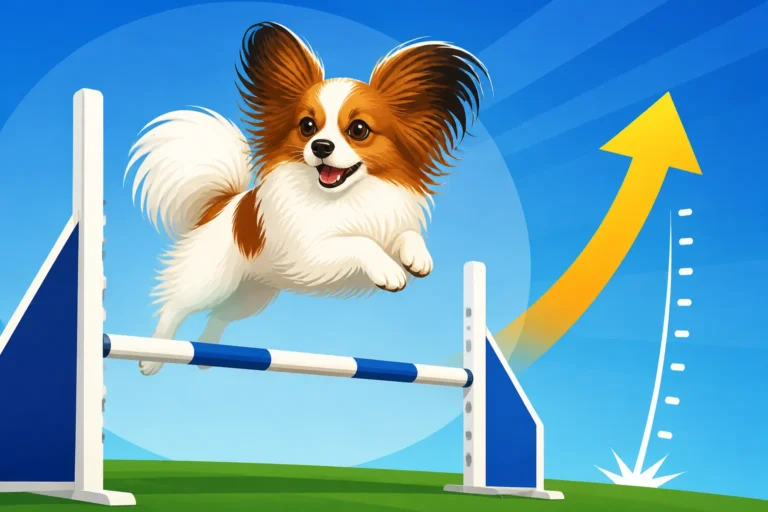
Papillons are renowned for their sharp minds. In fact, many consider The Papillon Is the Smartest Toy Breed There Is. This high intelligence means they are incredibly observant and quickly learn your routines. They pick up on subtle cues – the jingle of keys, the rustle of a particular bag, the shift in your posture – and can often anticipate your next move. If your routine typically involves you moving from the couch to the kitchen for a snack, your Papillon quickly learns this pattern. They follow because they've learned that your movement often leads to something interesting, whether it's a potential dropped crumb, a game, or simply a change of scenery. They're not just following blindly; they're often thinking a few steps ahead, predicting where the action might be next. This anticipatory behavior is a hallmark of intelligent breeds and is a fascinating aspect of their shadowing habit.
Boredom and the Need for Mental Engagement
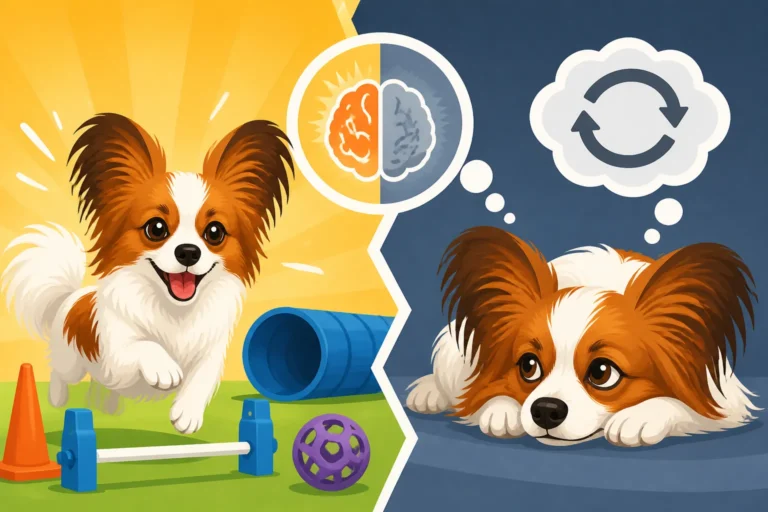
Sometimes, the constant following isn't just about love; it's about a lack of other stimulating activities. If your Papillon isn't getting enough mental and physical exercise, they might resort to shadowing you as their primary form of entertainment. What Mental Work a Papillon Needs is often underestimated. While they are small, their active minds require engagement. A bored Papillon might nudge your hand, bring you a toy, or simply stick to you like glue, hoping that your next movement will lead to an exciting game or a walk. If your Papillon spends a lot of time just watching you, without other toys or activities to occupy them, then following you might be the most interesting thing happening in their day. Consider whether their daily schedule provides enough enrichment. Could they benefit from a new puzzle toy you found on Amazon, or a short training session to learn a new trick?
Anxiety and the Fear of Missing Out (FOMO)
For some Papillons, especially those prone to a bit more anxiety, the shadowing behavior can stem from a genuine fear of missing out or being left behind. While not full-blown separation anxiety, it can manifest as a strong discomfort with being alone, even in another room. They might whine or pace if you close a door between you, or become visibly agitated if they lose sight of you for more than a few moments. This isn't about being manipulative; it's a genuine feeling of unease. It's important to differentiate this from typical Papillon clinginess. Signs a Papillon Has Separation Anxiety can include excessive barking, destructive behavior, or house-soiling when left completely alone, but even milder forms of anxiety can manifest as constant shadowing when you're home. They feel safest and most secure when they are right by your side, ensuring they are not forgotten or abandoned.
When Following Becomes a Problem: Addressing Over-Reliance
While a Papillon shadow can be incredibly sweet, there are times when the behavior might become a bit much, or when it suggests an underlying issue that needs attention. If you're tripping over your dog constantly, or if they seem genuinely distressed when you're out of sight, it might be time to implement some gentle strategies to encourage more independence.
Gentle Independence Training
Encouraging independence doesn't mean you love your Papillon any less; it means you're helping them build confidence and comfort in their own space. Start small. If your Papillon follows you every single time you move, begin by just stepping into another room for a few seconds and then returning before they get anxious. Gradually increase the duration.
- Create a "Happy Place": Designate a cozy dog bed or crate in a central area of your home, perhaps in the living room. Make this a positive space with favorite toys or a long-lasting chew. Encourage your Papillon to relax there while you're nearby, even if you're not directly interacting.
- "Stay" and "Place" Commands: Teach these commands with positive reinforcement. Reward them for staying in their designated spot for increasing periods while you move around the house. This helps them understand that they don't have to follow you every second.
- Brief Departures: Practice leaving the room and closing the door for just a minute or two. Return calmly, without making a big fuss. This teaches them that you always come back. Resources from reputable online training platforms, like those offered by BAXTER & Bella, often have excellent step-by-step guides for building this kind of independence in companion breeds. It's a gradual process, but hugely beneficial for your Papillon's overall well-being.
- Use Gates: Sometimes, a simple baby gate can work wonders. If you need to go into the kitchen, gently place the gate across the doorway. They can still see and hear you, but they learn that they can't always be right underfoot. This is especially helpful if you find yourself constantly navigating around them.
Enriching Their Environment Beyond Your Presence
A Papillon who is mentally and physically satisfied is less likely to feel the constant urge to follow you around simply out of boredom. Ensure they have plenty to keep their clever minds occupied even when you're not directly interacting.
- Puzzle Toys: These are fantastic for Papillons! Fill a KONG or a puzzle feeder with treats or a smear of peanut butter. These engage their brains and keep them busy for a good chunk of time. You can find a huge variety of these on Amazon. The act of figuring out how to get the treat is immensely satisfying for them.
- Scheduled Play and Training Sessions: Dedicate specific times each day for interactive play, like fetch or tug, and short training sessions. Even 10-15 minutes of focused training can be incredibly tiring for their intelligent minds. This fulfills their need for interaction and learning in a structured way.
- Sniff Walks: Don't underestimate the power of a good sniff walk. Letting your Papillon explore their environment with their nose is hugely enriching. They're gathering all sorts of information, which is mentally stimulating. Even a short walk around the block can be as tiring as a longer, more structured walk if they're allowed to sniff freely.
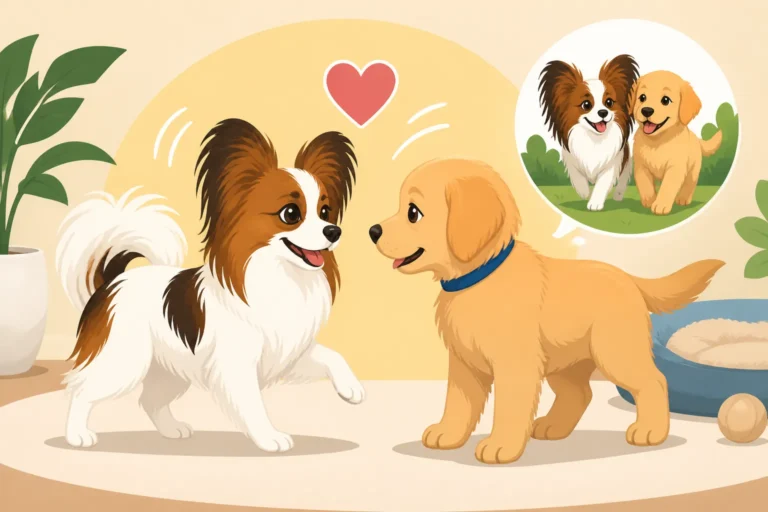
- Consider a Second Dog: While not for everyone, some Papillons thrive with a canine companion. Why Papillon Owners End Up With Two is often because these social little dogs enjoy having a playmate, which can reduce their sole reliance on human interaction. This isn't a guaranteed fix for shadowing, but it can provide another outlet for their social energy.
Establishing Boundaries for Your Comfort and Their Safety
While we adore our Papillons, it's okay to have certain areas or times where they aren't right at your heels. This creates a more harmonious living environment for both of you and can also be a safety measure.
- Bathroom Privacy: If your Papillon insists on following you into the bathroom, gently guide them out and close the door. This teaches them that some spaces are off-limits, which is a perfectly normal boundary. They'll quickly learn that you'll be back out.
- Kitchen Safety: The kitchen can be a hazardous place for a small dog, with hot liquids, dropped knives, and open ovens. Consider using a baby gate to keep them out of the main cooking area, especially during meal prep. They can still be nearby, but at a safe distance.
- Personal Space: Sometimes, you just need a moment to yourself. Teach a "bed" or "mat" command, where they go to their designated spot and settle. Reward them heavily for complying. This provides you with personal space and gives them a clear directive, which many intelligent Papillons appreciate. This also ties into building their confidence in being in a particular spot, rather than always needing to be in direct contact with you. A Papillon's ability to cope alone can be improved by these consistent boundaries and training, teaching them that being separate from you for short periods is okay.
Here’s a quick overview of potential reasons and solutions for the Papillon shadow:
| Reason for Following | Description | Recommended Action/Solution |
|---|---|---|
| Deep Affection & Bond | Naturally seeks proximity, wants to be with you always. | Enjoy it! This is part of their charm. No action needed unless it causes issues. |
| Learned Routine | Anticipates your next move based on past patterns. | Vary your routine occasionally; use "place" command. |
| Boredom/Lack of Stim. | Seeks interaction or something to do; under-stimulated. | Provide puzzle toys (e.g., from Amazon), regular play, sniff walks, short training sessions. |
| Mild Anxiety/FOMO | Discomfort when out of sight, fear of being left behind. | Gentle independence training, crate games, "place" command, gradual increases in alone time. |
| Seeking Attention | Has learned that following gets a reaction (positive or negative). | Ignore unwanted following; reward calm, independent behavior. |
| Protection/Alerting | Acting as a tiny, vigilant guardian, especially if How Much a Papillon Barks | Redirect attention, consistent "quiet" command. |
Ultimately, a Papillon following you from room to room is usually a testament to the incredible bond you share. They are loyal, devoted companions who truly love being an integral part of your life. By understanding the various motivations behind this endearing behavior, you can ensure your Papillon is not only a cherished companion but also a confident and well-adjusted member of your family. If you're ever concerned that the following is excessive or indicative of significant anxiety, don't hesitate to consult with a professional dog trainer or a veterinary behaviorist who can provide tailored advice for your unique situation.
Disclaimer
This article is for general informational purposes only and does not constitute professional advice. Laws, prices and regulations vary by location and change over time. Consult a qualified professional for guidance on your specific situation.