Whether a Papillon Bonds to One Person
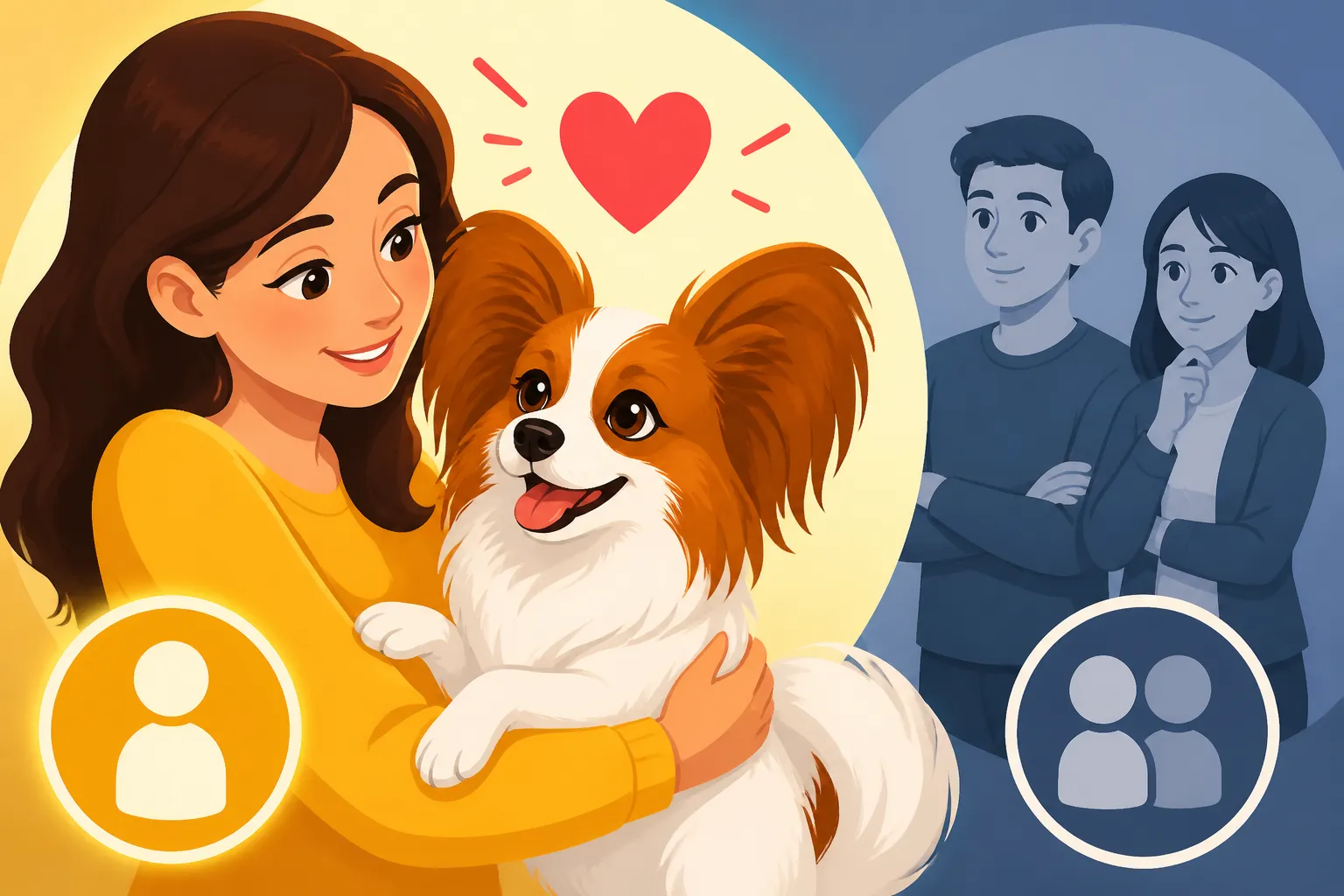
It's a common worry for many prospective Papillon parents: will this tiny, elegant dog become utterly devoted to just one human, leaving everyone else feeling a little left out? The truth is, while Papillons are incredibly loving and form deep attachments, they are generally not exclusive "one-person" dogs in the way some breeds are portrayed. This guide will dive into the delightful nuances of Papillon bonding, helping you understand how these intelligent companions share their hearts and how you can foster strong connections with every member of your household.
The Nature of Papillon Bonds: More Than Just a Lap Warmer
Papillons are renowned for their intelligence, vivacious personalities, and a surprising amount of "big dog" attitude packed into a small frame. This combination makes them highly adaptable and capable of forming bonds with many people, rather than strictly reserving their affection for a singular individual.
Why the "One Person" Myth Persists with Small Dogs
It's easy to see why the idea of a "one-person" small dog endures. Many toy breeds were historically bred to be companions, often carried by nobility or kept in close quarters. This led to a perception that they might be more delicate, more dependent, and thus more likely to cling to a single protector. For many small breeds, their sheer size can also make them feel vulnerable, leading them to seek out a primary source of security and comfort. Owners might also inadvertently encourage this behavior by being the sole provider of walks, food, or cuddles. If one person is consistently the only one meeting the dog's needs and desires, it's only natural that the dog will gravitate most strongly to that individual.
Furthermore, some small dogs, due to early life experiences or genetics, might develop a shyness towards strangers or new situations, leading them to retreat to the perceived safety of their most trusted human. It's not necessarily a preference for one person over others in the family, but rather a strong attachment to the person who represents their safe harbor in a sometimes overwhelming world. Validating this feeling is crucial; it's not a flaw in the dog or the family, but a natural canine response that can be managed with understanding and consistent effort.
Papillon Sociability: More Than Just a Lap Dog
Despite their toy breed classification, Papillons possess a remarkably social and outgoing temperament. They thrive on interaction and mental stimulation, often displaying a keen desire to be involved in whatever their human family is doing. This isn't a breed content to sit quietly in one person's lap all day, though they certainly enjoy a good cuddle! Their intelligence and eagerness to please mean they are often open to learning and engaging with multiple individuals. You'll find a Papillon is usually happy to participate in a game of fetch with one family member, then move to another for a grooming session, and happily settle next to a third for a quiet evening. Their affection isn't a finite resource; they seem to have an endless supply to share.
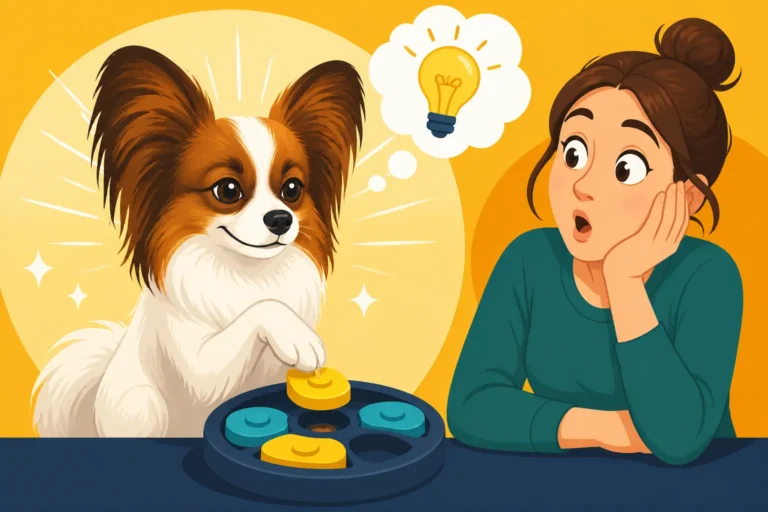
They are intelligent little creatures, often ranking high in canine intelligence studies. This means they are quick to understand routines, cues, and the different personalities within a household. They learn that different people offer different joys—one person might be the treat giver, another the playmate, and a third the comforting presence. This varied interaction actually strengthens their capacity to bond widely, as they associate positive experiences with multiple family members. The Papillon Is the Smartest Toy Breed There Is explores just how clever these dogs are.
Factors Influencing a Papillon's Bonding Preferences
While Papillons are generally predisposed to love everyone, there are several key factors that can shape their individual bonding patterns. Understanding these can help you ensure your Papillon distributes its affection equitably.
Early Socialization and Exposure: The Critical Foundation
The experiences your Papillon has as a puppy lay the groundwork for their entire adult life, including how they form attachments. A well-socialized Papillon puppy, exposed to a variety of people, sounds, sights, and other friendly animals from an early age, is far more likely to grow into a confident, outgoing adult who welcomes interaction from all family members and even respectful strangers. Puppies who are kept isolated, or who only ever interact with one primary caregiver, might develop a strong, almost exclusive bond with that person out of necessity rather than choice. They simply haven't learned to trust or engage with others.
If you're bringing home a new Papillon puppy, make it a family affair from day one. Have everyone participate in feeding, short training sessions, playtime, and gentle handling. Enrolling in a reputable puppy class, or using an online puppy training program like BAXTER & Bella, can provide structured socialization experiences, both with other dogs and with various people, ensuring your puppy learns that the world, and all its people, are generally safe and fun. This early, positive exposure helps prevent the development of a "one-person" mentality rooted in fear or inexperience. The First Year With a Papillon Puppy offers even more insights into this critical period.
Consistency in Care and Training: Building Trust with Multiple People
Dogs, like children, thrive on routine and consistency. When multiple people are involved in a Papillon's care and training, it teaches the dog that all these individuals are reliable providers of comfort, food, play, and security. If only one person ever feeds the dog, takes it for walks, or engages in training, that person naturally becomes the focal point of the dog's world. This isn't to say the dog won't love others, but the primary bond will almost certainly be with the main caregiver.
To foster family-wide bonding, ensure that tasks are shared. One person can handle morning walks, another evening feeding, and a third can be responsible for short training sessions throughout the day. Even simple things like who gives the daily treats or who initiates playtime contribute to building positive associations. When all family members use the same cues and methods, it also reinforces the dog's understanding and trust in everyone. This is especially important for house training, where consistency from everyone speeds up the process. How Long House Training a Papillon Takes highlights the importance of this consistency.
| Activity | Primary Caregiver Only | Shared by Family Members |
|---|---|---|
| Feeding | Papillon associates food source with one person. | Papillon associates all family members with sustenance. |
| Walking/Exercise | Dependence on one person for outdoor activity. | Views all family members as providers of adventure. |
| Training Sessions | Strong obedience to one person's commands. | Respects and listens to commands from everyone. |
| Playtime | Exclusive play bond, potentially shy with others. | Enthusiastic play with anyone willing to engage. |
| Grooming/Handling | Tolerates handling best from the primary caregiver. | Comfortable being touched and handled by all. |
| Comfort/Security | Seeks sole comfort from one person during stress. | Finds reassurance and safety with any family member. |
Personality and Breed Traits: Why Some Papillons Might Lean More
While Papillons as a breed are generally social, individual personalities will always vary. Just like humans, some Papillons are naturally more outgoing and eager to please everyone, while others might be a bit more reserved or discerning in their affections. Some Papillons, despite best efforts, may simply "click" more strongly with one particular family member due to subtle cues, energy levels, or even just who has the most time to dedicate to them. This isn't a failure, but simply an expression of individuality.
Furthermore, factors like How Sensitive a Papillon Is can play a role. A highly sensitive Papillon might gravitate towards the calmest, most predictable person in the household, finding their presence the most soothing. Conversely, a bolder Papillon might enjoy the lively energy of a more boisterous family member. It's also possible that if one person works from home, or spends significantly more time with the dog due to their schedule, a stronger bond will naturally develop simply due to sheer proximity and consistent interaction. Acknowledge these differences without judgment; the goal is a well-adjusted, happy dog, regardless of who gets the most enthusiastic greetings.
Cultivating Bonds with Your Papillon Family-Wide
So, you want your Papillon to be a true family dog, showering everyone with affection? It's absolutely achievable with a mindful approach and consistent effort from every member of the household.
Shared Responsibilities and Positive Reinforcement
The key to building strong, positive relationships with your Papillon is through shared responsibilities and consistent positive reinforcement from everyone. This means that everyone in the family should, at various times, be the one to feed, walk, play with, and train the dog.
Think about it from your Papillon's perspective: if Dad is always the one who brings out the food, and Mom is always the one who takes them for their exciting adventure walks, and the kids are the ones who throw the ball, your Papillon will learn that each person brings unique, wonderful things into their life. When they receive treats for good behavior from various hands, it reinforces their positive associations with each family member. You can find excellent training treats and even puzzle toys that require interaction on Amazon, which are great for engaging your Papillon's smarts with different people. What Motivates a Papillon delves deeper into understanding what drives these eager-to-please dogs.
Even mundane tasks, like brushing or nail trims, can be shared. If only one person ever does the less-than-thrilling tasks, that person might inadvertently become associated with less fun. Rotate these duties or, better yet, make them positive experiences by pairing them with praise and treats, regardless of who is performing them.
Making Every Interaction Meaningful
Beyond just shared duties, the quality of interaction truly matters. Encourage every family member to spend dedicated, positive one-on-one time with your Papillon. This could be a short training session where they teach a new trick, a quiet cuddle on the couch, or an enthusiastic play session in the yard. For example, if your Papillon loves to retrieve, have each family member take turns throwing a favorite toy. If they enjoy puzzle toys, let different family members present and supervise the puzzle.
These individual interactions build unique facets of the overall family bond. Your Papillon learns to appreciate each person for the specific joys they bring. It's about creating a rich tapestry of relationships, rather than just one strong thread. Also, ensure children are taught how to interact gently and respectfully with a small dog like a Papillon. How a Papillon Behaves With Children is an important read to ensure these interactions are positive and safe for everyone. Encourage quiet, calm petting rather than rough play, especially with very young children.
What Happens When You Have a Truly "One-Person" Papillon
Despite all your best efforts, sometimes a Papillon will still exhibit a strong preference for one individual. This can happen due to their early experiences before coming to your home, a particular personality quirk, or simply an undeniable chemistry with one specific person. If you find yourself in this situation, it can be frustrating for other family members, and sometimes even a little burdensome for the favored person.
The most important thing is not to scold the dog for their preference or force interactions that make them uncomfortable. Instead, continue with the strategy of shared positive experiences. Have the "favored" person subtly transfer some of their high-value roles to other family members. For example, if the dog only wants to go to the favored person for comfort, have that person quietly pass the dog to another family member while giving a treat, then slowly move away. The goal isn't to break the primary bond, but to expand the circle of trust and affection.
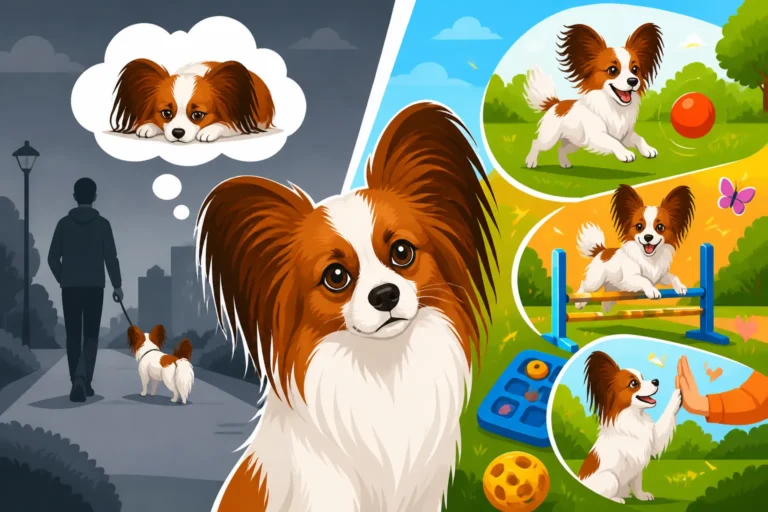
Consider enlisting the help of a certified professional dog trainer or behaviorist, especially if the dog's "one-person" behavior leads to guarding, aggression towards others, or severe separation anxiety when the favored person is absent. They can offer tailored strategies to help build confidence in the dog and strengthen bonds with everyone in the household. Remember, a Papillon is a sensitive and intelligent creature, and understanding their individual needs is paramount. How Long a Papillon Copes Alone can offer additional perspectives on managing their emotional well-being, especially if they are heavily reliant on one person.
Disclaimer
This article is for general informational purposes only and does not constitute professional advice. Laws, prices and regulations vary by location and change over time. Consult a qualified professional for guidance on your specific situation.