What a Papillon’s Tail Plume Needs
One of the most defining features of a Papillon is that magnificent, high-set tail, fanned out and flowing, giving the breed its "butterfly" look, but owners often worry about how to keep it looking so glorious without becoming a matted mess. It’s a common frustration to see that beautiful plume start to tangle or lose its luster. This comprehensive guide will walk you through everything you need to know to care for your Papillon’s tail plume, ensuring it remains healthy, vibrant, and a true crowning glory.
Understanding the Papillon Tail Plume's Unique Characteristics
The Papillon’s tail plume isn't just a pretty accessory; it's a key part of their breed standard and overall charm. It's often one of the first things people notice, and rightly so, as it truly embodies the elegance and daintiness of the breed. But beyond its aesthetic appeal, understanding its physical makeup and how its specific coat type impacts its care is essential.
The Anatomy of a Papillon's Tail and Its Feathering
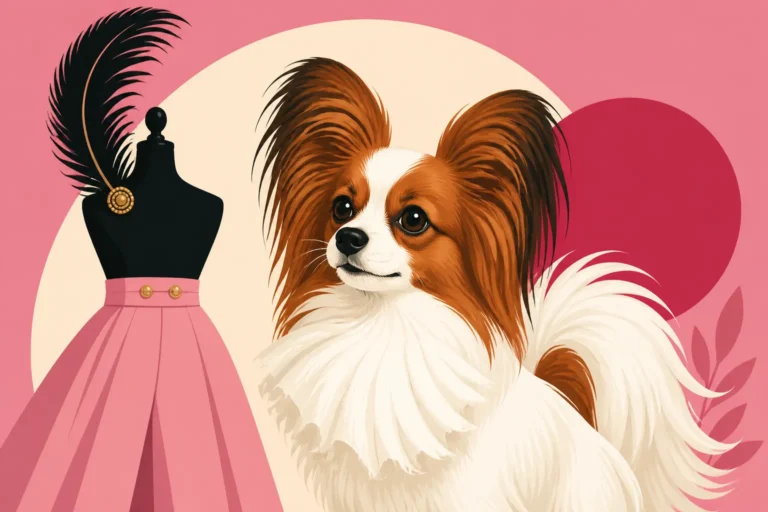
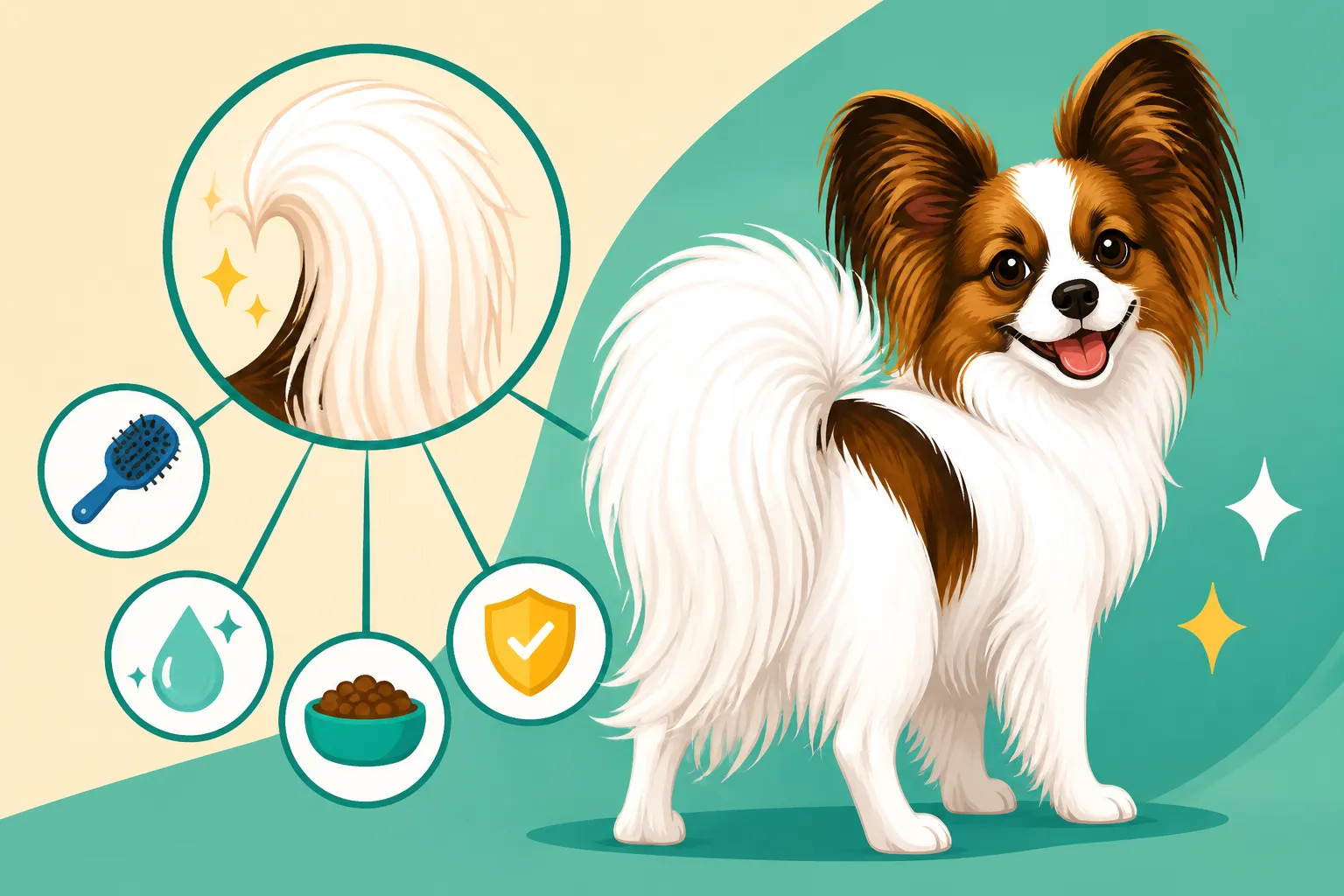
Imagine a Papillon's tail as an exquisite, feathered fan, held proudly over its back. This isn't just a handful of long hairs; it's a carefully structured arrangement of longer, silkier guard hairs that form that characteristic "plume." The tail itself is quite flexible, carried well over the body in an arch, which is where the magnificent feathering truly shines. The hairs on the tail are typically longer and softer than the body coat, designed to catch the air and create that ethereal, floating appearance. They originate from various points along the tail, growing in different directions to create the full, sweeping effect. The texture is usually a single coat, meaning there's A Papillon's Coat Is All Fringe and No Undercoat, which makes it prone to different kinds of matting than a double-coated breed might experience. It’s all about surface tangles, not dense undercoat knots.
Why the Plume is So Prominent and Iconic
The plume is not just prominent; it's iconic. It's the "brush" that distinguishes the Papillon from other toy breeds, a direct nod to its historical portrayal in royal courts. This distinct feature is a point of pride for breeders and owners alike. It's meant to be long, flowing, and a visual extension of the dog's spirited personality. When a Papillon carries its plume high, it exudes confidence and joy, a living testament to centuries of selective breeding that accentuated this beautiful trait. It’s a hallmark, much like their butterfly ears. This prominent tail often signals the dog's mood—a high, wagging plume speaks of happiness, while a tucked tail conveys apprehension. Its aesthetic value is undeniable, but it's also a functional appendage that requires proper care to maintain its grandeur.
How the Coat Texture Affects Plume Care
The texture of a Papillon's coat, particularly on the tail, is silky and fine. Unlike breeds with thick, woolly, or double coats, the Papillon's single coat is more prone to static, breakage, and surface tangles. This silky texture, while beautiful, can pick up burrs, debris, and even static electricity with surprising ease. This is why you might find little twigs or leaves embedded after a walk, or notice the plume frizzing slightly in dry weather. The absence of a dense undercoat means that any matting that does occur is usually a surface issue, but it can still pull painfully on the skin if left untended. Understanding this unique texture is the first step in successful plume care, as it dictates the types of tools and techniques you'll need. It’s all about being gentle and consistent, because those fine hairs can snap if you’re too rough.
Daily and Weekly Grooming for a Healthy Plume
Regular grooming is absolutely vital for maintaining the health and beauty of your Papillon's tail plume. Skipping even a few days can lead to knots that are much harder to untangle, causing discomfort for your dog and frustration for you. Think of it as a small, consistent investment of time that pays off in a gorgeous, happy pup.
Gentle Brushing Techniques to Prevent Mats
The key to brushing a Papillon's plume is gentleness and consistency. You’re not just trying to remove tangles; you're also distributing natural oils, stimulating circulation, and removing loose hair. Start by carefully misting the plume with a detangling spray or a very light conditioning spray – don't use plain water, as it can actually make mats tighter. Then, using a pin brush, gently brush in sections, starting from the tip of the tail and working your way up towards the base. Always brush with the direction of hair growth, never against it, and try to support the skin at the base of the plume to prevent pulling. When you encounter a tangle, don't yank! Instead, use your fingers to gently tease it apart, then follow up with the brush. For particularly stubborn mats, switch to a metal comb, using only the very tips of the teeth to work through the knot, one hair at a time. This might sound tedious, but it saves your dog a lot of pain and prevents unnecessary hair loss. Remember, How Often a Papillon Needs Brushing is usually a few times a week, with daily attention to the plume being ideal.
Products That Help Maintain Plume Health
Choosing the right products can make a world of difference in plume care. You want tools and treatments that support the silky, fine texture without weighing it down.
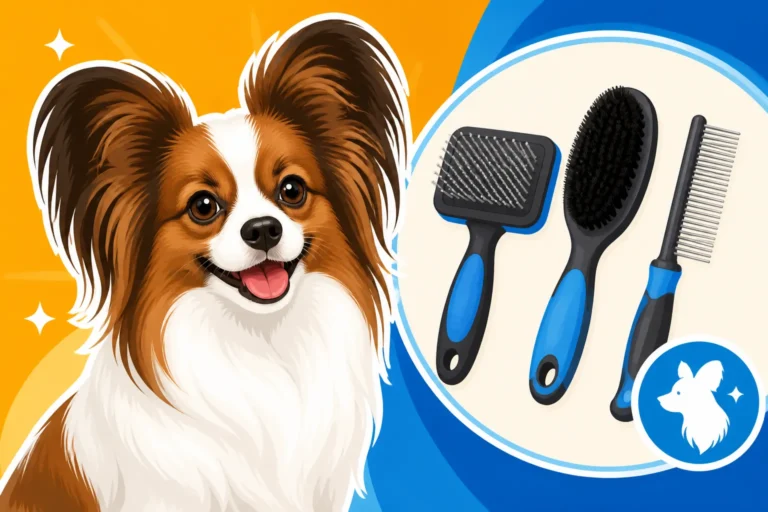
- Brushes and Combs: A good quality pin brush is indispensable. Look for one with smooth, rounded pins to avoid scratching the skin. A fine-toothed metal comb, or even a Greyhound comb with both fine and medium teeth, is excellent for working out small tangles and ensuring the plume is completely free of knots. For finishing, a natural bristle brush can help add shine. You can find a wide selection of these brushes and combs on platforms like Amazon or Chewy.
- Detangling Sprays: These are your best friends. A good detangling spray helps condition the hair, reduces static, and makes brushing much smoother. Apply it lightly before each brushing session. Look for sprays specifically designed for long, delicate coats.
- Conditioning Sprays/Leave-in Conditioners: For an extra boost of moisture and shine, especially in drier climates, a leave-in conditioner or conditioning spray can be applied sparingly. This helps prevent breakage and keeps the hair soft.
- Matting Solutions: In the unfortunate event of a stubborn mat, a specialized matting spray or oil can help lubricate the hair strands, making them easier to separate. Just be sure to use these sparingly, as too much can make the coat greasy.
Here's a quick comparison of essential grooming tools:
| Tool Type | Best Use Case | Benefits | Caution |
|---|---|---|---|
| Pin Brush | Daily brushing, general detangling | Gentle, glides through coat, removes loose hair | Pins can scratch if pressed too hard |
| Metal Comb | Working out small tangles, checking for mats | Precise, gets to the root of tangles | Can pull hair if used too aggressively |
| Natural Bristle | Finishing, adding shine, distributing oils | Smooths coat, gentle on skin | Not effective for detangling |
| Detangling Spray | Pre-brushing, reducing static, preventing mats | Lubricates hair, eases brushing, adds moisture | Overuse can make coat greasy |
| Mat Splitter | (Optional) For extreme, dense mats | Can break up severe tangles | Use with extreme caution, can cut skin/hair |
Handling Common Plume-Related Issues
Even with diligent care, your Papillon's plume can face a few common challenges.
- Static Electricity: This is common in dry environments or during winter. A detangling spray with anti-static properties can help immensely. Humidifiers in your home can also reduce static in the air.
- Dry, Brittle Hair: If the plume feels dry or looks dull, it might need more moisture. Consider a higher-quality conditioner during baths or a daily spritz of leave-in conditioner. Diet plays a role here too; ensuring your dog gets enough omega-3 fatty acids can contribute to a healthier coat.
- Mats Behind the Ears and Under the Plume: While we’re focusing on the plume, these areas are also prone to matting. Always check Whether a Papillon Mats Behind the Ears and in the "culottes" (the feathering on the back of the thighs) as well. Regular, gentle brushing across all feathered areas is key. If mats form, work them out slowly with your fingers and a comb. Never try to cut out mats with scissors parallel to the skin, as it's incredibly easy to cut your dog.
- Debris: Papillons love to explore, and their long hair can pick up burrs, twigs, and leaves. Always check the plume after outdoor adventures and gently remove any foreign objects immediately before they become matted in.
Bathing and Drying Your Papillon's Tail Plume
Bathing a Papillon isn’t just about getting them clean; it’s a crucial step in maintaining their magnificent coat, especially the tail plume. Done correctly, it can enhance shine and manageability. Done incorrectly, it can lead to tangles and dry skin.
Choosing the Right Shampoos and Conditioners
Just as with humans, the right hair products make all the difference. For a Papillon's delicate, single coat, you'll want to choose mild, moisturizing shampoos and conditioners.
- Sulfate-Free and Gentle Formulas: Harsh sulfates can strip natural oils, leading to dry, brittle hair and skin irritation. Opt for dog-specific shampoos that are labeled "gentle," "moisturizing," or "hypoallergenic." Many excellent options are available from reputable brands on Chewy or Amazon.
- Conditioner is Non-Negotiable: For that flowing plume, conditioner is absolutely essential. It helps to smooth the hair cuticles, reduce tangles, and add a protective layer. Look for conditioners with ingredients like oatmeal, aloe vera, or silk proteins, which are known for their moisturizing properties.
- Whitening Shampoos (Use with Caution): If your Papillon has white areas on their plume that are looking a bit dingy, a whitening shampoo can help brighten them. However, use these sparingly and always follow with a good conditioner, as they can sometimes be more drying.
- Avoid Human Products: Human shampoos and conditioners are formulated for a different pH level than canine skin and hair, and using them can cause dryness, irritation, and coat damage. Always stick to products made specifically for dogs.
Remember, the goal is to clean the plume without stripping it of its natural luster or causing dryness. Which Shampoo Suits a Papillon's Coat really depends on their specific needs, but moisturizing and gentle is always a safe bet.
Step-by-Step Guide to Washing the Plume
Washing your Papillon's plume doesn't have to be a wrestling match. With a calm approach and the right technique, it can be a relatively smooth process.
- Pre-Bath Brush: Before your Papillon even touches water, give their entire coat, especially the plume, a thorough brushing. This is critical because water can tighten existing mats, making them nearly impossible to remove without damage.
- Wet Thoroughly: Use lukewarm water and thoroughly wet the plume, ensuring the water penetrates all the way to the skin. You can use a detachable shower head for better control.
- Apply Shampoo: Dilute a small amount of shampoo with water in a separate cup. Gently apply the diluted shampoo to the plume, working it in with your fingers. Avoid scrubbing vigorously, as this can create tangles. Focus on gently squeezing the shampoo through the hair.
- Rinse Completely: This is arguably the most important step. Rinse the plume until absolutely all shampoo residue is gone. Any leftover shampoo can irritate the skin and leave the coat dull and sticky, attracting dirt and creating new tangles. Rinse, rinse, and rinse again.
- Apply Conditioner: Apply a generous amount of conditioner, again diluted if it's very thick, to the plume. Let it sit for a few minutes (check the product instructions) to allow it to penetrate and soften the hair. Gently work it through with your fingers.
- Final Rinse: Rinse the conditioner out just as thoroughly as the shampoo. You want the hair to feel clean and soft, not slick.
The frequency of bathing depends on your Papillon's lifestyle, but How Often a Papillon Should Be Bathed is usually every 2-4 weeks, or as needed if they get particularly dirty.
The Importance of Thorough Drying
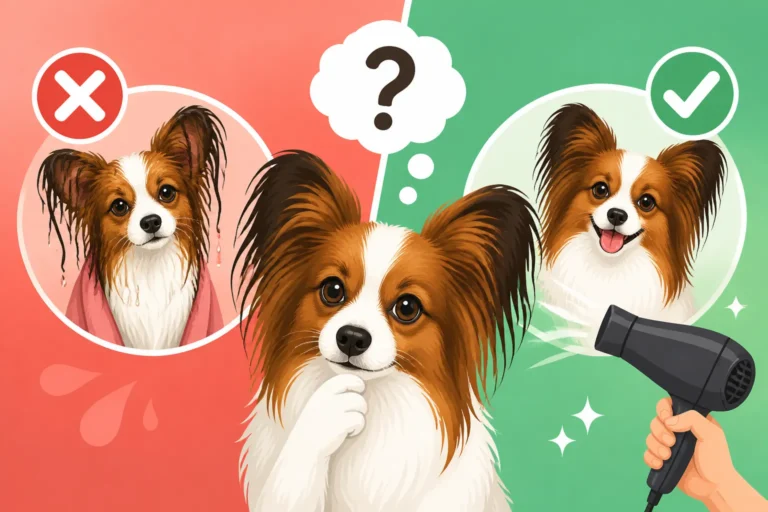
After a bath, proper drying is crucial to prevent matting and ensure the plume looks its best. Air drying a Papillon's plume is a recipe for disaster; it will likely result in a frizzy, tangled mess.
- Towel Dry Gently: Immediately after rinsing, gently squeeze excess water from the plume with your hands. Then, use a soft, absorbent towel to blot and pat the plume dry. Do not rub vigorously, as this can create tangles and damage the delicate hair.
- Blow Dry on Cool/Low Heat: A dog-specific blow dryer or a regular hairdryer on a cool or low-heat setting is best. Use a pin brush as you dry, gently brushing the hair in sections. Direct the airflow with the hair growth. This technique helps to straighten the hair, prevent tangles, and create that smooth, flowing look. Make sure to get the hair completely dry to prevent skin issues like hot spots and to deter matting.
- Final Comb-Through: Once the plume is completely dry, do a final comb-through with a metal comb to ensure there are no hidden tangles and that the hair is smooth and separated.
It might take a little extra time, but How Long a Papillon Takes to Dry properly is well worth the effort for a magnificent, tangle-free plume.
Protecting the Plume from Damage and Wear
Your Papillon's tail plume is a delicate work of art, and it needs protection from the rigors of daily life. From environmental stressors to dietary needs, several factors can impact its health and appearance.
Environmental Factors That Affect Tail Health
The world around us can be surprisingly harsh on a delicate plume.
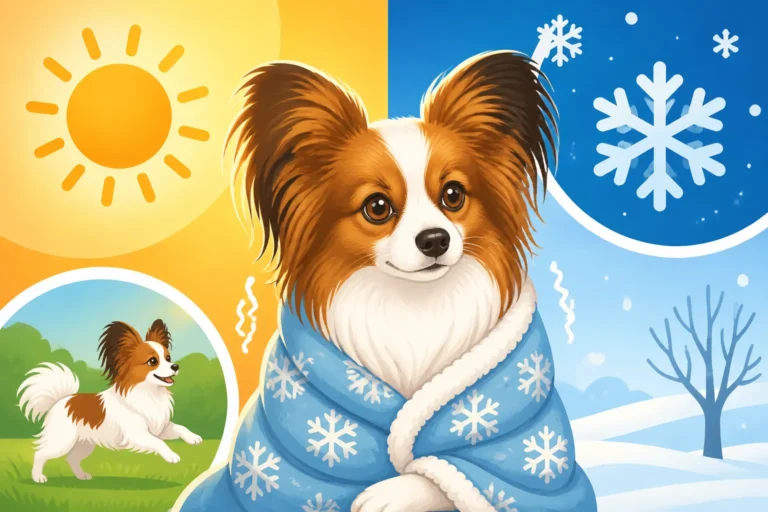
- Weather Extremes: Both extreme heat and cold can impact hair health. Dry winter air can lead to static and brittleness, while harsh sun in summer can cause fading and dryness. During very cold walks, you might even consider a lightweight dog coat that offers some protection for the tail, though finding one specifically designed for the plume can be a challenge. In summer, direct, prolonged sun exposure can lighten the color of darker plumes.
- Outdoor Adventures: While Papillons love the outdoors, their plumes are magnets for burrs, twigs, and mud. A quick run through tall grass can leave your dog's tail looking like a forest floor. It's essential to check the plume carefully after every outdoor excursion and remove any debris immediately. Consider training your Papillon to "leave it" or "come" when approaching thorny bushes.
- Household Hazards: Even inside, common items can snag and damage the plume. Furniture, rough carpets, or even enthusiastic tail wags against hard surfaces can cause breakage. Be mindful of areas where your dog frequently rests or plays.
Preventing Breakage and Split Ends
Just like human hair, a Papillon's plume can suffer from breakage and split ends, leading to a dull, straggly appearance instead of that luxurious flow.
- Gentle Handling: This cannot be stressed enough. Always be gentle when brushing, bathing, and even just petting your Papillon's tail. Rough handling is the number one cause of breakage.
- Regular Brushing: As discussed, consistent, gentle brushing helps prevent tangles that, when pulled, can snap hairs. It also distributes natural oils, conditioning the hair.
- Moisture and Conditioning: Dry hair is brittle hair. Ensure you're using a good quality conditioner after baths and considering a leave-in spray between baths, especially if your climate is dry.
- Avoid Over-Bathing: While regular baths are good, over-bathing can strip natural oils, leading to dryness. Stick to a reasonable schedule, typically every 2-4 weeks unless your dog gets unusually dirty.
- Dietary Support: A healthy diet contributes significantly to coat health. Ensuring your Papillon gets all essential nutrients is crucial. We'll delve into this more below.
- No Rubber Bands (Unless Very Loose): While some owners might be tempted to tie up the plume to keep it out of the way, tight rubber bands or hair ties can cause severe breakage. If you must, use very loose fabric scrunchies for short periods, but generally, it's best to let the plume flow freely.
Diet and Supplements for a Luxurious Plume
A healthy coat, including a magnificent tail plume, starts from within. What your Papillon eats directly impacts the quality, shine, and strength of its hair.
- High-Quality Dog Food: This is the foundation. Choose a dog food with high-quality protein sources as the primary ingredients. Look for foods that list meat (chicken, beef, lamb, fish) as the first few ingredients, not fillers like corn or soy. Reputable brands found on platforms like Chewy and Ollie often provide well-balanced nutrition.
- Essential Fatty Acids (Omega-3 and Omega-6): These are crucial for skin and coat health. Foods rich in omega fatty acids, such as salmon, flaxseed, or fish oil supplements, can dramatically improve the shine and texture of your Papillon's plume. You'll often find these ingredients listed on high-end dog food labels.
- Biotin and Zinc: These micronutrients also play a role in hair growth and skin health. Many quality dog foods include adequate amounts, but if your Papillon has persistently dry or dull hair, your vet might suggest a supplement.
- Hydration: Don't underestimate the power of fresh water! Good hydration is essential for overall health, including healthy skin and a shiny coat. Ensure your Papillon always has access to clean, fresh water.
- Supplements: While a balanced diet should cover most needs, some Papillons might benefit from specific supplements, especially if they have a history of dry skin or dull coats. Fish oil supplements are a popular choice for coat health. However, always consult your veterinarian before adding any supplements to your dog's diet, as too much of certain nutrients can be harmful. For senior Papillons, Whether a Papillon Needs Joint Supplements is a common consideration, but coat supplements are a different focus.
When to Seek Professional Grooming or Vet Advice
While much of your Papillon's plume care can be handled at home, there are times when a professional's expertise is invaluable. Knowing when to call in the cavalry can prevent minor issues from becoming major problems.
Identifying Persistent Matting or Skin Issues
Sometimes, despite your best efforts, a mat can form that seems impossible to remove, or you might notice skin irritation beneath the plume.
- Severe Matting: If you encounter a mat that is tight, pulling on the skin, or too large to safely disentangle yourself, it's time to call a professional groomer. Attempting to cut out a severe mat can easily result in accidental cuts to your dog's skin, which is much thinner and more delicate than you might think. Professional groomers have specialized tools and techniques to remove mats safely, often without resorting to shaving the entire plume, if possible. They can also provide guidance on preventing future mats.
- Skin Irritation: Redness, flaking, excessive scratching, or any unusual bumps or lesions under the plume warrant a vet visit. This could be anything from allergies to a skin infection or parasites. Leaving these issues untreated can lead to more serious health problems and significant discomfort for your Papillon. What a Papillon's Yearly Bloodwork Should Cover might include checking for underlying health conditions that manifest in skin or coat problems.
- Changes in Coat Quality: A sudden or progressive change in the plume's texture, thickness, or shine could indicate an underlying health issue. For example, a dull, brittle coat could signal nutritional deficiencies or metabolic problems. If you notice such changes, a vet check-up is a good idea.
Dealing with Unexpected Tail Injuries
Accidents happen, and a Papillon’s tail, while carried proudly, can sometimes be vulnerable to injury.
- "Happy Tail" Syndrome: This is more common in dogs with thicker tails that are wagged with extreme force against hard surfaces, but it can affect a Papillon's plume too. Constant wagging against furniture or walls can lead to small cuts and abrasions on the tail tip, which can be surprisingly difficult to heal because the dog keeps reinjuring it. If you notice blood on the tail or consistent licking/chewing, see your vet.
- Trauma: A tail can be stepped on, caught in a door, or injured during play. Signs of tail injury include limping, holding the tail in an unusual position, pain when touched, swelling, or obvious cuts/lacerations. Since How a Papillon Hides Pain incredibly well, you might need to observe closely for subtle changes in behavior or posture. Any suspected fracture or severe wound requires immediate veterinary attention.
- Infections: Cuts or skin irritations on the tail can become infected. Look for redness, swelling, pus, or a foul odor. Prompt veterinary care is essential to prevent the infection from spreading.
Understanding Age-Related Changes in the Plume
As our beloved Papillons age, their coats, including the tail plume, naturally undergo changes. Caring for an Aging Papillon often involves adjusting grooming routines.
- Thinning or Coarsening: The once lush and silky plume might become a bit thinner, coarser, or even a bit wiry with age. This is a normal part of the aging process, but good nutrition and regular conditioning can help mitigate it.
- Loss of Pigmentation: You might notice some graying, especially in darker areas, or a general fading of color. This is similar to human hair turning gray and is entirely normal.
- Increased Matting Tendency: Older dogs may be less tolerant of grooming sessions or may have reduced mobility, making thorough brushing more challenging. This can lead to an increased tendency for mats to form. Be extra patient and gentle during grooming.
- Dry Skin and Coat: Older Papillons can sometimes develop drier skin and coats. Ensure they are well-hydrated and consider adding a vet-approved omega fatty acid supplement to their diet to support skin and coat health.
Understanding these natural changes allows you to adjust your care routine appropriately, ensuring your senior Papillon's plume remains as comfortable and cared for as possible, even if it doesn't have the same youthful exuberance.
Disclaimer
This article is for general informational purposes only and does not constitute professional advice. Laws, prices and regulations vary by location and change over time. Consult a qualified professional for guidance on your specific situation.