Whether a Papillon’s Quick Is Hard to See
Papillon nail anatomy includes a living quick with blood vessels, making dark nails hard to trim safely without causing pain and bleeding.
The daily stuff, done right.
Feeding amounts by life stage, coat and skin routines, dental and nail care, exercise needs, and what changes as they age.
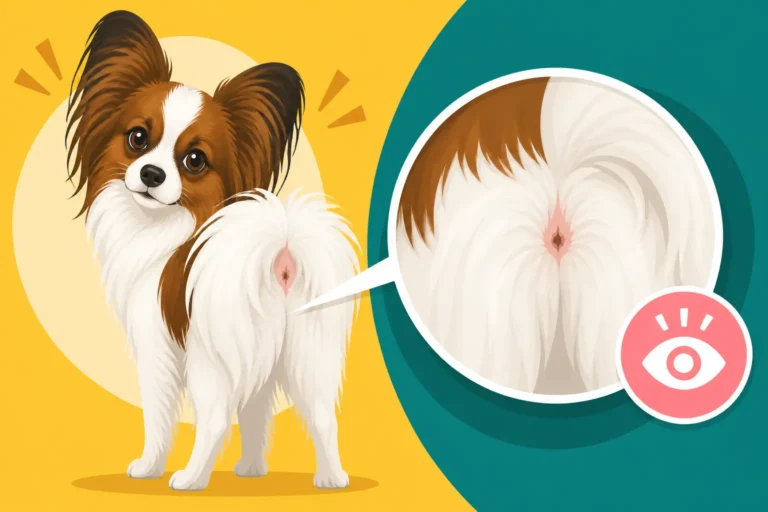
Papillon nail anatomy includes a living quick with blood vessels, making dark nails hard to trim safely without causing pain and bleeding.
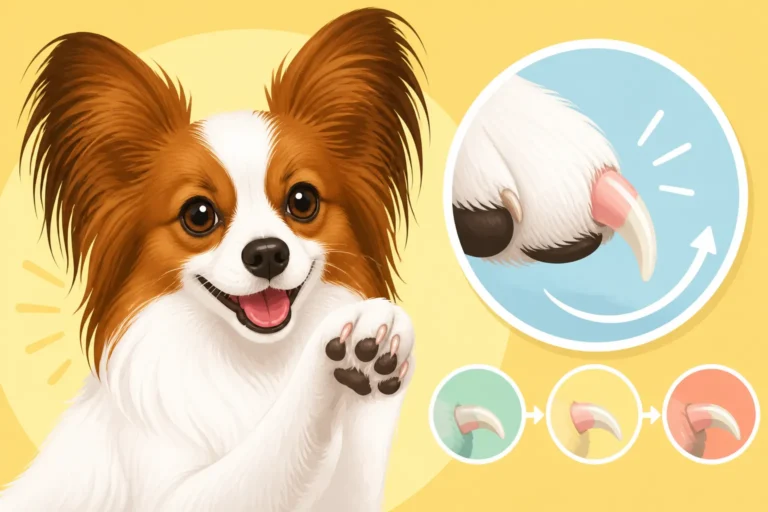
Papillon nail growth rates depend on diet, activity levels, genetics, and age, requiring regular manual trimming.

Papillon burrowing behavior stems from a need for warmth and security, driven by small body mass and denning instincts.

Papillon sleeping habits and bed preferences include burrowing instincts and the need for close human proximity.
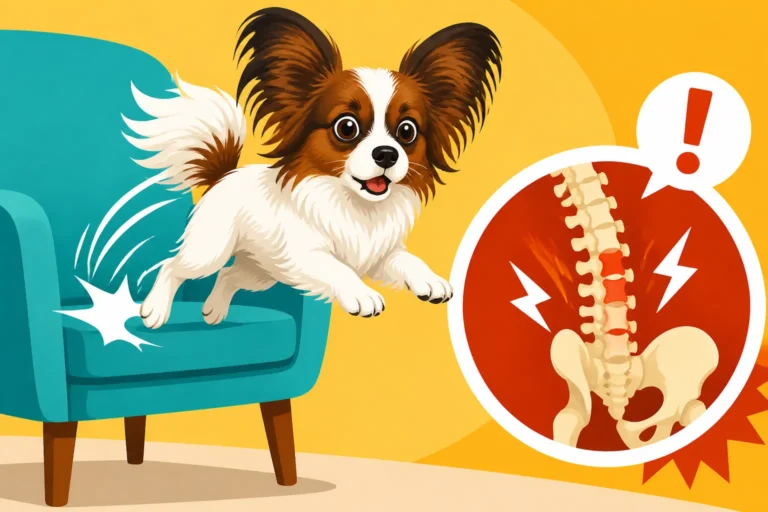
Papillon jumping from furniture risks delicate joints and causes patellar luxation, arthritis, and chronic pain.

Carrying a Papillon downstairs protects delicate joints and prevents patellar luxation, chronic pain, and injuries.
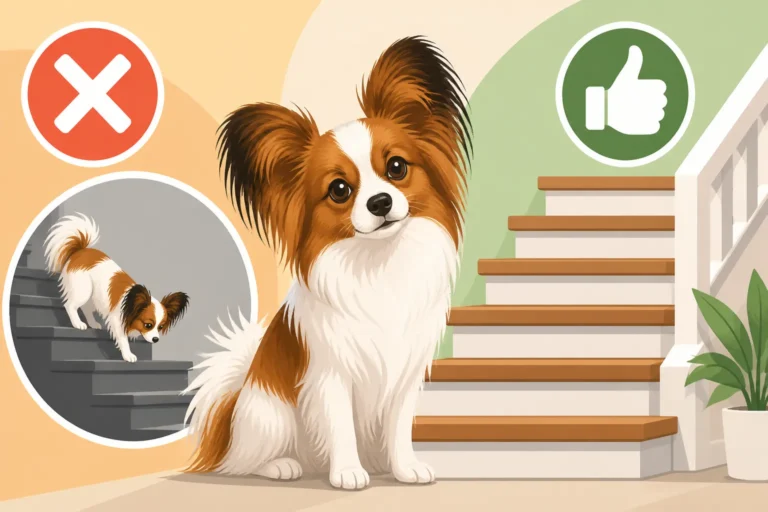
Stair safety for Papillons involves patellar luxation risks, joint strain, and fall hazards that threaten small dogs.
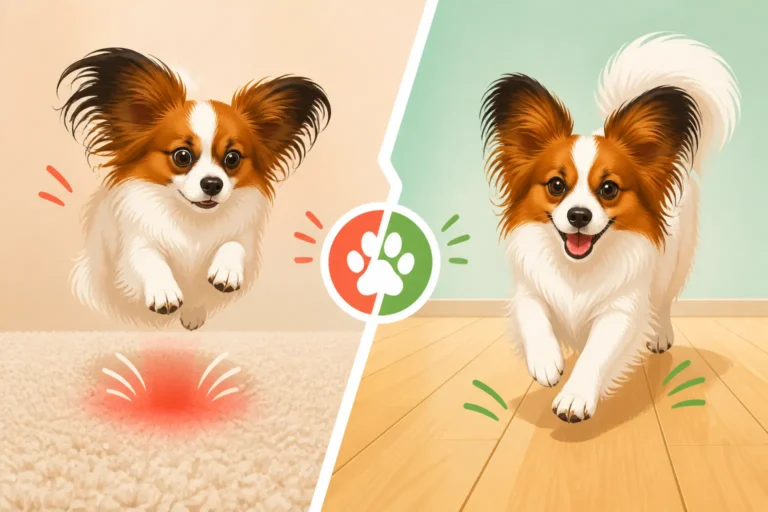
Bare floors change a Papillon landing and gait, causing paw splaying, joint strain, and chronic hip or knee stress.
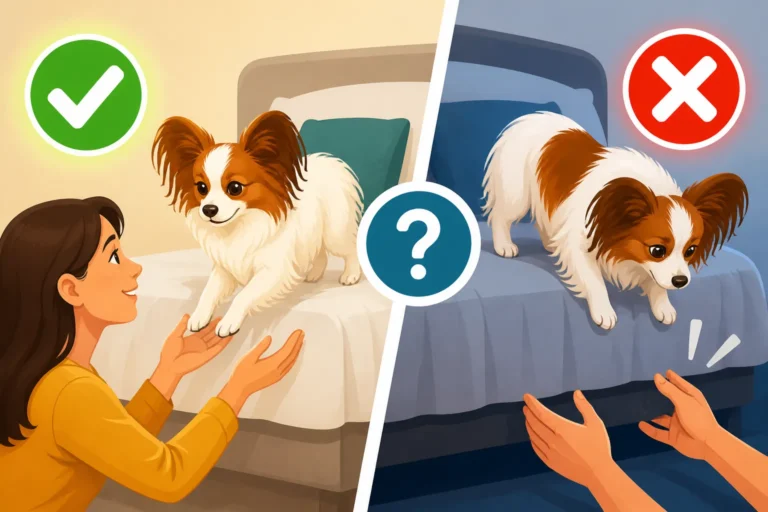
Papillon jumping from beds risks patellar luxation and joint injury, requiring safe alternatives to protect delicate bones and long-term mobility.

Papillon ramp angle details explain which incline a small dog will actually use to protect delicate knees and prevent joint strain.