Whether a Papillon Breeder Should Have Knees Certified
Papillon knee certification explains patellar luxation, grades 1 to 4 slipped kneecaps, and genetic joint issues in small dogs.
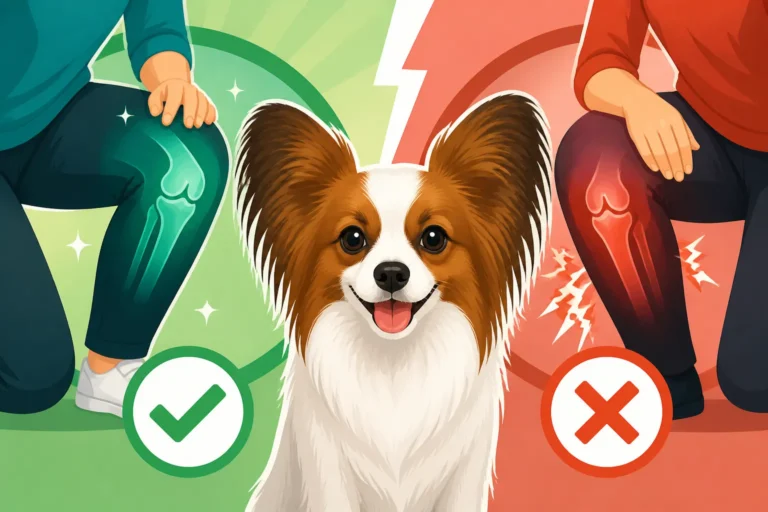
Papillon knee certification explains patellar luxation, grades 1 to 4 slipped kneecaps, and genetic joint issues in small dogs.
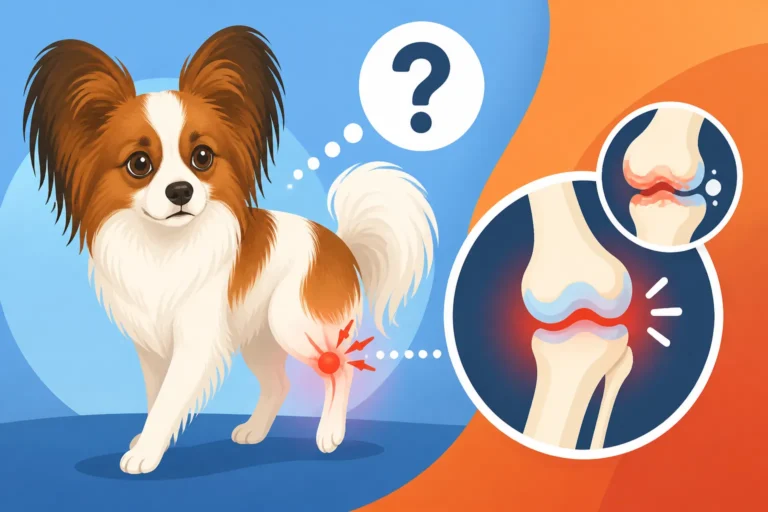
Patellar luxation in Papillons causes slipping kneecaps and joint damage, raising concerns about long-term arthritis risk.
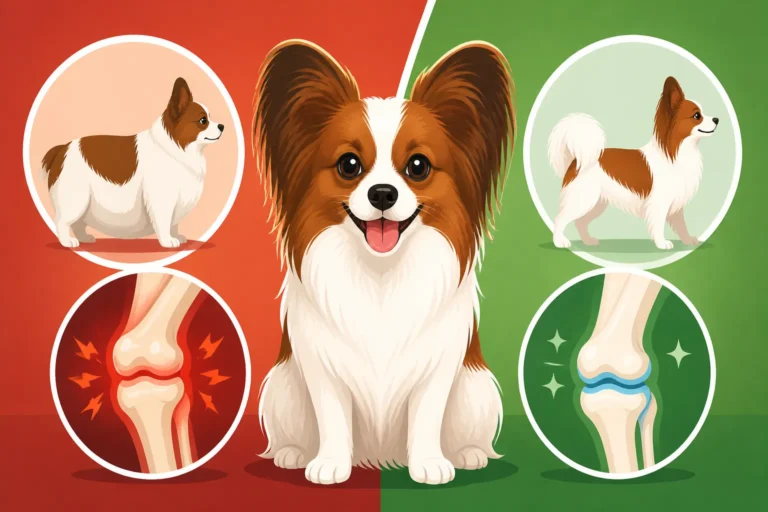
Papillon weight increases between five and ten pounds place severe strain on delicate knees, accelerating patellar luxation risks.
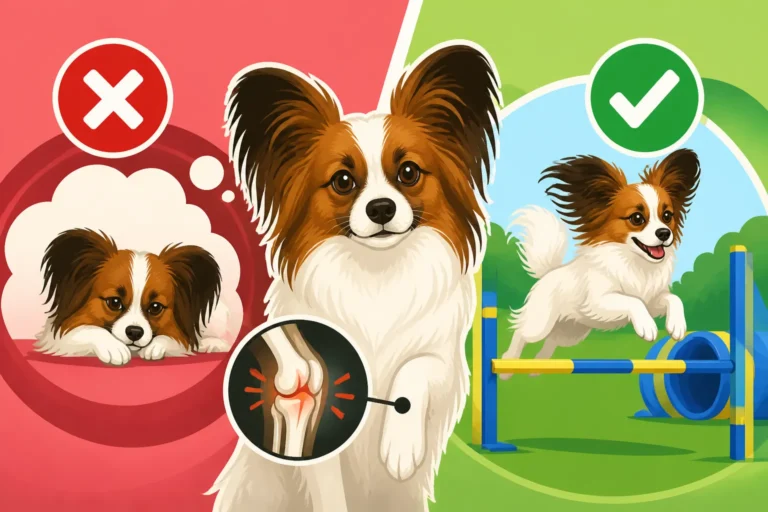
Papillon agility participation with a luxating patella carries risks explained through the four severity grades of slipping kneecaps.
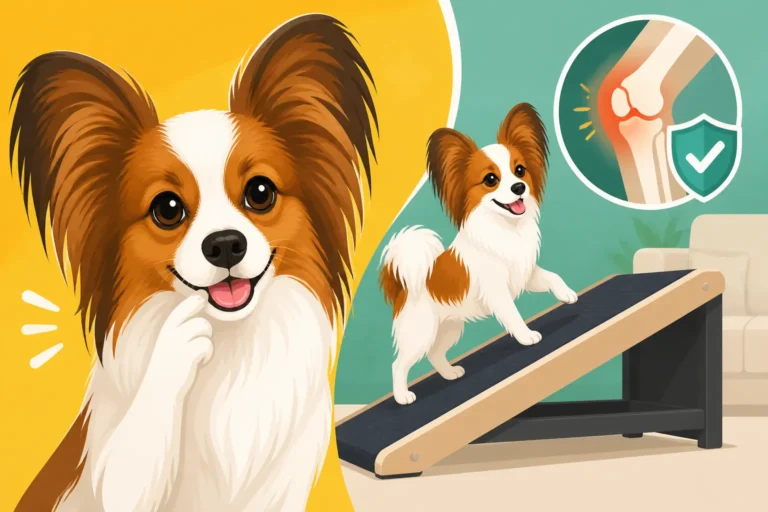
Ramps and steps protect a Papillon from patellar luxation by removing the high impact strain of jumping off beds and sofas.
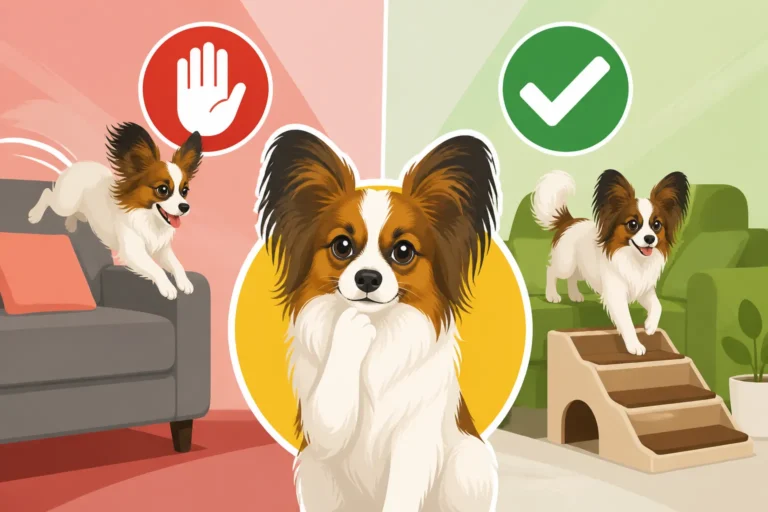
Papillon furniture jumping causes fragile bones and joint damage like patellar luxation, requiring prevention to protect your dog.
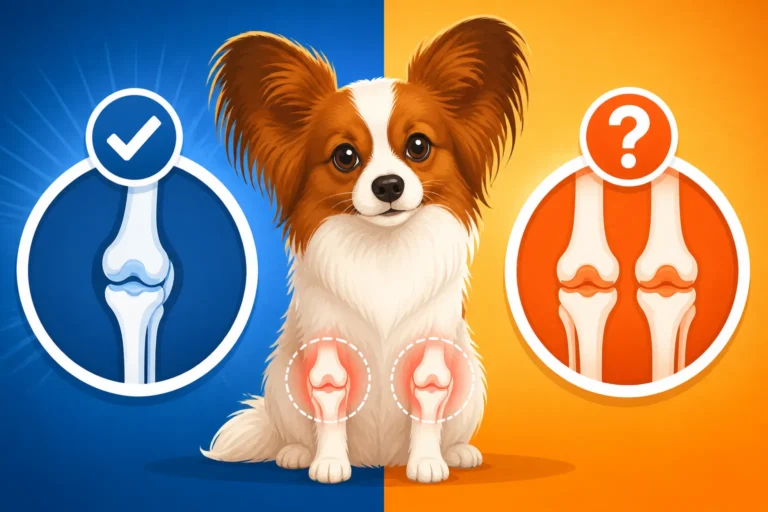
Papillon patellar luxation surgery decisions and bilateral knee involvement are explained for owners facing slipping kneecap diagnoses.
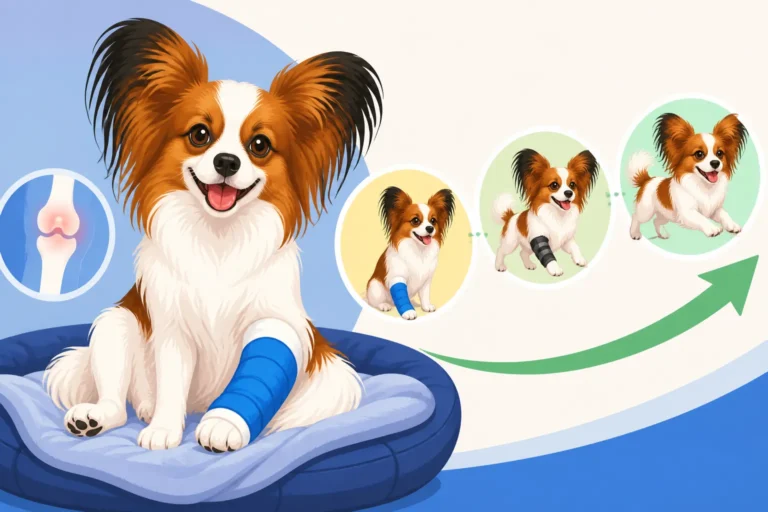
Papillon knee surgery recovery requires strict pain management, a calm environment, and careful incision monitoring at home.
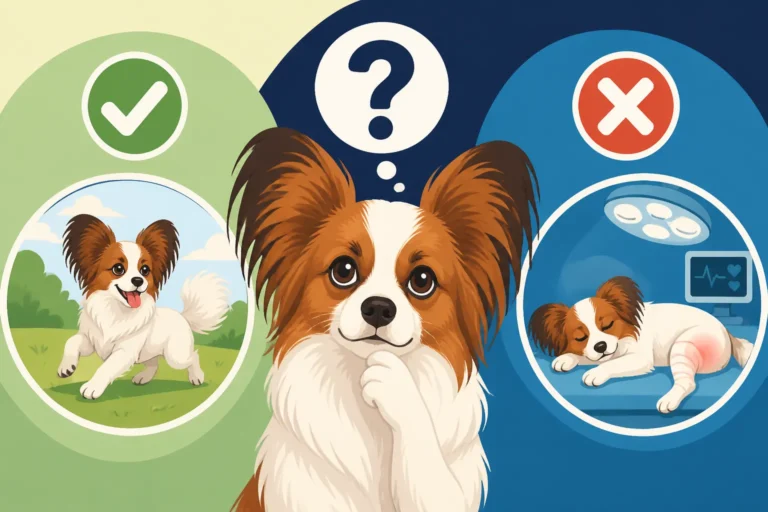
Patellar luxation in Papillons involves a slipping kneecap, causing intermittent lameness, and surgery is not always required.
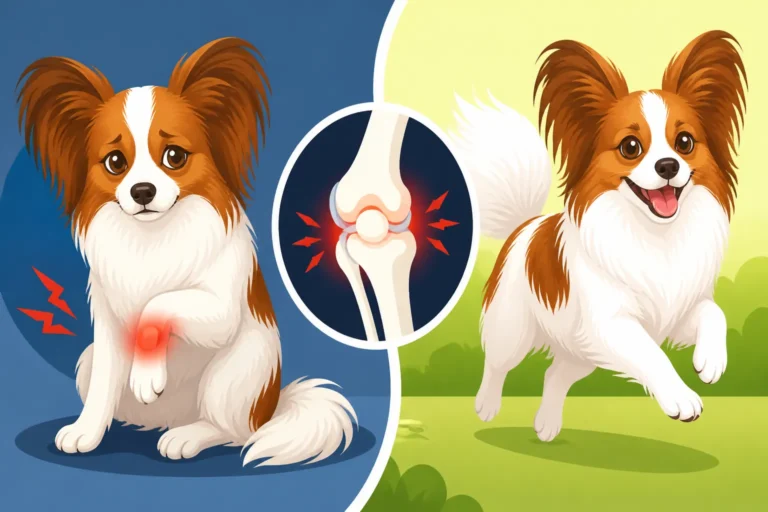
Papillon patellar luxation causes varying pain levels across four grades, explaining why some slipping kneecaps hurt dogs.