How Often a Papillon’s Fringes Need Washing
Oh, the gorgeous, flowing fringes of a Papillon! They're absolutely stunning, aren't they? Those magnificent ears, the elegant chest frill, the feathering on their legs and tail – it’s what gives them that regal, butterfly-like appearance we all adore. But let’s be real, those beautiful fringes are also magnets for every crumb, speck of dirt, and mysterious sticky substance they encounter. Keeping them looking pristine without constant bathing can feel like a full-time job, and you might wonder if you're washing them too often, or not often enough. This guide is going to dive deep into how frequently your Papillon's delicate fringes truly need washing, offering practical, realistic advice to maintain their beauty without overdoing it.
Understanding the Papillon's Unique Coat and Fringes
Before we even talk about washing, it's essential to understand what makes a Papillon's coat so special. It's not like a Golden Retriever's or a Poodle's, and that means its care needs are quite different.
The Papillon Coat: Silky and Single-Layered
A Papillon’s coat is distinctively silky, fine, and lacks an undercoat. This is a crucial detail because it means their coat doesn't shed in big clumps of fluffy undercoat like many other breeds do. Instead, they have a single layer of guard hairs that, while long and flowing, are generally less prone to dense matting all over the body. You can learn more about this in A Papillon's Coat Is All Fringe and No Undercoat. This lack of an undercoat contributes to their elegant drape and also means they can be more susceptible to temperature changes, but for grooming, it changes the game significantly.
Because there's no dense undercoat, the hair is less likely to trap moisture and dirt deep within the coat itself. However, the fineness and silkiness mean that anything it does pick up tends to stick to the surface and can quickly become tangled or matted if not addressed. Think of it like fine human hair – it shows dirt more readily than coarse hair, and tangles can form faster. Their coat is designed for beauty, not for slogging through mud, which is why those fringes, in particular, need special attention.
The Definition of "Fringes" on a Papillon
When we talk about a Papillon's fringes, we're not just talking about one area. These are the specific, longer areas of hair that truly define the breed's aesthetic and, coincidentally, are the most likely to get dirty.
First and foremost are those magnificent ear fringes – the very feature that gives the Papillon its "butterfly" name. These are the long, flowing hairs that frame their expressive ears. They sweep down, often touching their shoulders, and are constantly in motion, whether your Papillon is alert, playing, or just enjoying a gentle breeze.
Then there's the chest frill, a lovely cascade of hair on their sternum that can extend down towards their front legs. This area is often overlooked but can become quite discolored from drool, food, or simply rubbing against things. On their hind legs, you'll find the culottes, which are the feathering on the back of their thighs, sometimes called "pantaloons." These can drag on the ground, especially in a dog with abundant coat. Finally, the tail plume is that gorgeous, sweeping brush of hair carried high over their back. While generally less prone to getting truly dirty in the same way the others are, it can still collect dust or debris if your Papillon happens to sit or brush against something. Whether a Papillon's Fringe Is Longer Than Its Body Coat discusses how the length varies across their body. These areas are distinct from the shorter, smoother hair on their head and body, and they demand a different approach to cleaning.
Factors Influencing Fringe Washing Frequency
There's no single "one size fits all" answer to how often you should wash your Papillon's fringes. Their washing routine is highly individual and depends on several key factors related to their daily life.
Lifestyle and Environment
This is probably the biggest determinant of how often those beautiful fringes get grubby. Consider your Papillon's daily adventures. Do they spend most of their time indoors, perhaps napping on a clean sofa and venturing out only for short, leash walks on pavement? Or are they an adventurous explorer, romping through grassy fields, digging in the garden, or navigating muddy paths after a rain shower?
A Papillon living in an urban apartment with mostly indoor playtime and short walks on clean sidewalks will naturally have cleaner fringes than one who lives on a sprawling country property. If your dog loves to roll in the grass, that vibrant green tinge might appear more often, requiring more frequent spot cleaning. Puddles are another major culprit; a quick splash can turn pristine white culottes into muddy nightmares. Even just the dust and pollen in the air can settle on those long hairs, especially if your dog loves to lounge by an open window. Thinking about What a Papillon Does All Day can really help you pinpoint the sources of dirt.
Diet and Drooling Habits
What and how your Papillon eats and drinks can have a significant impact on the cleanliness of their chest frill and muzzle feathering. Are they a polite, dainty eater who carefully picks up each kibble? Or are they a bit more enthusiastic, leaving a trail of crumbs and wetness around their bowl? Wet food, in particular, can easily get matted into the fine hair around their mouth and chest, leading to crusty, discolored patches. Even dry kibble, if it's too small or crushed, can create a dusty mess.
Water bowls are another common source of dampness and discoloration. Some Papillons are enthusiastic drinkers, plunging their entire muzzle into the water, leaving their chest frill dripping. This constant dampness, combined with saliva and food particles, can lead to yellowish or brownish staining and even a slight odor if not cleaned regularly. If your Papillon is a picky eater, perhaps holding food in their mouth for a bit before chewing, this too can increase the mess around their muzzle. Getting a Picky Papillon to Eat might offer some insights if this sounds like your pup!
Individual Papillon Characteristics
Just like people, every Papillon is an individual, and their unique traits can affect how often their fringes need washing. Some Papillons have exceptionally long, thick ear fringes and culottes, making them more prone to dragging on the ground and picking up debris. Others might have a slightly shorter, less dense coat, which can be a bit more forgiving.
Consider their bladder control and potty habits. Male Papillons, especially, can be prone to "splashing" urine onto their culottes if they don't lift their leg high enough or if they're particularly well-endowed in the feathering department. This can lead to unsightly yellow staining and a distinct odor that absolutely requires immediate attention. Even females can sometimes get urine on their rear feathering.
Then there's personality! Some Papillons are neat freaks, meticulously cleaning themselves and avoiding messy situations. Others are little daredevils, convinced that every mud puddle is an invitation to play. A Papillon who loves to roll around, rub against furniture, or wrestle with other dogs will naturally get dirtier faster than a more reserved couch potato. Even the way their ears are set can play a role; a true Papillon with erect, butterfly ears might have their fringes less in the way than a Phalene (drop-eared variety), though both still accumulate debris.
General Guidelines for Washing Papillon Fringes
With all those variables in mind, let's get into some practical guidelines for keeping those fringes clean and beautiful. The key here is balance: keeping them clean without stripping their natural oils or irritating their delicate skin.
Spot Cleaning: Your First Line of Defense
Hands down, spot cleaning is your best friend when it comes to Papillon fringes. This is often all that's needed between full baths and can save you a lot of time and effort in the long run. The moment you see a smudge, a food particle, or a damp, discolored patch, address it!
For minor dirt or dust, a soft, damp cloth (microfiber works wonderfully) can be all you need. Simply moisten the cloth with plain warm water and gently wipe the affected fringe area. For slightly more stubborn spots, a pet-safe wipe, like those available at Amazon or your local pet store, can be a lifesaver. Keep a container by the door or near their feeding station for quick clean-ups. These wipes are formulated to be gentle and won't dry out the skin or coat. For dried mud or food, let it dry completely, then try brushing it out gently with a fine-toothed comb or a small slicker brush before attempting any wet cleaning. Many Papillon owners find success with a bit of cornstarch or specific dry shampoos for dogs to absorb oils and lift minor dirt, which you can then brush out. This daily diligence is far more effective than waiting for a full bath to tackle accumulated grime. Don't forget that How Often a Papillon Needs Brushing is also a crucial part of preventing dirt from becoming embedded.
Full Fringe Washing: When and How Often
While spot cleaning is fantastic, there will be times when a dedicated fringe wash is necessary. This isn't about giving your entire dog a bath, but rather focusing specifically on those feathered areas that are truly soiled.
Generally, for an indoor Papillon with a relatively clean lifestyle, a full fringe wash might be needed weekly or bi-weekly. If your dog is more active outdoors, especially in wet or muddy conditions, you might find yourself doing a targeted fringe wash every few days, or as soon as they get particularly messy. For most Papillons, a full body bath might only be needed every 3-4 weeks, or even less, depending on their activity and coat health. The idea is to localize the washing to prevent over-drying the skin on the rest of their body. If you're washing just the fringes, you can do it more frequently than a full bath.
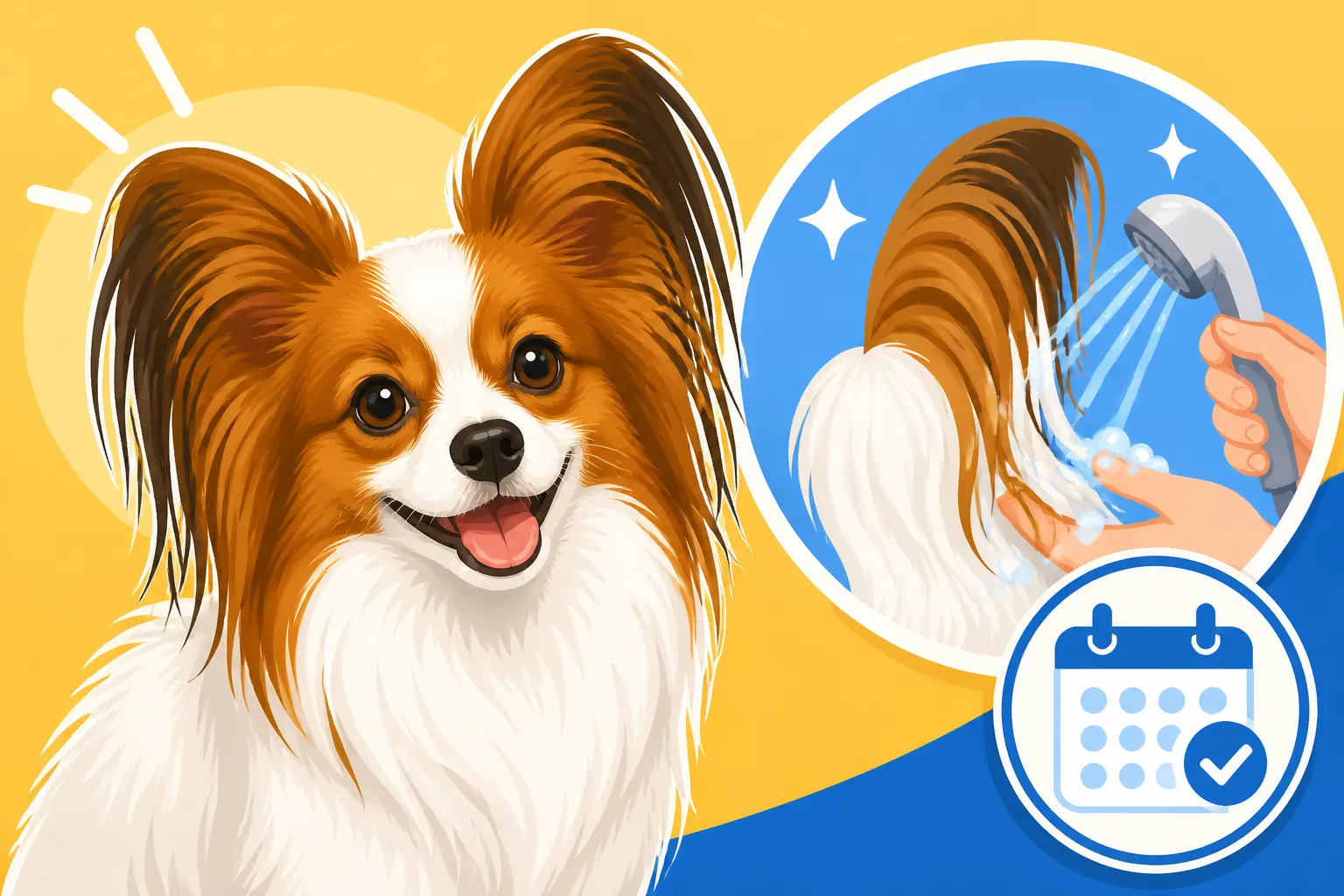
The process involves using a mild, dog-specific shampoo and warm water. Concentrate the shampoo only on the soiled areas – the ear fringes, chest frill, and culottes. Lather gently, making sure to work the shampoo down to the skin without scrubbing too harshly. The most critical step is rinsing. You absolutely must rinse thoroughly until every last trace of shampoo is gone. Residual shampoo can irritate the skin, cause dryness, and attract more dirt, making the problem worse. For tips on full body washing, you can consult How Often a Papillon Should Be Bathed.
Seasonal Considerations
The time of year plays a significant role in how often those fringes collect dirt. During spring and fall, when rain is more frequent, mud becomes a constant enemy. Your Papillon might bring in more mud on their paws and culottes, necessitating more frequent washing. This is also prime allergy season, and pollen can stick to their coat, potentially causing irritation if not washed off.
Summer often means dry, dusty conditions, which can accumulate on fringes, but also presents the risk of grass seeds or burrs getting tangled. Winter, especially if you live in an area with snow and ice, can be tricky. While snow itself might seem clean, de-icing salts and other chemicals on sidewalks can be very irritating and necessitate washing the leg and belly fringes immediately after walks. The dry air in winter can also make a Papillon's skin more sensitive, so balancing cleanliness with moisturizing (using a gentle conditioner) becomes even more important. Adjust your routine to the season – perhaps less frequent deep cleaning in dry summers, but more frequent rinsing and spot cleaning in muddy springs or slushy winters.
| Factor | Recommended Fringe Washing Frequency | Notes |
|---|---|---|
| Indoor, Low Activity | Weekly spot clean, Bi-weekly wash | Less exposure to dirt, food mess main concern |
| Outdoor, Moderate Activity | Every 2-3 days spot clean, Weekly wash | Regular walks, light play, occasional mud |
| Outdoor, High Activity/Muddy | Daily spot clean, As needed (daily-bi-daily) wash | Trail walks, park play, frequent mud/puddles |
| Excessive Drooling/Food Mess | Daily post-meal wipe, Daily spot clean | Focus on muzzle/chest fringes, may need gentle shampoo for stains |
| Incontinence/Urine Splash | Immediate wash after incident | Critical for hygiene and preventing skin irritation |
| Allergy Season | Daily wipe/rinse, Weekly wash | Removes pollen and environmental irritants |
Step-by-Step Guide to Washing Papillon Fringes
Once you've determined a fringe wash is needed, having a clear, gentle process can make it less stressful for both you and your Papillon.
Gathering Your Supplies
Preparation is key to a smooth and quick washing experience. You don't want to be scrambling for supplies with a wet, wiggly Papillon!
Here's what you'll need:
- Mild Dog Shampoo: Absolutely essential. Choose a formula that is pH-balanced for dogs and ideally tearless for the face areas. Look for options designed for sensitive skin or long coats. Many great options are available from retailers like Chewy.
- Dog Conditioner: A light conditioner can help detangle and moisturize the fringes, preventing dryness and making them less prone to matting. This is especially important for the delicate ear fringes.
- Small Towels: Have at least two on hand. One for the initial towel-dry, and another for wrapping if needed.
- Fine-toothed Comb or Pin Brush: For pre-brushing and post-washing detangling. A metal Greyhound comb is excellent for working through fringes.
- Small Basin or Sink: Much easier than a full tub for just a few fringes.
- Warm Water Source: A spray hose attachment on your sink can be incredibly helpful for targeted rinsing.
- Low-Heat Blow Dryer (Optional but Recommended): To ensure the fringes are thoroughly dry and prevent mats.
- Treats: Plenty of high-value treats to reward cooperation and make the experience positive.
Having everything within arm's reach before you even get your Papillon wet will prevent unnecessary stress and potential messes.
The Washing Process
Now for the actual washing! Remember, the goal is targeted cleaning, not a full dunk.
- Pre-Brush: Before any water touches their coat, gently brush out the fringes you plan to wash. This helps remove any loose dirt, tangles, or minor mats. Trying to wash matted hair will only make the mats tighter and harder to remove later. Pay special attention to the hair behind the ears, the chest, and the culottes. You can read more about brushes in Which Brushes a Papillon Owner Has to Buy.
- Wet Gently: Using lukewarm water, thoroughly wet only the specific fringes you intend to wash. A small cup or a spray nozzle works well for this. Avoid saturating the rest of their body if you’re just doing a fringe wash. For ear fringes, cup your hand over the ear canal to prevent water from entering.
- Apply Shampoo: Squeeze a small amount of dog shampoo into your palm, dilute it slightly with water, and gently work it into the wet fringe areas. Lather very gently with your fingertips, ensuring you reach the skin but avoid vigorous scrubbing, which can cause tangles. For the chest frill, focus on areas prone to food stains. For culottes, wash the back of the legs where dirt accumulates.
- Rinse, Rinse, Rinse: This is perhaps the most crucial step. Rinse all the shampoo out of the fringes. Use clean, lukewarm water and continue rinsing until the water runs clear and the hair feels squeaky clean, not slippery. Residue will attract dirt and cause skin irritation. A spray nozzle is excellent for directing the water precisely. For ear fringes, tilt their head slightly so water runs away from their face. Which Shampoo Suits a Papillon's Coat can help you choose the right product.
- Condition (Optional but Recommended): If you're concerned about dryness or tangles, apply a tiny bit of dog conditioner, focusing on the ends of the fringes. Leave it on for a minute or two, then rinse even more thoroughly than you did with the shampoo.
Drying and Finishing Touches
Proper drying is just as important as washing to prevent matting and keep your Papillon comfortable.
- Towel Dry: Immediately after rinsing, gently squeeze excess water from the fringes. Then, use a soft towel to blot and pat the areas dry. Avoid rubbing vigorously, which can create tangles. You want to get as much moisture out as possible with the towel.
- Blow Dry (Recommended): For those long, silky fringes, air-drying isn't usually enough, especially if they are dense. Residual dampness can lead to skin issues or matting. Use a low-heat setting on your pet-specific or human blow dryer, keeping the nozzle a safe distance from the skin. Gently brush the fringes as you dry, separating the hairs to ensure even drying and to prevent tangles from forming. This step is vital for keeping the fringes looking their best and feeling soft. For the ear fringes, dry from the root to the tip, following the direction of the hair growth. How Long a Papillon Takes to Dry can give you an idea of overall drying time.
- Final Comb and Rewards: Once completely dry, give the fringes a final gentle comb-through to ensure there are no tangles. Offer plenty of praise and treats throughout the drying process, making it a positive experience for your Papillon. This will make future grooming sessions much easier.
Preventing Dirty Fringes and Maintaining Cleanliness
Beyond just washing, there are many proactive steps you can take to keep your Papillon's fringes cleaner for longer, reducing the need for frequent full washes.
Proactive Grooming and Hygiene
Regular, consistent grooming is your best defense against perpetually dirty fringes. It's much easier to prevent mats and deep-seated dirt than to remove them.
Daily Brushing: This cannot be stressed enough. A quick, gentle daily brush-through of all the fringes – ears, chest, culottes, and tail – will remove loose hair, dust, and any surface dirt before it has a chance to settle and become embedded. A pin brush followed by a metal comb is usually the best combination for a Papillon's coat. How Long a Papillon Takes to Brush highlights how quick this can be for a Papillon.
Ear Cleaning: While we're talking about ear fringes, remember to also regularly check and gently clean the inner part of your Papillon's ears. A cotton ball or soft cloth dampened with a vet-approved ear cleaner is all you need. This prevents wax buildup and keeps the area healthy, which in turn helps keep the outer fringes looking good. How Often a Papillon's Ears Need Cleaning has more details.
Sanitary Trims: This is often overlooked but incredibly helpful. Carefully trimming the hair around your Papillon's paw pads and, more critically, around their sanitary area can prevent a lot of mess. For males, a slight trim of the belly hair around the sheath can minimize urine splash. For both sexes, keeping the hair around their rear neat and tidy will prevent fecal matter from clinging to their culottes and tail plume. Always use blunt-nosed scissors or a small trimmer specifically designed for pets, and exercise extreme caution. You can also consult Whether a Papillon's Feet Need Trimming for foot-specific trimming advice.
Belly Bands (for males): If you have a male Papillon prone to marking indoors or splashing himself, a belly band can be a real game-changer. These fabric wraps fit around their waist, covering the privates, and can prevent urine from reaching their beautiful culottes and chest frill.
Environmental Adjustments
Sometimes, the simplest solutions involve modifying your Papillon's environment to minimize exposure to dirt.
Elevated Food and Water Bowls: For dogs who are messy eaters or drinkers, elevated bowls can help. They encourage a more upright posture, which can reduce the amount of food or water that drips onto their chest frill. Look for non-slip or heavier bowls that won't tip over easily, as well as those with narrower openings for water to encourage less "face dunking." Retailers like Ollie sometimes offer pet accessories, or you can find a good selection at any pet supply store.
Ramps and Steps: While primarily for protecting their delicate joints from jumping, ramps and steps to furniture can also indirectly keep fringes cleaner. If your Papillon isn't jumping off sofas and beds, they're less likely to brush against dusty floors or catch their fringes on rugs during landing.
Indoor Rugs and Runners: If you have hard floors, consider adding washable rugs or runners in high-traffic areas, especially near doors. This can capture some dirt from their paws before it gets tracked throughout the house and onto their fringes when they lie down.
Outdoor Gear: In particularly muddy or wet conditions, consider a lightweight dog coat or even dog boots for very short walks. This isn't for every Papillon, and some will tolerate it better than others, but it can provide a barrier against the elements for their body coat and legs. Just ensure the gear is comfortable and doesn't rub or cause mats.
Dealing with Persistent Stains and Odors
Despite your best efforts, sometimes stains or odors can be stubborn. These often occur on the chest frill from food, or on the culottes from urine.
For yellowish or brownish food stains on the chest or muzzle, consistent daily wiping and regular washing with a good quality brightening shampoo (specifically formulated for white or light-colored coats) can help. Some owners use a tiny bit of baking soda paste (baking soda mixed with water) as a gentle stain remover, applied carefully and rinsed thoroughly, but always test on a small, inconspicuous area first and consult your vet if you're unsure.
For urine stains and odors on the culottes, immediate washing is key. If neglected, urine can burn the skin and cause infections. A thorough wash with a pet-specific odor-eliminating shampoo, focusing on that specific area, is crucial. Ensure the area is dried completely to prevent further skin issues.
If you notice a persistent, foul odor that doesn't go away with washing, or if there's any skin redness, irritation, or hair loss associated with the stained areas, it's time for a vet visit. There could be an underlying skin infection, allergies, or even issues like urinary tract infections contributing to the problem. Your vet can rule out medical causes and recommend appropriate treatments or stronger topical solutions if necessary.
Disclaimer
This article is for general informational purposes only and does not constitute professional advice. Laws, prices and regulations vary by location and change over time. Consult a qualified professional for guidance on your specific situation.