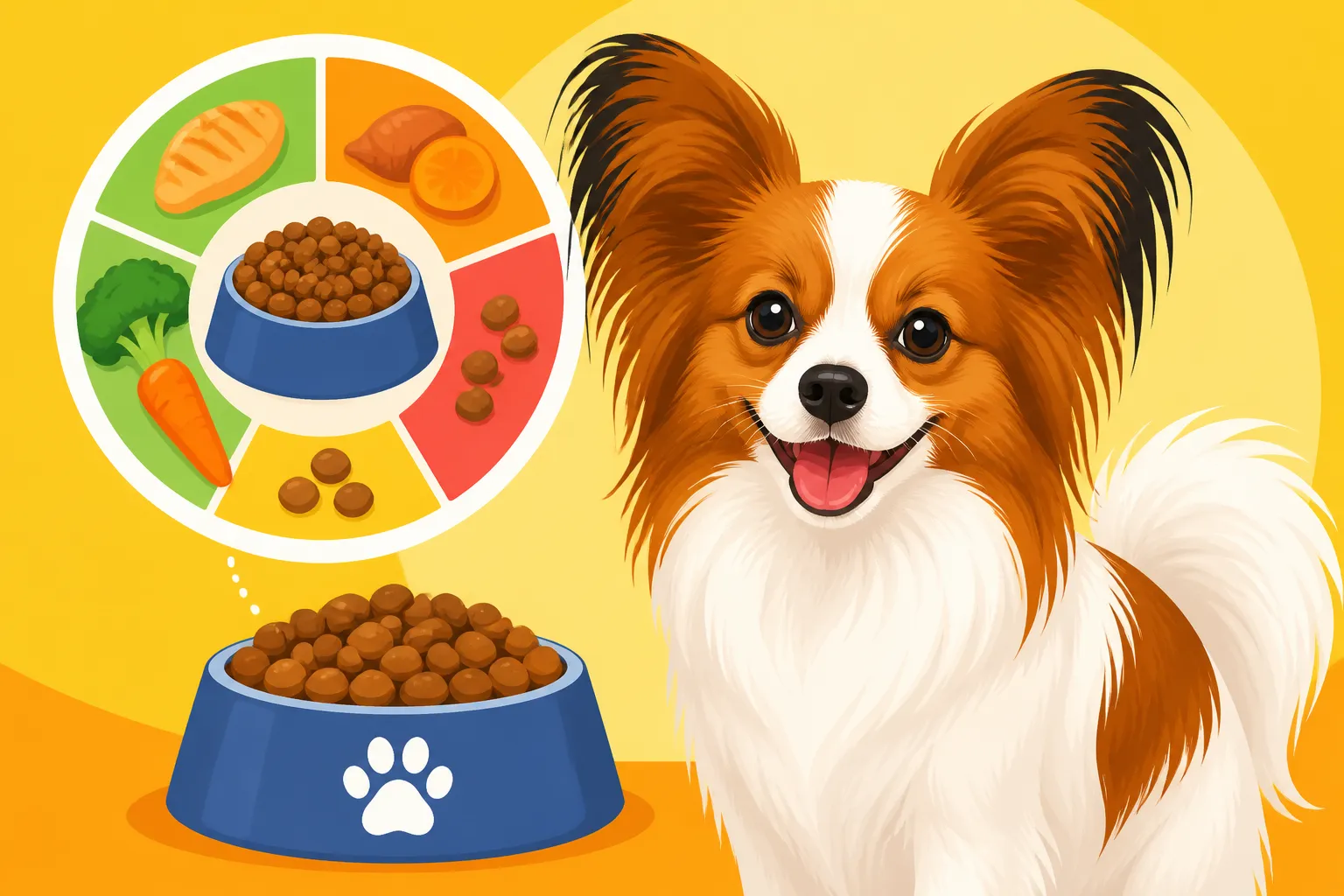
How Much an Adult Papillon Eats
It's incredibly frustrating when you're trying to figure out how much food to give your tiny Papillon. They're such small dogs, and it feels like even a tiny bit too much or too little could throw off their whole system. This guide is here to demystify the feeding process for adult Papillons, helping you understand their unique needs and how to ensure your little butterfly dog is perfectly nourished without the guesswork.
Understanding Your Papillon's Unique Nutritional Needs
Papillons might be small in stature, but they are mighty in personality and often, in energy! This combination means their nutritional needs, while proportionally smaller than a giant breed, are still quite specific and demand careful consideration. You can't just free-feed a Papillon and expect them to regulate perfectly, nor can you treat them like a larger dog in miniature when it comes to diet.
The Myth of the "Finicky" Toy Breed Eater
Many Papillon owners find themselves in a head-scratching situation when their beloved companion seems to turn up their nose at their food. It's a common complaint among toy breed owners: "My dog is so finicky!" And while it might seem like your Papillon is just being a picky eater, often there's more to it than simple choosiness. Their small stomachs mean they fill up quickly, and if they've had even a couple of small treats or nibbles off your plate, their interest in their regular meal can vanish. It's not always a true aversion to the food; sometimes it's simply a matter of a small appetite being easily satisfied by other sources.
Another factor is their high metabolism. Unlike larger, slower-burning breeds, Papillons can burn through calories pretty efficiently, especially if they're active. This means they need nutrient-dense food, but in smaller, more frequent portions. If a meal isn't appealing, they might just decide to wait it out, knowing something better might come along – especially if they've learned that holding out sometimes results in more exciting hand-fed treats! It's a dance many of us know all too well with our clever little companions.
Why Size and Activity Level Dictate Portions
Despite their dainty appearance, Papillons are often incredibly active dogs. They're not just lap ornaments; many excel in dog sports like agility, thanks to their intelligence and surprising athleticism. A Papillon competing in agility or hiking regularly will naturally burn significantly more calories than one who spends most of their day napping on the sofa. This difference in activity level is probably the single biggest factor in determining how much your adult Papillon needs to eat.
Their small size also means there's less "buffer" for error when it comes to portion control. A few extra kibbles for a Great Dane might be negligible, but for a Papillon weighing between 5 to 10 pounds, those extra calories can quickly lead to unwanted weight gain. Conversely, not enough food can lead to energy dips and potential health issues. It's a delicate balance, and understanding your individual dog's energy output is paramount.
Deciphering the Dog Food Label for Your Tiny Companion
Navigating the vast world of dog food can feel like needing a degree in canine nutrition. For Papillon owners, this challenge is amplified because their small size means that generic feeding guidelines on the back of a bag often aren't precise enough. We need to become detectives, looking beyond the bold claims and diving into the nitty-gritty details.
Calories Are Key: Moving Beyond "Cups Per Day"
When you pick up a bag of dog food, it usually gives you a chart: "Feed X cups for dogs weighing Y pounds." But here's the rub: not all cups are created equal, and not all dogs within a weight range have the same metabolic rate. For a Papillon, understanding the caloric density of their food is far more important than simply following cup measurements. A "cup" of one brand's kibble might have 300 calories, while another's might have 450. Feeding the same volume without knowing the calorie count can easily lead to over or underfeeding.
Look for the "kcal/kg" or "kcal/cup" (kilocalories per kilogram or per cup) listed on the nutrition label. This is the true measure of energy in the food. Once you know this, you can more accurately calculate how much your Papillon needs based on their target caloric intake, rather than just guessing. This small step can make a huge difference in managing your dog's weight and overall health. Don't be afraid to pull out a calculator and do a little math; your Papillon will thank you!
High-Quality Ingredients for a Small, Active Body
Just like us, what our Papillons eat directly impacts their health, energy levels, and even their beautiful silky coats. For a breed that often has The Teeth in a Papillon's Small Jaw that can lead to dental issues, and sometimes, Patellar Luxation Is the Papillon Problem You Will Actually Meet, good nutrition is fundamental. You want to look for dog foods that prioritize high-quality protein sources like chicken, turkey, lamb, or fish as the first ingredient. These provide the essential amino acids needed for muscle maintenance and overall vitality.
Beyond protein, healthy fats (like chicken fat or fish oil, rich in Omega-3s) are crucial for skin and coat health, and also provide concentrated energy. Complex carbohydrates from sources like sweet potatoes, peas, or brown rice offer sustained energy without the blood sugar spikes. Avoid foods heavy in fillers, artificial colors, flavors, or preservatives. Many Papillon owners find success with smaller kibble sizes, which are easier for their tiny mouths to pick up and chew. Whether you're purchasing kibble from a retailer like Chewy or exploring fresh food options from services like Ollie, always scrutinize that ingredient list. For even more variety, sometimes owners find quality, specialized small-breed foods through retailers like Amazon, ensuring a good match for their dog's particular palate and needs.
Practical Feeding Guidelines for Your Adult Papillon
Once you understand the principles of Papillon nutrition, putting them into practice means establishing a consistent and adjustable feeding routine. Remember, what works for one Papillon might not be ideal for another, even if they're the same age and weight. It's all about paying attention to your individual dog.
General Calorie Ranges and Starting Points
For most adult Papillons, a good starting point for daily calorie intake is typically in the range of 25-35 calories per pound of ideal body weight. So, if your Papillon ideally weighs 7 pounds, they might need anywhere from 175 to 245 calories per day. This is a very broad range, and it depends heavily on their activity level, age, and metabolism. A young, extremely active Papillon might need closer to the higher end, while an older, less active dog would likely need fewer calories to maintain a healthy weight.
It's helpful to consider this as a baseline. Never just switch to a new food or calorie count without observing your dog closely for a few weeks. Divide their total daily calories into two or three smaller meals. This helps prevent them from feeling overly full, and for some, can help stabilize blood sugar levels, especially for puppies. An older Papillon might benefit from more frequent, even smaller meals as their digestive system changes.
Here's a general guide to help you estimate your Papillon's daily calorie needs:
| Papillon Weight (lbs) | Low Activity (e.g., Senior, Couch Potato) | Moderate Activity (e.g., Daily Walks) | High Activity (e.g., Agility, Hiking) |
|---|---|---|---|
| 5 | 125-150 kcal | 150-175 kcal | 175-200 kcal |
| 7 | 175-200 kcal | 200-245 kcal | 245-280 kcal |
| 9 | 225-270 kcal | 270-315 kcal | 315-360 kcal |
| 11 | 275-330 kcal | 330-385 kcal | 385-440 kcal |
Note: These are approximations. Always consult your veterinarian for precise dietary recommendations tailored to your Papillon's specific health needs.
Adjusting Portions Based on Lifestyle and Metabolism
The calorie guidelines are just that: guidelines. The real work comes in adjusting those portions based on how your individual Papillon thrives. The best indicator of whether you're feeding the right amount is your dog's body condition. You should be able to easily feel their ribs without seeing them distinctly, and they should have a discernible waist when viewed from above. Their energy levels should be good, and their coat should be shiny and healthy. For a more detailed look at what to watch for, check out How to Feel a Papillon's Ribs.
If your Papillon is gaining weight, it's time to slightly reduce their daily calorie intake. If they're looking a bit too thin or their ribs are becoming prominent, gently increase it. Remember to factor in all calories, including treats and any food used for training. Even a slight weight gain can have implications, especially for a breed prone to issues like patellar luxation, as extra weight puts undue strain on their tiny joints. For more on this, read Why an Overweight Papillon Strains Its Knees. Seasonal changes can also affect their needs; some dogs might be less active in winter and need a slight reduction, while a hot summer might mean less outdoor exercise and thus fewer calories required.
Common Feeding Challenges and Solutions for Papillon Owners
Owning a Papillon is a joyous experience, but it's not without its unique little quirks, especially when it comes to mealtime. Many owners face similar hurdles, and thankfully, there are often straightforward solutions that can turn mealtime from a struggle into a simple, pleasant routine.
Dealing with the Picky Eater Phenomenon
Ah, the "picky Papillon." It's a common refrain! As we discussed, sometimes it's not pickiness but rather a small stomach easily filled, or a learned behavior that holding out will yield something better. One of the most effective strategies is to establish a strict feeding routine. Offer food at set times for 15-20 minutes, then pick up the bowl, regardless of whether it's been eaten. Don't offer anything else until the next mealtime. This teaches your Papillon that meals are served at specific times, and if they don't eat it then, they won't get something "better" later. This approach, while tough love, often works wonders. You might also want to explore Why a Papillon Skips Meals and Why It Matters for deeper insights.
You can also make their regular food more appealing. A spoonful of low-sodium chicken broth, a small amount of plain cooked chicken, or a tiny dollop of plain yogurt can work wonders as a topper without adding too many extra calories. Warming wet food slightly can also enhance its aroma and palatability. For dogs who love to work for their food, consider using puzzle feeders or dispensing part of their meal as rewards during training sessions. The Papillon Is the Smartest Toy Breed There Is, so they often enjoy the mental stimulation.
Managing Treats and Their Impact on Daily Intake
We all love to spoil our Papillons with treats – those big, expressive eyes just beg for them! But those little bites add up quickly. A single small dog biscuit can contain a surprising number of calories, and if you're giving several throughout the day, you could inadvertently be overfeeding your Papillon, even if their main meals are perfectly portioned. This is especially true if you are concerned about Signs a Papillon Is Overweight.
The key is moderation and smart choices. Opt for low-calorie treats or use pieces of their regular kibble as training rewards. Small pieces of healthy, plain human foods like carrot sticks, apple slices (without seeds), or green beans can also be excellent, low-calorie options. Always remember to subtract the calories from treats from their total daily caloric allowance to maintain a healthy balance. If you use a lot of treats for training, you might need to slightly reduce their meal portions for that day.
Hydration and Other Dietary Considerations
Beyond the main meals, a holistic approach to your Papillon's diet includes ensuring adequate hydration and considering any supplementary needs that might arise due to health or age. These often overlooked aspects are just as crucial for their overall well-being.
The Importance of Fresh Water Access
It might seem obvious, but consistent access to fresh, clean water is absolutely non-negotiable for your Papillon. Small dogs can be more prone to dehydration if they aren't drinking enough, and even mild dehydration can lead to lethargy, digestive issues, and put strain on their kidneys. Always ensure there are multiple water bowls available in your home, especially if your Papillon moves between different rooms or floors.
Clean those bowls daily! Stagnant water can quickly become a breeding ground for bacteria. Some Papillons prefer moving water, so a pet water fountain might encourage them to drink more. During periods of increased activity or warmer weather, pay extra attention to their water intake. If you notice your Papillon drinking significantly more or less than usual, it's always worth a quick call to your veterinarian to rule out any underlying health concerns.
Supplements and Special Diets (When Needed)
Most healthy adult Papillons eating a high-quality, complete, and balanced dog food won't require additional supplements. However, there are instances where supplements or a specialized diet might be recommended by your vet. For instance, given the breed's predisposition to certain joint issues like patellar luxation, some vets might suggest joint supplements containing glucosamine and chondroitin, particularly as your Papillon ages or if they show early signs of discomfort. This is where the question Whether a Papillon Needs Joint Supplements becomes very relevant.
Similarly, if your Papillon develops specific health conditions – such as kidney issues, allergies, or an aging digestive system – your vet might recommend a prescription diet or certain dietary changes. Never start your Papillon on supplements or a specialized diet without professional veterinary advice. They can help you determine the appropriate dosage and ensure there are no interactions with other medications or underlying conditions. Regular check-ups, including What a Papillon's Yearly Bloodwork Should Cover, will help your vet monitor their overall health and advise on any necessary dietary adjustments.
Monitoring Your Papillon's Weight and Health
Keeping a close eye on your Papillon's weight isn't just about aesthetics; it's a critical component of their health management. Small changes in their compact bodies can signify larger issues, and maintaining an ideal weight is one of the best ways to support their long lifespan and active lifestyle.
Recognizing Signs of Underweight or Overweight
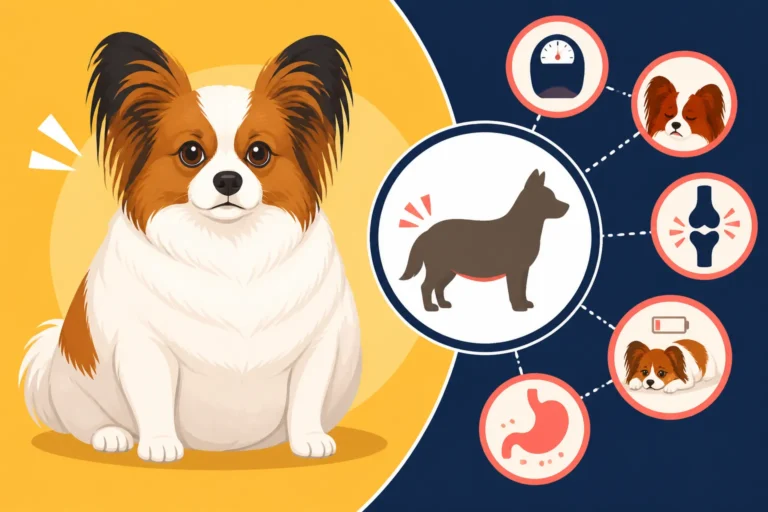
Knowing what a healthy weight looks and feels like for your Papillon is essential. They should appear sleek and athletic, not bony or pudgy. When you gently run your hands along their sides, you should be able to feel their ribs without pressing hard, much like feeling the back of your hand. You should also see a distinct waist tuck behind their rib cage when viewed from above, and a slight abdominal tuck from the side. If their ribs are easily visible or feel sharp, they might be underweight. Conversely, if you can't easily feel their ribs, or they have a sagging belly, they are likely overweight. For a full breakdown, including visual examples, you might want to refer to Signs a Papillon Is Overweight.
Regularly weighing your Papillon at home using a small pet scale (or even a kitchen scale for very petite individuals) can be incredibly helpful. Consistent monitoring allows you to catch slight fluctuations early, before they become significant health issues. Remember, even a few extra ounces on a small dog can be equivalent to several pounds on a human, making a huge difference to their joint health and overall well-being.
Regular Vet Check-ups for Dietary Guidance
Your veterinarian is your most valuable resource when it comes to your Papillon's diet and health. Annual wellness exams are crucial not only for vaccinations and general health screenings but also for discussing your dog's weight, body condition, and nutritional needs. Your vet can perform a professional body condition score, give you precise caloric recommendations, and address any concerns you have about your Papillon's eating habits or digestive health.
Don't hesitate to bring your food packaging with you to appointments or ask specific questions about ingredients. If you've noticed any changes in your Papillon's appetite, energy levels, or stool quality, these are all important pieces of information to share with your vet. They can help you fine-tune your Papillon's diet, ensuring they receive all the nutrients they need to live a long, happy, and healthy life with you.
Disclaimer
This article is for general informational purposes only and does not constitute professional advice. Laws, prices and regulations vary by location and change over time. Consult a qualified professional for guidance on your specific situation.