Why a Papillon Mats Less Than It Looks Like It Should
If you're new to the world of Papillons, or even if you've admired their flowing, elegant coats from afar, you might be looking at all that gorgeous fringe and thinking, "There's no way that dog doesn't get matted constantly!" It's a completely natural assumption, given how much hair they seem to possess. But here's a delightful secret many Papillon owners discover: these little butterfly dogs often mat far less than their elaborate appearance suggests. This guide is going to dive into the unique reasons why your Papillon's coat is surprisingly manageable and how you can keep it looking its best.
Understanding the Papillon's Distinctive Coat Architecture
The Papillon's coat is truly a marvel, and it's the fundamental reason why they defy expectations when it comes to matting. Unlike many other long-haired breeds, the Papillon boasts a specific type of coat that works in its favor.
The Single Coat Advantage: No Undercoat Means Less Trouble
Let's talk about undercoats for a moment. Many breeds, especially those with thick, luxurious fur like Pomeranians or Shetland Sheepdogs, have a dense, woolly undercoat beneath their coarser outer guard hairs. This undercoat is fantastic for insulation, but it's also a primary culprit for matting. When these fine, soft undercoat hairs shed, they often get trapped within the outer coat, tangling and clumping together, especially if not brushed regularly. That's where the real matting nightmares begin for many dog owners.
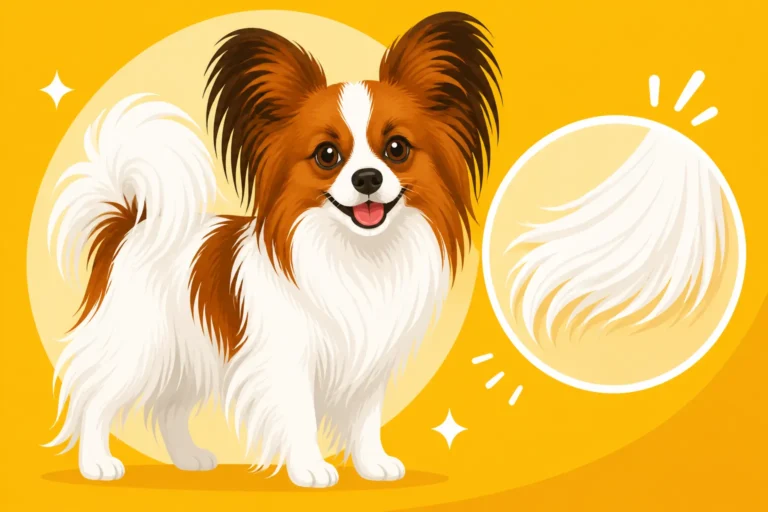
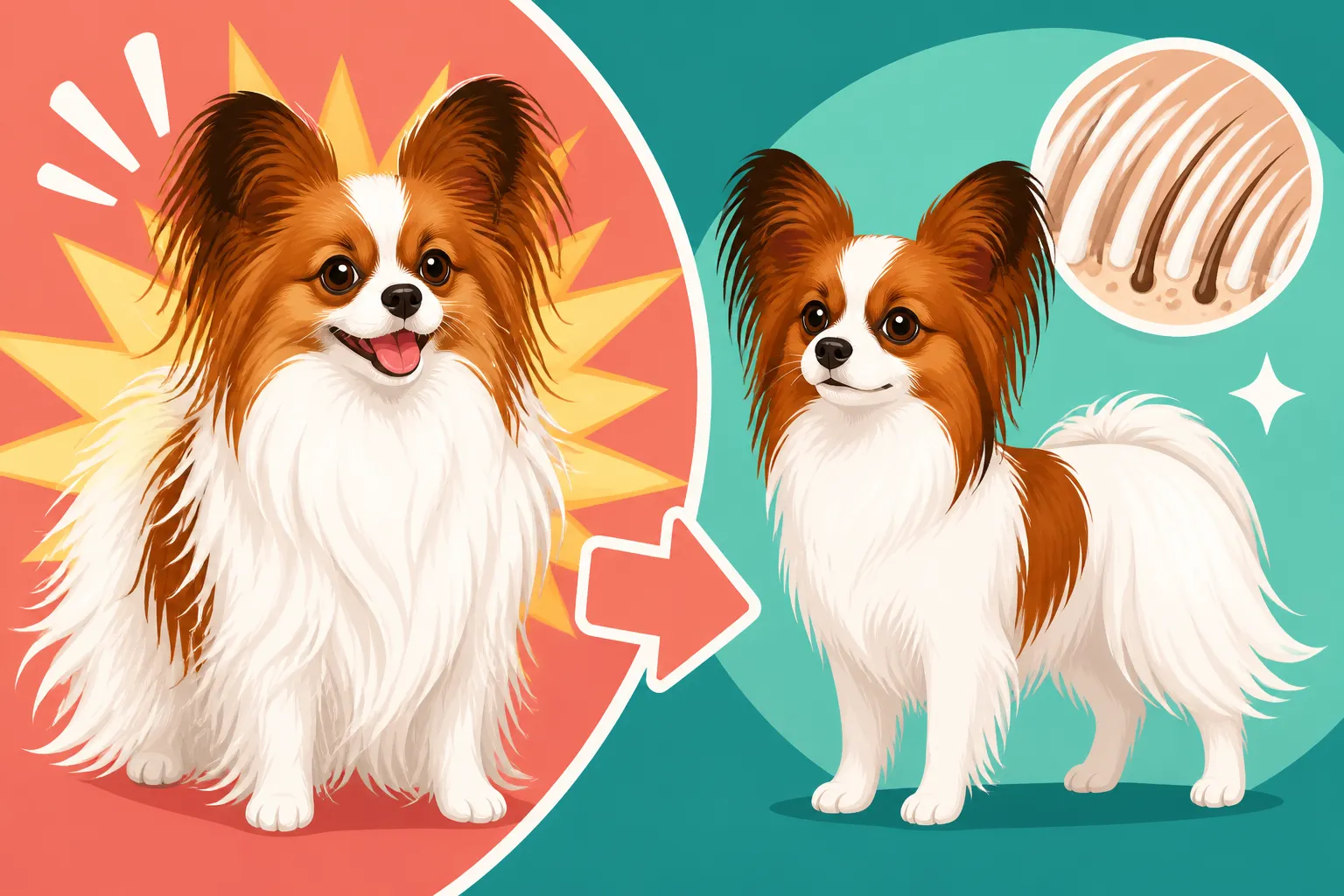
The Papillon, however, largely avoids this common pitfall because it has a single coat. This means there's no dense, fluffy underlayer to shed and tangle. Its long, flowing hair is essentially all outer coat, known for its fine texture and overall silkiness. Imagine trying to comb through a pile of cotton wool versus a handful of fine silk threads; the difference in tangling potential is immense. This lack of an undercoat means fewer trapped hairs, less dense shedding, and ultimately, a significantly reduced risk of forming those painful, tight mats that can plague other long-haired breeds. It's one of the reasons why a Papillon might look like a grooming challenge but is actually often much simpler. For a deeper dive, check out A Papillon's Coat Is All Fringe and No Undercoat and Why a Papillon Has No Undercoat.
Texture and Feel: The Silkiness That Resists Tangling
Beyond the absence of an undercoat, the very texture of a Papillon's hair plays a crucial role in its mat-resistant nature. Their coat is described as fine, straight, and silky to the touch, feeling almost like human hair. This isn't just a pleasant characteristic; it's a practical one.
Think about materials. A coarse, cottony, or woolly texture tends to grab and hold onto other strands, creating friction and leading to knots and tangles much more easily. But a smooth, silky surface allows individual hairs to glide past each other. When a Papillon runs, plays, or even just shifts position, its hair is less likely to snag and intertwine into tight knots. Instead, it tends to flow and separate naturally. This inherent smoothness makes a huge difference in how quickly and severely mats can form, making everyday brushing much more effective and less of a chore. If you're curious about the specific qualities, you might enjoy Why a Papillon's Coat Is Called Silky.
Grooming: A Little Goes a Long Way for Papillons
While their unique coat structure gives Papillons a significant advantage, it doesn't mean you can throw out your brushes entirely. Consistent, albeit minimal, grooming is still key to maintaining that beautiful, flowing coat and ensuring those minor tangles never escalate into full-blown mats.
Regular Brushing: Simple Maintenance Prevents Big Problems
The misconception that a Papillon's coat requires hours of daily brushing is a common one, fueled by their glamorous appearance. In reality, a good, thorough brushing session two or three times a week is often sufficient to keep their coat in pristine condition. These aren't marathon sessions; we're usually talking about 15-20 minutes, maybe less for a quick touch-up.
The goal isn't just to remove loose hairs (though it does that too, which helps with shedding around the house); it's to gently work through any nascent tangles before they have a chance to tighten into mats. Focus on areas where friction naturally occurs, like behind the ears, under the "armpits" of their front legs, and in their longer culottes (the feathering on their hind legs). A good quality pin brush, followed by a metal comb to check for missed tangles, is usually all you need. You might find some excellent grooming tools on Chewy or Amazon that are specifically designed for long, silky coats. For more details on maintaining their coat, check out How Often a Papillon Needs Brushing and Which Brush a Papillon Needs.
Strategic Trimming: Keeping Troublesome Areas Clear
While the Papillon is meant to have a natural, untrimmed look, a little strategic tidying can go a long way in preventing mats and keeping them comfortable. We're not talking about a full-body shave, but rather small, targeted trims that enhance their health and cleanliness without sacrificing their signature elegance.
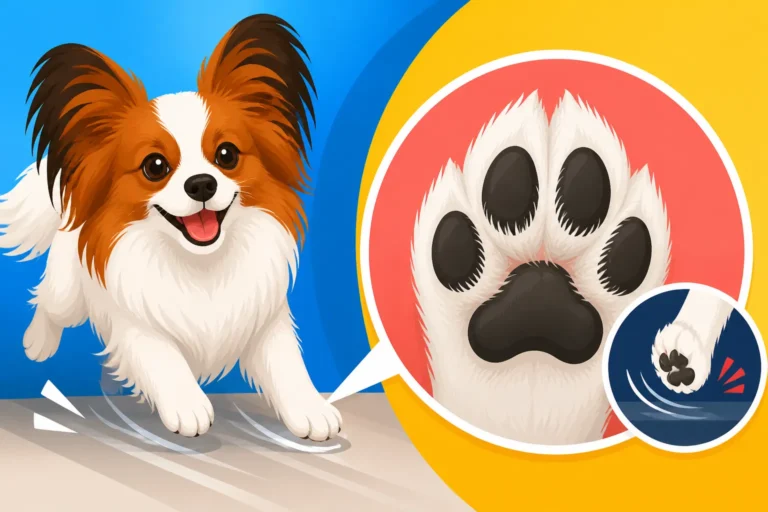
Areas that benefit most from a trim include the hair growing between their paw pads. If this hair gets too long, it can pick up debris, become matted, and even make it harder for your Papillon to get traction on smooth floors, potentially impacting their delicate knees. A quick trim with blunt-nosed scissors keeps these areas neat. Similarly, the hair around their sanitary area (their "culottes") can sometimes become soiled or tangled, so a judicious trim here keeps things hygienic and prevents uncomfortable mats from forming. These minor adjustments are simple for owners to do at home and make a big difference in overall coat health, allowing them to truly enjoy their active lives. You can learn more about this in Whether a Papillon's Feet Need Trimming and Whether a Papillon's Sanitary Area Needs Trimming.
Lifestyle and Environmental Factors
A Papillon's size and typical living environment also contribute significantly to why their long coats remain relatively mat-free compared to what one might expect from a larger, more adventurous long-haired breed.
Size and Activity: Less Ground Contact, Less Debris
It sounds almost too simple, but the Papillon's small stature is a huge advantage in mat prevention. Standing at typically 8-11 inches tall, their bodies and most of their flowing fringes are often well off the ground when they walk. This immediately reduces the amount of dirt, twigs, burrs, and general outdoor debris that their coat picks up. A larger, long-haired dog might drag its belly fur through mud or leaves on a regular walk, accumulating countless potential tangles. A Papillon, trotting along, simply doesn't have the same level of ground contact.
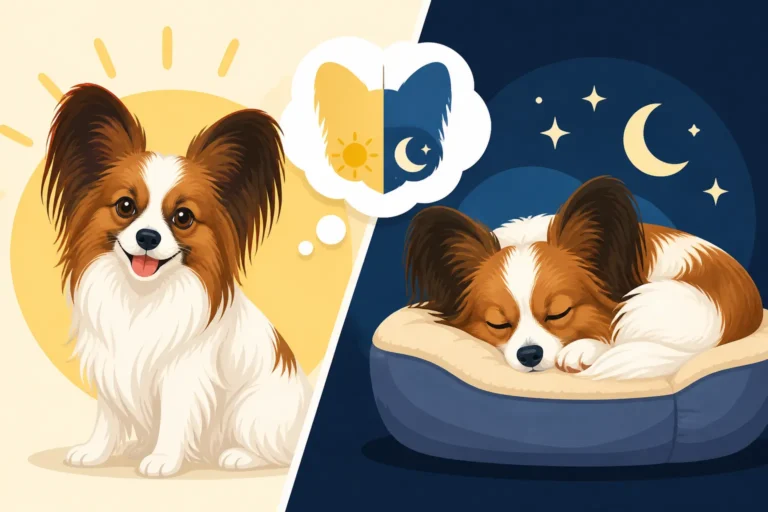
Furthermore, while Papillons are active and love to play, many of their daily activities happen indoors or in contained, clean outdoor spaces like a fenced yard. They aren't typically out romping through dense underbrush for hours on end, which is a prime cause of matting for many sporting or working breeds. Their intelligent, companion-oriented nature means a good portion of their day involves indoor play, training, or snuggling, further protecting that beautiful coat from external aggressors. For a glimpse into their daily routine, you can explore What a Papillon Does All Day.
Proper Nutrition for a Healthy Coat
While often overlooked, what goes into your Papillon can have a profound impact on the quality and manageability of its coat. Just like our own hair and skin, a dog's coat health is a direct reflection of its internal well-being and nutritional intake. A healthy coat is naturally more resilient, less prone to breakage, and less likely to mat.
Feeding a high-quality dog food, rich in essential fatty acids like Omega-3 and Omega-6, is paramount. These nutrients help maintain skin hydration and produce a strong, lustrous hair shaft that is smooth and flexible, allowing individual hairs to slide past each other rather than snagging. Conversely, a diet lacking in these vital nutrients can lead to a dry, brittle coat that breaks easily and is much more susceptible to tangling and matting. Some owners even consider fresh food options, like those offered by Ollie, which can contribute to a vibrant, healthy coat. It’s not just about aesthetics; a well-nourished coat is easier to brush and less prone to discomfort for your furry friend.
Common Misconceptions and Realistic Expectations
Even with all these advantages, it's important to have realistic expectations. While Papillons mat less than they look like they should, "less" doesn't mean "never." Knowing where to look and understanding the differences from other breeds will help you keep your Papillon's coat in top condition.
Where Mats Can Still Occur: Spotting the Trouble Zones
Despite their generally easy-care coats, Papillons aren't entirely immune to matting. There are specific areas on their body where mats are more likely to form, usually due to increased friction, movement, or exposure to moisture and debris. As a Papillon owner, knowing these "trouble zones" allows you to be proactive with your grooming.
The most common spots include:
- Behind the ears: This area sees a lot of friction from head movements, scratching, and collars. The fine hair here can easily tangle.
- Armpits and inner thighs: These areas rub against the body during walking and playing, creating friction that can knot the hair.
- Feathering on the legs and tail (culottes and plume): While beautiful, these longer sections can catch on things, get wet, or simply tangle from movement. The tail plume, especially, can get tangled if the dog is prone to sitting or sleeping in ways that compress it.
- Around the collar area: Constant rubbing from a collar can compress hair and create small tangles that quickly turn into mats if not brushed out regularly.
It's vital to regularly check these spots, even during a quick cuddle session. A small tangle caught early is easily brushed out, preventing it from becoming a large, painful mat. You can find more targeted information in Where a Papillon Mats and Whether a Papillon's Chest Frill Mats.
The Difference Between a Papillon and Other Long-Haired Breeds
To truly appreciate why a Papillon mats less, it's helpful to compare its coat characteristics to other popular long-haired breeds known for their extensive grooming needs. This comparison highlights the unique advantages of the Papillon's single, silky coat.
Here’s a quick overview of how Papillons generally stack up against some other long-haired companions:
| Feature | Papillon | Shih Tzu | Maltese | Poodle Mix (e.g., Goldendoodle) |
|---|---|---|---|---|
| Coat Type | Single coat, fine, silky, straight | Double coat, long, flowing, often coarse/cottony | Single coat, long, silky, fine | Variable (often curly, coarse, can be double) |
| Undercoat | None (or very sparse/fine) | Dense undercoat present | None | Variable, often dense |
| Matting Tendency | Low to Moderate, mainly in high-friction areas | High, especially if not daily brushed | Moderate to High, can knot easily | High, especially with mixed textures |
| Grooming Frequency | 2-3 times a week | Daily | Daily | Daily to Every Other Day |
| Professional Grooming | Occasional trims, baths | Regular full grooms, intricate styling | Regular full grooms, intricate styling | Regular full grooms, clipping |
| Shedding Level | Low | Low | Very Low (more like human hair loss) | Variable, often low |
As you can see, the Papillon's lack of a dense undercoat sets it apart, often requiring less intense daily intervention than breeds like the Shih Tzu or even many Poodle mixes that combine different coat textures. While a Maltese also has a single coat, its extremely fine texture can still be prone to tangling without consistent care. Finding the right tools for your Papillon, whether on Chewy or Amazon, can make this difference even more noticeable.
When to Seek Professional Help
Even with the best intentions and regular home grooming, sometimes a mat or tangle can develop that's beyond your comfort or ability to handle. It's a frustrating situation, but it's important to recognize when it's time to call in the professionals.
If you encounter a mat that is tight, close to the skin, or seems to be causing your Papillon discomfort when you try to brush it out, please don't try to aggressively cut it out with household scissors. This can be incredibly dangerous, as it's easy to accidentally cut the skin, which is often pulled up into the mat. A professional groomer has specialized tools, techniques, and experience to safely and humanely remove even stubborn mats. They can assess the situation, often using clippers or detangling solutions, and work to preserve as much of the coat as possible while prioritizing your dog's comfort and safety. Sometimes, a mat is so severe that the only humane option is to shave the affected area, but a good groomer will discuss this with you beforehand. Don't hesitate to reach out to a professional groomer if you're unsure; it's always better to be safe than sorry for your Papillon's beautiful coat and delicate skin. For more on professional care, see Whether a Papillon Needs a Professional Groomer.
Disclaimer
This article is for general informational purposes only and does not constitute professional advice. Laws, prices and regulations vary by location and change over time. Consult a qualified professional for guidance on your specific situation.