Whether a Papillon’s Coat Changes at a Year
It’s a funny thing when you bring home a fluffy little Papillon puppy; they are all soft, downy, and seem to have this ethereal glow about them. Then, as the months tick by, you start to notice something… different. The coat might look a bit scraggly, less uniform, and perhaps not quite as soft as it once was, especially as your pup approaches their first birthday. You might wonder, "Is this normal? Is something wrong with their coat?" This guide is here to reassure you that yes, a Papillon's coat absolutely changes around the one-year mark, and we'll dive deep into what that transformation looks like and how to best care for your growing butterfly dog through it all.
The Papillon Puppy Coat: A Fluffy Beginning
When you first welcome a Papillon puppy into your home, their coat is usually a delightful vision of softness and fluff. It's one of the many charming qualities that make these tiny dogs so endearing. But just like a child grows out of their baby clothes, a Papillon grows out of their puppy coat.
The Softness of Puppy Fluff
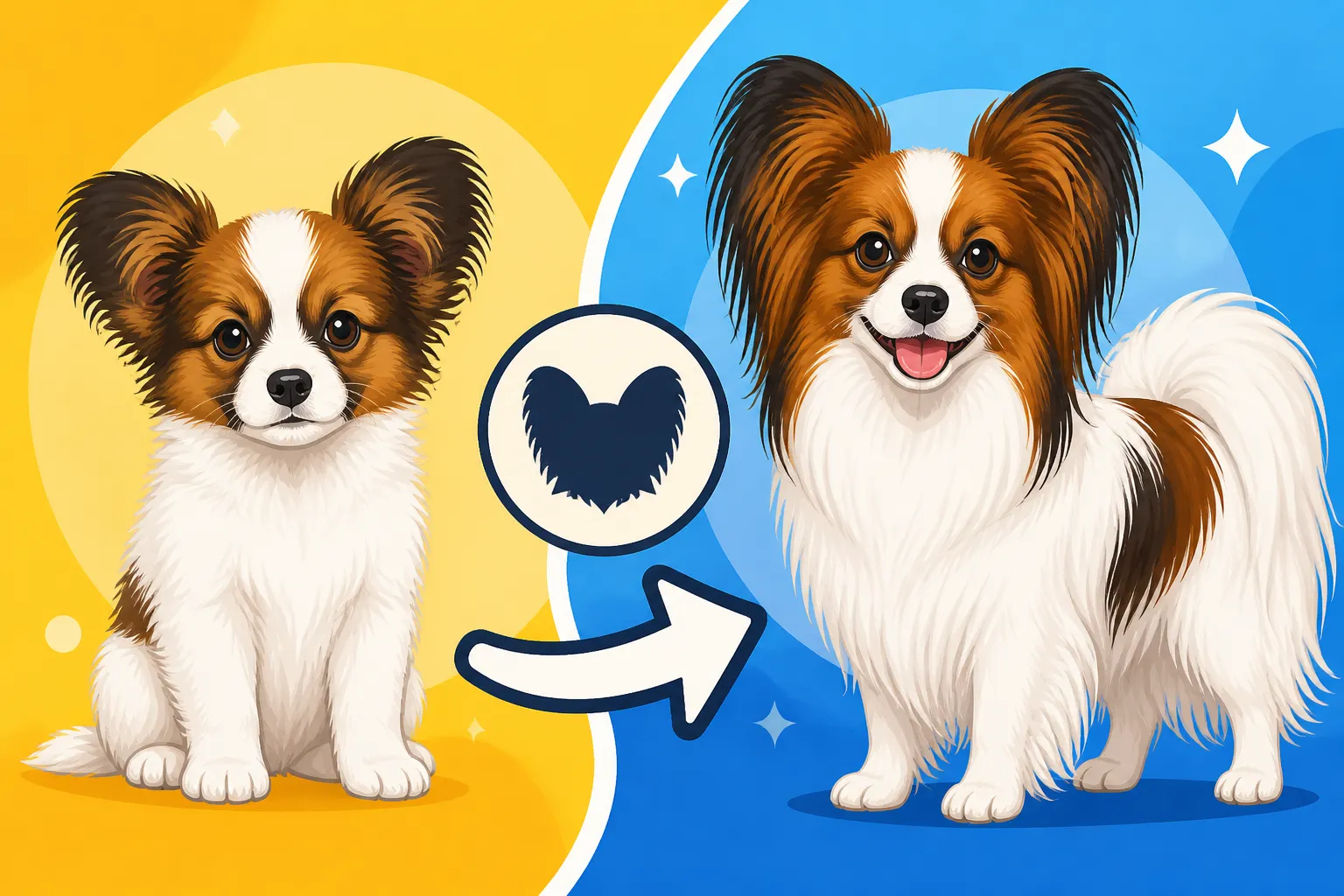
Think about that pristine, almost cotton-like fluff your Papillon had as a tiny pup. It was likely soft to the touch, relatively easy to manage, and probably didn't shed much at all. This puppy coat serves a purpose, offering insulation and protection while their more robust adult coat is still developing underneath. It often appears quite full, but it lacks the length, texture, and distinct feathering that will eventually become the hallmark of the mature Papillon. It’s a temporary garment, so to speak, designed for their early, rapid growth phase. Many new owners are completely smitten with this initial coat, and for good reason – it’s truly adorable!
What to Expect in the First Few Months
During those first few months, a Papillon's coat growth is fairly steady but not dramatic. You might notice some minimal shedding, but nothing that would typically cause concern. The hair on their ears, tail, and legs might begin to show hints of lengthening, but the full, luxurious fringes that give the breed its "butterfly" name are still just dreams at this stage. You'll likely find brushing easy, perhaps a quick once-over every few days is enough to keep any tangles at bay. This is a calm period before the storm of coat change begins, and it’s a great time to get your puppy accustomed to regular grooming sessions, gentle brushing, and even nail trims, so they learn to enjoy being handled.
The "Ugly" Phase: The Year Mark Transition
Around the age of six months to a year, many Papillon owners find themselves asking what in the world is happening to their dog's beautiful coat. This period is often affectionately, or sometimes exasperatedly, referred to as the "ugly phase" or "gangly phase" by experienced breeders and owners. It’s a completely normal part of their development.
The Gradual Loss of Puppy Coat
The puppy coat doesn't just vanish overnight; it's a gradual process of shedding and replacement. Unlike breeds with thick undercoats that shed in clumps, the Papillon's single coat means the shedding is typically less dramatic but still noticeable. You might start to find more hair on your furniture or clothes. The old, soft puppy hairs fall out to make way for the coarser, silkier adult hairs. This can make your Papillon's coat look a bit uneven, thin in places, or even patchy. It can feel less dense, and the overall appearance can be a bit disheveled, even with regular brushing. It’s important to remember that this isn't a sign of poor health (unless accompanied by other symptoms like itching or skin irritation), but rather a natural progression towards their adult look.
The Emergence of the Adult Coat
As the puppy coat recedes, the new adult coat begins to grow in, bringing with it the characteristic long, silky texture that defines the Papillon. You'll start to see the development of the glorious ear fringes that mimic a butterfly's wings, along with the full culottes on their hindquarters and the flowing plume on their tail. This new growth might appear thicker and have a different sheen. A Papillon's Coat Is All Fringe and No Undercoat explains why this single-layer coat, despite its length, is relatively easy to care for compared to double-coated breeds. The adult coat has a much more elegant drape and feel, which is a significant departure from the youthful fluff. This transformation usually starts subtly and then becomes more pronounced as your dog approaches their second birthday.
When the Change Becomes Most Noticeable
The most noticeable shifts typically occur between 9 and 18 months of age. Some Papillons might experience a more rapid and distinct change, while for others, it’s a drawn-out process that can extend into their second year. During this time, the coat can go through various stages of looking 'in-between,' not quite puppy, not quite adult. It might seem less vibrant, or the feathering on the ears and legs might still be sparse. Don't be discouraged; this is a temporary phase. Patience and consistent grooming are key. Owners often note that it takes a full two to three years for a Papillon's coat to truly reach its mature length and fullness, displaying the magnificent Why a Papillon's Coat Is Called Silky quality it's known for. So, while a significant change happens around a year, the coat continues to develop for quite some time afterward.
Characteristics of the Adult Papillon Coat
Once your Papillon navigates the awkward teenage coat phase, they emerge with their full, glorious adult coat, which is one of the breed's most distinguishing and beautiful features.
The Luxurious Silky Texture
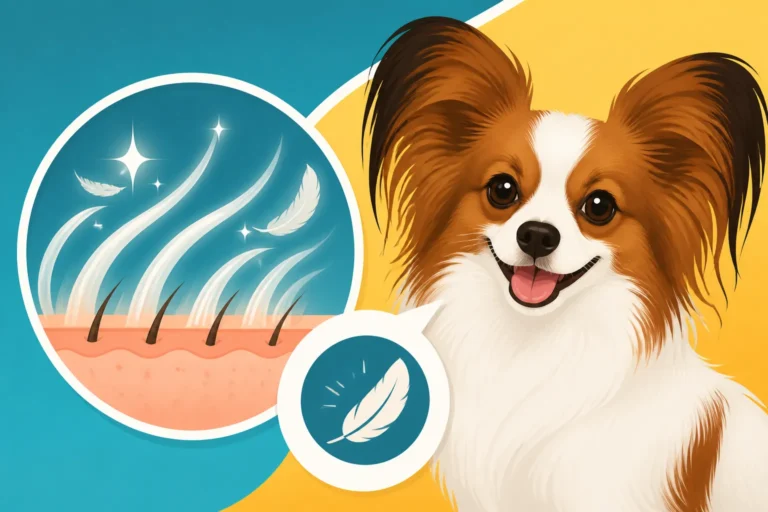
The hallmark of a mature Papillon coat is its single-layer, fine, silky texture. Unlike many other long-haired breeds, the Papillon lacks an undercoat. This means less shedding overall compared to some breeds, and a coat that lays beautifully and feels incredibly soft to the touch. It has a natural sheen that catches the light, making it look vibrant and healthy. This luxurious texture is part of what makes grooming a Papillon relatively manageable despite the length. When properly cared for, the adult coat should flow gracefully and freely, without excessive matting, though regular brushing is still a must.
Feathering and Fringes
The adult coat truly comes into its own with the development of the abundant feathering. The most iconic are the ear fringes, which are long, delicate hairs that cascade from the ears, resembling butterfly wings – hence the breed's name. These fringes can take a considerable amount of time to reach their full glory, often continuing to lengthen and thicken well past the one-year mark. When a Papillon's Ear Fringe Grows In is a process that can continue for up to three years, rewarding patient owners with spectacular results. Beyond the ears, you'll also see elegant feathering on the chest, forming a graceful frill, on the backs of the front legs, and the impressive "culottes" or breeches on the hind legs. The tail, too, will boast a magnificent plume of long, flowing hair that arches over the back. This feathering is not just for show; it adds to the breed's historical elegance and contributes to its overall balanced appearance. How Long a Papillon's Coat Grows varies, but some of these fringes can be several inches long!
Color Development and Stability
During the coat change, you might also notice some shifts in your Papillon's coat color or markings. While the core colors will remain, their intensity or distribution can evolve. For example, a black patch that seemed dull as a puppy might become a rich, deep black, or a tri-color Papillon's rust markings might deepen to a more vibrant copper. White areas usually remain stable, but sometimes the extent of the colored patches can appear to shift as the hair grows longer and lays differently. It’s also common for some minor "ticking" – small flecks of color within the white areas – to become more pronounced with age. These color changes are generally subtle and contribute to the unique beauty of each individual Papillon. Rest assured, unless your breeder specifically told you your puppy's colors were still developing significantly, any major shifts are usually a maturation rather than a complete overhaul.
Caring for a Papillon During Coat Transition and Beyond
The coat transition period, while normal, does require some specific attention to keep your Papillon comfortable and looking their best. Once the adult coat is in, a consistent routine will ensure its continued beauty.
Essential Grooming During the Change
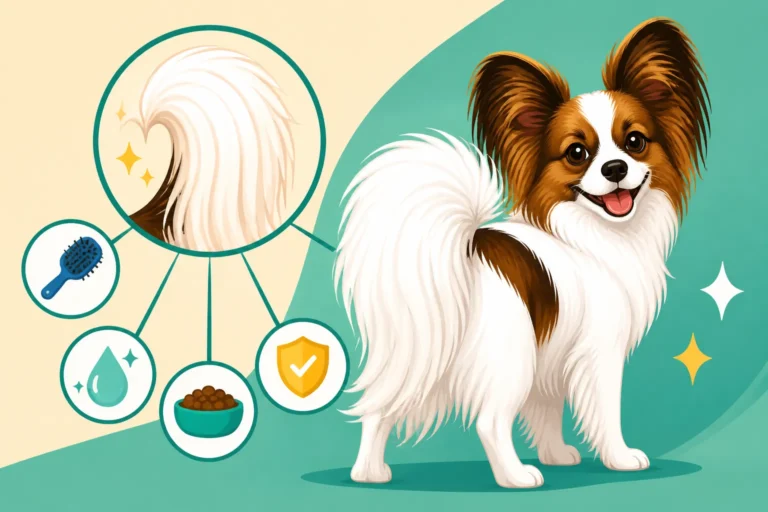
During the "ugly phase," your Papillon's coat can be particularly prone to tangles and mats, as the old puppy coat mixes with the emerging adult hair. This is not the time to slack on grooming! Regular, gentle brushing is crucial, often daily or every other day. You'll want to use a pin brush and a steel comb. Start with the pin brush to gently work through the longer sections, then use the comb to check for any hidden tangles, especially behind the ears, in the armpits, and on the culottes. Don't forget their tail plume, as it can be a magnet for debris and mats. How Often a Papillon Needs Brushing really depends on the individual dog and their current coat state, but during this transition, more frequent checks are definitely better. A good detangling spray can be your best friend during this time, helping the brush glide through the hair and preventing breakage. Many reputable pet supply retailers, like Chewy or Amazon, offer a wide variety of suitable grooming products to assist you.
Supporting Coat Health Through Nutrition
A healthy coat starts from the inside out. During the demanding phase of coat growth and change, ensuring your Papillon receives a high-quality, balanced diet is paramount. Look for dog foods that list real meat as the first ingredient and contain essential fatty acids like Omega-3 and Omega-6, often derived from fish oils. These fats are vital for skin health and a shiny, healthy coat. Some owners choose to supplement their dog's diet with a dedicated fish oil, but always consult your vet before adding any supplements. Fresh dog food options, like those offered by Ollie, are another popular choice for owners looking to provide optimal nutrition, often promoting noticeable improvements in coat quality and overall vitality. Adequate hydration is also critical, so always make sure your Papillon has access to fresh, clean water. A well-nourished dog will not only have a more beautiful coat but also better overall health and energy.
Long-Term Coat Maintenance
Once your Papillon's adult coat has fully developed, maintaining its beauty becomes a consistent, enjoyable routine. While they don't have an undercoat, Papillons still shed year-round, with seasonal increases. Regular brushing, 2-3 times a week, is usually sufficient to prevent mats and remove loose hair. Which Brush a Papillon Needs often includes a pin brush for overall coat and a fine-toothed comb for fringes and tangles.
Bathing frequency can vary, but generally, a bath every 3-4 weeks, or as needed if they get dirty, is a good guideline. Use a gentle dog shampoo and conditioner, and always make sure to rinse thoroughly to avoid skin irritation. After bathing, gently towel dry and then use a cool-to-lukewarm blow dryer on a low setting while brushing to ensure the coat dries straight and silky, preventing waves or frizz. Whether a Papillon Must Be Blow Dried is often recommended to get that signature smooth finish. While some owners opt for minimal trimming, particularly around the feet for cleanliness, the Papillon's coat is generally left natural to preserve its elegant flow. Remember, a well-cared-for Papillon coat is not just beautiful, but also a good indicator of their overall health. Ensuring your dog is comfortable with grooming from an early age will make this lifelong process much easier and more enjoyable for both of you. For a deeper understanding of what to expect at different life stages, you might find our article What a Papillon's Coat Needs at Each Age helpful.
| Feature | Puppy Coat (0-12 Months) | Adult Coat (12+ Months) |
|---|---|---|
| Texture | Soft, fluffy, downy, less dense | Silky, fine, flowing, more substantial, lustrous |
| Length | Shorter overall, minimal feathering | Long, especially on ears, tail, chest, and legs (fringes) |
| Density | Appears full, but less dense when parted | Denser, with a rich, full drape |
| Shedding | Minimal initially, increases during transition | Moderate, consistent year-round, increases seasonally |
| Matting Tendency | Low initially, increases significantly during transition | Moderate, if not brushed regularly, especially in fringes |
| Grooming Needs | Gentle brushing, 2-3 times/week | Regular brushing (2-3 times/week), special attention to fringes |
| Appearance Change | Noticeable "ugly phase" or "scraggly" period | Settles into breed-standard elegance and fullness |
Disclaimer
This article is for general informational purposes only and does not constitute professional advice. Laws, prices and regulations vary by location and change over time. Consult a qualified professional for guidance on your specific situation.