Whether a Papillon Swallows Kibble Whole
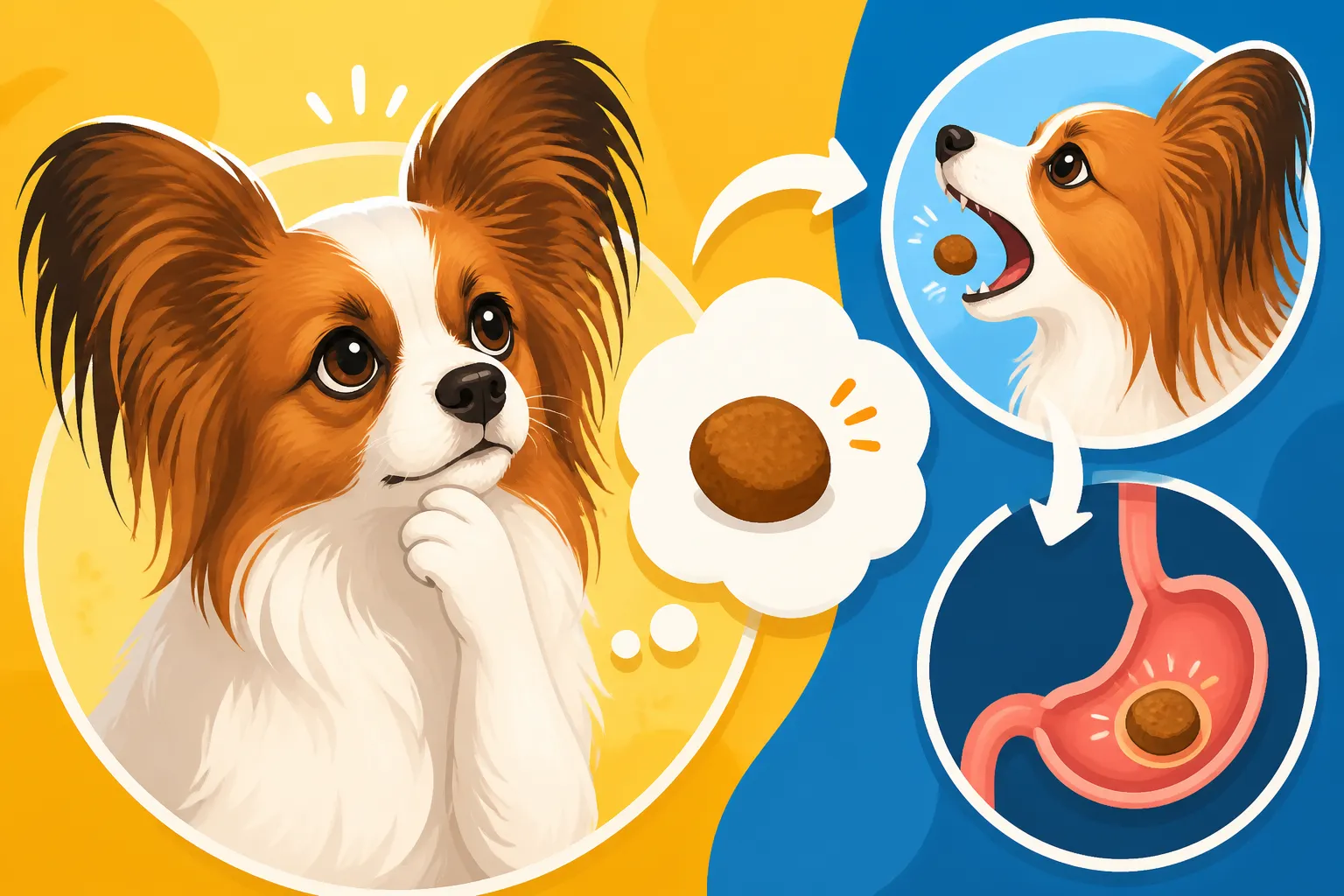
It's a scene many Papillon parents know all too well: you carefully scoop the perfect amount of kibble into their bowl, only to watch them vacuum it up in a matter of seconds. It often feels like they barely chew at all, just inhale the tiny nuggets whole. This isn't just amusing; it can lead to some real worries about their digestion, choking hazards, and overall well-being. This guide is here to unravel the mystery of why your little butterfly dog might be scarfing down their meals so fast and, more importantly, what you can do to encourage safer, more enjoyable eating habits for them.
Why Your Papillon Might Be a Speed Eater
It’s easy to look at your Papillon and wonder if they just missed the memo on proper table manners, but there are usually several practical reasons behind their speedy eating habits. It’s rarely about disrespect for your culinary efforts and almost always about instinct, physiology, or learned behavior.
The Small Dog Predicament and Kibble Size
Think about the size of their mouth, then think about the average size of kibble. Many standard kibble sizes are simply too big for a Papillon's tiny jaw to properly chew, especially if they’re eating a brand formulated for "small breeds" that might still be a bit too generous in pellet size. When the pieces are awkward, it's often easier for a small dog to just swallow them whole rather than attempting to crunch down repeatedly. This becomes even more pronounced if their The Teeth in a Papillon's Small Jaw are not perfectly aligned, which is common in toy breeds. If they're struggling to get a grip on the kibble, or if their teeth are crowded, the path of least resistance is to simply gulp. You might observe them trying a few half-hearted chomps before deciding it's just not worth the effort.
Another factor here is how quickly they can get through a meal if the kibble pieces are small enough to be swallowed easily. For a tiny dog, the difference between "chewable" and "swallowable" can be a very fine line. If a piece of kibble is just slightly too large to swallow comfortably but too small to require chewing, it creates a grey area where gulping becomes the default. They aren't trying to be rude; they're just being efficient in their own little way.
Instinctual Drive and Competition
Even the most pampered Papillon still carries the instincts of its wild ancestors. In a pack environment, eating quickly was a survival strategy. The faster you ate, the more you got, and the less likely another animal was to steal your portion. While your home environment is far from a competitive pack, these primal instincts can still surface. If you have multiple pets, even if they're not overtly aggressive, your Papillon might feel a subtle pressure to finish their food before anyone else gets near it. This isn't necessarily about outright food aggression; it can be a subconscious drive to secure their resources.
Consider also the perception of scarcity. If meals are only offered at specific, infrequent times, a dog might learn to eat quickly out of fear that the food will disappear. This is less common in pets fed on a consistent schedule, but it can be a contributing factor for some. Furthermore, some Papillons are just incredibly food-motivated. For them, mealtime is the highlight of the day, and they simply can't wait to get those delicious morsels into their tummies. Their excitement can override any natural inclination to chew. It's almost like a human seeing a plate of their favorite food and just wanting to devour it instantly.
Learned Behavior and Owner Habits
Sometimes, we inadvertently encourage fast eating without even realizing it. If a Papillon gets a lot of attention or a new portion of food every time they eat quickly, they might associate speed with positive reinforcement. For instance, if you rush to refill their bowl because you think they’re still hungry after they’ve inhaled their first serving, they learn that eating fast gets them more food faster.
Additionally, a lack of enrichment or stimulation can contribute. If mealtime is the only truly exciting part of their day, they might throw themselves into it with gusto. This isn't to say you're not a good owner, but it’s a factor to consider. Regular playtime, walks, and training sessions, which we talk about in What a Papillon Needs Every Day, can help balance their daily routine and make mealtime less of a singular focus. Lastly, if a dog has ever experienced food insecurity, perhaps in a previous home or as a young puppy, that past experience can shape their eating habits, making them feel like they always need to eat quickly when food is available.
The Potential Risks of Swallowing Kibble Whole
While it might seem endearing or just a typical "Papillon thing," letting your dog consistently swallow kibble whole isn't ideal for their health. There are several genuine concerns that can arise from this habit, ranging from acute issues to long-term digestive problems.
Choking Hazards and Digestive Distress
The most immediate and frightening risk is choking. If a piece of kibble is just large enough to get lodged in their windpipe, it can be a life-threatening emergency, particularly for a small dog like a Papillon. While kibble is designed to be digestible, swallowing large, unchewed pieces can also lead to digestive distress. Their stomach has to work much harder to break down whole pieces of food, which can result in indigestion, vomiting, or diarrhea. Imagine trying to digest a whole, unchewed apple versus small, chewed pieces – it’s a much tougher job for your system.
Beyond general upset, undigested food can also pass through the digestive tract too quickly, meaning your Papillon isn't absorbing all the nutrients from their food. This can impact their energy levels, coat health, and overall vitality. In some cases, persistent rapid eating can even lead to stomach upset or acid reflux, making them uncomfortable after meals. You might notice them licking their lips excessively, swallowing frequently, or acting restless after eating, which could be signs of discomfort.
Bloat and Dental Health Implications
While bloat (gastric dilatation-volvulus or GDV) is more commonly associated with deep-chested, large breeds, it can theoretically affect any dog, including small breeds, though it's much rarer in Papillons. Rapid ingestion of food and air is considered a risk factor. Even if full-blown bloat is unlikely, ingesting a lot of air while eating quickly can lead to a gassy, uncomfortable belly.
Perhaps a more direct and significant concern for Papillons is the impact on their dental health. Chewing kibble, even minimally, helps scrape plaque and tartar off their teeth. When they swallow kibble whole, they completely bypass this natural cleaning action. Given that Papillons are already prone to dental issues due to their small mouths and crowded teeth, this habit only exacerbates the problem. As discussed in Dental Work Over a Papillon's Long Life and Brushing a Papillon's Teeth in a Very Small Mouth, maintaining good oral hygiene is crucial for this breed. Without that mechanical abrasion from chewing, plaque and tartar can build up much faster, leading to gum disease, pain, and eventual tooth loss. This can be a costly problem, as detailed in What a Papillon's Dental Costs, requiring professional cleanings and extractions.
| Risk Factor | Immediate Concern | Long-term Concern | Papillon Specific Impact |
|---|---|---|---|
| Swallowing Whole Kibble | Choking, regurgitation | Indigestion, nutrient malabsorption | Small windpipe, less nutrient uptake |
| Rapid Air Ingestion | Gas, discomfort, bloating (rarely GDV) | Chronic digestive upset | Can cause discomfort and affect appetite |
| Lack of Chewing Action | No immediate issue | Plaque/tartar buildup, gum disease | Exacerbates existing dental crowding issues |
| Behavioral Reinforcement | Continued fast eating | Potential for resource guarding | Harder to correct learned habits over time |
Effective Strategies to Slow Down Your Papillon's Mealtime
The good news is that there are many proactive steps you can take to help your Papillon eat at a more leisurely, and safer, pace. It often involves a bit of trial and error to find what works best for your individual dog, but consistency is key.
Investing in Slow Feeder Bowls or Puzzle Toys
One of the most effective tools for slowing down a fast eater is a slow feeder bowl. These bowls have various ridges, mazes, or pillars that force your Papillon to navigate around obstacles to get to their kibble. It turns mealtime into a bit of a game, making them work for each mouthful. You can find a huge variety of these bowls on platforms like Amazon or Chewy, ranging from simple designs to more complex ones. The key is to choose one appropriate for a small dog – something with smaller, closer-set obstacles so their tiny nose can still reach the food.
Puzzle toys are another fantastic option. These require your Papillon to manipulate the toy to release kibble, engaging their brain as well as their appetite. They can be particularly good for intelligent breeds like Papillons, providing mental stimulation that satisfies their clever minds. Filling a KONG toy or a specific treat-dispensing ball with their meal can extend feeding time significantly. For very enthusiastic eaters, you might start with an easier puzzle toy and gradually introduce more challenging ones as they get the hang of it. Remember to clean these regularly, especially if your Papillon slobbers a lot while playing!
Adjusting Kibble Size and Texture
Sometimes, the simplest solution is to re-evaluate the kibble itself. If your Papillon is struggling with the size, consider switching to a smaller kibble. Many brands offer "toy breed" or "small bite" formulations that might be more appropriate. You could also try mixing their dry kibble with a little bit of warm water or a low-sodium broth to soften it slightly, making it easier to chew and less likely to be swallowed whole. Just be sure to check that the ingredients are appropriate for your dog. For those considering alternative food options, even small amounts of fresh, moist food from services like Ollie can be mixed in to change the texture and encourage chewing.
If you’re unsure Which Kibble a Papillon Can Actually Pick Up, you might experiment with different brands or even break larger pieces by hand for a few meals to see if it makes a difference. Some owners find that a flatter, disc-shaped kibble is easier for their Papillon to pick up and chew than a rounder, bulkier piece. Always introduce new foods gradually to avoid upsetting their stomach.
Portion Control and Spreading Meals
Breaking down your Papillon's daily food allowance into smaller, more frequent meals can also help. Instead of two large meals, try offering three or even four smaller meals throughout the day. This reduces the amount of food they have to "race" through at any one time and can also help stabilize blood sugar levels, which is especially important for smaller breeds, particularly when they were puppies. How Many Cups a Day an Adult Papillon Eats should guide your total daily intake, regardless of how many meals you split it into.
Another trick is to scatter their kibble across a clean, designated area, like a snuffle mat or a wide, low baking sheet. This forces them to search and pick up each piece individually, naturally slowing down their ingestion. It also adds an element of mental enrichment, engaging their natural foraging instincts. This method is particularly useful if your Papillon tends to eat very quickly out of sheer excitement. Just make sure the surface is clean and safe for food.
Hand Feeding and Supervised Mealtimes
For Papillons who are truly struggling to slow down, or for puppies just learning to eat, hand-feeding can be a valuable, albeit time-consuming, technique. By offering one piece of kibble at a time, you control the pace and ensure they chew. This also strengthens your bond and reinforces your role as the provider. You don’t have to do it for every meal, but even a few minutes of hand-feeding at the start of a meal can set a calmer tone.
Always supervise your Papillon during mealtimes, especially if they are prone to scarfing down food. This allows you to intervene if they start choking or show signs of distress. It also helps you gauge whether your chosen slow-feeding method is working effectively or if you need to adjust your approach. Observing their eating habits closely can provide valuable insights into their comfort levels and overall health.
When to Consult Your Veterinarian
While most fast eating can be managed with behavioral and environmental changes, there are times when your Papillon’s speedy meal consumption might warrant a professional opinion. It’s always best to err on the side of caution when it comes to your beloved pet’s health.
Persistent Digestive Issues or Discomfort
If, despite your best efforts with slow feeders and smaller meals, your Papillon continues to experience digestive problems such as frequent vomiting, diarrhea, excessive gas, or signs of discomfort after eating, it's time for a vet visit. These symptoms could indicate underlying issues beyond just eating too fast, such as food sensitivities, parasites, or other gastrointestinal conditions. Your vet can perform a thorough examination and recommend appropriate tests to rule out any medical causes. Remember that How a Papillon Hides Pain can make it difficult to spot subtle signs of chronic discomfort, so always pay attention to even minor changes in behavior.
They might suggest Whether a Papillon Needs Bloodwork Before a Dental or other diagnostics to get a full picture of their internal health. Persistent digestive upset means your Papillon isn't properly absorbing nutrients, which can affect their long-term health and vitality. It's not just about comfort; it's about making sure they're getting what they need from their diet.
Choking Incidents or Severe Gagging
Any choking incident, no matter how brief, is an immediate reason to contact your veterinarian. Even if your Papillon seems fine afterward, there could be internal irritation or damage that needs to be assessed. Frequent gagging or coughing after eating also warrants attention, as it could be a sign of difficulty swallowing, a narrowed trachea (common in some small breeds, as discussed in Whether a Papillon Gets a Collapsing Trachea), or other respiratory concerns.
A vet can check for any physical obstructions or anatomical abnormalities that might be contributing to the problem. They can also offer advice on specific food textures or even medications if there's an underlying medical reason for the difficulty in eating. Don't dismiss choking or severe gagging as "just a small dog thing"—it's a serious symptom that needs professional evaluation.
Sudden Changes in Eating Habits or Appetite
A sudden, drastic change in your Papillon’s eating habits, such as going from a slow eater to a lightning-fast gobbler overnight, or suddenly becoming extremely picky, should always be investigated by your vet. While this guide focuses on speed eating, a sudden change in appetite could indicate dental pain, illness, or stress. Similarly, if your Papillon, who previously took their time, suddenly starts devouring food at an alarming rate without any obvious environmental trigger, it could be a sign of increased hunger due to a medical condition.
Observing any other accompanying symptoms, like weight loss or gain, lethargy, or changes in thirst or urination, will be crucial information for your vet. They can help identify whether these changes are purely behavioral, or if something deeper is at play. Keeping an eye on their overall behavior and energy levels, along with their eating patterns, will help you provide the most accurate information to your vet.
Disclaimer
This article is for general informational purposes only and does not constitute professional advice. Laws, prices and regulations vary by location and change over time. Consult a qualified professional for guidance on your specific situation.