Which Ramp Angle a Papillon Will Actually Walk Up
It’s a heart-stopping moment for any Papillon owner: you glance over and see your tiny, fearless butterfly dog poised at the edge of the sofa or bed, ready to take a flying leap. We all know how much these spirited little dogs love to be right in the middle of everything, but those dramatic jumps can put immense strain on their delicate joints, especially their knees. This guide is all about navigating the world of dog ramps, helping you understand what ramp angle your clever Papillon will actually use, and how to make their home a safer, more accessible haven.
Understanding the Papillon's Unique Needs for Ramps
Papillons might be small, but they have huge personalities and a surprising amount of athleticism. They love to be up high, whether it's on your lap, the back of the sofa, or snuggled in bed. The problem is, their small stature and tendency towards certain orthopedic issues, like patellar luxation, make jumping off furniture a real risk. A single bad landing can lead to an injury, or exacerbate an existing condition.
Think about the physics for a moment. When a little dog like a Papillon jumps down, they're not just falling; they're absorbing the full impact of their body weight times gravity. From a standard sofa height, that's like a human jumping from a significant height. Their tiny legs and knee joints simply aren't designed to repeatedly withstand such forces. We want them to feel safe and included, but we also need to protect them from themselves. That's where a well-chosen ramp comes in, offering a gentle incline that eliminates the jarring impact of a jump. Whether a Papillon Should Jump Off the Sofa is a topic close to every Papillon owner's heart, and the answer is almost always no if we can help it.
Why Papillons Need Ramps, Not Just Stairs
While pet stairs might seem like a good alternative, they often present similar challenges to jumping. Each step is still a small jump, and repeatedly navigating steps can put pressure on a Papillon's knees, hips, and spine. For a dog that might already have a predisposition to What Patellar Luxation Does to a Papillon, even small impacts can be detrimental over time. Ramps, on the other hand, provide a continuous, smooth surface. This reduces the strain on their joints, making the ascent and descent a fluid motion rather than a series of controlled leaps.
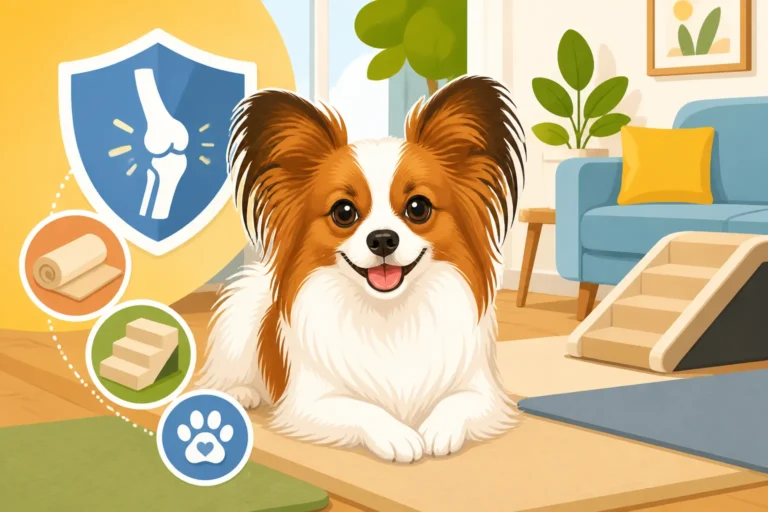
Moreover, stairs can be intimidating for some smaller dogs, especially if they have poor depth perception or are hesitant about heights. A ramp offers a more gradual transition, which can feel much safer to a cautious pup. It's about proactive care, recognizing that our little companions might not always make the safest choices, and providing them with the best tools to stay healthy and happy throughout their long lives. Setting Up a House That Protects a Papillon's Knees often involves strategic placement of ramps.
The Mental Aspect: Why a Papillon Might Hesitate
You might think a ramp is an obvious solution, but don't be surprised if your Papillon, bless their clever little heart, doesn't immediately take to it. They are intelligent and often quite sensitive, and anything new or wobbly can be met with suspicion. They might be used to jumping, and it's a habit they enjoy. A ramp feels different, looks different, and requires a different motor skill.
Some Papillons might be wary of the incline itself, or perhaps the texture of the ramp surface. If the ramp feels unstable, or if their paws slip, they'll quickly lose confidence. Their little minds process these things, and if they decide it's not safe, it can take time and patience to convince them otherwise. It's not about being stubborn; it's often about their innate caution, which is a survival instinct, even if it sometimes works against our best intentions for their safety.
Finding the Sweet Spot: Ideal Ramp Angles for a Papillon
The angle of the ramp is absolutely critical for a Papillon. Too steep, and it becomes too challenging or scary. Too shallow, and it might take up half your living room, becoming a trip hazard for you! The goal is to find an angle that feels natural and safe for their small legs and short stride.
Generally, for a Papillon, you want a ramp with a gentle incline. We're talking about an angle that prioritizes comfort and security over space-saving. Think of it as a comfortable slope rather than a steep hill.
The "Goldilocks" Angle: Not Too Steep, Not Too Shallow
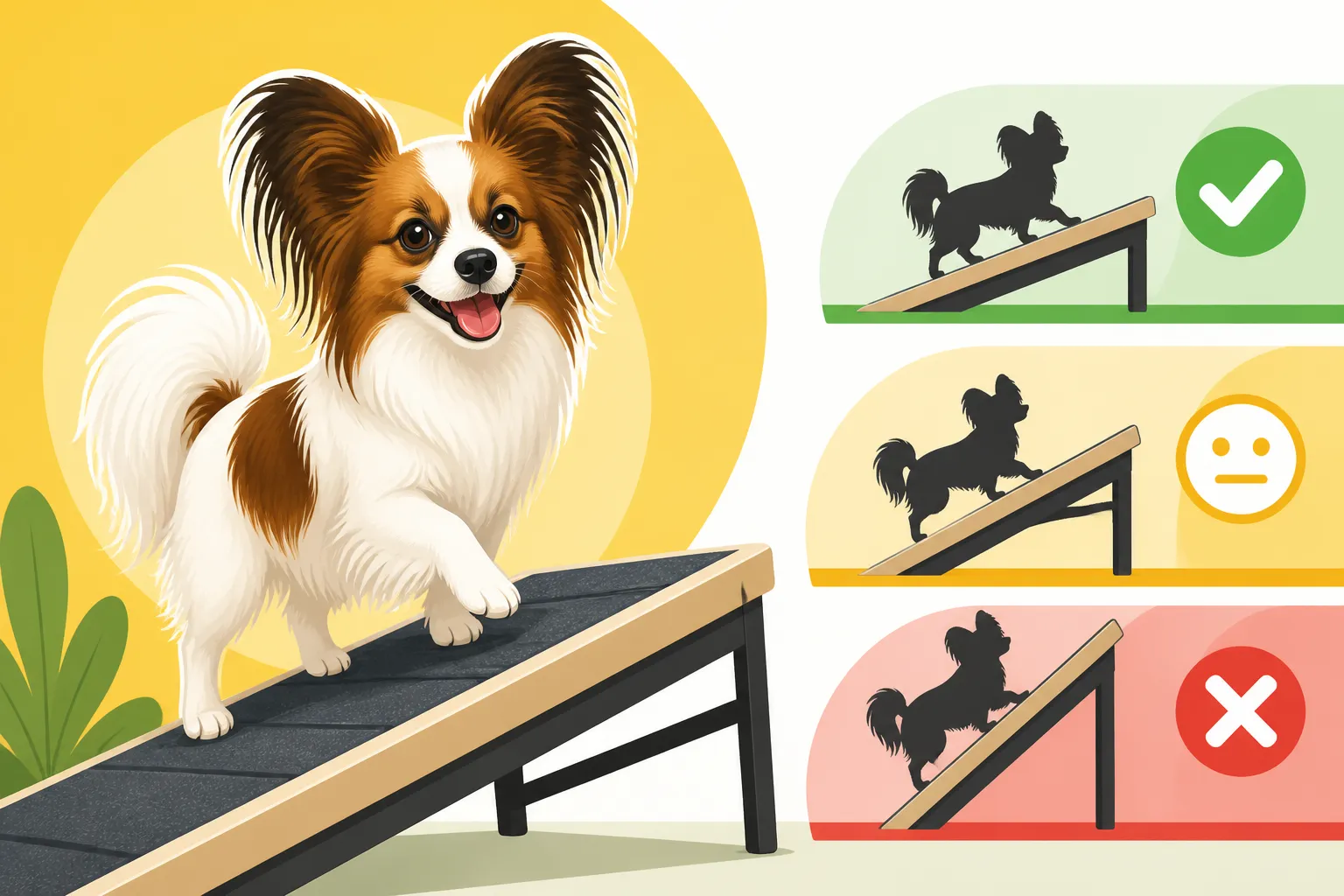
For most Papillons and similar small toy breeds, a ramp angle between 18 to 25 degrees tends to be the sweet spot.
- 18 degrees or less: This is very gentle and highly accessible, almost like a gradual rise. It's ideal for very small, older, or particularly cautious Papillons, or those with significant mobility issues. The downside is that it requires a longer ramp to reach a decent height, so it takes up more floor space.
- 20-22 degrees: This range is often perfect. It's gentle enough to feel secure, allows them to maintain good traction, and doesn't require an excessively long ramp. Most Papillons can comfortably navigate this angle with proper training.
- 23-25 degrees: This is approaching the steeper end of what's comfortable for many Papillons. While some agile young Papillons might manage it, it can be more challenging for older dogs, those with Whether a Papillon's Knees Get Worse With Age, or those prone to patellar luxation. It requires a bit more effort and can feel less stable if the surface isn't grippy enough.
Anything steeper than 25 degrees is generally not recommended for regular use by a Papillon, as it increases the risk of slipping and puts more strain on their joints. The shorter their legs, the more important a gentle angle becomes.
The Role of Ramp Length and Height
The angle isn't just an arbitrary number; it's a direct result of the ramp's length and the height it needs to reach. A steeper angle means a shorter ramp, while a shallower angle requires a longer ramp for the same height.
Here's a simple way to visualize it:
- Low Sofa (approx. 18-20 inches high): To achieve a gentle 20-degree angle, you'd need a ramp roughly 4.5 to 5 feet long.
- High Bed (approx. 24-30 inches high): For the same 20-degree angle, you'd be looking at a ramp closer to 6 to 8 feet long.
This is why many owners opt for adjustable ramps, which can be tailored to the specific height of their furniture while trying to maintain the gentlest possible angle. Brands like those found on Chewy or Amazon often carry models that offer adjustable heights and, consequently, adjustable angles. Always measure the height of the furniture you want the ramp to reach and then look for a ramp that can achieve a comfortable angle for that height.
| Ramp Angle (Approx.) | Length for 20-inch Height (Approx.) | Suitability for Papillons | Pros | Cons |
|---|---|---|---|---|
| 15 degrees | 77 inches (6.4 feet) | Excellent for all | Very gentle, maximum comfort, low impact | Takes up a lot of floor space, harder to find pre-made |
| 20 degrees | 55 inches (4.6 feet) | Ideal for most | Gentle, comfortable, good compromise | Still needs reasonable length, might not fit all spaces |
| 25 degrees | 43 inches (3.6 feet) | Acceptable for agile Paps | More compact, easier to fit | Requires more effort, less forgiving for joint issues |
| 30 degrees+ | < 38 inches (< 3.2 feet) | Not recommended | Very compact, takes up minimal space | Too steep, high risk of slipping, puts strain on joints |
Note: These lengths are approximate and depend on exact ramp design and connection points.
The Importance of Surface and Stability
Even the perfect angle won't matter if the ramp itself isn't safe and inviting.
- Surface Texture: Papillons need a non-slip surface. Carpeting, ribbed rubber, or even sandpaper-like textures are far superior to smooth plastic or wood. Imagine trying to walk up a slippery incline – their tiny paws need purchase! Why a Papillon's Nails Affect Its Knees is also relevant here; properly trimmed nails will provide better grip.
- Stability: A wobbly ramp is a terrifying ramp for a small dog. Ensure the ramp is sturdy and doesn't rock or shift when your Papillon steps on it. Fasten it securely to the furniture if possible, or choose a design with a stable base. Any perceived instability will deter them from using it.
Training Your Papillon to Love Their Ramp
So, you've picked the perfect ramp with the ideal angle and a great grippy surface. Now comes the fun part: teaching your Papillon to use it! Patience and positive reinforcement are your best friends here. Remember, your Papillon is smart, but they're also masters of subtle communication. If they're hesitant, there's a reason, and it's our job to figure it out gently.
Step-by-Step Introduction
Start slowly, ideally when your Papillon isn't overly tired or distracted.
- Place the Ramp: Set the ramp up next to the furniture you want them to access, but don't connect it initially. Just let them see it, sniff it, and investigate it on their own terms.
- Lure with Treats: With the ramp flat on the floor or only slightly elevated, use high-value treats (like small pieces of cooked chicken, cheese, or even special training treats from brands like Ollie) to lure them onto the ramp's surface. Drop treats along the length of the ramp.
- Positive Reinforcement: Every time they step on the ramp, offer enthusiastic praise and a treat. Keep it fun and light. You want them to associate the ramp with good things.
- Gradual Elevation: Once they're comfortable walking across the flat ramp, slightly elevate the lower end. Keep the incline very gentle at first. Continue luring with treats and praising heavily.
- Connect to Furniture: When they're confidently walking up the gently inclined ramp, connect it to the furniture. Start by luring them up to the top, giving them a treat when they reach the destination (your lap, their favorite bed).
- Practice Down: Don't forget to teach them to come down the ramp too! Many dogs are more hesitant going down. Again, use treats, praising them for a slow, controlled descent.
- Consistency is Key: Repeat these steps multiple times a day in short, positive sessions. Avoid forcing them. If they resist, go back a step or make the experience even more rewarding.
Remember, every Papillon is an individual. Some might take to the ramp in a day, others might need a week or two. Don't get discouraged! Teaching a Papillon Puppy to Be Handled All Over from a young age can make them more accepting of new things like ramps.
Troubleshooting Common Ramp Resistance
If your Papillon is still giving the ramp the cold shoulder, consider these factors:
- Slippery Surface: Re-evaluate the ramp's surface. Is it truly non-slip? You might need to add carpet strips or traction tape.
- Wobble Factor: Give the ramp a test wiggle yourself. Is it perfectly stable? Reinforce any movement.
- Fear of Heights/Gradient: If the angle is too steep, even slightly, it could be intimidating. Can you adjust it to be shallower, even if it means moving the furniture a bit?
- Negative Association: Have you accidentally startled them on or near the ramp? Make sure every interaction is positive.
- Distractions: Train in a quiet environment without other pets or loud noises that could divert their attention or make them anxious.
- Underlying Pain: Could there be a physical reason for their reluctance? If they suddenly refuse a ramp they once used, it's worth considering a vet check. They're good at How a Papillon Hides Pain.
Sometimes, simply placing their favorite toy or a comfy blanket from Which Bed a Papillon Prefers at the top of the ramp can encourage them to make the journey. Make the destination as appealing as the journey itself.
Choosing the Right Ramp for Your Papillon
With a clear understanding of angles and training, you're better equipped to pick the best ramp for your particular Papillon and your home. There are many options available, from permanent fixtures to portable models.
Types of Ramps and Features to Look For
When you're browsing for ramps, either online at places like Chewy and Amazon, or in specialty pet stores, keep these features in mind:
- Adjustable Height/Angle: This is a big one for Papillons. An adjustable ramp allows you to fine-tune the incline to that perfect 20-22 degree sweet spot, regardless of whether it's for the bed, sofa, or even accessing the car. This flexibility is invaluable.
- Non-Slip Surface: We've talked about this, but it bears repeating. Look for carpeting, rubber tread, or a textured grip. Avoid smooth plastic or painted wood.
- Sturdy Construction: The ramp should feel solid and not flex or creak under your Papillon's weight. Many lightweight travel ramps might not offer the stability needed for daily use.
- Width: While Papillons are small, a slightly wider ramp can offer more psychological comfort and make them feel less precarious. A minimum of 12-16 inches wide is generally good.
- Side Rails: Some ramps come with raised side rails, which can provide an added sense of security, especially for a dog new to ramps or one with vision issues.
- Portability vs. Permanent: Do you need a ramp for one specific piece of furniture, or do you want to move it around? Portable ramps are great for travel or car access, but a dedicated ramp for the sofa or bed might be sturdier and more aesthetically pleasing.
- Material: Wood ramps can be sturdy and attractive but might be heavier. Plastic ramps are lighter but can sometimes feel less stable or have less ideal surfaces. Aluminum ramps offer a good balance of strength and lightness.
Don't forget to measure the space you have available before you buy! A ramp that's too long for your living room might solve one problem but create another.
Other Considerations for a Papillon-Friendly Home
Adding ramps is a fantastic step, but it's part of a larger strategy to protect your Papillon's joints and ensure their long-term well-being.
- Paw Pad Health: Keep those tiny paw pads healthy and non-slip. Regular trims of hair between the pads can prevent slipping, and moisturizers can prevent cracking. This works in conjunction with How Short a Papillon's Nails Must Stay for Agility, as good foot care benefits overall mobility.
- Floor Surfaces: If you have hardwood or tile floors, consider runners or area rugs in high-traffic areas, especially where your Papillon might land from a low jump (even if discouraged). This reduces the likelihood of slips and falls. Whether a Papillon Slips on Hardwood is a real concern.
- Weight Management: Keeping your Papillon at a healthy weight is paramount for joint health. Even a few extra ounces can put disproportionate strain on their small frames.
- Regular Vet Checks: Ongoing veterinary care, including discussions about joint health, is crucial. Your vet can advise on supplements or other preventative measures.
By making conscious choices about ramp angles, ramp features, and overall home environment, you're not just buying a piece of equipment; you're investing in your Papillon's comfort, longevity, and quality of life. They may be small, but they deserve a safe and happy existence, free from preventable injuries.
Disclaimer
This article is for general informational purposes only and does not constitute professional advice. Laws, prices and regulations vary by location and change over time. Consult a qualified professional for guidance on your specific situation.