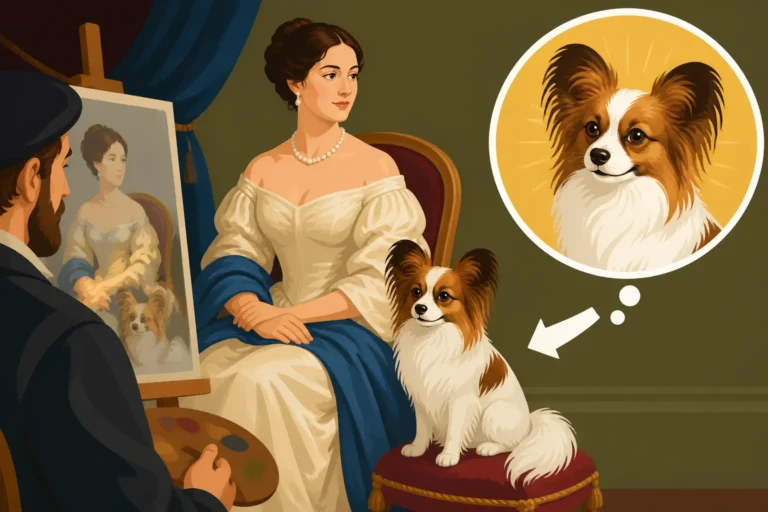
What a Dwarf Spaniel Was
It’s easy to feel a bit lost in the historical mentions when you’re researching the wonderful Papillon breed. You might come across terms like "Dwarf Spaniel" and wonder if it's a completely different dog or just an old name for our beloved butterfly-eared companions. This guide will take you on a journey back in time, unraveling the mystery of the Dwarf Spaniel and its undeniable connection to the Papillon we know and cherish today.
The Royal History of the Dwarf Spaniel
Imagine European royal courts centuries ago, filled with opulent gowns, intricate tapestries, and miniature dogs nestled in the arms of nobility. This isn't just a romanticized image; it's the reality that gave rise to the "Dwarf Spaniel." These weren't working dogs in the traditional sense, chasing game or herding flocks. Their purpose was far more refined: companionship, a symbol of status, and an enduring source of affection.
Ancient Roots and Noble Companionship
The lineage of what we now call the Papillon stretches back for centuries, making it one of the oldest toy breeds with a documented history. Before the distinct "butterfly" ears became prevalent, these small, elegant dogs were widely known as Continental Toy Spaniels or simply "Dwarf Spaniels." They were prized possessions, particularly among the aristocracy and royalty of continental Europe, with their popularity surging from the Renaissance onwards. They weren't just pets; they were living accessories, often seen adorning the laps of noblewomen in lavish portraits. Kings and queens, duchesses and ladies-in-waiting, all sought the delightful company of these tiny, soft-coated dogs, making them an integral part of courtly life. These little companions truly set the standard for what a toy breed could be, and their quiet charm offered a welcome respite in bustling palaces.
Portraits and Artistic Legacy
One of the most compelling pieces of evidence for the existence and reverence of the Dwarf Spaniel comes from art history. Renowned painters of the 16th, 17th, and 18th centuries frequently included these little dogs in their works, immortalizing their place in society. Titian Painted the Dog the Papillon Came From, for instance, depicting small spaniel-like dogs with lush coats and soulful eyes. These aren't just background elements; often, the dogs are positioned prominently, sharing the sitter's gaze or resting affectionately in their lap, highlighting their importance to their human companions. From the Italian Renaissance masters to later Baroque and Rococo artists, the Dwarf Spaniel was a recurring motif, a symbol of wealth, beauty, and companionship. The canvases serve as a vivid photo album, showing us exactly what these dogs looked like and how cherished they were. Which Other Painters Included Dwarf Spaniels might surprise you with how many famous artists found inspiration in these tiny muses.
Defining the "Dwarf Spaniel" in Renaissance Europe
When we talk about a "Dwarf Spaniel," it's important to understand that it wasn't a formally recognized breed with a strict standard, like breeds are defined today. Instead, it was a descriptive term, a catch-all for a type of very small, long-haired spaniel-like dog that shared certain characteristics and a primary role: lapdog companionship. Think of it less as a specific breed label and more as a category for tiny, fashionable dogs.
More a Type Than a Breed
In the days before kennel clubs and standardized breed registrations, dogs were often categorized by their function or their general appearance. A "Dwarf Spaniel" simply referred to any small spaniel-type dog. These dogs were quite variable in exact appearance, but they all shared the fundamental traits of being diminutive, having soft, flowing coats, and possessing the charming, gentle temperament expected of a devoted companion. They were often found in the homes of the wealthy, bred for their pleasing personalities and dainty size rather than for any specific utility. The idea of a formal "breed" with precise measurements and genetic lineage was still centuries away, making the Dwarf Spaniel a wonderfully fluid and adaptable type of canine friend.
Physical Traits and Purpose
While there was no rigid breed standard, common characteristics of the Dwarf Spaniel included a petite frame, weighing generally under ten pounds, sometimes even much less. Their coats were typically long, silky, and flowing, often with feathering on the ears, legs, and tail, similar to what we see in today's Papillon. The most distinguishing feature, differentiating them from other small dogs, was their spaniel ancestry, evident in their softer expression, often droopy or semi-erect ears (though the fully erect "butterfly" ear was still a development to come), and graceful movement. What a Titian Spaniel Looked Like offers a glimpse into this earlier appearance. Their primary purpose was unwavering: to be loving companions, to warm laps, and to adorn the parlors and boudoirs of their noble owners. They were cherished for their delicate beauty and affectionate nature, a role they fulfilled with unwavering dedication.
From Drop Ears to Butterfly Ears: The Evolution of the Breed
The journey from the generic "Dwarf Spaniel" to the distinct Papillon we adore is a fascinating tale of selective breeding and changing aesthetics. It's a story of how a particular ear set became so iconic it eventually lent its name to the entire breed.
The Phalene Predecessor
The original form of the Continental Toy Spaniel, the ancestor of the modern Papillon, was actually the drop-eared variety, known today as the Phalene. The word "Phalene" is French for "moth," a fitting name given how their large, drooping ears resemble the wings of a resting moth. These were the dogs predominantly seen in the early portraits, the ones that captured the hearts of European royalty for centuries. They possessed the same fine bone, silky coat, and alert, intelligent eyes as their modern descendants, but their ears lay softly at the sides of their heads. This ear set was the standard for generations, a hallmark of the elegant little companion. What the Name Phalene Refers To delves deeper into this charming moniker and how it describes this classic look.
The Emergence of the Papillon Ear
Sometime around the 17th or 18th century, a new variation began to appear in litters: a dog with upright, large, and fringed ears that fanned out, strikingly resembling a butterfly. This distinct ear set quickly captured public imagination and adoration, particularly within the French court. The French word for butterfly is "Papillon," and so these dogs became known by this delightful new name. The upright ears, often with a white blaze running between them, gave the dogs an incredibly alert and expressive look, distinguishing them from their drop-eared relatives. This wasn't a sudden genetic mutation that swept through the population overnight; rather, it was likely a natural variation that breeders, charmed by the unique appearance, began to selectively encourage. When the Erect Ear First Appeared marked a significant turning point in the breed's history.
Shared Lineage, Different Ears
It’s a common misconception that the Papillon and Phalene are separate breeds. They are, in fact, two varieties of the same breed: the Continental Toy Spaniel. The only distinguishing feature between them is the ear set. A Papillon has erect, butterfly-like ears, while a Phalene has dropped, moth-like ears. What's even more interesting is that Why a Papillon and a Phalene Are Born in the Same Litter is a completely normal occurrence! Puppies with both ear types can appear in the same litter, even from two Papillon-eared parents, as the gene for drop ears can be recessive. This beautiful genetic quirk truly underscores their shared heritage and reminds us that both are equally valid and cherished forms of this ancient toy spaniel. While many modern owners might search specifically for one ear type over the other, both embody the intelligence and charm that has always defined these delightful dogs.
Life as a Lapdog: The Role of the Dwarf Spaniel
The role of the Dwarf Spaniel was unequivocally that of a companion. They were not bred for hunting, guarding, or herding, but solely for their ability to bring joy, comfort, and status to their human counterparts. Their small size and gentle disposition made them perfect for this very specific job.
Status Symbol and Comforter
In the grand courts of Europe, where appearances and social standing were paramount, the Dwarf Spaniel served as both a coveted accessory and a beloved pet. For noblewomen, a tiny dog nestled in their arms or lap was a clear indicator of leisure and wealth, a creature too delicate for the harsh realities of work. Beyond the superficial, however, these dogs were true comforters. In an era before central heating, a small, warm body could offer genuine solace against the chill of drafty castles. Whether the Papillon Was a Lap Warmer is definitely a topic that comes up when discussing their historical role! They provided unconditional affection, a soft presence that listened without judgment, and a source of simple, pure joy in lives that could often be governed by strict etiquette and political intrigue. Their presence offered a touch of warmth and humanity in often austere settings.
Beyond the Palace Walls
While initially associated almost exclusively with royalty and aristocracy, the appeal of the Dwarf Spaniel gradually broadened. As the middle classes gained prominence and wealth, they too sought to emulate the gentry, and owning a small, fashionable companion dog became a symbol of their own rising status. The demand for these charming little dogs grew, and they moved from being solely palace residents to adorning the homes of merchants, artists, and other affluent citizens across Europe. This spread of popularity helped solidify their place as cherished companions for a wider segment of society, proving that their charm was universal, not just limited to the elite.
Daily Life and Care
Life for a Dwarf Spaniel in these early centuries was, by modern standards, probably quite different from how we care for our Papillons today. They likely ate scraps from the table, albeit often very fine scraps from royal tables! Grooming would have been rudimentary, perhaps just simple brushing, without the array of specialized tools and products readily available now. Yet, they were clearly cared for and loved, as evidenced by their healthy appearance in portraits. Today, the approach to a Papillon's care is much more scientific and intentional. We understand the importance of balanced nutrition, finding high-quality small-breed kibble or wet food, and providing specific accessories. For example, modern Papillon owners can easily find breed-appropriate food, comfortable beds, and grooming supplies from trusted retailers like Chewy, ensuring their tiny companions receive the best possible care for their health and well-being. This access to specialized products allows us to cater to their unique needs, from their delicate digestion to maintaining their beautiful, flowing coats.
The Legacy: From Dwarf Spaniel to Papillon
The journey from a loosely defined "Dwarf Spaniel" type to the distinct, recognized Papillon breed is a testament to their enduring appeal and the dedication of breeders over centuries. This evolution involved refining their characteristics, standardizing their appearance, and ensuring their place in the modern dog world.
Standardization and Breed Recognition
As dog breeding became more organized in the 19th and early 20th centuries, the various types of "Dwarf Spaniels" began to coalesce into more defined breeds. The Continental Toy Spaniel, encompassing both the drop-eared Phalene and the erect-eared Papillon, became a recognized entity. This formalization meant that breeders started working towards a consistent ideal, focusing on specific traits like size, coat quality, and temperament, to ensure puppies consistently met expectations. This was a crucial step in distinguishing them from other small breeds and preserving their unique qualities. How Old the Papillon Breed Is speaks to this long history, showing that while the name "Papillon" is newer, the dog type itself has a profound and extensive past, rooted firmly in European history. Understanding Where the Papillon Comes From helps us appreciate the careful custodianship that brought these charming dogs from the royal courts to our modern homes.
Enduring Traits and Modern Adaptations
Despite the passage of centuries and the shift from courtly life to modern homes, many of the core traits that made Dwarf Spaniels so beloved have been carefully preserved in the Papillon. Their intelligence, eagerness to please, and boundless affection are still hallmarks of the breed. Papillons are known for being incredibly clever, often ranking high in canine intelligence studies, a trait that surely facilitated their integration into human society centuries ago. This intelligence makes them incredibly trainable, excelling not just as companions but also in dog sports like agility and obedience. Modern adaptations, however, involve tailoring their care to contemporary understanding of canine health. This includes specialized dental care for their small mouths, regular veterinary check-ups, and mentally stimulating activities to satisfy their bright minds. Owners can readily find engaging puzzle toys and high-quality training treats from stores like Chewy to keep their Papillons happy and challenged, honoring their innate intelligence and ensuring they thrive in our busy world.
Preserving the Heritage
Today, dedicated Papillon breeders strive to maintain the health, temperament, and beauty of the breed while honoring its rich history. They use genetic testing to screen for hereditary conditions, ensuring that future generations are as robust as they are beautiful. The breed standard, meticulously crafted, guides their breeding choices, aiming to produce dogs that embody the elegant and vivacious spirit of their ancestors. This commitment ensures that the characteristics that made the Dwarf Spaniel so popular centuries ago – its charming looks, affectionate nature, and spirited intelligence – continue to define the Papillon today. It's a continuous line of care and dedication, connecting us directly to those bygone eras of European royalty. How the Papillon Standard Has Changed over time reflects this ongoing refinement and dedication to the breed's ideal.
Comparison: Dwarf Spaniel vs. Modern Papillon
To better understand the transformation and continuity, let's look at some key points of comparison between the historical "Dwarf Spaniel" and the modern Papillon. This table offers a simplified overview of how the breed has evolved while retaining its essence.
| Feature | Historical "Dwarf Spaniel" (Pre-18th Century) | Modern Papillon (20th Century onwards) |
|---|---|---|
| Name | Dwarf Spaniel, Continental Toy Spaniel, (pre-Papillon) | Papillon (erect ears), Phalene (drop ears) |
| Ear Type | Predominantly drop-eared (Phalene type), some semi-erect | Predominantly erect, butterfly-like ears; drop-eared Phalene also exists |
| Breed Status | General type, not a formally recognized breed | Formally recognized breed by kennel clubs worldwide |
| Primary Role | Lapdog, status symbol, companion to nobility | Companion, family pet, excels in dog sports (agility, obedience) |
| Size Range | Varied, generally small but less standardized | Typically 5-10 lbs, 8-11 inches at the shoulder, with specific standards |
| Coat Care | Basic, likely less extensive due to historical limitations | Regular brushing, specific shampoos/conditioners, dental hygiene emphasis |
| Diet | Table scraps, whatever was available from owner's meals | Specialized small-breed kibble/wet food, treats, supplements |
| Health Focus | Little to no intentional health screening | Genetic testing (PRA1, NAD, vWD), patellar luxation screening, regular vet care |
This table highlights how much has changed in terms of formal recognition and scientific care, but how consistent the Papillon's role as a beloved, intelligent companion has remained throughout history.
Disclaimer
This article is for general informational purposes only and does not constitute professional advice. Laws, prices and regulations vary by location and change over time. Consult a qualified professional for guidance on your specific situation.