How Tall a Papillon Stands
It's a common thought when you first meet a Papillon: just how small are these dainty dogs, really? You see pictures, of course, but until you stand next to one, or try to pick one up, their true size can be a bit of a mystery, leading to questions about whether they’re hardy enough for your lifestyle or if every piece of furniture in your home suddenly becomes a giant mountain. This guide is here to demystify the Papillon's size, breaking down what the breed standard truly means for their stature, and what you can realistically expect from your charming butterfly-eared companion.
The Official Word on Papillon Height
When we talk about a dog breed, there's always an official standard that outlines the ideal characteristics, and size is a huge part of that. For the Papillon, these standards are designed to maintain the breed's unique appearance, health, and historical type. It's not just about aesthetics; size can often influence a dog's health and capability for certain activities.
Understanding the Breed Standard's Ideal Height Range
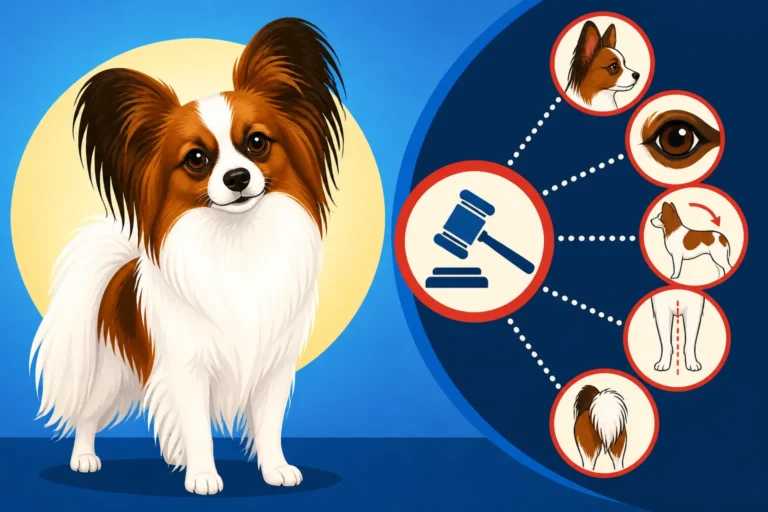
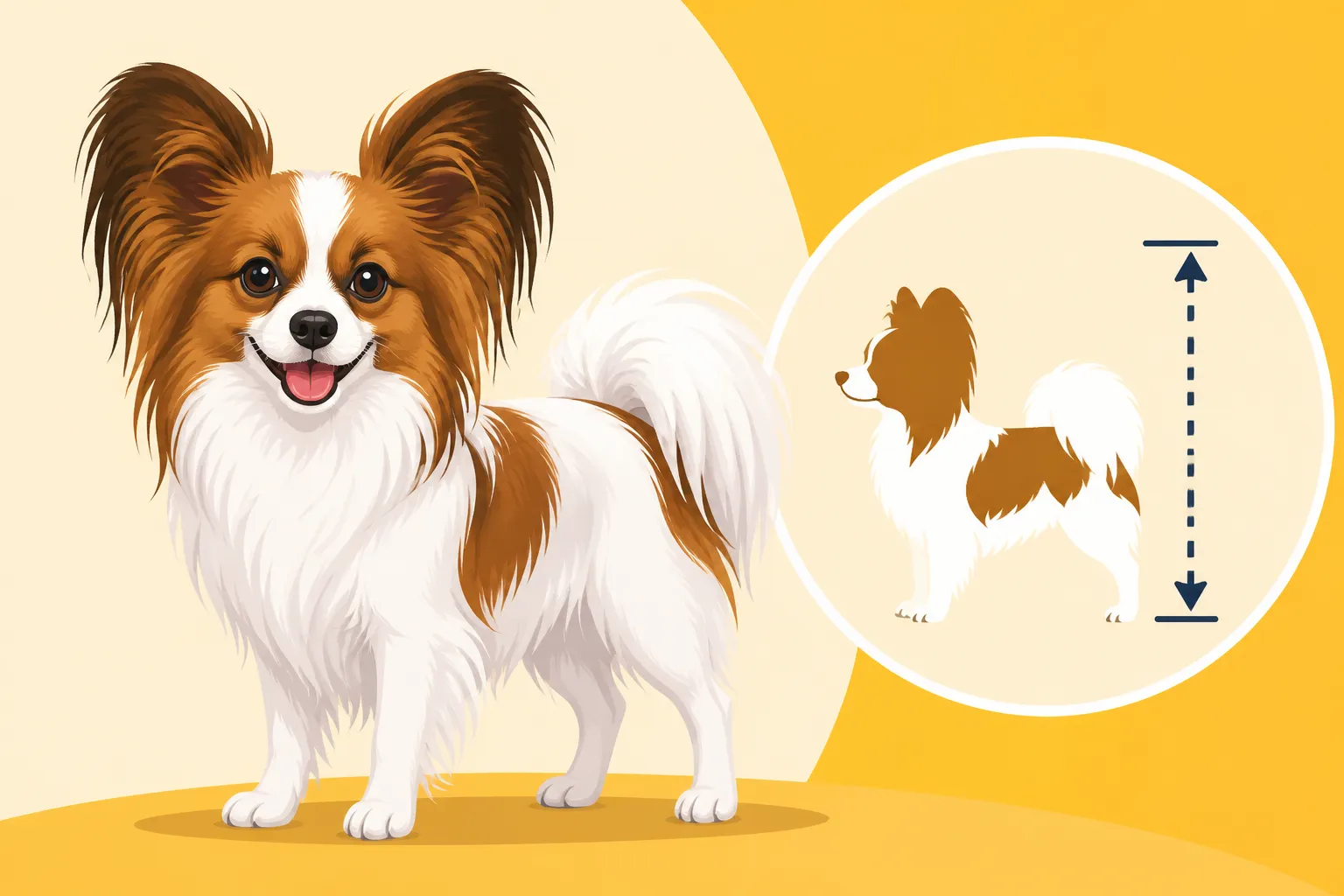
Most major kennel clubs, like the American Kennel Club (AKC), specify a height range for the Papillon. Typically, the standard calls for a height of about 8 to 11 inches at the shoulder. That's not very tall at all, is it? Imagine a ruler; they barely reach the top of a standard office binder. This compact size is a hallmark of the breed, a direct link back to their origins as companions for royalty and nobility, designed to fit comfortably on laps or be carried in the arms. It’s a purposeful smallness, cultivated over centuries.
This strict adherence to a height range ensures that Papillons remain true to their heritage as elegant, small companion dogs. Breeders aim for this sweet spot because it's believed to be the most balanced for their overall health, structure, and ability to move with that distinctive, light-footed grace. Deviation too far from this ideal can impact their gait, their ability to perform in sports like agility, or even their general comfort in daily life.
Why the Standard Exists: Form, Function, and History
The breed standard isn't just a random set of numbers; it's a living document that reflects centuries of careful breeding. For the Papillon, their small size and delicate bone structure were historically valued for their role as lap warmers and fashionable accessories in European courts. Their diminutive stature allowed them to be easily transported, whether in the sleeves of aristocratic ladies or cradled in their arms, a testament to their companion animal status.
This historical function directly translates to the modern standard. A Papillon too large might lose some of its characteristic elegance and agility, while one too small might be overly delicate or prone to specific health issues. The height, combined with their fine bone structure, contributes to their overall "toy" dog classification and ensures they maintain the spirited yet refined demeanor that Papillon lovers adore. The standard truly underpins what makes a Papillon a Papillon.
The Reality of Papillon Size Variation
While the breed standard gives us an ideal, the reality is that individual Papillons can, and do, vary in size. Just like people, dogs within a breed aren't all cookie-cutter replicas. You might encounter Papillons slightly taller or shorter than the standard, and understanding why these variations occur can help manage expectations.
When a Papillon Falls Outside the Standard Height
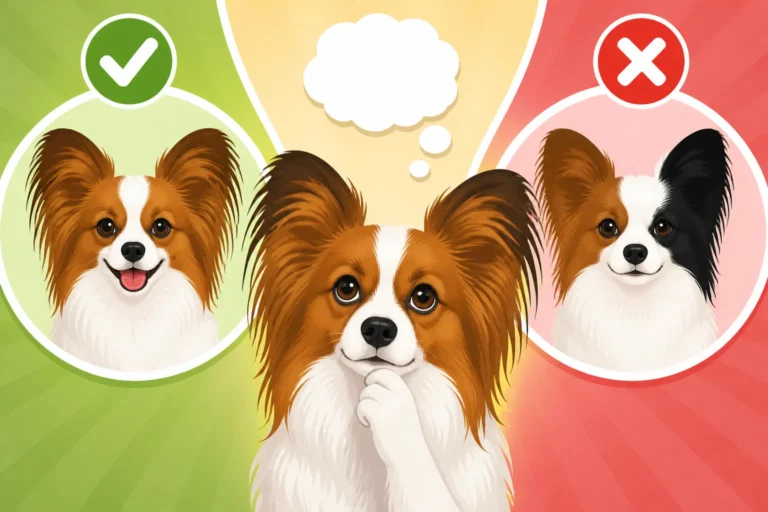
It's not uncommon to see a Papillon that measures a little under 8 inches or a bit over 11 inches. These individuals are still very much Papillons, but they might not be considered "show quality" by a judge. For pet owners, this usually makes no difference whatsoever to the dog's ability to be a wonderful companion. A slightly larger Papillon might be even sturdier for active families, while a slightly smaller one can be perfectly content as a lap dog.
The term "oversized" Papillon sometimes comes up for dogs exceeding the 11-inch mark. This doesn't mean they are less healthy or less lovable; it simply means they don't conform to the aesthetic ideals of the show ring. These variations can stem from a mix of genetics within their lineage, even if their immediate parents were within standard. You might also hear about "teacup" Papillons, which are exceptionally tiny individuals. While some find these highly appealing, it's often important to remember that Why Very Small Papillons Are Unsound. Extreme smallness can sometimes be associated with a higher risk of certain health issues, so always prioritize health over novelty when choosing a puppy.
Distinguishing Between Show-Quality and Pet Papillons by Size
The difference between a "show-quality" Papillon and a "pet-quality" Papillon often boils down to how closely they adhere to the breed standard, with size being a significant factor. A breeder aiming for show champions will meticulously select breeding pairs to produce puppies most likely to fall within the ideal 8 to 11-inch height range, along with other physical traits like ear set, coat, and structure.
For a pet owner, however, these subtle differences in inches are rarely a concern. A Papillon that's 12 inches tall or 7 inches tall will still bring immense joy and companionship. Breeders typically price puppies differently based on their potential for the show ring, but a slightly larger or smaller Papillon can make an equally fantastic family member. The most important thing for any Papillon, regardless of its measurements, is a sound temperament and good health, which a reputable breeder will prioritize above all else. When you're looking for gear for your slightly-off-standard pup, whether it's a larger crate or an extra-small harness, places like Chewy are excellent resources.
Factors Influencing a Papillon's Growth and Final Height
A Papillon's eventual height isn't solely predetermined by its breed standard; a fascinating interplay of genetics, nutrition, and early life experiences all contribute to how tall your little butterfly-eared friend will ultimately stand. Understanding these factors can give you a clearer picture of your puppy's potential growth trajectory.
The Role of Genetics: Ancestry and Lineage
Genetics are undeniably the primary driver of a Papillon's final size. Just like human children often resemble their parents or grandparents, Papillon puppies inherit their genetic blueprint from their dam and sire. If both parents are on the taller end of the spectrum, there's a higher probability that their offspring will also mature into larger adults. Conversely, smaller parents tend to produce smaller puppies.
A responsible breeder will be able to provide information about the size of the puppy's parents and even previous generations. This lineage insight offers the best prediction of a puppy's adult height. While there are always exceptions, the genetic foundation is what sets the general framework for how tall a Papillon will grow. It’s why breeders spend so much time studying pedigrees and making careful pairing decisions. You can often see the difference in Whether Male and Female Papillons Differ in Size, though not dramatically so for Papillons.
Nutrition and Health During Puppyhood
While genetics set the potential, proper nutrition and overall health during a Papillon's critical growth phases are crucial in helping them reach that potential in a healthy way. Puppies need a balanced diet specifically formulated for their rapid growth. Overfeeding, especially with high-calorie diets, might lead to a puppy growing too fast, which can sometimes put undue stress on developing joints and bones.
Conversely, underfeeding or a diet lacking essential nutrients can stunt growth, preventing a Papillon from reaching its genetically predetermined height. Health issues, such as parasitic infections or chronic illnesses during puppyhood, can also divert resources away from growth, impacting their final size. Ensuring your Papillon puppy gets quality nutrition and prompt veterinary care from the start is paramount, especially when they are so tiny, like How Small a Papillon Puppy Is at Eight Weeks. A good quality small-breed puppy food, often found at retailers like Chewy, is a fantastic starting point. Remember, The Age a Papillon Stops Growing is usually around 10-12 months, so those early months are vital.
Comparing Papillon Height to Other Toy Breeds
Sometimes, to truly grasp a Papillon's size, it helps to put them next to other well-known small breeds. This comparative analysis not only highlights their specific stature but also reinforces their unique position within the toy group.
Papillon Versus Other Petite Companions
When you think of tiny dogs, breeds like Chihuahuas and Pomeranians often come to mind. The Papillon fits right into this group, though often with a slightly different build and height profile. Chihuahuas, for instance, are generally the smallest breed, typically standing between 6-9 inches tall. So, a Papillon can often be a touch taller than a typical Chihuahua, though still incredibly petite.
Pomeranians, with their fluffy coats, can sometimes appear larger than they are, but their actual height usually falls between 6-7 inches. This means a Papillon, at its upper standard of 11 inches, can be noticeably taller than many Pomeranians, often possessing a more leggy and refined appearance beneath their flowing hair. Each breed has its charm, but the Papillon's height gives it a graceful, almost athletic silhouette within the toy category. How a Papillon Differs From a Pomeranian goes into more detail about these comparisons.
Practical Implications of Their Size Differences
The subtle height differences between toy breeds can have practical implications for owners. A slightly taller Papillon might find it easier to navigate stairs (though ramps are still often recommended for joint health!) or reach certain low-lying furniture. Their longer legs can also give them an advantage in agility, allowing for a more extended stride and quicker turns compared to very short-legged breeds. How High a Papillon Jumps in Competition often surprises people given their size.
For owners, this means that while all toy breeds require a certain level of diligence regarding safety – avoiding accidental treading, protecting them from larger, boisterous dogs – a Papillon's slightly increased height can make them feel a touch more robust than their absolute smallest cousins. However, they are still very small and can easily become injured if not properly supervised, especially around children or larger animals. Their small size still means you need to be mindful of how you Setting Up a House That Protects a Papillon's Knees.
Here's a quick comparison of some popular toy breeds' typical heights:
| Breed | Typical Height Range (at shoulder) | Average Weight (lbs) | Key Distinguishing Feature |
|---|---|---|---|
| Papillon | 8 – 11 inches | 5 – 10 | Butterfly ears, elegant build |
| Chihuahua | 6 – 9 inches | 2 – 6 | Smallest, apple or deer head |
| Pomeranian | 6 – 7 inches | 3 – 7 | Fluffy double coat, foxy face |
| Maltese | 7 – 9 inches | 4 – 7 | Long, silky white coat |
| Yorkshire Terrier | 7 – 8 inches | 4 – 7 | Blue and tan coat, confident |
Living With a Papillon's Small Stature
Embracing a Papillon means embracing their small size, and while it comes with many joys, it also comes with practical considerations for daily living. From safeguarding their tiny bodies to choosing appropriate gear, their stature influences many aspects of care.
Adapting Your Home for a Small Dog
Bringing a Papillon into your home means looking at your environment through a new lens – their lens. What seems like a small step or a low piece of furniture to you can be a significant obstacle or a high jump for an 8-pound dog. Protecting their delicate joints, especially their knees which can be prone to conditions like patellar luxation, is paramount. This means considering ramps or steps for furniture like sofas and beds. Even a seemingly innocuous jump off a chair can put strain on tiny kneecaps.
Furthermore, small dogs can get into small spaces. Ensure your home is puppy-proofed, blocking off any gaps they could squeeze into or small objects they might try to chew. Their small size also makes them more susceptible to temperature extremes; they can get cold quickly in winter or overheat in summer. A cozy bed, perhaps one purchased from Chewy, where they can burrow, or a lightweight coat for chilly walks, becomes essential.
Safety Considerations for a Petite Papillon
A Papillon's small size, while endearing, makes them inherently more vulnerable to accidental injury. They can easily be stepped on, dropped, or injured during play with larger, more boisterous dogs. Vigilance is key. When out in public, always keep your Papillon on a leash or in a secure carrier, even in seemingly safe environments. Dog parks, especially those with many large breeds, might not be the safest environment for them.
At home, supervise interactions with children and other pets, ensuring everyone understands how to interact gently with a small dog. Educate visitors, particularly children, on the importance of not dropping or roughly handling your Papillon. Even simple things like falling off a sofa can cause significant injury to such a small dog. Their bones are delicate, and their small body mass offers less protection against impacts.
What a Papillon's Height Means for Activity and Lifestyle
Don't let their small size fool you into thinking Papillons are delicate couch potatoes. While they certainly excel at being lap warmers, their compact height belies an active, intelligent, and surprisingly athletic nature that thrives on engagement.
Their Agility and Energy Levels
Despite their petite stature, Papillons are renowned for their incredible athleticism and high energy. Their light frame and quick feet make them exceptionally agile, often excelling in dog sports like agility, rally, and obedience. Their height, falling within the lower range of competition divisions, often allows them to clear obstacles with impressive speed and grace. They might be small, but they move with purpose and enthusiasm, often outpacing much larger breeds in a burst of speed.
This means that a Papillon needs more than just a short stroll around the block. They thrive on mental and physical challenges. Daily walks, playtime in a secure yard, and engaging puzzle toys are crucial for their well-being. Don't underestimate their need for activity just because they're small. In fact, a bored Papillon, regardless of height, can become a mischievous one! Considering What a Papillon Needs Every Day for exercise and mental stimulation is vital.
Suitability for Different Living Environments
A Papillon's modest height and overall small footprint make them wonderfully adaptable to various living situations. They are often considered one of the best breeds for apartment living, especially if their exercise needs are consistently met with walks and indoor play. Their small size means they don't require vast amounts of space to stretch their legs indoors, unlike some larger, more sprawling breeds. Whether a Papillon Suits an Apartment is a common question, and the answer is usually a resounding yes, provided they get enough mental and physical enrichment outside.
However, "apartment-friendly" doesn't mean "lazy." They need access to safe outdoor spaces for potty breaks and exploring. Whether you live in a city apartment or a suburban home, a Papillon's personality shines brightest when they are an integral part of family life, actively participating in activities rather than being merely observed. Their small size means they're also excellent travel companions, fitting comfortably in airline-approved carriers or riding securely in a car seat, making adventures together much easier.
Disclaimer
This article is for general informational purposes only and does not constitute professional advice. Laws, prices and regulations vary by location and change over time. Consult a qualified professional for guidance on your specific situation.