Which Courts Kept Dwarf Spaniels
When you welcome a Papillon into your home, you're not just getting a dog; you're inviting a piece of living history, a breed with a lineage that sashayed through the grandest courts of Europe. It’s easy to look at these dainty dogs and imagine them as mere lap warmers, but their history is far richer, woven into the tapestries and portraits of royalty and nobility for centuries. This guide will take you on a journey through time, exploring the aristocratic circles where the Papillon's ancestors, the charming Dwarf Spaniels, were cherished companions and symbols of status, and how that legacy still influences the breed we know and love today.
Tracing the Papillon's Ancestry to European Courts
Imagine a time when pet ownership wasn't just about companionship, but about a clear display of wealth, status, and refined taste. That's exactly the world the ancestors of our modern Papillons inhabited. These tiny spaniels, predecessors to both the drop-eared Phalene and the upright-eared Papillon, were more than just pretty faces; they were prized possessions, often living lives of immense luxury within the most exclusive circles of European society.
The Early Dwarf Spaniels: Beyond a Pet
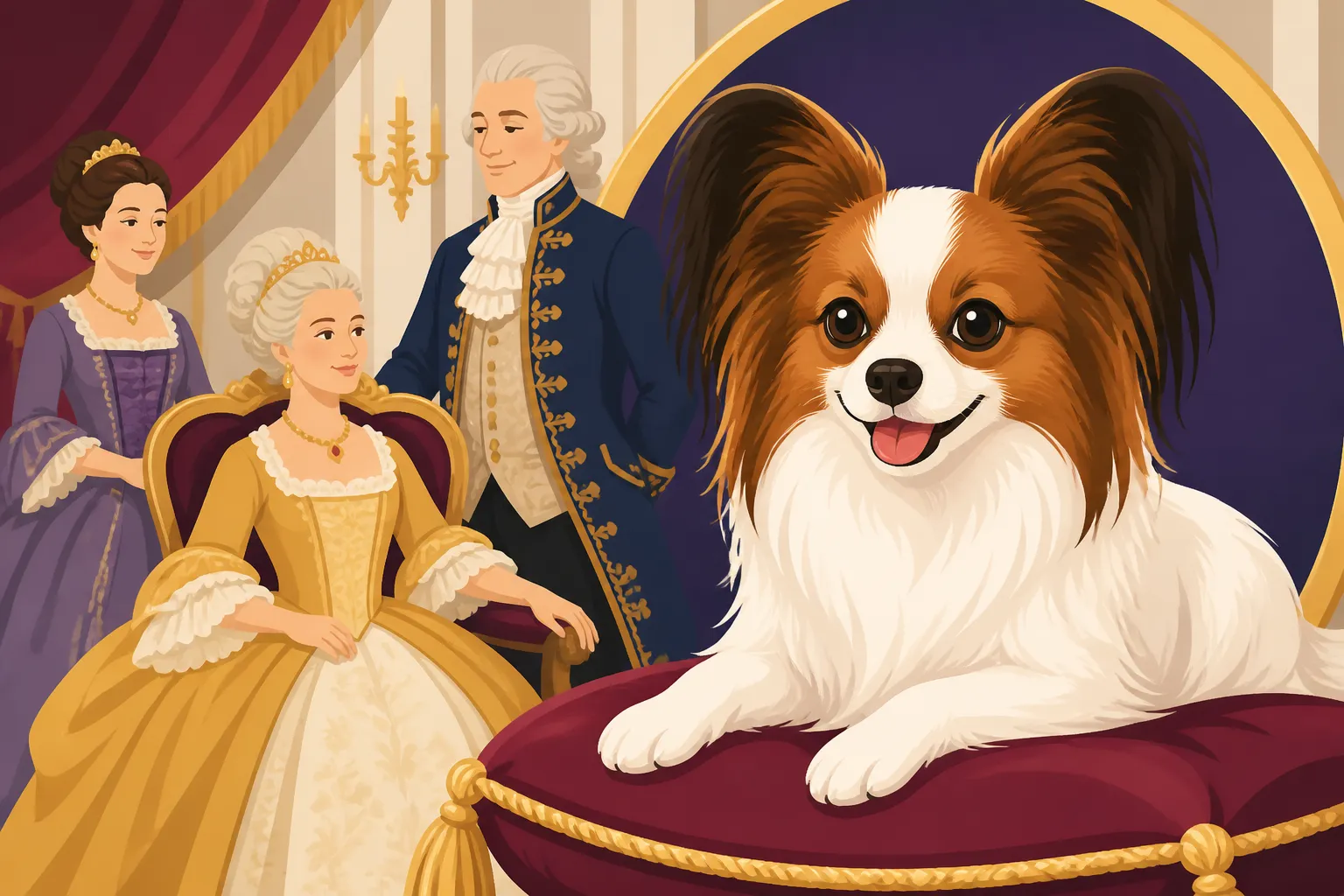
The earliest records and artistic depictions show these small spaniels as more than just fluffy ornaments. In the lavish courts of the Renaissance, having a small, exquisitely bred dog was a distinct mark of nobility. They weren't tucked away in kennels with hunting hounds; they were often seen perched on silken pillows, nestled in laps, or being carried by their royal and aristocratic owners. These dogs served as comforting companions, silent confidantes, and even, some historians suggest, as little portable heaters during chilly castle winters – hence the nickname "comforter spaniels."
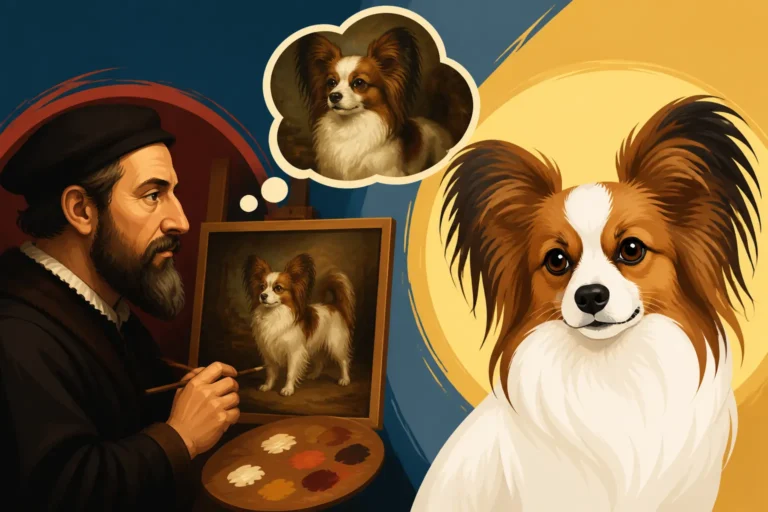
Their presence in art, particularly in portraiture, wasn't accidental. Including a Dwarf Spaniel in a painting was a deliberate choice by the sitter, signaling their refinement, their access to luxury, and sometimes even their marital status or wealth. These dogs were quite literally part of the royal family's public image, a statement as much as a pet. It's fascinating to consider how The Papillon Has Seven Hundred Years of Portraits Behind It, showcasing this long-standing connection between the breed and the arts.
Royal Households and Their Pint-Sized Companions
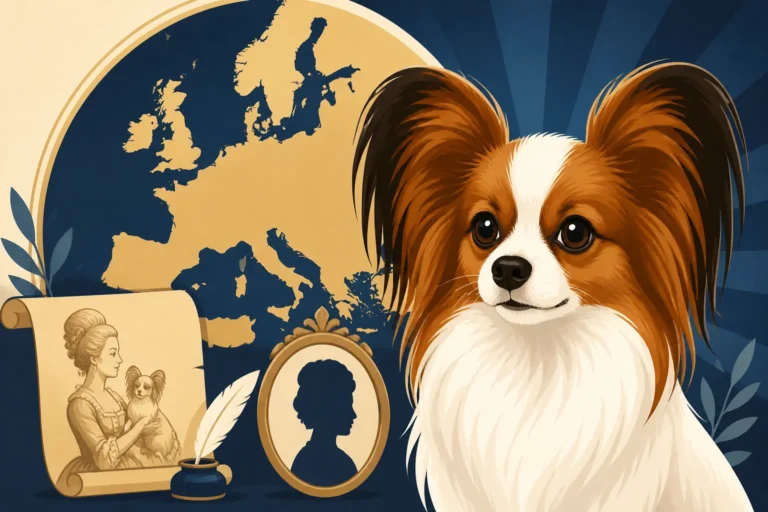
While the Papillon is often associated with France, its true origins as a Dwarf Spaniel are more widespread across Europe, particularly in Italy and Spain, before making their grand entrance into the French court. The breed's development was a gradual process, with different regions favoring slightly different looks, but the core appeal of a small, intelligent, and affectionate companion remained universal among the elite.
In the sun-drenched palaces of Italy, these small spaniels were already becoming favorites by the 13th and 14th centuries. The Italian nobility, known for their patronage of the arts and their love of beauty, found these dogs perfectly suited to their opulent lifestyles. From there, their popularity spread to Spain, where they also became cherished members of royal households. These dogs were often gifts between royal families, solidifying alliances and showing respect, further cementing their status as esteemed creatures.
The French Court and the Rise of the "Butterfly" Dog
It was in France, however, that the Dwarf Spaniel truly blossomed into the Papillon we recognize today. By the 16th and 17th centuries, the French court was setting trends across Europe, and the small spaniel was right there, at the epicenter of fashion. King Henry III was famously devoted to his little dogs, reportedly carrying them in a basket around his neck, much to the amusement (or perhaps, exasperation) of his courtiers.
The breed continued to evolve, and by the 18th century, the distinctive upright ears, reminiscent of a butterfly's wings, became a hallmark. This gave the breed its current name, "Papillon," French for butterfly. Before this, the drop-eared version, known as the Phalene (French for moth), was more common. It's interesting to consider that Why a Papillon and a Phalene Are Born in the Same Litter speaks to their shared heritage, a direct link to those earlier courtly companions. The transition from the Phalene's drooping ears to the Papillon's erect ones marked a significant shift, driven by changing aesthetic preferences within these influential courts.
The Renaissance Period: A Status Symbol on Canvas
The visual evidence of the Dwarf Spaniel's importance in European courts is perhaps most striking in the art of the Renaissance and Baroque periods. Painters, commissioned by royalty and nobility, immortalized these dogs alongside their esteemed owners, providing us with a timeless glimpse into their world.
Italian Nobility and the Titian Spaniel
The term "Titian Spaniel" isn't an official breed name, but rather a loving nod to the Venetian painter Titian (Tiziano Vecellio), who frequently included small, long-haired, drop-eared spaniels in his portraits during the 16th century. These dogs, often depicted with rich, flowing coats and expressive eyes, were clearly beloved members of the noble families he painted. They were typically shown in intimate settings, perhaps at their owner's feet or nestled in their lap, symbolizing loyalty, companionship, and the owner's gentle nature.
These artistic representations confirm that these dogs were not just pets but integrated members of the household, enjoying a level of privilege rarely afforded to animals of the time. The details in these paintings – the luxurious fabrics, the intricate jewelry, the serene expressions of the subjects – all highlight the opulence of the era, an opulence that these small spaniels were undeniably a part of. The question of Whether Titian Painted the Dog the Papillon Came From is a resounding yes, as his works offer some of the earliest and most beautiful records of the breed's ancestors.
Spanish Royalty and Velázquez's Canine Subjects
Moving westward, the Spanish courts also held these dainty dogs in high regard. Diego Velázquez, the principal court painter to King Philip IV of Spain, famously depicted royal family members and their retainers, often including their canine companions. While some of the dogs in his portraits are larger hunting breeds, many notable works feature small spaniels, sometimes referred to as "Dwarf Spaniels" or "Continental Toy Spaniels," the direct forebears of the Papillon.
These Spanish depictions often portray the dogs with a quiet dignity, reflecting the formal nature of the Spanish court. They are shown with the same meticulous detail as their human counterparts, emphasizing their importance. The presence of these dogs in such esteemed artworks speaks volumes about their value and the affection showered upon them by the highest echelons of Spanish society. It truly highlights how embedded these small dogs were in the fabric of courtly life, providing comfort and a touch of warmth in often rigid environments.
Beyond the Brushstroke: Daily Life in the Courts
While portraits offer a posed view, imagine the everyday life of these Dwarf Spaniels within the bustling, yet often confined, world of a royal court. They would have been accustomed to the finest silks, perhaps even having their own servants to attend to their needs. Their diets would have been far from meager, likely sharing in the rich meals prepared for their masters, a stark contrast to the rough fare of common working dogs.
They weren't expected to hunt or guard; their purpose was purely companionship and adornment. They would have been present during private moments, official receptions, and even while traveling, carried in ornate baskets or special sleeves. This constant proximity to their powerful owners meant they were privy to the inner workings of court life, making them silent witnesses to history. This pampered existence shaped the breed's temperament over generations, favoring dogs that were charming, intelligent, and adaptable to indoor life. It’s also why today’s Papillons thrive on being close to their humans, seeking out cuddles and constant interaction, a habit formed centuries ago in those grand halls.
From Lapdog to Agility Star: The Modern Papillon's Journey
The world changed dramatically, especially with events like the French Revolution, which saw the demise of many noble families and, consequently, their beloved pets. However, the resilient Dwarf Spaniel lineage managed to survive these turbulent times, thanks to dedicated admirers who continued to breed and cherish them.
The French Revolution and the Breed's Survival
The upheaval of the French Revolution, with its anti-aristocratic fervor, posed a serious threat to many symbols of the old regime, including the pampered lapdogs of the nobility. Legend has it that even Marie Antoinette, a known enthusiast of the breed, was said to have clutched her small spaniel as she was taken to the guillotine, though this remains a poignant, unverified tale. What is certain is that many of these dogs undoubtedly perished during the chaotic period.
However, the breed did not vanish. Some were likely smuggled out of the country, while others found refuge with less conspicuous families or those who simply adored them for their intrinsic charm. This period underscored the true devotion people had for these dogs, transcending political turmoil. It’s a testament to the Papillon's enduring appeal that it not only survived but eventually thrived again, regaining popularity in the centuries that followed.
Evolution of the Ears: From Phalene to Papillon
One of the most defining characteristics of the modern Papillon is its large, erect, butterfly-like ears. This wasn't always the case. The earliest Dwarf Spaniels, as seen in the paintings of Titian and his contemporaries, almost exclusively had dropped ears, giving them the "Moth" or Phalene designation. The transition to the erect-eared Papillon is believed to have occurred in the 17th or 18th century, likely through selective breeding, possibly with other spitz-type dogs to encourage the erect ear.
This change wasn't just a physical evolution; it reflected a shift in aesthetic preference. The "butterfly" ear became incredibly fashionable, distinguishing the breed and cementing its place in the hearts of European dog lovers. Today, both ear types are recognized, but the Papillon's iconic ears remain its most famous feature, a direct link to the whims and tastes of those historical courts. Which Ear Type Buyers Ask For More often comes down to personal preference, but the Papillon's upright ears are certainly what gives the breed its distinct name.
The Papillon Today: A Legacy of Nobility
Today, the Papillon is celebrated not just for its beauty and elegant appearance but for its extraordinary intelligence and athleticism. They are consistently ranked among the smartest dog breeds, often showing up in the top ten for working intelligence. This sharp mind, no doubt honed by centuries of close interaction with human companions and the need to adapt to complex court environments, makes them incredibly trainable.
While they may have once been content to grace a royal lap, modern Papillons excel in dog sports like agility, obedience, and rally. Their small size belies a feisty, energetic spirit, proving they are far more than just delicate show dogs. This blend of aristocratic grace and keen intelligence makes them wonderfully versatile companions, equally at home on a velvet cushion or flying over an agility jump. When you see a Papillon navigating an obstacle course with precision, you're seeing the spirit of centuries of careful breeding for a smart, attentive companion, refined and ready for any challenge. The Papillon Is the Smartest Toy Breed There Is is a statement that truly rings true for anyone who has shared their life with one of these incredible dogs.
Practicalities of Owning a "Royal" Companion
Bringing a Papillon into your home means understanding their unique needs, many of which stem from their long history as cherished companions. Their delicate frames, their luxurious coats, and their intelligent minds all require thoughtful care to ensure they thrive.
Feeding a Dog with Noble Tastes
While a modern Papillon won't be sharing morsels from a king's banquet, they still need a high-quality diet to maintain their health and energy. Due to their small size, they don't eat a huge amount, making them relatively economical to feed, but the quality of that food is paramount. Look for small kibble sizes that they can easily manage in their dainty mouths.
It's crucial to manage their weight carefully. Even a few extra ounces can put undue strain on their small joints, particularly their delicate kneecaps, which are prone to conditions like patellar luxation. Their small stomachs mean they might get full quickly, or conversely, be prone to low blood sugar if not fed regularly as puppies. Finding a good, nutrient-dense small-breed formula is key. Many Papillon owners find it convenient to order their preferred brand online, ensuring they always have a fresh supply. Chewy offers a wide selection of small-breed specific foods, making it easy to find something that suits even the most discerning Papillon palate. Remember, consistency is important, and always have fresh water available for your tiny monarch.
Grooming for the Courtly Canine
The Papillon's signature feature, beyond those ears, is its beautiful, long, silky coat. While it looks elaborate, it's surprisingly easy to care for compared to many other long-haired breeds. This is because they have no undercoat, which means less matting and less shedding, making them a fantastic choice for those who appreciate elegance without excessive daily grooming demands.
Regular brushing, a few times a week, is usually sufficient to keep tangles at bay, especially behind the ears, on their "culottes" (the long hair on the back of their thighs), and their magnificent tail plume. A good quality pin brush and a metal comb are your best friends. Don't forget their feet, which can grow long hair between the pads, affecting their traction on smooth floors. Trimming this hair can help prevent slips and slides. For bathing, a gentle dog shampoo and conditioner will keep their coat soft and lustrous. When shopping for grooming tools or specialty shampoos, Chewy is a convenient option for all your Papillon's pampering needs, offering everything from detangling sprays to nail clippers.
Keeping up with their grooming not only maintains their regal appearance but also helps you bond with your dog and check for any skin issues or parasites. It's a small investment of time for a truly stunning companion. Why a Papillon's Long Coat Takes Twenty Minutes a Week is something many prospective owners are surprised to learn, thinking such a luxurious coat would be far more work.
Exercise Fit for a Palace or a Park
Despite their small stature and historical role as lapdogs, Papillons are surprisingly energetic and athletic. They are not content to simply lie around all day, though they certainly excel at napping on a soft blanket. Their keen intelligence demands mental stimulation as much as their bodies require physical activity.
Daily walks are essential, providing not only exercise but also vital mental engagement through sniffing new scents and seeing the world. Beyond walks, Papillons thrive on interactive play, learning new tricks, and participating in dog sports. Puzzle toys can be a great way to challenge their minds, keeping them entertained and preventing boredom, which can sometimes lead to mischievous behaviors. A small, secure yard is wonderful, but they can adapt beautifully to apartment living as long as their exercise and enrichment needs are met.
Many Papillon owners find immense joy in activities like agility, where their speed, intelligence, and willingness to work with their handler truly shine. Their delicate joints, particularly their knees, benefit from controlled exercise, but excessive jumping from furniture should be discouraged to protect them. Investing in ramps or steps can be a wise choice to protect their long-term joint health. Regular, appropriate exercise not only keeps them physically fit but also ensures their sharp minds are engaged, honoring their intelligent heritage. When it comes to toys that challenge their smarts, even simple ones available through Chewy can provide hours of fun and mental stimulation.
Understanding the Papillon's Enduring Legacy
The Papillon's journey from the royal courts of Europe to our modern homes is a fascinating tale of survival, adaptation, and enduring charm. They are living proof that great things truly do come in small packages, embodying centuries of history in their spirited, intelligent, and affectionate personalities. Understanding their background helps us appreciate their unique characteristics and provide them with the loving, engaged home they deserve.
| Era/Region | Associated Nobility/Courts | Key Characteristics of Dogs Depicted | Role in Society | Artistic Representation |
|---|---|---|---|---|
| Renaissance Italy | Medici, Este, Italian principalities | Small, long-haired, drop-eared | Status symbol, companion | Titian's portraits, often called "Titian Spaniels" |
| 16th-17th Century Spain | Spanish Monarchy, Habsburgs | Small, often tricolor, drop-eared | Royal pet, symbol of loyalty | Velázquez's court paintings |
| 16th-18th Century France | Valois, Bourbons, French Aristocracy | Varied, evolving from drop-eared to erect-eared | Cherished companion, fashion accessory | Fragonard, Rubens, often with noblewomen and children |
| Late 18th-19th Century Europe | Post-Revolutionary aristocracy, emerging middle class | Primarily erect-eared (Papillon), some drop-eared (Phalene) | Beloved pet, companion | Less formal portraits, greater emphasis on character |
Whether you call them Phalenes or Papillons, these captivating dogs carry an undeniable air of nobility. They demand attention not through size, but through sheer presence, intelligence, and an engaging personality that has captivated hearts for centuries. Their long lifespan means How Long a Papillon Lives is something owners should prepare for, ensuring many years of companionship with their regal friend.
Disclaimer
This article is for general informational purposes only and does not constitute professional advice. Laws, prices and regulations vary by location and change over time. Consult a qualified professional for guidance on your specific situation.