Whether the Papillon Was a Lap Warmer
Many of us, when we look at our tiny Papillons curled up on our laps, can't help but wonder if their ancestors served a similar, perhaps more utilitarian, purpose centuries ago. The idea of a "lap warmer" conjures up images of frosty European castles and ladies of leisure, but the true story of how these delicate dogs came to be cherished companions is far more nuanced than simply providing a bit of canine body heat. This guide will delve into the historical context surrounding the Papillon's forebears, exploring the various roles these small dogs played and uncovering the truth behind the charming notion of them as living hot water bottles.
The Ancient Origins of Companion Canines and the Need for Warmth
Before central heating became a staple in homes, staying warm was a constant struggle, especially for those living in grand, drafty castles or less insulated dwellings. The concept of using animals for warmth isn't new; humans have long found comfort and practical benefits from the heat generated by their animal companions. While larger animals might have provided more substantial warmth, their presence indoors was often less practical, making smaller, more manageable creatures ideal for personal comfort.
A Practical Necessity in Colder Climates
In medieval and Renaissance Europe, houses, even those belonging to the wealthy, were often cold and damp. Think of stone castles with roaring fires that only truly warmed a small radius, leaving distant rooms and even beds chilly. In such environments, a small, furry creature snuggled on one’s lap or tucked under blankets would offer a surprising amount of relief. It’s easy to imagine a noblewoman, perhaps engaged in needlework or reading by a flickering candle, appreciating the steady, comforting warmth of a small dog resting against her. It wasn’t just about luxury; it was a small, personal concession against the pervasive cold. This historical reality speaks to a fundamental human need for comfort and warmth, a need that our canine friends have been fulfilling for millennia, albeit in different ways.
Beyond simply providing heat, these small dogs were also relatively clean and easily contained, making them suitable indoor companions when hygiene standards were far from what we consider acceptable today. Their size meant they didn't require vast amounts of food or space, making them practical pets even in crowded court settings. It was a symbiotic relationship: the dog received shelter and food, and the human received companionship and, yes, a bit of extra warmth.
Beyond Pure Warmth: The Role of Small Dogs in Nobility
While the warmth aspect is often highlighted, it’s crucial to remember that these “dwarf spaniels”—the ancestors of our modern Papillons—held a much more significant position than mere heat sources. They were symbols of status, wealth, and refined taste. Only the elite could afford to keep dogs that didn’t serve a working purpose like hunting or guarding. A tiny, exquisitely groomed dog nestled in the arms of a lady or gentleman announced their elevated social standing. You can see this clearly when you look at how these dogs are depicted in art, often as revered members of the family or court. Which Courts Kept Dwarf Spaniels across Europe indulged in this trend.
These dogs were also constant companions, offering affection and entertainment in a world that could be rigid and formal. They provided a soft, non-judgmental presence, a loyal friend when human relationships in courtly life could be fraught with political intrigue. Their very presence was a testament to a person's ability to keep a pet purely for pleasure, elevating them above the common folk whose animals typically had to earn their keep. This dual role—part practical comfort, part status symbol—underlines their importance in the lives of the European aristocracy.
The Dwarf Spaniel: Ancestor to Our Modern Papillon
Our beloved Papillon didn't just appear out of thin air; its lineage traces back through centuries of European history to small spaniel-type dogs. These "dwarf spaniels" were specifically bred and favored by royalty and nobility across the continent, becoming a hallmark of aristocratic life. Their delicate features, expressive eyes, and lively personalities made them irresistible, ensuring their place not just in homes but also in art, preserving their image for us today. To truly understand How Old the Papillon Breed Is, we must look back to these foundational dogs.
The Titian Spaniel and Early Artistic Depictions
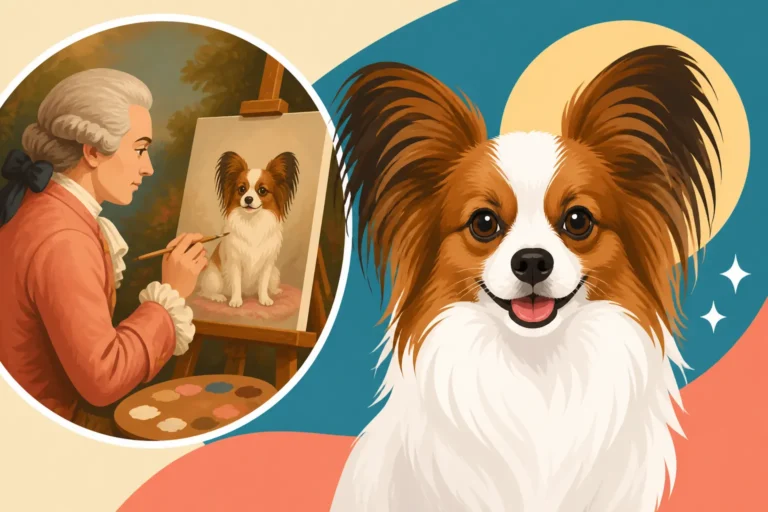
When we speak of the Papillon’s ancestors, one name that frequently comes up is the “Titian Spaniel.” This refers to the small dogs depicted in the works of the renowned Venetian painter Titian, particularly during the 16th century. His portraits often included these charming little dogs, nestled in the laps or at the feet of his noble subjects. Titian Painted the Dog the Papillon Came From, lending these dogs an air of sophistication and timeless elegance. These artistic representations offer us a precious window into the past, showing not just what these dogs looked like, but also how they were cherished and integrated into the lives of their owners.
The dogs in Titian's paintings, often with drop ears and a soft, flowing coat, were clearly companions of high esteem. They weren't just decorative elements; they were active participants in the domestic scenes, often gazing up at their owners with adoration. This visual evidence strongly supports the idea that these dogs were indeed close companions, providing comfort and affection. It wasn't just about utility, but about the emotional bond, a bond that resonates deeply with Papillon owners even today. These artistic choices speak volumes about the value placed on these animals, far beyond simple warmth. If you're curious, you can find many examples of What a Titian Spaniel Looked Like through these old paintings.
More Than Just a Pretty Face: Companionship and Utility
While the primary role of these dwarf spaniels was companionship, their small size and affectionate nature made them incredibly versatile. They weren’t hunting dogs or working dogs in the traditional sense, but they certainly provided a kind of “utility” that was invaluable to their owners. For lonely ladies confined to court life or noblemen seeking a moment of respite from their duties, these little dogs offered an unwavering presence. They listened without judgment, demanded little, and gave much in return. This wasn’t just about being a pretty accessory; it was about genuine, devoted companionship.
Imagine a world without modern entertainment, where long evenings were spent in quiet reflection or hushed conversation. A playful little dog could break the monotony, eliciting smiles and laughter. They were excellent conversation starters, loyal confidantes, and often the only creatures allowed unreserved access to their owners' private chambers. This intimate access meant they shared in many aspects of daily life, from morning routines to evening rest. The depth of their integration into noble households is evident in the historical records, not just in paintings but also in letters and inventories. It's a reminder that the bond between humans and dogs is a timeless one, capable of transcending mere practicality. After all, it wasn't just about their looks; their intelligence meant they could be taught small tricks, further adding to their appeal as delightful companions.
The Papillon's Role in Changing European Society
As Europe progressed through the centuries, so too did the role and appearance of the dwarf spaniel that would eventually become our Papillon. The shift from purely practical considerations to more refined aesthetic and companionship preferences dramatically shaped the breed we know today. This evolution reflects broader societal changes, where personal pleasure and aesthetic beauty began to take precedence, especially within the leisured classes. The very notion of The Papillon Has Seven Hundred Years of Portraits Behind It testifies to this enduring presence.
From Utility to Status Symbol
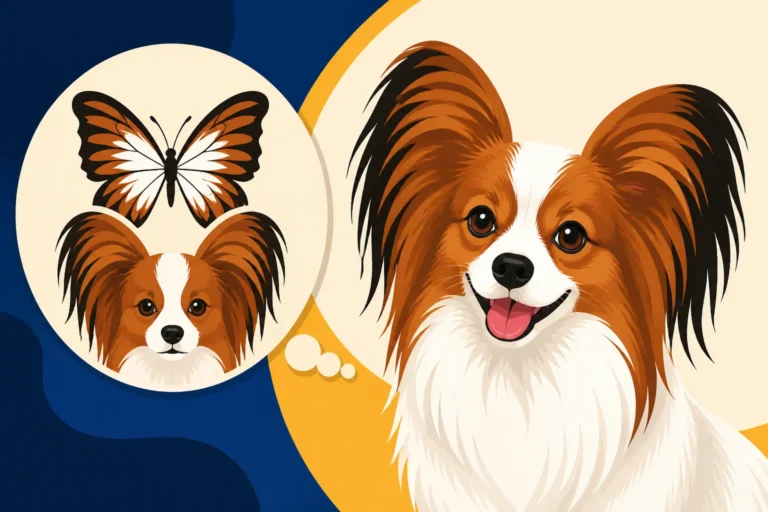
By the 17th and 18th centuries, the dwarf spaniel was firmly entrenched as a favored pet of European royalty, reaching the peak of its popularity in France and Spain. This era saw the emergence of the erect-eared variety, which gave the breed its distinctive “butterfly” (Papillon) appearance, distinguishing it from the drop-eared “moth” (Phalene) type. This change wasn’t just aesthetic; it marked a deliberate shift towards a more stylized and recognizable breed, an animal clearly designed to be admired. The dogs were now more than just warm lap occupants; they were living works of art, carefully bred to meet evolving standards of beauty and grace.
The prominence of these dogs in the courts of figures like Louis XIV and, famously, Marie Antoinette, further cemented their status. Marie Antoinette and the Papillon She Is Said to Have Carried became iconic, symbolizing the extravagant yet refined tastes of the aristocracy. These dogs were dressed in ribbons, fed delicacies, and often accompanied their owners everywhere, becoming almost an extension of their personal brand. This period truly solidified the Papillon's ancestor as a high-status companion, a testament to luxury and prestige rather than merely a creature of practical utility. They were pampered, adored, and sometimes even mourned with great ceremony upon their passing.
The Shift Towards Aesthetic and Companion Breeding
The focused breeding efforts during these centuries highlight a clear prioritization of specific physical traits and temperaments suitable for companionship. Breeders were no longer just selecting for small size but for specific ear sets, coat patterns, and temperaments that made them ideal indoor pets. This meticulous breeding underscores the value placed on these animals as cherished members of the household, not just as functional items. This marked a significant departure from earlier, more utilitarian roles for dogs.
The playful, intelligent nature of these dogs also came to the forefront. They were highly interactive companions, capable of learning tricks and providing endless entertainment. This intellectual engagement, combined with their affectionate disposition, meant they offered far more than simple warmth. They filled a vital social and emotional void, providing unconditional love and delightful distraction. This deep bond laid the groundwork for the modern Papillon, a breed celebrated not just for its beauty but for its remarkable intelligence and vibrant personality, a true partner in life. When considering all the different things these dogs did, it’s clear that Why Renaissance Ladies Carried a Dwarf Spaniel was about much more than just the temperature of their hands.
Dispelling the Myth: A Balanced Perspective
So, was the Papillon truly a "lap warmer" in the way we might imagine, like a furry hot water bottle? The answer is a bit more complex than a simple yes or no. While their small size and fluffy coats undoubtedly provided comfort and a degree of warmth in chilly environments, reducing their historical role to just "lap warmers" oversimplifies the rich tapestry of their significance. These dogs were much more than thermal accessories; they were intricate parts of courtly life, cherished companions, and enduring symbols of status. To grasp their full historical context, it's vital to appreciate the broader spectrum of functions they served.
The Interplay of Function and Affection
It’s fair to say that the warmth provided by a small dog on one’s lap was a happy byproduct of their primary role as companions. In an era where homes lacked modern heating, any source of personal warmth would have been welcome. A small dog, easily carried and settled, would naturally offer this. However, this practical benefit was intertwined with their affectionate nature and their role as beloved pets. People didn’t simply “use” them for warmth; they cherished them, and in return, received both emotional comfort and physical heat. It’s similar to how we might cuddle our Papillons today on a cold evening – the warmth is a bonus, but the primary driver is the bond and affection.
Think of it this way: your Papillon today still loves to curl up on your lap, doesn't it? That deep-seated instinct for closeness, the desire to be near their human, is part of their ancestral heritage. And yes, their little bodies do radiate a cozy warmth. This natural inclination for physical proximity would have served a dual purpose in colder times: fulfilling their need for companionship and simultaneously providing a much-needed source of heat for their owners. This mutual exchange of comfort, affection, and a touch of warmth speaks to the enduring connection between humans and these charming dogs. For those chilly days, it's not hard to see why Whether a Papillon Feels the Cold might make them seek out a warm lap.
Modern Papillons: Inheriting a Legacy of Closeness
Today, our Papillons might not be needed to stave off the chill of a castle hall, but their inherent desire for closeness and companionship is a direct inheritance from their ancestors. They are still celebrated for their affectionate nature, their intelligence, and their ability to forge deep bonds with their human families. When your Papillon nudges your hand for a pet, or curls up beside you on the sofa, it’s echoing centuries of canine history, a history steeped in the joy of companionship.
This legacy means that a Papillon today thrives on interaction and being an integral part of family life. They want to be with you, whether you're working, relaxing, or just moving from room to room. Their small size makes them perfect for this close interaction, allowing them to fit comfortably into almost any lifestyle or home. From their delightful "butterfly" ears to their intelligent gaze, every aspect of the modern Papillon speaks to a history of being cherished, admired, and undeniably, a comforting presence. And if you're ever looking for ways to treat your modern Papillon, you can always find great toys and cozy beds on sites like Chewy that encourage that inherent desire for comfort and closeness.
It's clear that the idea of the Papillon as a "lap warmer" isn't a myth in the sense of being entirely false, but it's an incomplete truth. These dogs brought so much more to the lives of their aristocratic owners: status, beauty, loyalty, and lively companionship. The warmth was simply an added benefit, a small, practical comfort that contributed to their overall value as beloved members of the household. So the next time your Papillon snuggles into your lap, remember the long line of distinguished ancestors who did the very same, offering not just physical warmth, but profound emotional connection. Knowing this history helps us appreciate How a Papillon Shows Affection even more today.
A Comparative Look at Small Dog Roles in History
To put the "lap warmer" theory into perspective, it's helpful to see how other small dog breeds were integrated into human lives, often serving multiple roles that blurred the lines between utility and companionship.
| Breed (Ancestral Type) | Primary Historical Role | Secondary Role (e.g., warmth) | Status Symbol |
|---|---|---|---|
| Papillon (Dwarf Spaniel) | Companionship, entertainment, status | Yes, offered warmth | High |
| Pomeranian (Spitz ancestor) | Companionship, lap dog, status | Yes, offered warmth | Medium-High |
| Maltese | Companionship, rodent control (early) | Yes, offered warmth | High |
| Pekingese | Sacred companion, guardian (small scale) | Yes, offered warmth | Very High |
| Chihuahua | Sacred, companion (Mesoamerican) | Yes, offered warmth | High |
This table illustrates that for many small breeds historically, the provision of warmth was often a secondary, yet welcome, aspect of their primary role as companions and status symbols. No single breed was exclusively a "lap warmer," but rather, their compact size and proximity to their owners naturally led to this benefit. The Papillon's ancestors fit perfectly into this pattern, offering affection, entertainment, and an undeniable touch of warmth. They were far from just living accessories; they were intelligent, engaged creatures. Many small breeds even served as Whether the Papillon Was Ever a Ratter, demonstrating an even more practical side.
The Papillon's Enduring Appeal: Beyond the Historical Warmth
Today, the Papillon's appeal is multi-faceted, drawing admirers to their intelligence, athleticism, and captivating looks. While the "lap warmer" aspect is an interesting historical footnote, it's their dynamic personality and deep capacity for bonding that truly wins hearts. They are not merely ornamental pets; they are active participants in family life, often excelling in various dog sports and proving themselves to be highly trainable. You can see this dedication to their well-being in the range of quality products available on Chewy, designed to support their active and comfortable lives.
Intelligence and Trainability: A Mind as Keen as Their Ancestors’
One of the most remarkable traits of the Papillon, inherited from its clever ancestors, is its intelligence. Often ranked among the most intelligent dog breeds, Papillons are quick learners, eager to please, and highly responsive to positive reinforcement. This keen mind would have made them incredibly engaging companions for historical figures, capable of learning parlor tricks and understanding complex commands, further elevating their status beyond mere warmth providers. They thrive on mental stimulation, making them ideal partners for activities like obedience, rally, and agility. The Papillon Is the Smartest Toy Breed There Is for a very good reason.
Their trainability means that modern Papillons are often found competing successfully in dog sports. This active engagement fulfills their mental and physical needs, ensuring they are well-adjusted and happy members of the family. The historical dwarf spaniels were likely just as bright, their intelligence fostering a deeper connection with their owners than simply providing body heat ever could. They understood nuances, picked up on moods, and offered tailored companionship. This enduring intelligence is a cornerstone of the breed's appeal, proving that there's far more to a Papillon than what meets the eye, or indeed, what warms a lap.
The Joy of Unconditional Companionship
At the core of the Papillon’s enduring popularity, both historically and in the present day, is its capacity for unconditional companionship. These dogs form incredibly strong bonds with their human families, often developing a deep devotion to one or two primary caregivers. They are affectionate, loyal, and always ready to offer comfort and joy. This emotional connection is what truly made their ancestors invaluable, and it remains the primary reason people welcome Papillons into their homes today.
Whether curled up beside you on the sofa, trotting happily at your heels on a walk, or eagerly participating in a training session, the Papillon is a constant source of delight. They fill our lives with laughter, affection, and that unique canine presence that makes a house a home. The historical context of "lap warmer" is an interesting tidbit, but the true legacy of the Papillon is one of profound companionship, a bond that has transcended centuries and continues to enrich the lives of countless individuals. From the courts of kings to our modern living rooms, the Papillon has always been, and continues to be, a beloved and cherished member of the family.
Disclaimer
This article is for general informational purposes only and does not constitute professional advice. Laws, prices and regulations vary by location and change over time. Consult a qualified professional for guidance on your specific situation.