Whether a Papillon With PRA Bumps Into Things
It's truly heartbreaking to watch our beloved Papillons start to struggle, especially when their keen sight, which brings them so much joy in exploring the world, begins to fade. The fear that they'll constantly be bumping into furniture, walls, or even people is a common, gut-wrenching worry for any owner facing a Progressive Retinal Atrophy (PRA) diagnosis. This guide is here to walk you through what to expect when a Papillon experiences PRA and, more importantly, how these resilient little dogs adapt, often far better than we initially imagine.
Understanding Papillon PRA and Its Gradual Impact
Progressive Retinal Atrophy (PRA) isn't a single disease, but a blanket term for a group of inherited degenerative diseases affecting the retina. In Papillons, the most common form is PRA1, linked to the CNGB1 gene. What makes it particularly difficult is that it's progressive – it doesn't happen overnight, but rather slowly, relentlessly. This gradual decline in vision, while sad, actually gives our Papillons a significant advantage in adapting to their changing world.
The Slow, Unfolding Nature of Vision Loss
Unlike a sudden traumatic injury that causes immediate blindness, PRA in Papillons is a slow burn. It's often compared to a dimmer switch gradually being turned down over months or even years. Initially, you might not notice anything at all, or perhaps just a subtle hesitation in low-light conditions. The cells in the retina, specifically the rods which are responsible for night vision and peripheral vision, begin to malfunction and die off. This means that a Papillon experiencing the early stages of PRA will first lose their ability to see in dim light, a condition often referred to as "night blindness."
Imagine yourself trying to navigate your house in the dark. You’d be hesitant, perhaps bumping into things you know are there, but can't quite make out. This is very similar to what your Papillon experiences. As the disease progresses, the cones, which handle daylight and color vision, also start to be affected, though this usually happens much later. The good news in this gradual progression is that it gives your Papillon ample time to develop other coping mechanisms. They start relying more heavily on their other senses, essentially retraining their brains to navigate their environment with less visual input. You might want to learn more about The Papillon Type of Progressive Retinal Atrophy and the CNGB1 Gene to understand the specifics of this genetic condition.
How Rods and Cones Impact Bumping Behavior
To truly understand why a Papillon might bump into things, we need to talk a little about those retinal cells: rods and cones. Rods are primarily responsible for vision in low light, detecting motion, and seeing shades of gray. Cones are all about bright light, detail, and color perception. In Papillons with PRA1, the rods are usually affected first. This means your dog will struggle most in dimly lit rooms, at dusk, or at night. They might walk into furniture they usually navigate around effortlessly, or be more hesitant to go outside after sunset.
As the condition progresses, and the cones begin to degrade, daylight vision will also be compromised. This is when bumping becomes more noticeable even during the day. However, because this happens over a long period, typically years, your Papillon has often already started compensating. They become masters of mapping their home in their mind, using scent and touch cues. So, while bumping can certainly happen, especially in unfamiliar or poorly lit situations, it's not a constant state of chaos. Many owners are surprised by how well their Papillon manages, even when their vision is significantly impaired. For a deeper dive, consider reading Why a Papillon Can Go Blind at Night and Still See in Daylight.
Why Bumping Into Things Happens and How Papillons Adapt
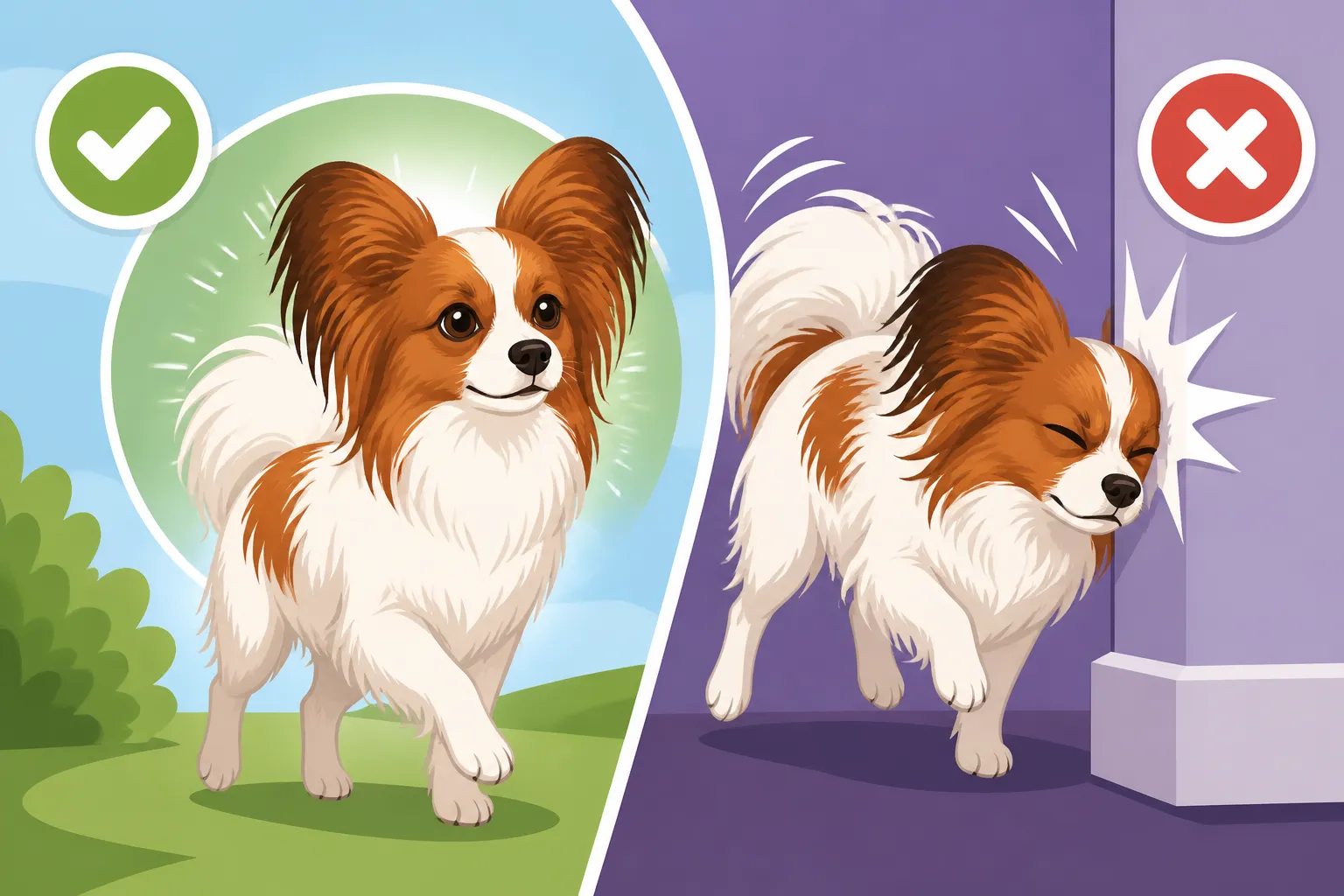
The image of a blind dog constantly crashing into objects is a distressing one, but it’s often an exaggeration of reality. While bumping does occur, especially in the early stages or in specific situations, Papillons are remarkably adaptable creatures. Their intelligence and reliance on other senses quickly kick in to help them navigate.
The Critical Role of Familiarity and Scent
Dogs, including our bright little Papillons, possess an incredible sense of smell and a phenomenal memory for their environment. When a Papillon starts losing its sight due to PRA, it doesn't suddenly forget where the sofa is or the path to its food bowl. In a familiar home environment, a Papillon will create a mental map based on spatial memory, scent markers, and even subtle changes in airflow or temperature. The scent of their bed, the unique smell of the kitchen floor, or the slightly different air movement near a doorway all become invaluable navigation tools.
This means that a blind Papillon living in a home where furniture stays consistent will often move with surprising confidence. They might not be seeing where they're going, but they know where they're going. Bumping is far more likely to occur when you move furniture, introduce new objects, or take them to an unfamiliar place. It's a sudden disruption to their carefully constructed sensory map, throwing them off balance. They need time to rebuild that map, and during this transitional period, collisions are almost inevitable. Imagine if you were blindfolded and someone moved your favorite chair – you'd likely stumble over it until you re-learned its new position. This is precisely what happens for your Papillon, and their tiny bodies are sometimes at greater risk of injury. Fortunately, with patience and consistency, they are fully capable of learning How a Blind Papillon Learns a House.
Changes in Behavior and Environmental Cues
As a Papillon's vision deteriorates, owners will naturally observe changes in behavior. Beyond the obvious bumping, you might notice your dog:
- Hesitating at thresholds: They might pause before entering a new room or stepping off a rug onto a hard floor, trying to "feel" their way.
- Startling easily: Because they can't see an approaching person or object, they might be more easily surprised by touch or sound.
- Being less eager to play fetch: Visual cues are crucial for games like fetch, so they might lose interest in toys they can't track visually. Scented or noisy toys can help here.
- Bumping into things primarily in low light: This is a classic early sign of PRA, as their rod vision is declining first.
To help them, creating a "sensory rich" environment becomes key. This means not just keeping furniture consistent, but also potentially using different textures for floor coverings to indicate changes in space, or even subtle scent cues (e.g., a dab of essential oil near their water bowl, refreshed daily). Verbal cues become paramount. Instead of relying on hand signals, switch to clear, consistent verbal commands like "step up," "watch out," "left," or "right." These auditory markers can guide them through their world and prevent many bumps. Regular check-ups are also crucial to monitor their overall health, and having pet insurance like Healthy Paws can provide peace of mind for unexpected vet visits or specialist consultations as their needs change.
The Human Element: Our Reactions Matter
Our reactions to our Papillon's vision loss play a massive role in their adaptation. It's natural to feel pity, frustration, or even fear when they bump into something. However, these emotions, if expressed through our tone or actions, can inadvertently hinder their progress. Scolding a dog for bumping into a wall, or constantly picking them up and carrying them (unless absolutely necessary for safety), can undermine their confidence and their ability to learn to navigate independently.
Instead, cultivate patience and a positive, encouraging attitude. When they hesitate, offer a gentle verbal cue or a treat to encourage them forward. If they do bump something, offer calm reassurance rather than a dramatic reaction. Treat them as capable, intelligent dogs who are simply learning a new way of interacting with their environment. Their world is changing, and they need us to be their calm, steady guides.
Minimizing Collisions and Maximizing Quality of Life
While a Papillon with PRA may experience bumping, especially during transitions or in unfamiliar areas, there are many proactive steps you can take to minimize these occurrences and ensure they continue to live a full, joyful life. It's all about creating a safe, predictable environment and equipping them with the tools they need to navigate.
Safety Proofing Your Home
Think of your home from your Papillon's perspective – now without clear vision. What are the potential hazards?
- Consistent Layout: This is paramount. Avoid moving furniture, rugs, or dog beds once your Papillon has established their mental map. If you must move something, do it slowly, perhaps just a few inches at a time, allowing them to readjust.
- Clear Pathways: Keep floors free of clutter. Toys, shoes, and bags become tripping hazards. Even seemingly innocuous items like throw blankets can cause a misstep.
- Corner Guards and Padding: Sharp edges on coffee tables, hearths, or low shelving can cause painful injuries. Consider child-proofing corner guards or padding these areas, especially where your Papillon frequently navigates.
- Stair Safety: Stairs are a significant hazard. Install baby gates at the top and bottom of any staircases to prevent accidental falls. If you have multiple levels, consider teaching your Papillon to navigate a specific set of stairs with verbal commands, or always carry them.
- Hardwood/Slippery Floors: While Papillons often navigate well on various surfaces, a loss of vision can make them more cautious on slippery floors like hardwood or tile. Lay down non-slip runners or rugs in high-traffic areas to give them better traction and confidence. This also helps with issues like Patellar Luxation Is the Papillon Problem You Will Actually Meet, as good traction reduces strain on their delicate joints.
- Water and Food Bowls: Keep these in a consistent, easy-to-reach location. Some owners use slightly raised bowls or place a mat under them to provide a distinct tactile cue.
By making these simple adjustments, you create a sanctuary where your Papillon can move freely and confidently, significantly reducing instances of bumping and potential injury.
Training and Communication for the Visually Impaired Papillon
Even with reduced vision, Papillons are incredibly smart and eager to learn. This intelligence, which positions them among the smartest toy breeds (as discussed in The Papillon Is the Smartest Toy Breed There Is), means they can pick up new verbal cues to navigate their world with remarkable speed.
- Verbal Cues as Navigation Tools: Your voice becomes their compass. Teach specific cues for obstacles and directions:
- "Step up/down": For curbs, stairs, or changes in floor level.
- "Wait": To pause before entering an unfamiliar space or when you need to guide them.
- "Careful": To warn them of an impending object or tight squeeze.
- "Left/Right": To guide them around obstacles.
- "Front/Back": To indicate a person or object in front or behind.
- "Find the door," "Find your bed," "Find your toy": These cues can help them locate specific items using scent and memory.
- Touch Cues: A gentle tap on their shoulder can guide them left or right. A light touch on their back might mean "stop." Pair these with verbal cues for maximum effectiveness.
- Harness Training: A harness provides a safer way to guide a visually impaired dog than a collar. It gives you more control and prevents strain on their neck. When walking, hold the leash consistently at a certain length so they learn to anticipate your movements and the presence of obstacles. Avoid yanking or pulling, instead, use gentle, consistent pressure and verbal guidance.
- Scent Markers: Strategically place small, safe scent markers (like a drop of vanilla extract or a distinct essential oil on a cotton ball, placed out of reach) near important locations like water bowls, exits, or their crate. Change these scents regularly to prevent olfactory fatigue and to provide varied cues.
Consistency is the absolute key to success in all these training methods. Everyone in the household needs to use the same cues and methods to avoid confusing your Papillon.
When to Seek Veterinary Advice and Support
Even when a Papillon is diagnosed with PRA, regular veterinary check-ups remain vital. While PRA itself isn't treatable or curable, other eye conditions can occur that are treatable, such as cataracts or dry eye. A vet can monitor the progression of PRA, ensure comfort, and rule out other issues. They can also advise on managing any pain or secondary conditions that might arise. Pet insurance providers like Healthy Paws can be incredibly helpful in covering these ongoing veterinary expenses, ensuring you don't have to make difficult choices based on cost.
Beyond the eyes, remember that a Papillon's long life means they'll inevitably face other health challenges. Being visually impaired might make them more prone to bumps and scrapes, so keeping an eye on any new limping or sensitivity is important. If you notice an increase in bumping, disorientation, or changes in their appetite or energy levels, it's always best to consult your vet. These could indicate further vision decline or an unrelated health issue. Knowing How Long a Papillon Lives can help you prepare for the various stages of their life, including potential age-related health changes.
Living a Full Life with a Visually Impaired Papillon
The diagnosis of PRA can feel overwhelming, but a Papillon with limited or no vision can absolutely continue to live a fulfilling, joyful life. It requires patience, adaptation, and a deep understanding of their needs, but the bond you share will only grow stronger.
Maintaining Routine and Enriching Their World
Routine is the bedrock of security for a visually impaired Papillon. Knowing when to expect meals, walks, and playtime helps them feel safe and in control. Stick to consistent feeding times, potty breaks, and sleep schedules. This predictability reduces anxiety and helps them navigate their day confidently.
Enrichment becomes even more crucial when vision is compromised. While they can't chase a laser pointer, their other senses are heightened and can be engaged:
- Scent Games: Hide-and-seek with treats (using high-value, smelly treats) is a fantastic way to engage their powerful nose. Snuffle mats and puzzle toys that dispense food are also excellent for mental stimulation.
- Sound Toys: Toys with bells, crinkles, or squeakers can bring immense joy. Rolling a noisy ball for them to track by sound keeps them active and engaged.
- Tactile Experiences: Introduce different textures and surfaces in safe areas. A sandpit in the yard (supervised, of course), a pile of blankets, or a soft, plush bed can offer sensory pleasure.
- Safe Outdoor Exploration: Keep outdoor walks on a leash and in familiar, safe areas. Let them sniff and explore at their own pace. New scents are incredibly enriching for dogs. If you have a fenced yard, ensure it's completely secure and free of hazards. Walk the perimeter with them on a leash first to re-establish the boundaries by scent and touch.
Remember that a Papillon's small size makes them vulnerable. Always supervise playtime, especially if other pets or children are present. Providing a safe, consistent environment, coupled with stimulating activities, ensures your visually impaired Papillon remains mentally sharp and happy. For insights into caring for an aging Papillon, which often includes managing sensory decline, see Caring for a Papillon Past Eleven.
Navigating Travel and New Environments
The most challenging situations for a visually impaired Papillon are often new or unfamiliar environments, like a vet visit, a friend's house, or a hotel room during travel. This is where bumping is most likely to occur, and anxiety can spike.
- Controlled Introductions: When entering a new space, carry your Papillon in first, if possible. Let them take in the new smells and sounds from the safety of your arms. Then, gently place them on the ground in a small, secure area.
- Leashed Exploration: Always keep them on a leash in unfamiliar settings, even indoors, until they've had a chance to explore. Walk slowly, narrating what's around them ("step up here," "table to your left," "open space").
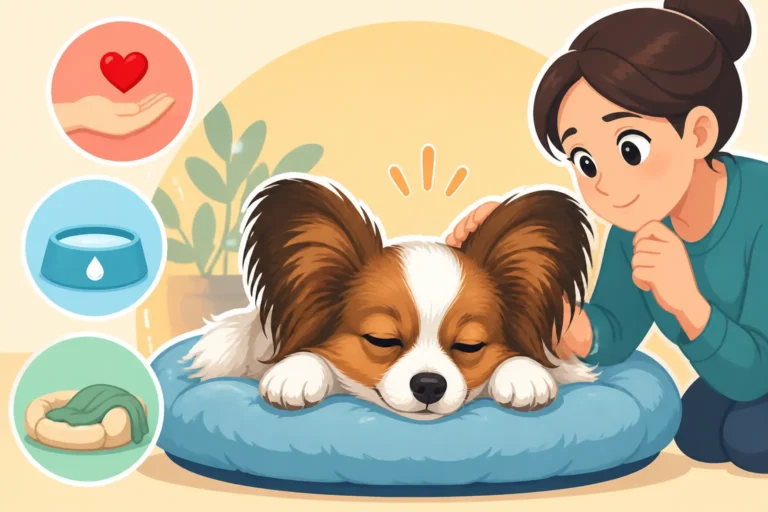
- Designated "Safe Zone": Immediately upon arrival, set up a familiar "safe zone" for them with their bed, water, and a favorite toy. This provides a sanctuary they can always return to.
- Consistent Commands: Utilize those verbal navigation cues you've practiced at home. Consistency here builds confidence and helps them understand what you're communicating in a new place.
- Carriers and Strollers: For longer journeys or crowded places, a comfortable carrier or pet stroller can provide a secure, elevated vantage point while protecting them from accidental bumps or being stepped on.
Remember, a new environment means a complete overhaul of their mental map. It will take time, patience, and repetition. By being their eyes and their guide, you can help them confidently explore new parts of the world, even if they can't see them.
The Emotional Impact on Owners and the Resilience of Papillons
Witnessing your lively, active Papillon lose their sight is undeniably tough. It's okay to feel a profound sense of sadness, worry, and even frustration as you navigate these changes. You might grieve the loss of certain activities you once shared, or worry about their quality of life. These feelings are valid and a normal part of the process.
However, it's equally important to recognize the incredible resilience of Papillons. Dogs live in the present moment. Once they adapt to their new normal, they don't dwell on what they've lost. They embrace their world with enthusiasm, relying on their keen sense of smell, hearing, and touch. Many owners find that their bond with their visually impaired Papillon deepens immensely. You become their trusted navigator, their unwavering support, and their connection to the world. They will continue to offer boundless love, cuddles, and companionship.
Support groups, online forums, and resources dedicated to caring for blind dogs can also be invaluable. Connecting with other owners who understand your journey can provide comfort, practical tips, and a sense of community. Moreover, having financial support from pet insurance, such as Healthy Paws, can significantly reduce the stress associated with potential medical needs or specialized equipment, allowing you to focus entirely on your Papillon's well-being. With your love, dedication, and a few environmental adjustments, your Papillon with PRA can continue to thrive and bring immense joy to your life for many years to come.
| Scenario | Sighted Papillon Navigation | Visually Impaired Papillon Navigation (with PRA) | Bumping Likelihood |
|---|---|---|---|
| Familiar Home (Day) | Smooth, quick movement, uses visual cues, memory. | Confident movement, relies on scent, memory, tactile cues, hearing. | Low |
| Familiar Home (Night) | Hesitation, but generally navigates well in low light. | Significant hesitation, relies heavily on non-visual cues. | Moderate |
| New Environment (Day) | Explores quickly, uses visual and scent cues, memory. | Highly cautious, slow exploration, relies heavily on scent, touch, owner's guidance. | High |
| Moved Furniture (Familiar Home) | Noticed immediately, adjusts path, slight hesitation. | Significant confusion, likely to bump until re-mapping occurs. | High (temporarily) |
| Unexpected Obstacle (Familiar Home) | Sees and avoids, reacts quickly. | Startled, might bump, relies on owner's verbal cues or contact. | High |
| Outdoor Walk (Leashed) | Walks confidently, tracks smells, reacts to visual stimuli. | Walks cautiously, relies on scent and owner's guidance. | Low to Moderate |
Disclaimer
The information provided in this article is for general informational purposes only and is not intended as a substitute for professional veterinary advice. Always consult with a qualified veterinarian regarding any medical condition or treatment for your Papillon.