Cataracts in a Papillon
It’s truly heartbreaking to watch your beloved Papillon start to struggle with vision, bumping into furniture, or seeming disoriented in dim light. The thought of them losing their sight can be incredibly distressing for any dog parent. This comprehensive guide will walk you through everything you need to know about cataracts in Papillons, from identifying the subtle early signs to understanding treatment options and how you can best support your furry family member through this challenge.
Understanding Cataracts in Papillons: More Than Just "Cloudy Eyes"
When we talk about cataracts, many people simply picture a cloudy film over an eye, but it’s actually a bit more complex than that. For a tiny, active dog like a Papillon, clear vision is vital for their zest for life, and anything that obstructs it can severely impact their well-being. Knowing the specifics can help you catch issues early and advocate for your dog's health.
What Exactly Are Cataracts and How Do They Form?
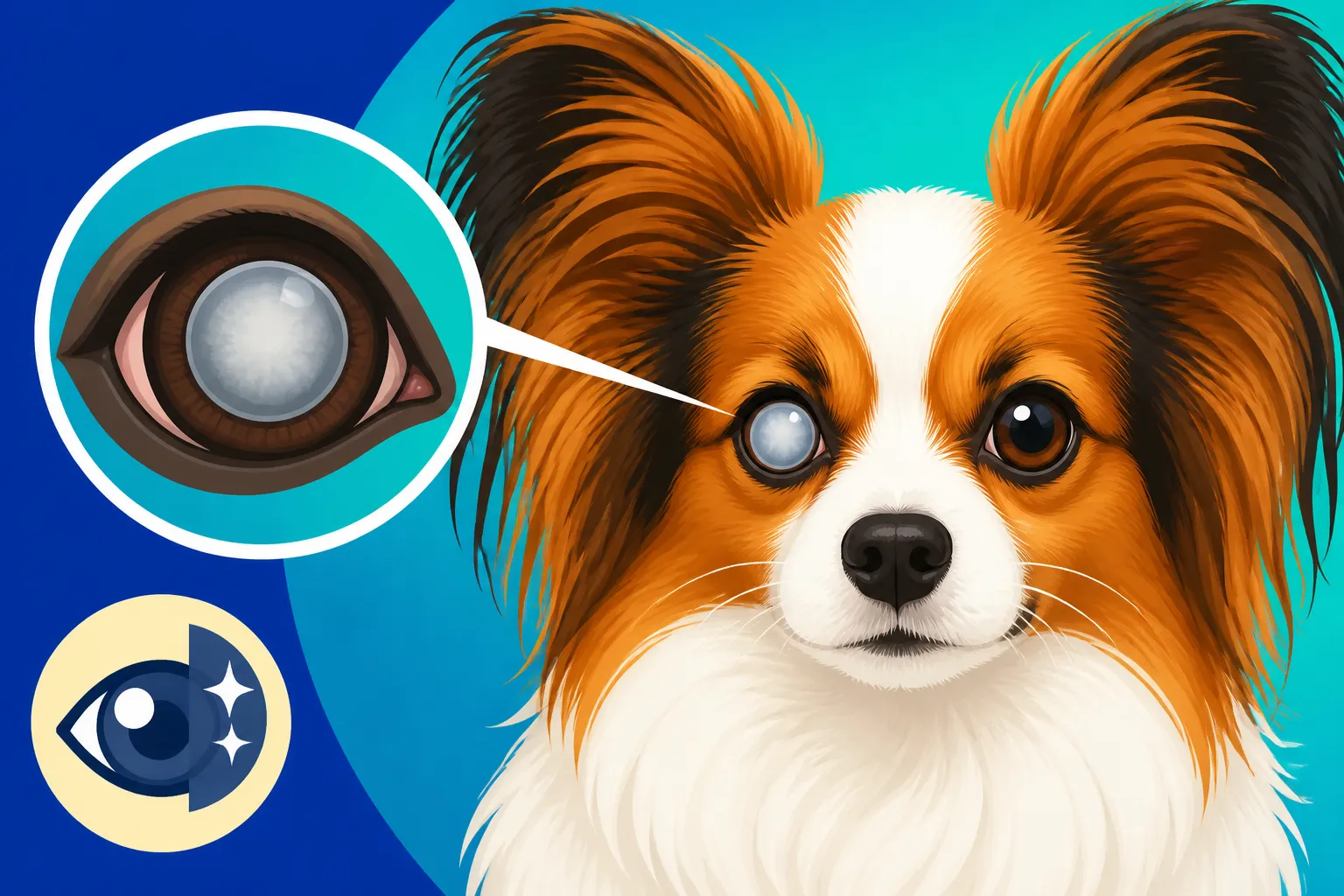
At its core, a cataract is an opacity or cloudiness within the lens of your Papillon's eye. The lens, normally a transparent structure, works to focus light onto the retina, much like the lens in a camera. When proteins within this lens begin to denature, clump together, and lose their natural transparency, light can't pass through properly, leading to blurry vision or, in severe cases, complete blindness. This process can happen gradually or quite rapidly, depending on the cause.
There are several types of cataracts your Papillon might develop. Congenital cataracts are present at birth, though they are quite rare in Papillons. Juvenile cataracts develop in young dogs, typically before the age of six, and are often inherited. Senile cataracts are age-related and commonly seen in older Papillons, similar to how humans develop cataracts as they age. Then there are diabetic cataracts, which can progress extremely fast, sometimes within weeks, if your Papillon has uncontrolled diabetes. Finally, cataracts can also result from trauma to the eye or certain inflammatory conditions, though these are less common as primary causes.
Differentiating Cataracts from Other Eye Conditions
One of the biggest worries for Papillon owners is seeing a cloudy appearance in their dog's eye and immediately fearing the worst. However, not all cloudiness is a cataract, and it’s important to understand the distinctions. A common age-related change that often gets confused with cataracts is nuclear sclerosis. This condition also causes a bluish-gray haze in the center of the lens, but it's a normal aging process where the lens fibers harden. Unlike cataracts, nuclear sclerosis typically doesn't significantly impair vision; most dogs adapt perfectly well.
Another critical eye condition to be aware of in Papillons is Progressive Retinal Atrophy (PRA). Conditions like The Papillon Type of Progressive Retinal Atrophy and the CNGB1 Gene can cause a progressive degeneration of the retina, leading to vision loss that often starts with difficulty seeing in dim light or at night. While PRA affects the retina and cataracts affect the lens, both can manifest as vision impairment. This is why a thorough veterinary eye exam is crucial to pinpoint the exact cause of any visual changes. For instance, if your Papillon struggles more with low light, you might wonder Why a Papillon Can Go Blind at Night and Still See in Daylight, which points more towards a retinal issue than a primary cataract problem.
Recognizing the Signs of Cataracts in Your Papillon
Catching cataracts early in your Papillon can make a significant difference in managing the condition and maintaining their quality of life. As a dedicated owner, you are often the first to notice subtle changes in your dog's behavior or appearance, which can be crucial clues.
Subtle Early Indicators You Might Miss
Initially, the signs of cataracts can be incredibly subtle, easily mistaken for general clumsiness or just "getting older." You might notice your Papillon hesitating before jumping off furniture, or misjudging steps, especially in unfamiliar surroundings. Perhaps they seem a bit more cautious on walks, particularly in areas with uneven terrain or shifting shadows. They might start relying more on their other senses, like sniffing around more intently to locate their favorite toy or their food bowl. In a brightly lit room, you might notice a slight reflection or a very faint haze in their pupils, but it’s often so slight that you could miss it unless you're looking closely.
Another tell-tale sign could be a change in their interaction with you or their environment. Maybe they don't seem to notice a treat you’re offering until you make a sound or touch them. They might start sticking closer to you, becoming more prone to startle if approached from an unexpected direction. These are not just quirks; they are often a tiny dog's way of compensating for diminished sight, and it’s a good time to get those eyes checked.
Progressive Symptoms and How They Impact Daily Life
As cataracts progress, the visual impairment becomes much more noticeable and starts to significantly impact your Papillon's daily life. The cloudy appearance in one or both eyes will become more obvious, sometimes taking on a milky white or bluish tint. Your dog might start bumping into objects frequently, even in familiar surroundings. They might become hesitant to navigate stairs, walk through doorways, or jump on and off the sofa. Playtime might change; fetching games become harder if they can't track the toy, and they may seem less engaged.
A Papillon that once loved to explore might become more withdrawn or anxious, preferring to stay in a known, safe spot. This loss of confidence can be heartbreaking to witness. Eating and drinking habits might shift if they struggle to find their bowls. If they become completely blind, the world shrinks for them. However, it's amazing how resilient dogs can be. We often find that How a Blind Papillon Learns a House is a testament to their adaptability, as they map out their environment using scent, sound, and memory. Still, the goal is always to prevent or manage the progression as much as possible.
Causes and Risk Factors for Papillon Cataracts
Understanding why cataracts develop in Papillons is key to prevention, early detection, and proper management. While some causes are unavoidable, others can be mitigated with careful planning and proactive care.
Genetic Predisposition and Breed-Specific Concerns
Unfortunately, genetics play a significant role in many Papillons developing cataracts, particularly juvenile cataracts. Certain lines within the breed can carry genes that predispose them to early-onset cataracts. If you're considering a Papillon puppy, this is why it's absolutely vital to choose a reputable breeder who prioritizes health testing. A good breeder will be transparent about the health history of their breeding dogs and their pedigrees, specifically looking for any incidence of cataracts or other eye diseases. They should be able to provide clear documentation of eye certifications from a veterinary ophthalmologist for the parents.
The Orthopedic Foundation for Animals (OFA) maintains a public registry of canine health information, and responsible breeders will have their dogs examined and certified. Asking Which Health Tests a Papillon Breeder Should Run should always include eye examinations by a board-certified veterinary ophthalmologist. This helps ensure that you're not inadvertently contributing to the spread of genetic predispositions. While not always a guarantee against all forms of cataracts, it significantly reduces the risk of inherited forms.
Other Health Conditions and Environmental Factors
Beyond genetics, several other factors can contribute to cataract formation in Papillons. The most significant of these is diabetes mellitus. If a Papillon develops diabetes, especially if it’s poorly controlled, the high sugar levels in their blood can lead to a rapid accumulation of sorbitol in the lens, causing diabetic cataracts to form incredibly quickly, sometimes over a matter of days or weeks. Regular veterinary check-ups that include bloodwork can help detect diabetes early, allowing for management that might prevent or slow cataract development.
Other less common causes include trauma to the eye, such as a poke or blunt injury, which can disrupt the lens fibers. Certain inflammatory conditions within the eye, often referred to as uveitis, can also lead to cataracts. Exposure to specific toxins or even nutritional deficiencies, although rare with a balanced diet, can also be implicated. While we can’t always prevent accidents, ensuring your Papillon lives in a safe environment and receives proper nutrition helps minimize these risks. For older Papillons, as discussed in Caring for a Papillon Past Eleven, age-related changes are natural, but proactive health monitoring can still make a big difference.
Diagnosis and Treatment Options for Papillon Cataracts
Once you suspect your Papillon might have cataracts, the next step is a clear diagnosis and understanding the available treatment paths. This is where your veterinarian, and potentially a veterinary ophthalmologist, becomes your most important partner.
The Importance of Early Veterinary Intervention
The moment you notice any changes in your Papillon’s eyes or vision, don't hesitate to schedule an appointment with your regular veterinarian. They can perform an initial eye exam and often differentiate between a true cataract and less serious conditions like nuclear sclerosis. However, for a definitive diagnosis and to understand the extent and type of cataract, your vet will likely recommend a consultation with a board-certified veterinary ophthalmologist. These specialists have advanced equipment and expertise to thoroughly examine the eye structures.
During an ophthalmological exam, they will use specialized tools like a slit lamp biomicroscope to examine the lens in detail, often dilating your Papillon's pupils for a better view. They might also perform an electroretinogram (ERG) to assess retinal function, especially if surgery is being considered, to ensure the retina is healthy enough to regain vision. Regular eye check-ups are always a good idea for Papillons. Even if you don't suspect a problem, knowing Whether a Papillon Needs a Yearly Eye Exam or if Whether a Papillon's Eyes Should Be CERF Checked can catch issues before they become debilitating. Early diagnosis of cataracts means more options and potentially a better outcome for your furry friend.
Surgical Solutions and Post-Operative Care
For cataracts that significantly impair vision or are expected to progress to blindness, the primary and most effective treatment is surgical removal. This procedure is performed by a veterinary ophthalmologist and involves phacoemulsification, where ultrasonic waves break up the cloudy lens, which is then suctioned out. An artificial intraocular lens (IOL) is usually implanted to restore focus, similar to human cataract surgery. The success rate for cataract surgery in dogs is generally very high, often exceeding 90% if the retina is healthy.
However, cataract surgery is a specialized procedure and can be costly. The price can vary significantly depending on your location, the specialist's fees, and whether one or both eyes need surgery. This is where having pet insurance can be a huge relief for many owners. Companies like Healthy Paws often cover a significant portion of eligible veterinary expenses, including specialized surgeries. Post-operative care is crucial and involves administering various eye drops multiple times a day for several weeks, restricting activity, and attending follow-up appointments. It’s a commitment, but for many Papillons, it means regaining their ability to see the world clearly again.
Managing Vision Loss Without Surgery
While surgery offers the best chance for restoring vision, it's not always an option for every Papillon. Sometimes, underlying health conditions make anesthesia too risky, or the cost may be prohibitive. In such cases, managing your Papillon’s vision loss becomes the focus. The good news is that dogs adapt remarkably well to blindness, especially with a little help from their human companions.
Creating a safe and consistent environment is paramount. Avoid rearranging furniture, keep pathways clear, and block off potential hazards like stairs or pools. You can use textures or scents to mark important areas, like their food bowl or exit doors. Maintaining a consistent routine for feeding, potty breaks, and playtime helps reduce anxiety. Verbal cues become incredibly important; teaching "step up," "step down," "wait," or "careful" can guide them safely. While it's a big adjustment for both of you, many blind Papillons continue to live happy, fulfilling lives, relying on their heightened senses of smell and hearing. Don't underestimate their resilience and your ability to adapt alongside them.
| Feature | Cataract | Nuclear Sclerosis |
|---|---|---|
| Appearance | Opaque, milky white, or bluish-white cloudiness; distinct and often dense | Diffuse bluish-gray haze, often iridescent |
| Location | Within the lens, can affect entire lens or specific parts | Central part of the lens only |
| Vision Impact | Significant vision impairment or complete blindness, progressive | Minimal to no vision impairment; dog adapts easily |
| Progression | Can be static or progressive, depending on type and cause | Normal age-related change, generally non-progressive |
| Treatment | Surgical removal (phacoemulsification) to restore vision | No medical treatment needed as vision is usually preserved |
| Age of Onset | Can occur at any age (congenital, juvenile, diabetic, senile) | Typically seen in older dogs (6+ years) |
| Underlying Cause | Genetic, diabetes, trauma, inflammation, age | Normal aging process |
Preventing and Supporting Your Papillon's Eye Health
Beyond diagnosis and treatment, there's a lot you can do as a Papillon owner to support their overall eye health and, where possible, prevent certain types of cataracts. It's about being proactive and informed throughout their lives.
Breeder Responsibility and Genetic Testing
This point cannot be stressed enough: choosing a responsible breeder is your first line of defense against many inherited health issues, including genetic cataracts. A reputable breeder will actively work to eliminate genetic conditions from their lines by carefully screening their breeding dogs. They should conduct regular eye examinations (OFA Eye Certification or CERF exams) on their breeding stock by a board-certified veterinary ophthalmologist. These certifications should be current and readily available for you to review.
Don't be afraid to ask direct questions about the eye health history of the puppy's parents, grandparents, and any siblings. Inquire about any instances of cataracts, PRA, or other vision problems in their lines. A good breeder will welcome these questions and be transparent, often discussing potential genetic risks openly. This thoroughness is a key indicator of a breeder's commitment to the long-term health and well-being of the breed, helping ensure that you bring home the healthiest possible puppy. You might also want to look into Finding a Papillon Breeder Who Tests Eyes and Knees as part of your research.
Lifestyle and Nutritional Support
While you can't prevent all cataracts, a healthy lifestyle and proper nutrition can certainly support your Papillon's overall health, including their eyes. A balanced, high-quality dog food provides essential vitamins and antioxidants that play a role in eye health. Some studies suggest that antioxidants like Vitamin C, Vitamin E, lutein, and zeaxanthin might help protect against oxidative stress, which can contribute to cataract formation. Consult your vet before adding any supplements to your dog's diet, as excessive amounts can be harmful.
Regular veterinary check-ups are also vital. These visits allow your vet to monitor your Papillon’s overall health, including screening for conditions like diabetes, which, as mentioned, can rapidly lead to cataracts. Early detection and management of underlying health issues can potentially prevent or slow cataract development. Furthermore, protecting your Papillon's eyes from trauma is important. Be mindful of sharp objects around the house or in the yard, and consider protective eyewear if they engage in activities that put their eyes at risk, though this is rare for most Papillons.
The Emotional Toll and How to Support Your Papillon
Watching your Papillon lose their vision, even partially, can be emotionally draining for you as an owner. It’s okay to feel sad, frustrated, or worried. Many owners experience grief for the changes they see in their beloved companion. Remember that your Papillon relies on your calm and consistent presence more than ever during this time. Your emotions can easily transfer to them, so strive to remain positive and reassuring.
Patience is key. Allow them time to adapt to new routines and to learn their environment by other senses. Continue to engage them in activities they enjoy, modifying them as needed. For instance, instead of throwing a ball, try using a treat-dispensing puzzle toy or engaging them with scent games. Consistent positive reinforcement and ample praise will build their confidence. The bond you share is incredibly powerful, and with your support, your Papillon can continue to lead a rich and joyful life, even with impaired vision. Always remember that pet insurance, like Healthy Paws, can alleviate some financial stress, allowing you to focus on their emotional and physical care without added worry.
Disclaimer
The information provided in this article is for general informational purposes only and is not intended as a substitute for professional veterinary advice, diagnosis, or treatment. Always seek the advice of your veterinarian or other qualified animal health provider with any questions you may have regarding a medical condition or the health and welfare of your pet.