Whether a Papillon’s Eyes Should Be CERF Checked
It’s a heart-wrenching thought for any Papillon owner: the idea of our spirited, bright-eyed companions losing their precious sight. These little dogs rely so much on their sharp senses, and their expressive eyes are such a huge part of their charm and connection with us. When it comes to their health, especially something as vital as vision, we all want to do everything in our power to protect them and understand the risks. This guide will walk you through the ins and outs of CERF eye exams for Papillons, explaining why they matter, what they look for, and how to best safeguard your furry family member's vision.
Understanding Eye Health Screening for Papillons
When you bring a Papillon into your life, you're signing up for years of joy, but also a commitment to their health. Their eyes, those beautiful, intelligent windows to their soul, are unfortunately prone to certain hereditary conditions. This is where specialized eye screenings come into play, offering a way to identify potential issues early or to ensure you're adopting from responsible lines.
What Exactly is an Ocular Exam, Including CERF?
You might hear the term "CERF" thrown around when discussing eye health in purebred dogs, but it's important to understand what it actually means today. The Canine Eye Registration Foundation (CERF) used to be the primary organization that certified dogs free of hereditary eye disease. However, CERF ceased operations in 2012. Its legacy and function have largely been absorbed by the Orthopedic Foundation for Animals (OFA) through their Companion Animal Eye Registry (CAER) program. So, when people talk about a "CERF exam" now, they are generally referring to an OFA CAER exam performed by a board-certified veterinary ophthalmologist.
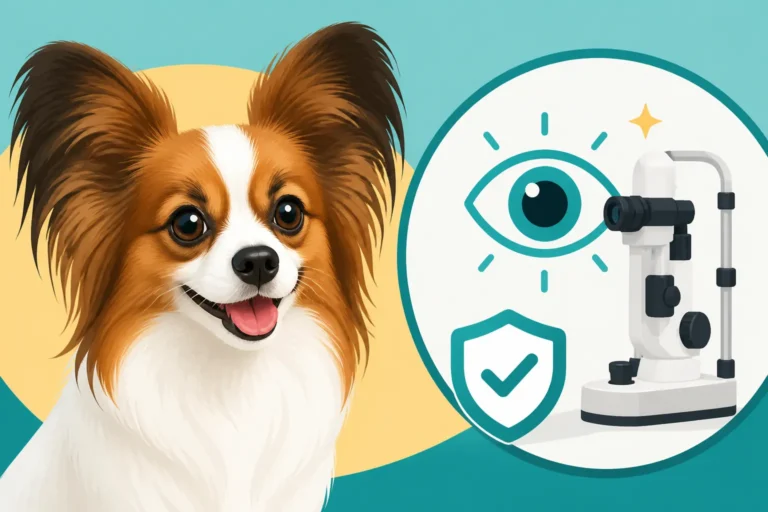
During a CAER exam, a specialist veterinarian performs a thorough examination of your Papillon's eyes, looking for any evidence of inherited eye diseases. This isn't just a quick glance; it's a detailed process that involves dilating the pupils to get a clear view of the retina and other internal structures. They’ll meticulously check the eyelids, cornea, lens, retina, and optic nerve for any abnormalities like cataracts, glaucoma, retinal dysplasia, or the dreaded Progressive Retinal Atrophy (PRA). The results are then submitted to the OFA, and if clear, your dog receives a CAER certificate, which is valid for one year. This certification is crucial for breeders to ensure they are not passing on genetic eye conditions to future generations, and it provides immense peace of mind for pet owners.
Why Eye Health is Particularly Critical for Papillons
Papillons, like many purebred dogs, are susceptible to certain genetic predispositions, and eye conditions are high on that list. Their small size and delicate features don't make them immune to serious health issues, and in some cases, can even make them more vulnerable. Specifically, the breed is known for its susceptibility to Progressive Retinal Atrophy (PRA). This isn't a minor inconvenience; it's a condition that leads to blindness, often starting with Why a Papillon Can Go Blind at Night and Still See in Daylight.
Beyond PRA, Papillons can also experience other eye problems that, while perhaps not unique to the breed, are still important to monitor. Dry eye, for instance, can cause significant discomfort and, if left untreated, lead to corneal damage. Cataracts, which can occur at any age, can also impair vision. Because these dogs are so active and agile, good vision is paramount for their quality of life. A Papillon that can't see properly might struggle with their beloved agility or playtime, become more anxious, or be at a higher risk of injury around the house or outdoors. Regular eye screenings help us catch these issues early, offering the best chance for intervention or management, and ensuring our little butterfly dogs can flit through life as happily as possible.
Common Eye Conditions Papillons Face
It’s easy to feel overwhelmed by all the potential health issues out there, but arming yourself with knowledge is the best defense. When it comes to your Papillon’s eyes, there are a few conditions that crop up more frequently, and knowing about them can help you be a more vigilant advocate for your dog.
Progressive Retinal Atrophy PRA in Papillons
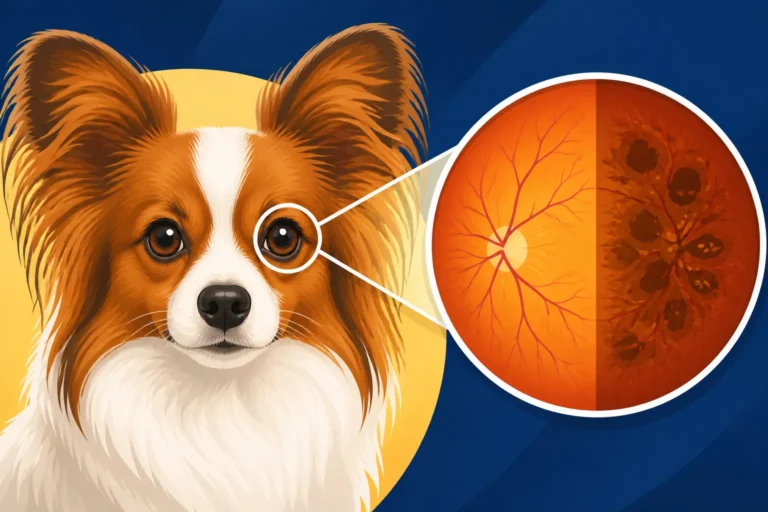
Progressive Retinal Atrophy, often abbreviated as PRA, is probably the most talked-about eye condition in Papillons, and for good reason. It's a genetic disease that gradually leads to blindness. In Papillons, the specific type most commonly seen is PRA1, which is linked to a particular gene called CNGB1. This means it's an inherited condition, passed down through generations.
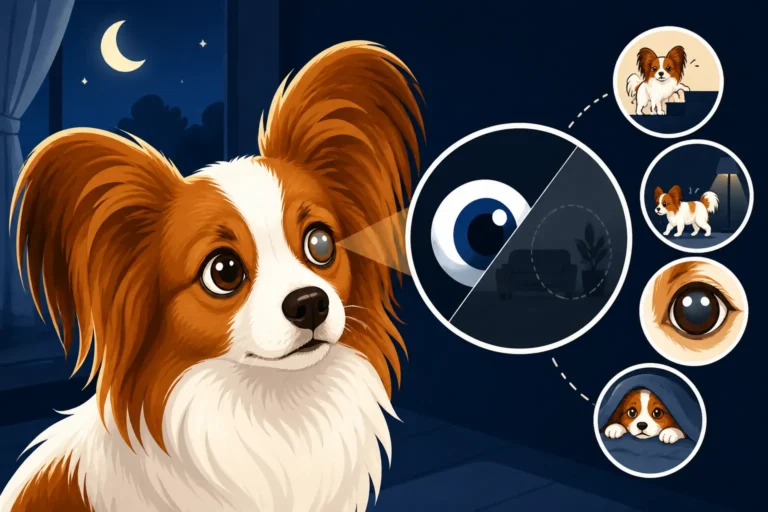
The mechanism behind PRA is a degeneration of the photoreceptor cells in the retina – the rods and cones that detect light. Initially, it's the rod cells that are affected, which are responsible for vision in low light conditions. This is why one of the first signs you might notice is your Papillon struggling with their Signs a Papillon Is Losing Night Vision. They might bump into furniture in dimly lit rooms, be hesitant to go out at dusk, or seem disoriented in familiar surroundings after dark. As the disease progresses, the cone cells, responsible for daylight and color vision, also begin to degenerate. Over time, usually a few years, this leads to complete blindness.
It's a dominant trait, meaning a Papillon only needs one copy of the affected gene to develop PRA. However, thanks to scientific advancements, there's a The DNA Test for Papillon Retinal Atrophy available that can identify carriers and affected dogs. This test is a game-changer for responsible breeders who want to avoid producing affected puppies and reduce the prevalence of the disease in the breed. If you're considering a Papillon puppy, asking about the parents' PRA status and genetic testing results is non-negotiable.
Other Eye Issues to Watch For
While PRA is a significant concern, it's not the only eye condition that can affect Papillons. Being aware of other possibilities helps ensure comprehensive care.
-
Cataracts in a Papillon: These are cloudy areas that develop on the lens of the eye, obstructing the passage of light and leading to impaired vision. While cataracts can be age-related, Papillons can also develop juvenile cataracts, meaning they appear at a younger age. They can vary in size and density, from small, insignificant spots to larger opacities that cause significant vision loss. Unlike PRA, which has no cure, cataracts can often be surgically removed, restoring sight. Monitoring for any cloudiness in your Papillon’s eyes is important, as is discussing it with your vet immediately.
-
Dry Eye (Keratoconjunctivitis Sicca or KCS): This condition occurs when the tear glands don't produce enough tears to keep the eyes properly lubricated. Tears are vital not just for moisture but also for washing away debris and providing essential nutrients to the cornea. When a Papillon gets dry eye, their eyes might appear red, irritated, or they might have a thick, sticky discharge. It can be quite uncomfortable for the dog and, if left untreated, can lead to corneal ulcers, infections, and even blindness. Treatment usually involves daily eye drops or ointments to stimulate tear production or provide artificial tears, and it often needs to be a lifelong management plan.
-
Distichiasis: This is a genetic condition where extra eyelashes grow from abnormal locations on the eyelid, usually from the meibomian glands. These errant hairs can then rub against the surface of the eye, causing irritation, pain, excessive tearing, and potentially corneal ulcers. While some dogs with distichiasis show no symptoms, others can be severely affected. Your vet may need to perform a procedure to remove these extra lashes, often through cryosurgery (freezing the hair follicles) or electrolysis.
It’s clear that a Papillon's eyes require more than just a passing glance. Proactive measures, including regular veterinary check-ups and specialized screenings, are truly the bedrock of preventing and managing these conditions. Remember, your vet is your best partner in identifying and addressing any concerns about your Papillon's eye health. You might also want to read up on Whether a Papillon Needs a Yearly Eye Exam to understand the routine care involved.
The Practicalities of Getting Your Papillon CERF Checked
So, you understand the importance of eye exams. Now, what does that actually look like in practice? Getting your Papillon's eyes checked isn't as daunting as it might sound, but it does require a bit of planning to ensure you're getting the most thorough and reliable assessment.
When and How Often Should Your Papillon Be Examined?
The recommendation for eye exams, specifically those comprehensive CAER (formerly CERF) screenings, varies slightly depending on whether your Papillon is a breeding dog or a beloved pet, but generally, yearly checks are advised for all.
-
Puppies: If you're acquiring a Papillon puppy, responsible breeders will have already had their breeding stock screened, and some may even have puppies checked before they go to their new homes. For pet owners, it's a good idea to discuss an initial comprehensive eye exam with your vet during the puppy's first year, ideally around 12-18 months of age, when some hereditary conditions might start to manifest. This early check can provide a baseline for future comparisons.
-
Adults: For adult Papillons, especially those being considered for breeding, a yearly CAER exam is crucial. These annual screenings allow a veterinary ophthalmologist to monitor for the onset of late-appearing conditions, such as some forms of PRA or cataracts that develop with age. Even if your dog isn't part of a breeding program, these annual checks are still highly recommended to catch any emerging issues early. Conditions like Cataracts in a Papillon can develop over time, and regular monitoring ensures they don't go unnoticed until vision is severely compromised.
-
Seniors: As Papillons age, their eyes are just as susceptible to the wear and tear of time as ours are. Senior Papillons, generally those over the age of eleven, should continue with regular eye exams. Conditions like nuclear sclerosis (a normal age-related clouding of the lens that doesn't usually affect vision significantly) can be differentiated from more serious issues like cataracts, ensuring your older companion gets the specific care they need. Caring for a Papillon Past Eleven often involves increased vigilance for age-related health changes, and eye health is a big part of that.
Regular, consistent screening establishes a history of your dog's eye health, making it easier to spot changes and intervene promptly.
Finding a Qualified Veterinary Ophthalmologist
This isn't a job for your regular general practice vet, as wonderful as they are for routine care. For a comprehensive eye exam, especially one for a CAER certification, you need a board-certified veterinary ophthalmologist. These specialists have undergone extensive additional training and certification specifically in diseases and surgery of the eye. They have the specialized equipment and expertise to diagnose subtle conditions that a general vet might miss.
So, how do you find one?
- Ask Your Veterinarian: Your primary care vet is usually the best first point of contact. They often have a network of specialists they trust and can provide a referral.
- OFA Website: The Orthopedic Foundation for Animals (OFA) website has a directory of board-certified veterinary ophthalmologists who participate in the CAER program. You can search by geographic location, making it easy to find a specialist near you.
- American College of Veterinary Ophthalmologists (ACVO): The ACVO is the certifying body for veterinary ophthalmologists in North America. Their website also offers a "Find an Ophthalmologist" tool, which is an excellent resource.
- Breed Clubs: Local and national Papillon breed clubs are fantastic resources. Members, especially breeders, will often have established relationships with veterinary ophthalmologists and can provide recommendations based on their own experiences. The Papillon Club of America, for example, is very active in promoting health testing, including eye exams.
When you call to schedule an appointment, make sure to specify that you are looking for a CAER exam for your Papillon. This ensures they allocate enough time and know to prepare the necessary documentation for OFA submission. Don't be shy about asking about their experience with small breeds or specifically with Papillons. Having a specialist perform the exam gives you the most accurate assessment and the confidence that you're taking the best possible steps for your Papillon's eye health. You might also be curious about Which Health Tests a Papillon Breeder Should Run if you're looking for a puppy, and eye exams are definitely on that list.
Interpreting Eye Exam Results and What Comes Next
Getting your Papillon's eyes examined by a specialist is a proactive step, but understanding what the results mean is just as important. Whether your dog gets a clean bill of health or a diagnosis, knowing how to proceed will ensure the best possible outcome.
What a "Clear" CAER Certificate Means
A "clear" CAER certificate is wonderful news! It means that, at the time of the examination, the board-certified veterinary ophthalmologist found no observable evidence of inherited eye disease in your Papillon. For breeders, this certification is vital, as it indicates that the dog is suitable for a responsible breeding program, helping to maintain the health of the Papillon gene pool. It's often listed publicly on the OFA database, adding transparency to breeding practices.
For pet owners, a clear certificate provides immense peace of mind. You've done your due diligence, and your Papillon's eyes appear healthy. However, it's crucial to understand that "clear" is not a lifetime guarantee. Many hereditary eye conditions, like PRA, can have a late onset, meaning they might not show up until a dog is several years old. This is precisely why annual CAER exams are so strongly recommended – they provide ongoing monitoring and catch any changes that might develop over time. Think of it like your own yearly physical; just because you're healthy one year doesn't mean you skip the next check-up. Continued vigilance, even with a clear certificate, is the key to lifelong eye health for your Papillon.
Living with a Papillon Diagnosed with an Eye Condition
Receiving a diagnosis of an eye condition in your Papillon can be incredibly disheartening, but it's not the end of the world. Many conditions are manageable, and even with progressive diseases like PRA, Papillons are remarkably adaptable. The journey might require some adjustments, but your dog can still live a full and happy life.
- Understanding the Diagnosis: First, ensure you thoroughly understand the diagnosis. Ask your veterinary ophthalmologist questions: What is the specific condition? Is it hereditary? What is the prognosis? Are there any treatments or management strategies? For instance, if your Papillon is diagnosed with PRA, knowing How Many Years Before a Papillon's Daylight Vision Goes can help you prepare emotionally and practically for the progression.
- Treatment and Management: For conditions like cataracts or dry eye, there are often effective medical or surgical treatments. For others, like PRA, the focus shifts to management and adapting your home environment. This might involve keeping furniture in consistent locations, using scent markers, or providing padded barriers to prevent bumps and falls. Dogs, especially intelligent breeds like Papillons, are incredibly resilient and learn to navigate their world using their other senses surprisingly well. Many owners of blind Papillons find their dogs still enjoy walks, playtime, and a high quality of life. How a Blind Papillon Learns a House is truly inspiring to witness.
- Financial Considerations: The cost of specialized eye exams, potential medications, or surgeries can add up. This is where pet insurance can be a real lifesaver. Companies like Healthy Paws often cover unexpected illnesses and accidents, which can include the diagnosis and treatment of many eye conditions, especially if the policy was in place before any symptoms or diagnoses occurred. It's always a good idea to research pet insurance plans early in your Papillon's life, as pre-existing conditions are typically not covered. Understanding What Insurance Covers on a Papillon is critical for financial planning. Even if you don't have insurance, discussing payment plans with your vet or exploring financial aid options for veterinary care can help ease the burden.
- Support Systems: You are not alone. Connect with other Papillon owners, perhaps through breed-specific online forums or local clubs. They can offer invaluable advice, share their experiences, and provide emotional support. Your veterinarian and veterinary ophthalmologist are also key members of your support team, guiding you through every step of your Papillon's eye health journey.
Ultimately, your Papillon's well-being is the top priority. With knowledge, proactive care, and a loving, adaptable approach, you can ensure your cherished companion continues to thrive, regardless of what their eye health journey brings.
Disclaimer
The information provided in this article is for general informational purposes only and is not a substitute for professional veterinary advice. Always consult with a qualified veterinarian or veterinary ophthalmologist for any health concerns or before making any decisions related to your Papillon's medical care.