What a Papillon’s Seizure Looks Like
It's incredibly unsettling, isn't it? One moment your beloved Papillon is trotting around, full of life, and the next they might be on the floor, convulsing, their eyes distant and unfocused. That sudden, terrifying shift from normal to a seizure can leave any owner feeling helpless and terrified, wondering what just happened and what they're supposed to do. Understanding what a seizure actually looks like in a Papillon, beyond just the dramatic shaking, is crucial for recognizing the signs, getting proper veterinary care, and helping your little companion through such a frightening event.
Understanding Different Seizure Manifestations in Papillons
When we talk about seizures, many people immediately picture the dramatic, full-body convulsions often seen in movies or on TV. While that's certainly one type, it's not the only way a seizure can manifest in a Papillon. Their small size and unique personality can sometimes make subtle seizure activity even harder to spot. Knowing the different ways these events can present themselves is the first step in being a prepared and observant owner.
Generalized Seizures Also Known as Grand Mal Seizures
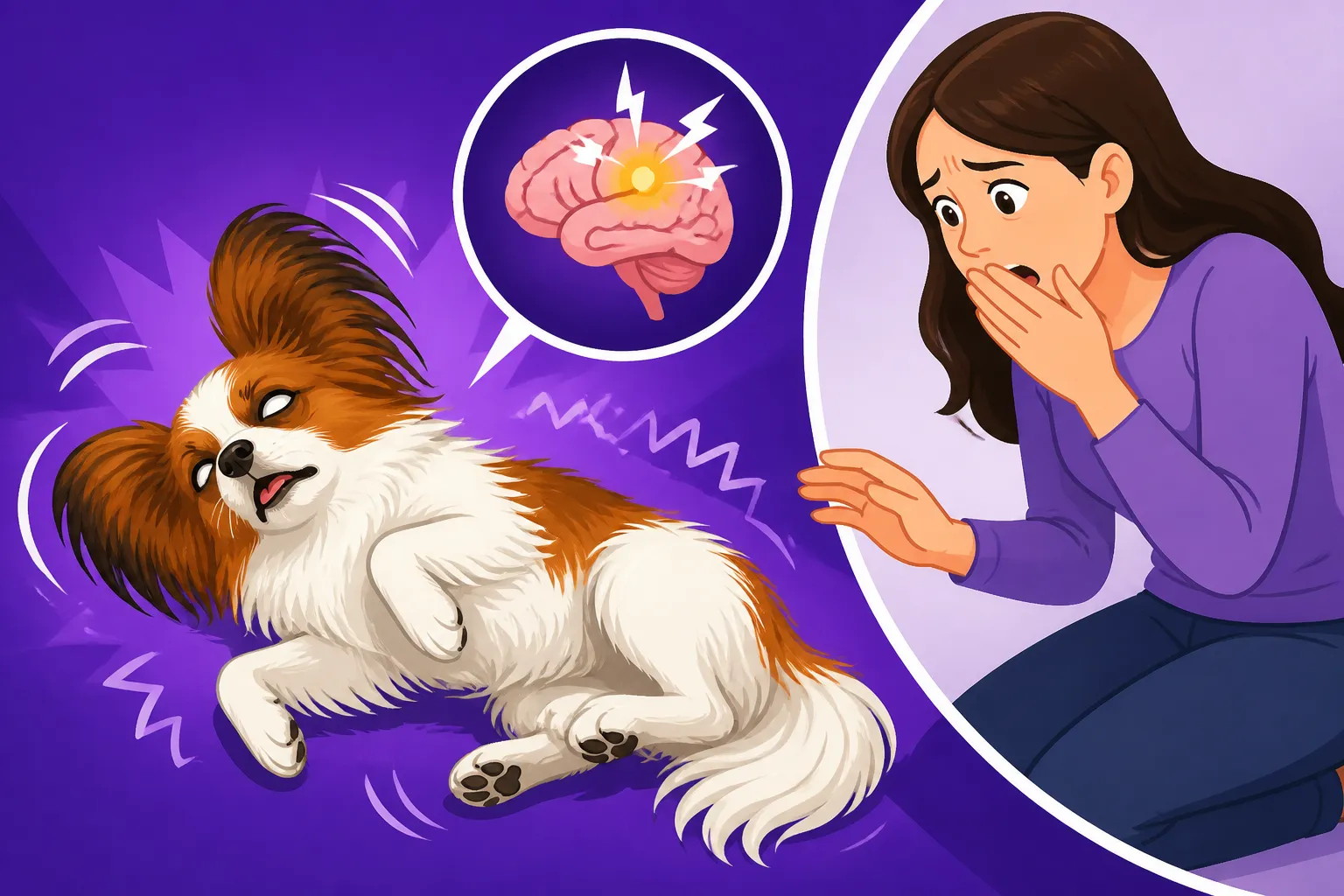
These are the kind of seizures that usually come to mind: full-blown, undeniable events. In a Papillon, a generalized seizure, often referred to as a "grand mal" seizure, involves both sides of the brain and typically results in a complete loss of consciousness and widespread muscle activity. Your Papillon will likely fall onto their side, their legs will stiffen, and then they'll start paddling or jerking uncontrollably. It’s a truly distressing sight.
During this phase, you might also notice other involuntary actions. Salivation, often profuse, is common, with foam sometimes appearing around their mouth. They might urinate or defecate uncontrollably, which can be upsetting but is a normal physiological response to the seizure activity. Their eyes might dart rapidly or be rolled back, and they won't respond to their name or any attempts to rouse them. The whole body will be rigid or thrashing. While it feels like an eternity when you're watching it, this intense convulsive phase usually lasts anywhere from a few seconds to a couple of minutes. If it goes on longer than five minutes, that's a serious emergency, known as status epilepticus, and requires immediate veterinary intervention.
Focal Seizures Also Known as Partial Seizures
Focal seizures are often far more subtle and can be incredibly challenging to identify, especially in a breed as expressive and energetic as a Papillon. Unlike generalized seizures, these originate in only one part of the brain and may not cause a full loss of consciousness. Instead, they might manifest as localized twitching, odd behaviors, or changes in awareness.
For example, your Papillon might repeatedly lick their lips, chomp their jaws as if chewing gum, or stare blankly into space. You might see one side of their face twitching, or perhaps just one limb will start trembling or paddling. Some Papillons exhibit what's called "fly-biting," where they snap at imaginary flies in the air. Other signs could include dilated pupils, excessive drooling, sudden aggression, unusual vocalizations (like whining or barking with no apparent cause), or even just an inexplicable fear or anxiety. These episodes might only last for a few seconds to a minute and then your Papillon might shake it off and seem perfectly normal, leaving you wondering if you imagined it. Because these signs can mimic normal Papillon quirks or other medical issues, it’s vital to pay close attention and perhaps even record the event on your phone to show your veterinarian, as diagnosing Whether a Papillon Gets Seizures can be tricky based on owner description alone.
Cluster Seizures and Status Epilepticus
These are the most severe forms of seizure activity and constitute a veterinary emergency. A "cluster seizure" refers to multiple individual seizures occurring within a 24-hour period, with your Papillon regaining consciousness and some level of normal function between episodes. It’s not just one seizure; it’s a series, and it's exhausting and dangerous for your dog.
"Status epilepticus," on the other hand, is a single, continuous seizure that lasts for more than five minutes, or multiple seizures without full recovery of consciousness in between. This is an immediate, life-threatening situation. Prolonged seizure activity can lead to hyperthermia (overheating), brain damage, and even death if not promptly treated. If your Papillon ever experiences status epilepticus or cluster seizures, you need to get them to an emergency veterinary clinic immediately. Don't wait to see if it stops; every minute counts. This is where having a plan and pet insurance, like a policy from Healthy Paws, can make a critical difference, allowing you to focus on your pet's health rather than worrying about the immediate financial impact of emergency care.
What to Do When Your Papillon Has a Seizure
Witnessing your small, delicate Papillon in the throes of a seizure can be incredibly distressing, but knowing what to do and, more importantly, what not to do can make a huge difference in their safety and your peace of mind. Your primary role during this terrifying time is to keep them safe and gather crucial information for your vet.
Ensuring Safety and Observation During a Seizure
The very first thing you need to do is ensure your Papillon's immediate environment is safe. This means moving any furniture or objects they could hit themselves on during their involuntary movements. Don't try to restrain them or hold them down; you could accidentally injure them or yourself. They are not aware of what's happening.
A common, yet dangerous, misconception is that a dog can swallow their tongue during a seizure. This is physically impossible. Never, ever put your hands, fingers, or any object near or into your Papillon's mouth during a seizure. They could involuntarily bite down with tremendous force, causing serious injury to you and no benefit to them. Instead, gently try to move them away from stairs, sharp edges, or bodies of water if they are near them. Your calm presence, even if they can't perceive it, is important. While it's hard to do, try to observe and mentally note everything you can.
Monitoring the Seizure's Duration and Characteristics
This is perhaps the most critical part of your role during a seizure. Your veterinarian will need accurate information to help diagnose the issue and formulate a treatment plan. The most important piece of information is the duration of the seizure. Start a timer as soon as you recognize the onset of seizure activity. If possible, note the time it starts and ends.
Beyond timing, try to remember:
- How did it start? Was it sudden, or were there any subtle pre-seizure signs (called the "aura"), like restlessness, hiding, or seeking attention?
- What did it look like? Were all four limbs involved, or just one side? Was there paddling, rigidity, twitching? Did their eyes roll back or dart?
- Any involuntary bodily functions? Did they urinate, defecate, or excessively salivate?
- Vocalizations? Did they cry, howl, or make any other noises?
Taking a quick video on your phone, if you can do so safely without putting yourself in harm's way, can be invaluable for your vet. It captures the exact movements and duration, which can be much more accurate than a verbal description given under stress. Remember, even a brief, seemingly insignificant detail could be a vital clue for diagnosis, particularly if your Papillon is experiencing Whether a Papillon Gets Idiopathic Epilepsy.
The Post-Ictal Phase and When to Seek Veterinary Help
The seizure itself is often just one part of the event. What happens immediately afterward, known as the post-ictal phase, is also incredibly important for your Papillon's recovery and for providing your vet with a complete picture. This phase can be just as confusing and distressing for owners.
Navigating Post-Seizure Confusion and Disorientation
Once the active seizing stops, your Papillon won't immediately return to their normal self. The post-ictal phase can last from a few minutes to several hours, and sometimes even a day or two. During this time, they might seem disoriented, confused, and anxious. They might pace aimlessly, bump into furniture, or appear temporarily blind, even if their vision was perfectly fine before. This temporary blindness or confusion is a common symptom and is usually not permanent.
Your Papillon might also seem excessively hungry or thirsty, gulping down food or water without much awareness. They might appear lethargic, weak, or unusually clingy, seeking comfort. Conversely, some dogs might be agitated or even temporarily aggressive. It's crucial during this period to keep their environment quiet and calm. Avoid loud noises, bright lights, and excessive handling. Offer small amounts of water, and if they seem hungry, a small, bland meal. This period can be very taxing on them, and patience is key. Observing how long this disorientation lasts and noting any specific behaviors will also be helpful information for your veterinarian. Sometimes, subtle signs of discomfort or pain can emerge, so it's good to know How a Papillon Hides Pain and be vigilant.
When Immediate Veterinary Attention is Critical
While many seizures are isolated events, there are clear instances where waiting to call your vet simply isn't an option. Immediate veterinary attention is critical if:
- The seizure lasts longer than five minutes. This is status epilepticus and is a dire emergency.
- Your Papillon has multiple seizures in a 24-hour period (cluster seizures). This also warrants urgent care.
- It's your Papillon's first seizure. Even if it's short, a first seizure always requires a prompt vet visit to rule out underlying causes.
- The seizures are becoming more frequent or more severe.
- Your Papillon isn't recovering normally from the post-ictal phase, or their confusion seems unusually profound or prolonged.
- They've experienced any injury during the seizure.
When you need to rush your Papillon to the emergency vet, the financial aspect can be a huge stressor. Having pet insurance, like a comprehensive plan from Healthy Paws, can significantly alleviate this burden, ensuring your focus remains on your pet's recovery. Emergency visits can quickly add up, and knowing that your What Insurance Covers on a Papillon can help manage those costs provides invaluable peace of mind. It’s a sad reality that while we want the best for our pets, the cost of advanced care can be prohibitive for some.
Common Causes and Management Considerations for Papillon Seizures
Understanding what a seizure looks like is only part of the journey. For many Papillon owners, the next question is "why?" and "what now?". Pinpointing the cause and setting up a management plan are crucial steps in supporting your Papillon's health and quality of life.
Identifying Potential Triggers and Underlying Conditions
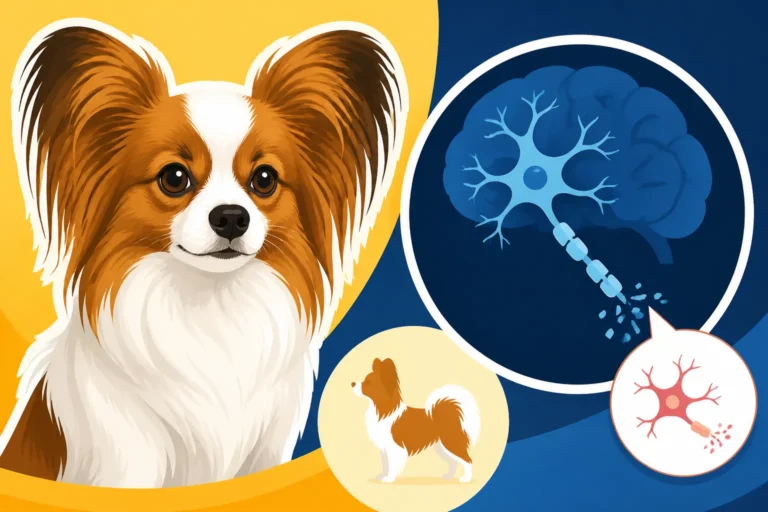
Seizures in dogs can stem from a variety of causes, some of which are more common in certain breeds, including Papillons. The most frequently diagnosed cause of recurrent seizures for which no underlying brain lesion can be found is called idiopathic epilepsy. This is often suspected to have a genetic component, and it's a condition where the brain simply misfires. Many Papillons diagnosed with Whether a Papillon Gets Idiopathic Epilepsy will begin having seizures between six months and six years of age.
However, it's vital to rule out other potential causes before settling on an epilepsy diagnosis. These can include:
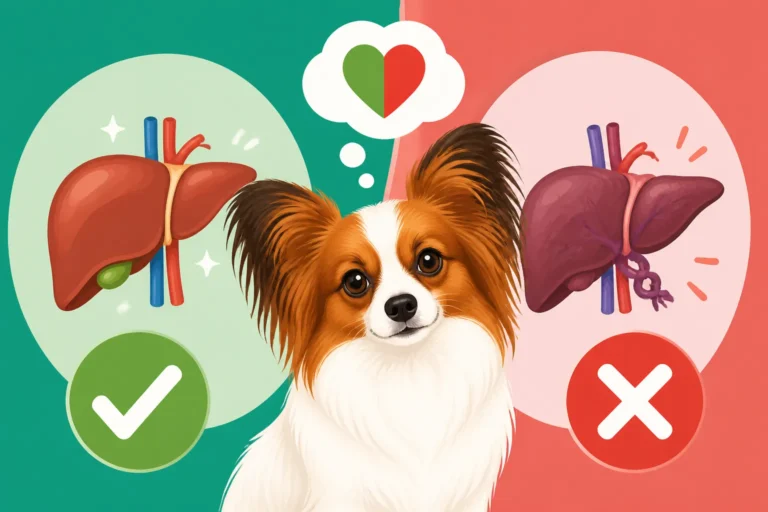
- Metabolic Issues: Conditions like liver shunts, kidney disease, or very low blood sugar (hypoglycemia) can cause seizures. This is why your vet will likely recommend What a Papillon's Yearly Bloodwork Should Cover as part of the diagnostic process.
- Toxins: Exposure to certain poisons, even common household items or plants, can trigger seizures.
- Brain Issues: Tumors, infections (like encephalitis), inflammation, or previous head trauma can all lead to seizure activity. Advanced imaging like an MRI might be recommended if these are suspected.
- Infectious Diseases: Certain viral, bacterial, or fungal infections can affect the brain and cause seizures.
Your veterinarian will conduct a thorough physical exam, neurological assessment, and likely a battery of tests to try and identify the cause. This might include blood tests, urine tests, and possibly more specialized diagnostics depending on what they find. It’s also crucial to give them a detailed history of your dog's health and the seizure events.
Long-Term Management and Prognosis
If your Papillon is diagnosed with epilepsy or another condition causing recurrent seizures, your vet will discuss a long-term management plan. For epilepsy, this often involves anti-seizure medications, which are given regularly to help control the frequency and severity of seizures. Finding the right medication and dosage can sometimes be a process of trial and error, requiring close communication with your vet and careful observation of your dog.
It's important to understand that medication often aims to control seizures, not necessarily cure them. The goal is to reduce seizure frequency to an acceptable level and minimize their impact on your Papillon’s quality of life. Regular vet check-ups, often every six months, are crucial to monitor your Papillon's condition and adjust medication as needed. These check-ups also often include How Often a Papillon Needs a Wellness Exam and bloodwork to ensure the medication isn't causing adverse effects on other organs.
Lifestyle adjustments might also be recommended, such as avoiding known triggers (if any can be identified), maintaining a consistent routine, and ensuring a calm home environment. For an aging Papillon, managing seizures can become part of their overall senior care, and understanding Caring for a Papillon Past Eleven might involve adapting their environment to minimize risks during a seizure. While the initial diagnosis can be scary, with consistent care and medication, many Papillons with epilepsy can live full, happy lives. Planning for the What a Papillon Costs Over Its Lifetime often includes accounting for chronic conditions like epilepsy, and again, pet insurance from providers like Healthy Paws can be a real lifeline.
| Seizure Type | Key Characteristics | Duration | Urgency for Vet Care |
|---|---|---|---|
| Generalized (Grand Mal) | Full body convulsions, loss of consciousness, paddling, rigidity, salivation, urination/defecation. | Seconds to < 5 minutes | First time: Prompt visit. > 5 min or clusters: Emergency! |
| Focal (Partial) | Localized twitching (face/limb), lip-licking, fly-biting, staring, disorientation, unusual behavior. | Seconds to 1-2 minutes | First time or worsening: Prompt visit. |
| Cluster Seizures | Multiple seizures within 24 hours, with partial recovery in between. | Varies per episode; multiple episodes | Emergency! Immediate vet attention needed. |
| Status Epilepticus | Continuous seizure > 5 minutes, or multiple seizures without regaining consciousness. | Continuous > 5 minutes | Life-threatening Emergency! Immediate vet attention needed. |
Disclaimer
This article is intended for informational purposes only and does not constitute veterinary advice. If you suspect your Papillon is having a seizure or experiencing any health issues, please consult with a qualified veterinarian immediately. They can provide an accurate diagnosis and appropriate treatment plan tailored to your pet's specific needs.