Whether a Papillon Is Born Deaf
It's incredibly unsettling, isn't it, when you bring home a new Papillon puppy and something just doesn't seem quite right? You might clap your hands, call their name, or drop a spoon, and get no reaction, while their littermates or other dogs perk up immediately. That gnawing worry about whether your precious little butterfly dog might be deaf can be truly distressing. This guide is here to walk you through everything you need to know about congenital deafness in Papillons, from recognizing the signs to understanding diagnosis and how to provide a wonderful, full life for a deaf companion.
Understanding Congenital Deafness in Papillons
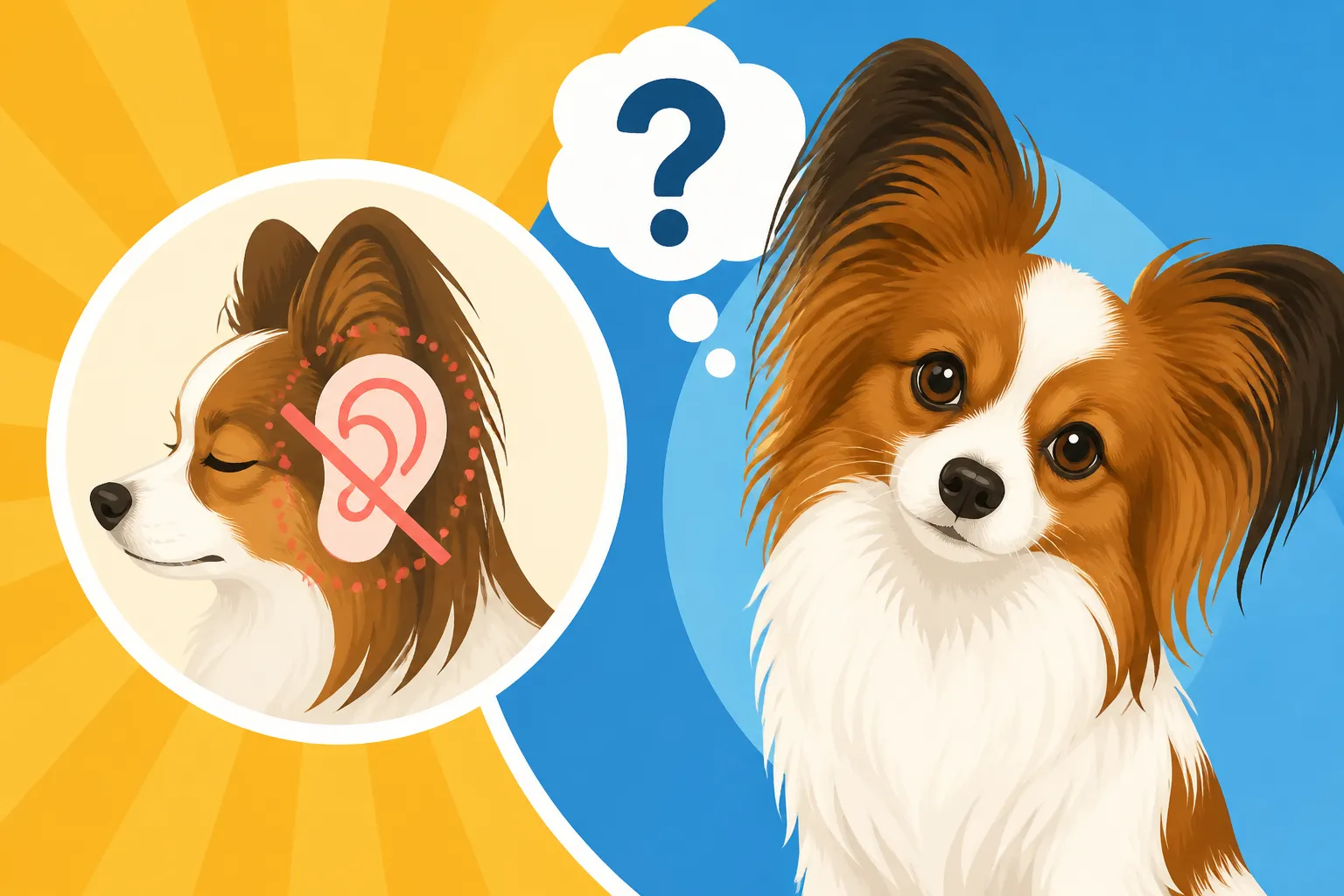
When we talk about a dog being "born deaf," we're usually referring to congenital deafness – a hearing loss that's present from birth. It's a condition that can affect any breed, though some breeds are certainly more predisposed than others due to specific genetic factors. For a new Papillon parent, it's a concern that deserves a clear-eyed look, especially when you're trying to figure out if your little one is just a deep sleeper or if there's something more going on with their hearing.
What Congenital Deafness Means for Your Puppy
Congenital deafness means your Papillon puppy’s hearing didn’t develop correctly, or perhaps the structures needed for hearing didn't form completely. This is different from acquired deafness, which might happen later in life due to infection, injury, or simply old age. With a congenital condition, the puppy has never experienced sound, or at least not in a typical way. It's a permanent condition from day one. Imagine trying to navigate a world that makes little or no sound – it can be disorienting and sometimes a bit scary for a tiny puppy trying to learn about their environment.
The initial confusion often stems from trying to interpret normal puppy behaviors. Puppies are often deep sleepers, especially after a burst of play. They might ignore you because they're engrossed in a toy, or simply not paying attention like a typical toddler. However, if this lack of response is consistent across various situations and stimuli, it certainly warrants further investigation. It's not just about them ignoring you; it's about a complete lack of reaction to sudden, loud noises that would make any hearing dog flinch or turn its head.
How Genes Play a Role in Papillon Hearing
While congenital deafness can technically appear in any breed, it's particularly prevalent in breeds with certain coat patterns, especially those with significant white pigmentation. Breeds like Dalmatians, white Boxers, and certain types of Collies, for example, have known genetic links between genes responsible for coat color and those that influence the development of the auditory system. This is a crucial point: Papillons, while often having beautiful white markings, are not typically listed among the breeds with a high incidence of inherited congenital deafness specifically linked to their genetics or coat patterns.
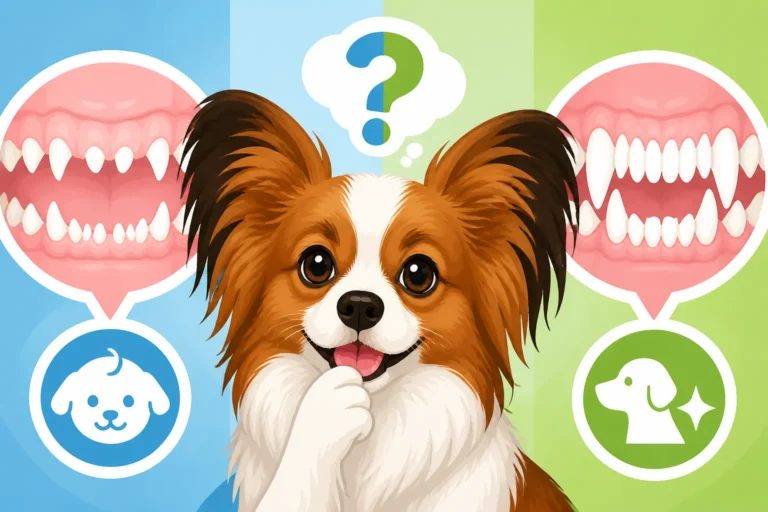
That’s not to say a Papillon puppy could never be born deaf; it's just less common as a breed-specific genetic predisposition compared to, say, the genetic issues we commonly discuss like the Papillon Type of Progressive Retinal Atrophy and the CNGB1 Gene or Patellar Luxation Is the Papillon Problem You Will Actually Meet. If deafness does occur, it's more likely to be an isolated incident or potentially linked to a broader developmental issue, rather than a specific gene widely present in the Papillon gene pool. Reputable breeders, whom we'll discuss later, will be transparent about any known health issues in their lines, including anecdotal instances of deafness, though systematic BAER testing isn't standard for Papillons given their low risk.
Identifying Deafness in a Papillon Puppy
Recognizing deafness in a young puppy can be tricky because their world is so new and full of sensations, and they learn to compensate incredibly quickly. What might look like normal puppy antics could, in fact, be subtle signs of a hearing impairment. It requires keen observation and a structured approach to testing.
Early Signs to Watch For in Your Young Papillon
You'll often notice the first clues when your Papillon puppy is around 4 to 6 weeks old, as they become more aware of their surroundings. One of the most common indicators is a lack of response to loud, unexpected noises. Think about dropping a set of keys on a hard floor, clapping loudly from behind them, or whistling sharply. A hearing puppy will typically startle, flick an ear, or turn its head towards the sound. A deaf puppy will remain oblivious unless they feel a vibration or see your movement.
Another sign can be an inability to locate the source of a sound. If you try to call their name from another room, a hearing puppy will often orient itself and come looking. A deaf puppy simply won't react. Sometimes, you might notice they play much rougher with their littermates or other dogs because they can't hear the warning yelps that usually signal "too much!" They might also startle very easily when approached from behind, as they have no auditory warning of your presence. Interestingly, some deaf dogs bark excessively because they can't regulate their own volume, while others might be unusually quiet. Observing their interactions with other dogs or even their littermates can be telling, as a deaf puppy might seem a little 'off' in their social cues if they can't hear.
The Importance of BAER Testing for a Definitive Diagnosis
If you're noticing these signs, the absolute gold standard for diagnosing deafness in dogs is something called a BAER test – that stands for Brainstem Auditory Evoked Response. This isn't just a simple "clap test"; it's a sophisticated, objective physiological test that measures the electrical activity in the brain in response to auditory clicks delivered through headphones. It can pinpoint if one ear is deaf, both ears are deaf, or if hearing is normal.
The BAER test is usually performed by a veterinary neurologist or at a veterinary teaching hospital. Your Papillon puppy will typically be given a light sedative to keep them calm and still, ensuring accurate readings. Small electrodes are placed on their head, and sounds are played into each ear individually. The machine then records the brain's response. It’s non-invasive and the results are immediate. This test is crucial because it provides an undeniable diagnosis, eliminating guesswork and allowing you to move forward with confidence in managing your puppy’s care. While the cost can vary, it's generally a specialized test. If you have pet insurance like Healthy Paws, it's definitely worth checking if their policy covers diagnostic tests of this nature, especially if you get a policy early on. Ensuring your dog is insured When a Papillon Should Be Insured can provide peace of mind for unexpected medical costs.
| Feature | Observing Signs of Deafness | BAER Testing |
|---|---|---|
| Method | Home observation, response to environmental stimuli | Objective physiological test, measures brain activity |
| Accuracy | Subjective, prone to misinterpretation | Definitive, objective, gold standard diagnosis |
| Ear Specificity | Hard to determine if one or both ears are affected | Clearly identifies hearing in each ear independently |
| Timing | Can begin observing from a few weeks old | Typically performed from 6-8 weeks of age onwards |
| Cost | Free | Varies, generally specialized vet pricing |
| Professional | Owner/breeder observation | Veterinary neurologist or specialist vet |
Living with and Caring for a Deaf Papillon
Discovering your Papillon is deaf can feel overwhelming at first, but it certainly doesn't mean they can't live a full, happy, and incredibly rich life. These resilient little dogs adapt remarkably well, and with a few adjustments on your part, they can thrive just like any other Papillon. It often highlights just how intelligent and adaptable our canine companions truly are.
Adapting Training Methods for a Deaf Dog
The biggest shift you'll make with a deaf Papillon is moving from verbal commands to visual cues. Your hands, body language, and facial expressions become your primary communication tools. Papillons are already incredibly smart – they rank high in canine intelligence, often considered The Papillon Is the Smartest Toy Breed There Is. This means they're quick to pick up on new associations, which is a huge advantage when learning hand signals. Start with basic commands like "sit," "stay," "come," and "down," using clear, consistent hand motions paired with positive reinforcement like treats and praise.
Consistency is key. Everyone in the household needs to use the same signals for the same commands. Enroll in a local puppy class or find a trainer experienced with deaf dogs; they can offer invaluable guidance and help you develop a comprehensive set of signals. For recall, a gentle touch or a vibration collar (used with extreme care and only as a communication tool, never for punishment) can be useful in safe, fenced areas. Remember, your Papillon won't hear a verbal "good job," so enthusiastic petting and visible treats are your best friends. Patience and repetition will build a strong bond and a well-behaved companion.
Ensuring Safety and Well-being for Your Deaf Companion
A deaf Papillon, while otherwise perfectly normal, faces unique safety challenges, especially outside the home. They can't hear cars, approaching people, or other dogs, so their reliance on your vigilance is absolute. This means a non-negotiable rule: always keep your deaf Papillon on a leash when outside a securely fenced area. Even in a fenced yard, it’s a good idea to ensure it's truly escape-proof and perhaps double-gated, just in case.
Inside the home, establish a routine so your Papillon knows what to expect. Approaching them from the front or gently stomping your foot to create a vibration before touching them can prevent startling them, which could lead to a reactive nip. Many owners use a small flashlight or laser pointer (not to be chased, just as a signal) at night to get their dog's attention from across a room. Make sure their sleeping area is safe and secure, perhaps near your bed, so they can feel your presence. Regular vet check-ups are also vital to ensure their overall health, and having pet insurance from a provider like Healthy Paws can be a real lifeline for general wellness and any unforeseen issues as your Papillon lives out its long life. You want to focus on their joy, not on stressing about medical bills.
Responsible Breeding Practices and Prevention
While congenital deafness is not a widespread genetic issue in Papillons compared to some other breeds, understanding responsible breeding practices is still crucial. A good breeder prioritizes the overall health and well-being of their puppies, and that includes ensuring good hearing.
Responsible Breeding Practices to Reduce Risk
For breeds known to have a higher incidence of congenital deafness, responsible breeders will routinely perform BAER testing on their breeding stock and on litters before they go to new homes. However, since Papillons do not have a strong genetic predisposition to deafness linked to specific genes or coat patterns, routine BAER testing isn't standard practice across the breed. Instead, a truly responsible Papillon breeder focuses on a broader spectrum of health. This includes DNA testing for conditions like Progressive Retinal Atrophy (PRA1), ensuring parents are clear carriers or affected, as covered in The DNA Test for Papillon Retinal Atrophy. They also perform orthopedic evaluations for patellar luxation, which is a more common concern in the breed.
A breeder committed to health won't just test for common genetic issues; they'll also pay close attention to the general health and development of their puppies. They'll observe the puppies from birth, noting their responsiveness to sounds in the whelping box and as they grow. If any puppy in a litter shows signs of potential hearing impairment, a responsible breeder would seek a BAER test and be completely transparent with potential buyers. This comprehensive approach ensures that while direct genetic testing for deafness might not be prevalent, overall health and keen observation are still priorities.
What to Ask a Papillon Breeder About Puppy Health
When you're searching for a Papillon puppy, it’s essential to engage with a breeder who is open, knowledgeable, and prioritizes health. Beyond asking about general puppy care or even how much a Papillon eats, you should inquire about the health testing they conduct on their breeding dogs. Ask them directly: "Have you ever had a deaf puppy in your lines?" or "Do you conduct BAER testing on your puppies or breeding dogs?" While the answer to BAER testing might often be no for Papillons, their response and willingness to discuss it openly will tell you a lot.
A good breeder will readily provide information about the health history of the parents and previous litters. They should be able to tell you about the health certifications for conditions like patellar luxation and PRA. They'll also be able to tell you about the temperaments of the parents, the socialization practices for the puppies, and generally impress upon you that they understand What a Papillon Breeder Should Have Tested for their breed. You'll want to observe the puppies yourself, looking for those early signs we discussed. See how they interact, how they react to sounds, and how alert they are. This combination of breeder transparency and your own observation is key to finding a healthy, well-adjusted Papillon.
Disclaimer
This article is for general informational purposes only and does not constitute professional advice. Laws, prices and regulations vary by location and change over time. Consult a qualified professional for guidance on your specific situation.