What Insurance Covers on a Papillon
The joy a Papillon brings into your home is immeasurable, but let's be honest, the thought of unexpected vet bills can cast a shadow over even the brightest moments. When your tiny companion faces a sudden illness or injury, the last thing you want to worry about is the cost of treatment. This comprehensive guide is here to walk you through what pet insurance typically covers for a Papillon, helping you understand how it can provide a much-needed financial safety net and allow you to focus on your beloved dog's well-being.
Understanding the Basics of Pet Insurance for Your Papillon
Bringing a Papillon into your life means accepting responsibility for their health and happiness, and part of that often includes planning for potential medical expenses. Pet insurance might seem like an extra cost, but for many Papillon owners, it’s an invaluable tool for managing the unpredictable nature of veterinary care.
Why Pet Insurance Matters for Small Breeds
It's a common misconception that smaller dogs are inherently cheaper to treat or are somehow immune to serious health issues. The reality is, while their medication dosages might be smaller, the diagnostic tests, specialist consultations, and surgical procedures for a Papillon can be just as expensive, if not more so, than for a larger dog. These delicate little butterflies, with their fine bones and spirited personalities, can be prone to accidents. A misstep from the couch, a tumble during play, or an unexpected encounter with a larger dog can result in fractures, sprains, or worse. Furthermore, even a breed as generally healthy as the Papillon has specific predispositions that can lead to significant veterinary costs down the line.
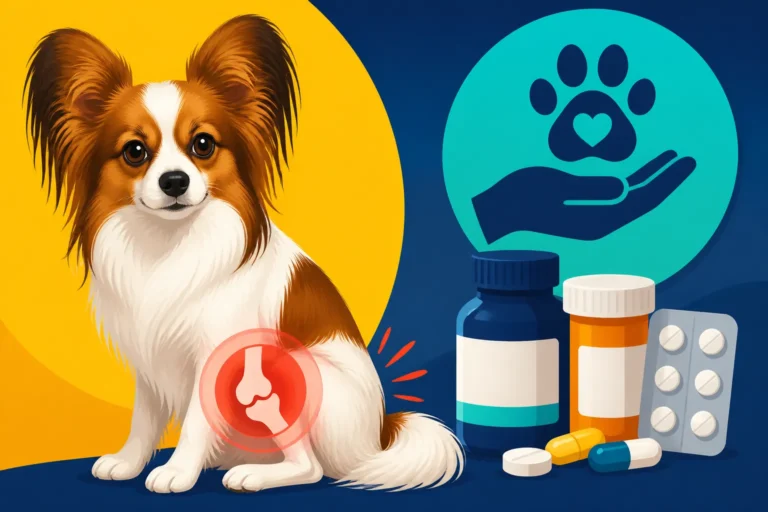
Imagine your Papillon, in a moment of playful exuberance, takes an awkward leap and suddenly has a limp. The initial vet visit, X-rays, possibly a consultation with an orthopedic specialist, and then treatment—which could range from pain medication and rest to a complex surgery—can quickly add up. Without insurance, these bills can put a tremendous strain on your finances, forcing difficult decisions that no pet parent ever wants to make. Pet insurance steps in to mitigate these financial shocks, allowing you to say "yes" to the best possible care for your little one, without the crushing worry of cost.
The emotional burden alone of a sick or injured pet is immense. Adding financial stress on top of that can be overwhelming. Knowing you have a safety net, that a significant portion of unexpected veterinary expenses will be covered, can offer incredible peace of mind. It allows you to focus on comforting your Papillon and working with your vet on their recovery, rather than doing mental math in the waiting room. This proactive step can truly make a difference in your Papillon's quality of life and your own peace of mind.
The Different Types of Pet Insurance Policies Available
Navigating the world of pet insurance can feel a bit like deciphering a complex puzzle, with various policy types, terms, and conditions. Understanding the core differences between these plans is crucial to choosing the right fit for your Papillon. Generally, you'll encounter three main categories, though many providers offer variations or combinations.
First up are Accident-Only plans. As the name suggests, these policies exclusively cover costs associated with accidents. Think broken bones, foreign object ingestion, toxin exposure, or unexpected injuries. These plans are typically the most affordable option, offering a basic safety net for sudden, unforeseen mishaps. While they don't cover illnesses, they can still be incredibly valuable for a playful Papillon who might get into scrapes. However, it's vital to remember their limitations: if your Papillon develops a chronic condition, an allergy, or any illness, an accident-only policy won't provide any financial assistance.
The most common and comprehensive choice for most pet parents is an Accident & Illness plan. This type of policy covers not only accidents but also a wide range of illnesses, including infections, digestive issues, cancer, diabetes, and many breed-specific conditions. This is where the real value often lies for a Papillon, as it covers both the unexpected tumble and the development of a long-term health issue. These plans usually cover diagnostics, treatments, medications, and sometimes even specialist consultations. They offer a much broader scope of protection, reflecting the reality that pets, just like people, can face both sudden injuries and ongoing health challenges.
Lastly, many providers offer Wellness add-ons or separate wellness plans. These are designed to help with the costs of routine and preventative care, which typically aren't covered by accident or accident & illness plans. This includes annual vet check-ups, vaccinations, routine blood tests, flea and heartworm prevention, and even sometimes dental cleanings. While these plans can help spread the cost of predictable expenses, it's important to evaluate if the premiums truly offer a significant saving compared to paying for these services out-of-pocket. For some, the predictability of a fixed monthly payment is worth it; for others, the math might show it's more cost-effective to budget for routine care separately.
Here's a quick comparison of policy types:
| Policy Type | Coverage Scope | Typical Cost | Best For | Common Exclusions |
|---|---|---|---|---|
| Accident-Only | Injuries from accidents (e.g., fractures, cuts, ingestions) | Lower | Budget-conscious owners; young, healthy pets | Illnesses, chronic conditions, routine care, pre-existing conditions |
| Accident & Illness | Accidents AND illnesses (e.g., infections, cancer, diabetes, hereditary conditions) | Moderate to High | Most pet owners seeking broad protection | Routine care, pre-existing conditions, cosmetic procedures, breeding-related issues |
| Wellness Add-on | Routine care (e.g., exams, vaccines, parasite prevention, dental cleanings) | Added to base premium | Owners who prefer to budget for preventative care | Accidents, illnesses, major medical events |
Decoding Deductibles, Reimbursement Rates, and Annual Limits
When you're looking at pet insurance, you'll inevitably come across terms like "deductible," "reimbursement rate," and "annual limit." These aren't just jargon; they are the pillars of how your policy actually pays out, and understanding them is key to managing your expectations and your budget. Choosing the right combination for your Papillon means balancing monthly premiums with potential out-of-pocket expenses when a claim arises.
First, let's talk about the deductible. This is the amount of money you need to pay towards your vet bills before your insurance company starts to reimburse you. Think of it like the deductible on your car or home insurance. For example, if you have a $250 annual deductible and your Papillon has a $1,000 vet bill, you'd pay the first $250, and then your insurance would kick in for the remaining $750 (minus your reimbursement rate). Deductibles can be per-incident (meaning you pay it for each new condition or accident) or annual (meaning you pay it once per policy year, regardless of how many different issues arise). Generally, a higher deductible will mean a lower monthly premium, and vice-versa. For a small dog like a Papillon, you might find a lower deductible more appealing since individual vet bills, while still significant, might not be as astronomically high as for a giant breed.
Next up is the reimbursement rate. This is the percentage of the covered vet bill that your insurance company will pay back to you after your deductible has been met. Common reimbursement rates are 70%, 80%, or 90%. Let's go back to our example: if you had a $1,000 vet bill, met your $250 deductible, and have an 80% reimbursement rate, the insurance company would pay 80% of the remaining $750, which is $600. You would be responsible for the $250 deductible plus the 20% co-pay ($150), totaling $400 out of pocket. A higher reimbursement rate means less out-of-pocket expense for you but will typically lead to a higher monthly premium. For a Papillon owner, considering the potential for conditions like patellar luxation that can require expensive surgery, a higher reimbursement rate can be a huge relief if those big bills come.
Finally, we have annual limits. This is the maximum amount of money your insurance company will pay out in a given policy year. Limits can range from a few thousand dollars to unlimited. If your Papillon needs a complex surgery or faces a severe, chronic illness requiring ongoing treatment, it's possible to hit your annual limit, especially with lower-tier policies. Once you hit that limit, any further vet expenses for that policy year would be entirely your responsibility, even for covered conditions. When considering a Papillon, whose lifespan can be quite long, a higher annual limit or even an unlimited plan might be a wise investment over time. For example, a single knee surgery for Knee Surgery Is the Bill Most Papillon Owners Meet could easily take a big chunk out of a lower annual limit, leaving you exposed for other potential issues later in the year. Weighing the potential costs of serious breed-specific conditions against the policy's annual limit is a crucial step in ensuring adequate coverage.
Common Papillon Health Concerns and How Insurance Addresses Them
Papillons, while generally a robust breed, do have certain health predispositions that any owner should be aware of. Understanding these common concerns and how pet insurance typically handles them is key to selecting a policy that truly protects your little butterfly.
Patellar Luxation: A Frequent Worry for Papillon Parents
Ah, patellar luxation – it's practically a rite of passage for many toy breed owners, and Papillons are no exception. This condition, where the kneecap (patella) slips out of its groove in the thigh bone, can range from a minor skip in their step to severe lameness. It's truly Patellar Luxation Is the Papillon Problem You Will Actually Meet for a significant number of Papillons. The causes can be genetic, developmental, or sometimes trauma-induced, but regardless, the vet bills can be substantial, especially if surgery is required.
Most accident and illness pet insurance policies will cover the diagnosis and treatment of patellar luxation, provided it's not considered a pre-existing condition. This is a critical point. If your Papillon is diagnosed with luxating patella before you enroll them in an insurance plan, or during the policy's waiting period, that specific condition will almost certainly be excluded from coverage. This is why many experienced Papillon owners advocate for insuring their puppies as early as possible – ideally before any potential health issues manifest. Coverage typically includes the veterinary exams, X-rays to assess the severity, pain medications, and crucially, surgical correction if your vet recommends it. Post-operative care, including follow-up visits and rehabilitation therapy, may also be covered, depending on your specific policy.
Imagine your lively Papillon, happily romping in the yard, suddenly yelping and holding up a back leg. A trip to the vet confirms a Grade 2 patellar luxation. The cost of the examination, X-rays, and initial anti-inflammatory medication is the first part of the bill. Then, if surgery is deemed necessary, that's where the costs truly escalate. Surgical repair can be complex and expensive, especially if it involves a specialist. Having a solid accident and illness policy in place means that once you've met your deductible, your insurance company will reimburse you for a significant portion of these costs, covering everything from the anesthesia to the surgical procedure itself. Without insurance, faced with a bill that could be thousands of dollars, many owners would struggle, potentially having to delay vital care for their beloved pet. It's not just about covering the cost of the surgery itself, but also the follow-up physical therapy that might be needed to ensure a full recovery, all of which can fall under a comprehensive policy.
Dental Disease: More Than Just Bad Breath for Small Jaws
If there's one area where Papillons often face unique challenges, it's their teeth. Their elegant, small jaws can easily become crowded, leading to plaque and tartar buildup at an alarming rate. The Teeth in a Papillon's Small Jaw are particularly susceptible to issues, and frankly, bad breath is often just the tip of the iceberg. Dental disease can lead to painful infections, tooth loss, and even systemic health problems if bacteria from the mouth enter the bloodstream. Addressing these issues often requires professional veterinary dental care, which involves anesthesia, scaling, polishing, and potentially extractions.
Standard accident and illness policies typically cover dental procedures that are considered medically necessary due to injury or illness. For instance, if your Papillon breaks a tooth chewing on something hard, or develops a severe infection requiring extractions, the costs for these treatments would generally be covered (again, provided it's not a pre-existing condition). However, routine dental cleanings, which are crucial for preventing these problems in the first place, are usually not covered by a basic accident and illness plan. This is where a wellness add-on or a dedicated wellness plan comes into play. These optional plans often include a set allowance or cover a percentage of routine dental cleanings, helping to make preventative care more affordable.
Consider a scenario where your Papillon, despite your best efforts, develops significant tartar by age three. The vet recommends a professional dental cleaning under anesthesia. If you only have an accident and illness policy, this cleaning would be an out-of-pocket expense. However, if that cleaning reveals a tooth so severely decayed it needs immediate extraction, the cost of the extraction and any necessary medication would likely be covered by your accident and illness plan. On the other hand, if you had added a wellness package, a portion of that routine cleaning might have been reimbursed, helping you stay ahead of the curve. Companies like Chewy, for example, often offer comprehensive pet health solutions that can include prescription fulfillment for dental medications, integrating various aspects of your pet's care. Being proactive with your Papillon's dental health, with or without a wellness plan, is crucial, as avoiding these issues is always better (and often cheaper) than treating them once they become severe.
Eye Conditions Like PRA: Protecting Their Precious Sight
The striking, butterfly-like ears of the Papillon are iconic, but their eyes are equally captivating and, unfortunately, can be prone to certain inherited conditions. One of the most significant is Progressive Retinal Atrophy (PRA), particularly the Papillon Type (PRA1), which involves a specific gene, The Papillon Type of Progressive Retinal Atrophy and the CNGB1 Gene. This condition causes the cells in the retina to degenerate, leading to progressive vision loss, often starting with night blindness and eventually impacting daylight vision.
When it comes to PRA, insurance coverage can be a bit nuanced. Diagnostic tests, such as specialized eye exams performed by a veterinary ophthalmologist and genetic testing to confirm the specific type of PRA, would generally be covered by an accident and illness policy, provided the symptoms appeared after your policy's waiting period and the condition was not pre-existing. Since PRA is an inherited condition, many breeders now conduct genetic testing to avoid breeding affected puppies. If your Papillon tested positive for the gene or showed early signs before you enrolled in insurance, it would likely be considered pre-existing and excluded.
Currently, there's no cure for PRA, so treatments often focus on managing secondary conditions or maximizing remaining vision, which insurance might cover if those conditions arise after policy inception. For example, if your Papillon with PRA develops cataracts (which is a different condition but can be a concern for senior dogs or those with other eye issues), an accident and illness policy would likely cover the diagnostics and treatment for the cataracts, again assuming they weren't pre-existing. The key takeaway here is the timing of enrollment and diagnosis. Getting your Papillon insured while they are young and healthy is the best way to ensure coverage for conditions like PRA, should they develop later in life. It's about protecting against the unknown future expenses rather than attempting to cover an already established condition.
What Pet Insurance Typically Does NOT Cover (and Why It Matters)
While pet insurance is a fantastic tool for managing unexpected vet bills, it's not a magic bullet that covers absolutely everything. Understanding the common exclusions is just as important as knowing what is covered, especially when planning for your Papillon's long-term health.
The Frustrating Reality of Pre-Existing Conditions
This is perhaps the biggest and most commonly misunderstood exclusion in pet insurance, and it's a source of considerable frustration for many pet parents. A pre-existing condition is generally defined as any illness or injury that your pet showed signs of, or was diagnosed with, before your insurance policy's start date or during its initial waiting periods. And trust me, insurance companies are thorough in their assessment.
For a Papillon, this could mean if your little one had a limp that was attributed to patellar luxation before you bought insurance, then any future vet visits, medications, or surgery related to that specific luxating patella would be excluded. It doesn't matter if it was just a minor limp, or if you hadn't even had a formal diagnosis; if symptoms were present, it often counts. Some policies distinguish between "curable" and "incurable" pre-existing conditions. A curable condition, like an ear infection that clears up and doesn't recur for a specified period (e.g., 6-12 months), might eventually be covered if it reappears. However, chronic or incurable conditions, such as severe allergies, diabetes, or many orthopedic issues like a persistent patellar luxation, are almost always permanently excluded once they are deemed pre-existing.
The way insurance companies determine pre-existing conditions can feel invasive, but it's standard practice. They'll typically request your Papillon's complete veterinary medical records, going back several years if necessary, to look for any mention of symptoms, diagnoses, or treatments that pre-date your policy. This "look-back" period can vary by insurer, but it's a critical part of their underwriting process. This rigorous approach underscores why enrolling your Papillon when they are a young, healthy puppy is so vital. It's your best chance to get coverage before any conditions, even minor ones that could escalate, become stamped as pre-existing.
Exclusions and Waiting Periods You Need to Know
Beyond pre-existing conditions, there are other common exclusions and important waiting periods that you need to be aware of when purchasing pet insurance for your Papillon. These are standard industry practices, but they can still come as a surprise if you're not prepared.
First, let's talk about general exclusions. Most policies will not cover:
- Cosmetic procedures: Things like ear cropping or tail docking (neither of which is typical for a Papillon, but good to know for general context).
- Breeding, pregnancy, or whelping costs: If you plan to breed your Papillon, any expenses related to gestation, delivery, or complications would typically be excluded.
- Grooming: Routine grooming services, even if a necessity for a Papillon's beautiful coat, are not covered.
- Specific elective procedures: Some procedures that are not deemed medically necessary might be excluded.
- Certain types of food or supplements: Unless prescribed for a covered condition, prescription diets or over-the-counter supplements are often not covered. For a brand like Ollie, which provides fresh, custom-portioned food, while it contributes to overall health, it wouldn't typically be covered by standard insurance as it's considered a regular food expense, not a medical treatment.
Next are waiting periods. These are specific periods of time that must pass after your policy's start date before coverage for certain conditions begins. They are designed to prevent people from buying insurance only after their pet is already sick or injured.
- Accident waiting period: This is usually quite short, often 24-48 hours. So, if your Papillon breaks a toe today and you just bought a policy yesterday, it likely won't be covered.
- Illness waiting period: This is typically longer, ranging from 14 to 30 days. This means if your Papillon develops a cough or an upset stomach within two weeks of your policy starting, it won't be covered.
- Orthopedic or Ligament waiting period: This is a crucial one for Papillons, given their predisposition to patellar luxation. Many insurers have extended waiting periods for orthopedic conditions, sometimes up to 6 months or even a year. This is to prevent owners from enrolling a dog they know has a developing knee issue. It is absolutely imperative that you understand this specific waiting period for your chosen policy, as an injury or diagnosis during this time could lead to a permanent exclusion of that condition.
The moral of the story: read your policy documents thoroughly. Every insurer is different, and understanding these waiting periods and exclusions before you need to file a claim will save you a lot of heartache and financial stress down the road.
Routine and Preventative Care: When Wellness Plans Come In
One of the biggest points of confusion for new pet insurance buyers is the expectation that their policy will cover all their Papillon's routine vet visits, vaccinations, and parasite prevention. It's a natural assumption, but for most standard accident and illness policies, this simply isn't the case. These policies are designed to cover the unexpected costs – the illnesses and accidents that throw your budget for a loop.
Routine preventative care includes things like:
- Annual wellness exams
- Vaccinations (distemper, rabies, Bordetella, etc.)
- Flea, tick, and heartworm prevention medications
- Routine bloodwork and urinalysis during annual check-ups
- Spaying or neutering
- Routine dental cleanings
These are predictable expenses that are part of responsible pet ownership. If you want coverage for these items, you'll need to look into wellness add-ons or separate wellness plans. These are optional packages that you can typically add to your accident and illness policy for an additional monthly fee. A wellness plan might offer a flat amount towards certain services, or reimburse a percentage up to a cap for things like annual exams or dental cleanings.
The question then becomes: is a wellness plan truly cost-effective for your Papillon? You'll need to do some math. Tally up your Papillon's expected annual routine care costs – vet visits, vaccines, parasite prevention. Then compare that to the annual cost of the wellness plan's premiums. Sometimes, especially if your Papillon is young and healthy and only needs basic preventative care, you might find that the premiums for a wellness plan actually exceed the amount you would be reimbursed. However, for those who prefer the predictability of a fixed monthly payment and don't want to worry about budgeting separately for routine care, a wellness plan can offer a psychological benefit even if the financial savings aren't massive. For example, a reliable supplier like Chewy often has a pharmacy section where you can get your Papillon's flea and heartworm prevention, and while the product cost isn't covered by insurance, if you have a wellness plan that allows for a yearly allowance for parasite control, that could help offset the overall cost. Just remember, it's about making an informed decision that suits your budget and your Papillon's needs.
Choosing the Right Policy for Your Papillon
Selecting the perfect pet insurance policy for your Papillon isn't a one-size-fits-all endeavor. It requires careful consideration of several factors, from your dog's age to the reputation of the insurance provider, ensuring you get the most value and comprehensive coverage possible.
Factors to Consider Based on Your Papillon's Age
Your Papillon's age is one of the most significant determinants of both policy availability and cost. The earlier you get insurance, the better, but it's never too late to consider it.
For Papillon puppies, the mantra is "insure early, insure often!" Getting a policy when your Papillon is still a puppy is arguably the most strategic move you can make. At this stage, they are least likely to have developed any pre-existing conditions, which means a wider range of potential future ailments will be eligible for coverage. Premiums are also typically lowest for puppies and young dogs. Imagine you adopt an eight-week-old Papillon puppy; getting them insured immediately means that if, two years down the line, they develop patellar luxation or a chronic allergy, it will be covered because it wasn't pre-existing. This early coverage can pay dividends over their potentially long lifespan, as How Long a Papillon Lives can often extend well into their teens. The minor initial cost quickly seems insignificant against the potential for thousands in vet bills later.
As your Papillon moves into adulthood, around one to seven years old, pet insurance remains incredibly valuable. While they might have developed a minor sniffle or a temporary limp at some point, many conditions can still be covered. If you're getting insurance for an adult Papillon, be extra vigilant about the look-back period for pre-existing conditions. Any health issues they've had in the past few years will likely be excluded. However, this doesn't diminish the value for new illnesses or accidents that can occur at any age. Adult Papillons are often in their prime for activities like agility, and insurance can protect against injuries sustained during active play or competition.
Finally, for senior Papillons, generally those over seven or eight years old, insurance can still be a lifesaver, though it comes with higher premiums and potentially more exclusions. As dogs age, they become more susceptible to conditions like arthritis, heart disease, cancer, and kidney problems. While some age-related conditions might be considered pre-existing if they've already been diagnosed, new conditions or exacerbations of existing ones (if not already excluded) can still be covered. For owners dedicated to Caring for a Papillon Past Eleven, the potential for significant vet bills in their golden years is very real. While premiums will be higher, the financial relief during a serious illness can be immense. It's about weighing the higher monthly cost against the very real likelihood of increased veterinary needs.
Researching Providers and Understanding Their Reputation
Choosing a pet insurance provider is a significant decision, and it's not one you should rush. Just like choosing your own health insurance, you want a company that is reliable, transparent, and offers excellent customer service. Don't just pick the first one you see or the cheapest option; delve a little deeper.
Start by comparing multiple quotes from different companies. Many online comparison tools allow you to input your Papillon's age, breed, and your desired coverage levels (deductible, reimbursement, annual limit) to get a side-by-side view of various plans. This initial step can quickly narrow down your options based on price and basic offerings. However, price isn't the only factor. A policy that seems incredibly cheap might have a very high deductible, low reimbursement rate, or restrictive annual limits, leaving you with substantial out-of-pocket costs when you need them most.
Next, and perhaps most importantly, read reviews and look at customer service feedback. What are other pet parents saying about their claims process? Are reimbursements quick and hassle-free, or do they involve a lot of paperwork and lengthy waits? How easy is it to speak to a representative if you have questions or issues? Companies like Healthy Paws, for example, often receive high marks for their customer service and efficient claims processing. Look for patterns in feedback: Are multiple people complaining about denied claims for specific conditions? Are they difficult to reach? These insights from actual customers are invaluable. A company's reputation for honoring claims and providing support during stressful times can make a huge difference in your overall experience.
Finally, always look for transparency in policy documents. A reputable insurer will make it easy to access and understand their terms and conditions, exclusions, and waiting periods. Be wary of policies that are vague or difficult to decipher. You should be able to clearly understand what is covered, what isn't, and what the claims process entails before you sign up. Ask questions if anything is unclear. A good provider will be happy to explain their policies in detail.
Tailoring Coverage to Your Papillon's Specific Needs
Every Papillon is an individual, but the breed itself comes with certain considerations that should influence your pet insurance choices. Tailoring your coverage means thinking strategically about those factors.
First, consider the breed-specific predispositions for Papillons. We've discussed patellar luxation, dental disease, and Progressive Retinal Atrophy (PRA). When choosing a policy, ensure that conditions like these are generally covered (assuming they aren't pre-existing). Look for policies with strong orthopedic coverage, which is crucial for potential knee issues. If you have a Papillon puppy, consider genetic testing for PRA if your breeder hasn't already done so, and ensure your policy would cover diagnostics if a problem arose later. Understanding Which Health Tests a Papillon Breeder Should Run can give you a heads-up on potential future health issues, allowing you to select insurance that explicitly addresses them.
Next, decide on deductible and reimbursement levels that fit your budget and risk tolerance. Can you comfortably afford a $1,000 deductible if a major vet bill comes along, in exchange for lower monthly premiums? Or would you prefer a higher monthly premium with a lower deductible (say, $250 or $500), knowing you'll pay less out-of-pocket per incident? Similarly, consider your reimbursement rate. While a 90% reimbursement rate offers maximum financial protection, an 80% or even 70% rate might be more affordable for your monthly budget, and still provide substantial relief. It's a balance between your monthly cash flow and your willingness to absorb a percentage of large bills.
Finally, think about annual limits in relation to potential major surgeries or chronic conditions. As we've noted, a single patellar luxation surgery could cost thousands. If your Papillon needs two knee surgeries (one on each leg, which isn't uncommon) or develops a chronic illness requiring ongoing medication and vet visits, a low annual limit (e.g., $5,000) could be quickly exhausted. An unlimited annual payout policy, while pricier, offers the ultimate peace of mind for catastrophic illnesses or multiple major issues over a policy year. For a breed with a long lifespan, the cumulative cost of ongoing care could be substantial, making a higher annual limit a sound investment. Carefully considering these aspects ensures your policy is truly a safety net tailored for your unique Papillon.
Navigating Claims and Maximizing Your Benefits
Even with the perfect policy in hand, the real test of pet insurance comes when you actually need to use it. Understanding the claims process and how to maximize your benefits can significantly reduce stress during an already difficult time.
The Claims Process: From Vet Visit to Reimbursement
The claims process for pet insurance is generally straightforward, but it does require your active participation. Unlike human health insurance where your doctor often bills the insurer directly, with pet insurance, it's typically a reimbursement model.
Here's a step-by-step breakdown:
- Your Papillon gets veterinary care: When your Papillon needs to see the vet for a covered accident or illness, you'll pay the vet bill in full at the time of service. This can sometimes be a substantial upfront cost, so it's wise to have an emergency fund or credit available, even with insurance.
- Submit your claim: After your vet visit, you'll need to submit a claim to your insurance provider. Most companies have easy-to-use online portals or mobile apps where you can upload a copy of your itemized vet invoice and your Papillon's medical records. Some might require a claim form filled out by your vet. The sooner you submit, the sooner you'll get reimbursed.
- Review and processing: The insurance company will review your claim, checking for coverage eligibility, pre-existing conditions, waiting periods, and applying your deductible and reimbursement rate. This processing time can vary, from a few days to a few weeks, depending on the complexity of the claim and the insurer.
- Receive reimbursement: Once the claim is processed, the covered amount will be reimbursed to you, usually via direct deposit or a check.
To ensure a smooth claims process, always keep meticulous records. This means saving all your itemized vet invoices, prescription details, and diagnostic results. When submitting a claim, provide as much detail as possible. Don't be afraid to communicate openly with your vet's office. They are often familiar with pet insurance claims and can help provide the necessary documentation quickly. While direct-pay options (where the insurer pays the vet directly) are becoming more available with some providers, they are not yet universal, so always be prepared to pay upfront.
Understanding Your Policy's Fine Print
The policy document isn't just a stack of papers; it's the contract that governs your coverage. Getting familiar with its details before an emergency strikes can save you from frustrating surprises later on. It's truly a case of "know before you go" into a vet emergency.
One critical aspect is to thoroughly understand what is covered and, more importantly, what is explicitly not covered by your specific policy. This includes the exclusions we discussed earlier, like pre-existing conditions, cosmetic procedures, or specific waiting periods for certain conditions like orthopedic issues. For instance, if your Papillon developed a cough and you thought it might be a collapsing trachea, knowing if your policy covers respiratory conditions, and what the waiting period was, would be vital information. It's not uncommon for Papillons to develop a Whether a Papillon Gets a Collapsing Trachea, and knowing if your insurance would help cover diagnostics and management is key.
You also need to keep track of your annual limits and how much coverage you have remaining throughout the year. If your Papillon has a chronic condition or experiences multiple incidents, you could potentially hit your annual payout limit. Being aware of this can help you plan for subsequent expenses or even discuss options with your vet. Most online portals will show you your remaining benefits. If a claim is denied, don't immediately give up. Understand why it was denied. Was it a pre-existing condition? Was the waiting period not met? Did it fall under a specific exclusion? Most insurers have an appeals process, and sometimes, providing additional documentation or clarification from your vet can lead to a reversal of the decision. Knowledge is power here; don't be afraid to advocate for your Papillon.
Budgeting for the "Out-of-Pocket" Even With Insurance
Even with a top-tier pet insurance policy, you will almost always have some out-of-pocket expenses. Insurance is a tool for risk mitigation, not a complete elimination of all costs associated with your Papillon's healthcare. Smart pet parents budget for these anticipated expenses.
Firstly, remember your deductible and co-pays. Your deductible is the amount you pay first, and your co-pay is your percentage of the bill after the deductible. These amounts need to be readily available. If your Papillon has a sudden emergency, you'll likely need to cover these amounts upfront. Having a dedicated emergency fund, even a small one, is a wise move for any pet owner, but especially one with a small dog like a Papillon, whose medical needs can quickly escalate. This fund acts as a buffer for your deductible and co-pay, ensuring you can access care immediately without financial strain.
Secondly, plan for any treatments that might exceed your annual limits or fall under exclusions. While pet insurance covers a wide range of issues, it won't cover absolutely everything. If your Papillon faces a very expensive, complex treatment that pushes beyond your policy's annual limit, or if a condition is deemed pre-existing, you will be responsible for the remaining balance. Knowing your policy's limits beforehand allows you to either choose a higher-limit policy or to mentally prepare for potentially large out-of-pocket expenses. The goal of pet insurance is to make those huge, unexpected bills manageable, not necessarily to zero them out completely. Companies like Healthy Paws are known for their unlimited annual limits, which can be appealing for those seeking maximum protection against catastrophic costs. Ultimately, integrating pet insurance into your overall financial plan for your Papillon means understanding its role as a significant helper, not a total solution.
Is Pet Insurance Truly Worth the Cost for a Papillon?
This is the million-dollar question for many Papillon owners: does the peace of mind truly outweigh the monthly premiums? There's no single right answer, as it depends heavily on your individual circumstances, your Papillon's health, and your personal financial philosophy.
Weighing the Peace of Mind Against the Premiums
Let's face it: monthly premiums for pet insurance are an ongoing expense. Over a year, or even several years, these costs can add up. So, it's natural to wonder if you'll truly get your money's worth. For some, their Papillon might sail through life with minimal vet visits, and they might feel they "lost money" on insurance. But for many others, that monthly premium is a small price to pay for the incredible peace of mind it offers.
Imagine your Papillon, usually a picture of health, suddenly develops a severe medical condition requiring extensive diagnostics, specialist consultations, and ongoing treatment. Without insurance, you'd be faced with the agonizing decision of prioritizing cost over care, or draining your savings account, possibly going into debt. With insurance, that emotional weight is significantly lifted. You can focus solely on your Papillon's recovery, knowing that a substantial portion of those mounting bills will be covered. This isn't just about financial relief; it's about the emotional relief of not having to make difficult choices under immense stress.
To truly weigh this, consider your own financial situation. Do you have a robust emergency fund specifically for pet care, capable of handling a multi-thousand-dollar vet bill at a moment's notice? If not, the premiums might be a small investment to avoid future financial catastrophe. Conversely, if you have ample savings and a high tolerance for risk, you might choose to self-insure. It's a gamble, though, because even with the healthiest Papillon, accidents can happen, and breed predispositions are a reality. The joy your Papillon brings is priceless, and for many, safeguarding their access to best-in-class medical care makes the premium absolutely worthwhile.
Long-Term Financial Impact and Lifetime Value
When assessing the worth of pet insurance, it's crucial to look beyond just a single year and consider the long-term financial impact over your Papillon's entire life. Papillons are known for their longevity; they can live exceptionally long lives, often into their teens and even beyond. How Long a Papillon Lives for 15 years or more is not uncommon, and while this is wonderful, it also means a longer period for potential health issues to arise.
Enrolling your Papillon in insurance when they are young and healthy can lead to substantial savings over their lifetime. You secure coverage for conditions before they become pre-existing, and you lock in lower premiums initially. As your Papillon ages, their veterinary needs are almost guaranteed to increase. Older dogs are more prone to chronic conditions like arthritis, heart murmurs, kidney disease, and even cancer. The cumulative cost of managing these conditions – medications, special diets, frequent vet visits, diagnostic tests – can easily run into thousands of dollars annually. Pet insurance, especially a comprehensive accident and illness plan, can turn these overwhelming figures into manageable reimbursements.
While some owners might, by pure chance, "lose" money on premiums if their Papillon remains incredibly healthy for their entire life, that's often a best-case scenario and not one to rely on. The true value of pet insurance isn't just about getting back more than you pay in premiums; it's about protecting against the catastrophic financial events that could compromise your Papillon's health and your peace of mind. Over a 15-year lifespan, the total cost of ownership, even for a small dog like a Papillon, can be significant, and pet insurance ensures that a large portion of the unpredictable medical expenses are taken care of, making the overall cost of your Fifteen Years of a Papillon, Priced Out much more predictable.
Stories from Fellow Papillon Owners
You hear it all the time from other pet parents, and it often highlights the real value of pet insurance. "I wish I had gotten insurance earlier," or "Thank goodness for my policy, it saved us." These aren't just anecdotes; they reflect the very real financial realities of pet ownership.
Take Sarah, for instance, a Papillon owner in Ohio. She adopted her Papillon, Pip, as a puppy. She debated insurance but ultimately decided to enroll him at four months old. At age seven, Pip suddenly developed a severe seizure disorder. The diagnostic tests, specialist visits, and lifelong medication costs quickly escalated. "Without our Healthy Paws policy," Sarah recounts, "we would have been absolutely devastated financially. They covered 90% of everything after our deductible, and it meant we could focus on Pip's comfort and getting him stable, not on how we were going to pay the bills." For Sarah, the premiums over seven years paid off in that one critical incident, giving her a senior Papillon a chance at a good quality of life.
Then there's Mark, whose Papillon, Gigi, loved to jump off the sofa – despite his best efforts to discourage it. One day, Gigi landed awkwardly and ruptured a ligament in her knee. Mark had insurance, but he had waited until Gigi was five years old to get it. Although the accident itself was covered, the vet's records showed a previous, undiagnosed limp from months prior, which the insurance company flagged as a potential pre-existing orthopedic issue. The claim was initially delayed, and Mark had to provide extensive documentation and vet statements to prove the recent rupture was unrelated to the earlier limp. He eventually got reimbursed, but the stress of the process and the initial uncertainty was immense. His advice: "Get insurance when they're a puppy, and don't assume a minor limp won't come back to haunt you as a pre-existing condition."
These stories underscore that while every Papillon is unique, and some will be healthier than others, the potential for significant veterinary costs is a reality for all. Breed predispositions, like the How Common Patellar Luxation Is in Papillons, coupled with the simple fact that accidents happen, means that pet insurance isn't just a luxury, but a practical consideration for managing the financial demands of responsible Papillon ownership. It allows you to provide the absolute best care for your cherished companion, without having to compromise.
Disclaimer
This article is for general informational purposes only and does not constitute professional advice. Laws, prices and regulations vary by location and change over time. Consult a qualified professional for guidance on your specific situation.