Whether an Agility Bred Papillon Costs More
You're thinking about bringing a Papillon into your life, specifically one with the spark and drive for agility, and a very real question surfaces: does an "agility bred" Papillon actually cost more than one from a pet-focused or even a conformation show line? It's a completely valid concern, as the initial price tag is just the beginning of the financial journey with any dog, and specialty breeding can certainly add to that. This guide is here to help you unpack what makes an agility-bred Papillon unique, both in its inherent qualities and the associated costs, so you can make an informed decision for your future canine partner.
Understanding the "Agility Bred" Distinction
When breeders talk about "agility bred" Papillons, they're not just throwing around a fancy term; they're referring to a deliberate focus in their breeding program. It's about more than just having a Papillon that can do agility; it's about producing one that is inherently predisposed to excel, physically and mentally, in the sport.
What "Agility Bred" Actually Means for a Papillon
An "agility bred" Papillon comes from a lineage where the parents, and often previous generations, have successfully competed in dog agility or other performance sports. This isn't just about winning ribbons, though that's certainly a visible marker of success. It means the breeder is actively selecting for specific traits that are crucial for high-level performance. Think about it: a dog needs exceptional physical soundness, incredible drive, a keen desire to work with its handler, and a fearless attitude towards obstacles. These aren't traits that just magically appear; they are cultivated through careful pairing of dogs that embody these qualities.
The goal is to increase the probability that a puppy from such a litter will inherit the temperament, conformation, and health needed to not only participate but truly shine in agility. This proactive approach aims to minimize potential roadblocks down the line, such as a dog being too timid for certain obstacles or lacking the stamina for multiple runs. It's an investment in potential, where the breeder is essentially putting their reputation and extensive knowledge into predicting a puppy's aptitude for a demanding sport.
The Traits Breeders Prioritize for Agility
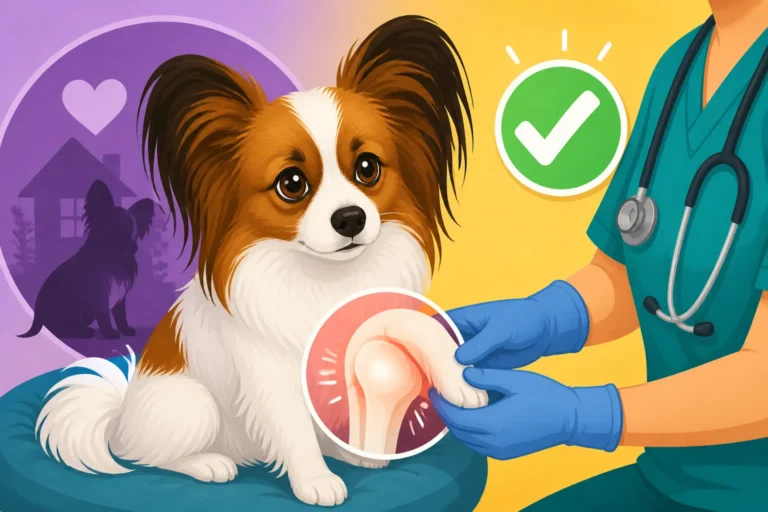
So, what exactly are these elusive traits that agility breeders are chasing? It's a nuanced blend. First and foremost, physical soundness is paramount. This means excellent joint health, particularly patellas that are stable and strong, as agility involves a lot of jumping, weaving, and quick turns. You can read more about Whether a Papillon Breeder Certifies Knees because this is an absolute must-have for an agility dog. Beyond structure, a breeder looks for dogs with high prey drive, which translates into a strong motivation to chase a toy or treat reward, making training much easier and more enthusiastic. They also seek dogs with "biddability" – that wonderful willingness to please and work cooperatively with a human.
Then there's the mental game. An agility Papillon needs to be confident, resilient, and focused. They need to be able to handle novel environments, loud noises, and the pressure of competition without crumbling. A dog that is too easily distracted, or too anxious in new situations, will struggle on the agility course, no matter how physically gifted it might be. Breeders also look for a certain level of "intensity" and quick learning, a hallmark of the breed itself, which contributes to why The Papillon Is the Smartest Toy Breed There Is. This combination ensures that the dog not only has the physical tools but also the mental fortitude to navigate complex courses and learn quickly from its handler.
How Agility Breeding Differs from Show or Pet Breeding
It's a common misconception that a show-bred Papillon is automatically a great agility prospect, or vice-versa. While there can be overlap, the priorities often differ. Conformation (show) breeding emphasizes adherence to the breed standard in appearance, gait, and structure. A dog that excels in the show ring might have a beautiful coat and elegant movement, but not necessarily the intense drive or fearless attitude required for agility. For instance, a show dog might be conditioned to stand politely for examination, whereas an agility dog needs to be bursting with energy and eager to engage.
Pet breeding, on the other hand, often prioritizes a calm, companionable temperament suitable for a family home, sometimes without the same rigorous health testing or performance pedigree. An agility breeder, however, is laser-focused on functional athleticism, mental resilience, and impeccable health clearances that support a physically demanding career. They are looking for that spark, that drive, that sheer joy in working that makes a dog truly excel in the sport. This specialization in breeding programs is a key factor in why you might see differences in price, as the investment in time, expertise, and testing is tailored to specific outcomes.
The Financial Investment in an Agility Prospect
Given the specific focus of agility breeding, it stands to reason that there might be a difference in the financial commitment involved. This isn't just about the initial purchase price, but the entire journey from puppyhood through training and potential competition.
Initial Puppy Price and Health Testing
Yes, an agility-bred Papillon puppy often comes with a higher initial price tag than a pet-quality puppy from a less specialized breeder. This isn't because the breeder is trying to be greedy; it's a reflection of the significant investment they've made. Reputable agility breeders dedicate substantial resources to health testing their breeding stock beyond the basics. This includes not just OFA patella certifications, but often also ophthalmologist examinations for conditions like PRA (Progressive Retinal Atrophy), cardiac clearances, and DNA testing for known breed-specific issues like PRA1 and neuroaxonal dystrophy. These tests are expensive, but they are crucial for minimizing the risk of inherited conditions that could derail an agility career or, more importantly, impact the dog's quality of life. For more on this, consider Which Health Tests a Papillon Breeder Should Run.
Furthermore, the breeder’s time and expertise in selecting suitable parents, raising the litter with early neurological stimulation, proper socialization, and careful temperament assessment of each puppy adds immense value. They're not just selling a dog; they're selling a meticulously planned prospect with a strong foundation for a specific purpose. When you see What a Papillon Puppy Costs From a Breeder, understand that these factors heavily influence the upper end of that price range.
Early Training and Socialization Costs
The journey of an agility Papillon doesn't stop at the breeder's door. Once you bring your agility prospect home, the investment in early training and socialization is critical. While all puppies benefit from these, for an agility dog, it's about building a robust foundation. This includes puppy kindergarten classes, where they learn basic manners and are exposed to various sights, sounds, and other dogs. These classes can range in cost, but they are invaluable. Many owners find value in Puppy Class Is Enough for a Papillon as an excellent starting point, but an agility dog will likely need more specialized attention.
Beyond formal classes, there's the ongoing commitment of time and resources for socialization trips, exposure to different surfaces, overcoming mild fears, and building confidence. Early positive reinforcement training is key to developing that strong bond and enthusiastic work ethic. Think about the cost of high-value training treats from places like Chewy, or even premium fresh food options like Ollie, which can be fantastic motivators for a Papillon. This initial period sets the stage for their entire career, shaping them into a confident, biddable partner.
Ongoing Agility Training and Competition Expenses
This is where the costs for an agility-bred Papillon can truly differentiate themselves. Regular, consistent training is non-negotiable for success in agility. This typically involves weekly or bi-weekly group classes with experienced instructors, which can be a significant recurring expense. Many people wonder What Agility Classes Cost for a Papillon, and the answer is that it varies widely based on location and instructor expertise, but it's a consistent line item in the budget.
As the dog progresses, owners often invest in private lessons for personalized coaching, workshops to fine-tune specific skills, and specialized equipment for home practice like tunnels or small jumps. Then, of course, there are the competition fees. Entering trials involves entry fees per run, travel costs to various venues (which might include hotels and fuel for weekend events), and potential club memberships. This phase of ownership transforms your Papillon from a promising puppy into a competitive athlete, and the financial commitment grows accordingly. If you're wondering What a Papillon Costs Per Month, a performance dog's budget will definitely sit at the higher end.
The Long-Term Cost Implications of an Agility Papillon
The costs associated with an agility Papillon extend well beyond the initial purchase and training phases. Their active lifestyle and the demands of the sport mean ongoing considerations for their health and well-being.
Health Maintenance for an Active Dog
An agility Papillon, by its very nature, is an athlete. This means their health maintenance can be more intensive than that of a less active companion dog. Regular veterinary check-ups are paramount, but also consider specialized care. This might include chiropractic adjustments or physical therapy sessions to keep their bodies in peak condition, especially as they age or if they experience any minor strains. Just like human athletes, canine athletes benefit from proactive care to prevent injuries and maintain flexibility.
While Papillons are generally a healthy breed with a good How Long a Papillon Lives, the increased physical activity in agility can put more strain on their joints. Even with excellent breeding, minor wear and tear can occur. This makes discussions about potential future needs, like joint supplements or pain management, an important part of the long-term budget. It's about preserving their mobility and ensuring they enjoy a comfortable, active life both on and off the course.
Specialized Nutrition and Care
Feeding an agility Papillon isn't quite the same as feeding a couch potato. Their higher energy expenditure means they often require a high-quality, nutrient-dense diet to fuel their muscles and support their recovery. This might translate to premium kibble, or even fresh food diets, which can be more expensive than standard options. Brands like Chewy offer a wide selection of performance-focused foods, while subscription services like Ollie can provide tailored, fresh meal plans.
Beyond food, there are other care considerations. Their nails need to be kept meticulously short to prevent interference with their foot placement and to reduce the risk of injury on course. Regular grooming, while generally low-maintenance for a Papillon due to their single coat, becomes important for keeping their long fringes from snagging on equipment or collecting debris during outdoor training. These details, while seemingly small, add up over time and contribute to the overall well-being and performance of the dog.
Insurance Considerations for Performance Dogs
Pet insurance becomes an even more vital consideration when you own an agility Papillon. While no one wants to imagine their dog getting injured, the reality is that an active performance dog has a higher risk of sprains, strains, or even more serious orthopedic injuries compared to a sedentary pet. Having a comprehensive pet insurance policy can provide immense peace of mind and help offset potentially high veterinary bills for diagnostics, treatments, and rehabilitation.
It's crucial to research policies carefully, understanding what they cover regarding hereditary conditions, accidents, and rehabilitation services. Companies like Healthy Paws are known for their comprehensive accident and illness coverage. You'll want to investigate Whether Insurance Covers a Papillon's Knees thoroughly, as luxating patella is a common concern in the breed, and some policies might have specific exclusions or waiting periods for congenital or hereditary conditions. An agility Papillon represents a significant investment, and insurance is a way to protect that investment and ensure your dog receives the best possible care should an unfortunate event occur.
Is the Higher Cost Worth It for an Agility Papillon?
After looking at all these potential costs, the question remains: is investing in an agility-bred Papillon, with all its associated expenses, truly worth it? For many, the answer is a resounding yes, though the "worth" extends far beyond monetary value.
The Intangible Rewards of Agility
While the financial outlay for an agility Papillon and its training can be substantial, the rewards often transcend mere dollars and cents. The bond you build with a Papillon through agility training is unparalleled. It's a partnership forged in teamwork, trust, and shared accomplishment. Watching your tiny Papillon, often with ears flying, weave through poles or soar over jumps with sheer joy is an incredible experience. Agility provides a profound mental and physical outlet for these intelligent, energetic dogs. It satisfies their innate desire to learn and work, leading to a happy, well-adjusted companion.
The sense of achievement, the camaraderie with other agility enthusiasts, and the sheer fun of the sport are priceless. Agility is not just about winning; it's about the journey, the continuous learning, and the deep connection you develop with your dog. For many, the joy and fulfillment derived from this partnership far outweigh the monetary investment. It's an experience that enriches both the dog's life and the owner's.
Finding the Right Breeder and Support System
If you're considering an agility-bred Papillon, the single most important step you can take, regardless of cost, is finding a reputable breeder who genuinely understands and prioritizes health, temperament, and performance. Look for breeders who are active in agility themselves, whose dogs have demonstrable success on the course, and who are transparent about health clearances. They should be eager to answer your questions, provide references, and be a resource throughout your dog's life. This aligns with seeking out Finding a Papillon Breeder Who Tests Eyes and Knees.
Beyond the breeder, building a strong support system is invaluable. This includes finding excellent agility instructors, a veterinarian who understands the needs of performance dogs, and connecting with other Papillon agility enthusiasts. The community aspect of dog sports is incredibly supportive, offering advice, encouragement, and friendship. While the initial and ongoing costs might be higher, the investment in a well-bred, well-trained, and well-supported agility Papillon often pays dividends in joy, companionship, and a truly extraordinary partnership that lasts for How Long a Papillon Lives.
Cost Comparison Table: Pet vs. Agility Papillon (Example Categories)
To help visualize some of the differences in potential costs, here's a simplified comparison of typical categories for a pet-quality Papillon versus an agility-bred Papillon prospect. Please remember these are general shapes of cost, and individual experiences will vary widely.
| Cost Category | Pet-Quality Papillon (General Purpose) | Agility-Bred Papillon (Performance Prospect) |
|---|---|---|
| Initial Puppy Price | Moderate; focus on companionship, basic health checks | Higher; extensive health testing, proven performance lineage, temperament focus |
| Early Training | Puppy class, basic obedience, focus on good manners | Puppy class, advanced socialization, foundation for specific agility skills, high drive |
| Ongoing Training | Occasional refresher courses, basic obedience, optional fun classes | Regular weekly agility classes, private lessons, workshops, seminars, practice equipment |
| Health Maintenance | Routine vet care, preventative medicine, dental cleanings | Routine vet care, preventative medicine, advanced diagnostics, rehab, supplements |
| Nutrition | Good quality commercial kibble | Premium performance kibble or fresh food diet (e.g., Ollie), supplements |
| Pet Insurance | Recommended for unexpected illness/injury | Highly recommended; robust coverage for orthopedic issues, accidents (e.g., Healthy Paws) |
| Grooming | Regular home brushing, occasional professional trim | Regular home brushing, focus on ear fringes and coat integrity for performance |
| Competition Fees/Travel | Not applicable | Significant; entry fees, travel, lodging, club memberships |
This table illustrates that while core needs are similar, the depth and specialization of each category tend to increase with a performance-focused dog, leading to a higher overall investment.
Disclaimer
This article is for general informational purposes only and does not constitute professional advice. Laws, prices and regulations vary by location and change over time. Consult a qualified professional for guidance on your specific situation.