Why Papillon Puppies Are Hard to Find
You’ve done your research, fallen completely in love with the intelligent and elegant Papillon, perhaps captivated by their stunning butterfly ears or their athletic prowess in videos. But then you start looking for a puppy, and the reality quickly sinks in: finding an available Papillon puppy from a reputable source feels like an impossible quest. You're not alone in this frustration, and this guide is here to shed light on the very real reasons why these delightful dogs can be so hard to track down, helping you understand the landscape of Papillon breeding.
The Niche Appeal and Breeding Landscape of the Papillon
Unlike some of the perennial top-ten breeds that seem to have an endless supply of puppies, the Papillon holds a special place as a somewhat niche, though deeply cherished, companion dog. This isn't a breed that sees mass production, and that immediately sets it apart in the search for a new furry family member. The Papillon’s popularity, while strong within certain circles like dog sports enthusiasts, doesn't translate into the sheer volume of breeders and litters you might find for a Labrador Retriever or a French Bulldog.
The Small Scale of Papillon Breeding
Most Papillon breeders are dedicated hobbyists, not large-scale commercial operations. This means they typically have one or two breeding females, maybe three at most, and they breed very selectively and infrequently. For them, breeding isn't a business designed to churn out puppies for profit; it's a passion project aimed at preserving and improving the breed. They invest countless hours into researching pedigrees, health testing, showing their dogs to prove their quality, and carefully planning each litter. This dedication is fantastic for the quality and health of the puppies produced, but it inherently limits the quantity.
Think about it: a dedicated breeder isn't going to have multiple litters running around at once, nor will their females be bred back-to-back. There's a lot of recovery time and care that goes into each litter, from the pregnancy itself to raising the puppies through their critical first weeks. This careful, conscientious approach means fewer puppies overall are available at any given time. If you're used to finding puppies with a quick online search, this reality can be quite a shock.
A Breed Not for the Impatient
The very nature of Papillon breeding means that if you want a well-bred, healthy puppy, you need to cultivate patience. This isn't a "get a puppy next week" kind of breed. Instead, it often involves lengthy conversations with breeders, getting on waiting lists, and sometimes waiting a year or more for the right puppy to come along. This waiting period is a testament to the quality of the breeder and their commitment to their dogs and the future of the breed. It can be disheartening when you’re eager to bring a little butterfly-eared companion home, but understanding that this is the norm helps manage expectations. Many Papillon owners will tell you that the wait was absolutely worth it for the joy their well-adjusted, healthy puppy brings.
The Realities of Responsible Papillon Breeding
Finding a Papillon puppy isn't just about scarcity; it's deeply tied to the immense responsibility and ethical commitments of reputable breeders. These breeders prioritize the health, temperament, and conformity to breed standards above all else, and this rigorous approach naturally impacts availability. They aren't cutting corners, and that takes time, effort, and resources.
Extensive Health Testing and Screening
One of the biggest reasons Papillon puppies from responsible breeders are harder to find – and often come with a higher price tag – is the extensive health testing involved. Reputable breeders don't just guess whether their dogs are healthy; they proactively screen for known genetic conditions common in the breed. For Papillons, this includes thorough eye examinations, often by a veterinary ophthalmologist, to screen for conditions like Progressive Retinal Atrophy (PRA1). They also test for The DNA Test for Papillon Retinal Atrophy and frequently screen for Neuroaxonal Dystrophy in a Papillon Puppy.
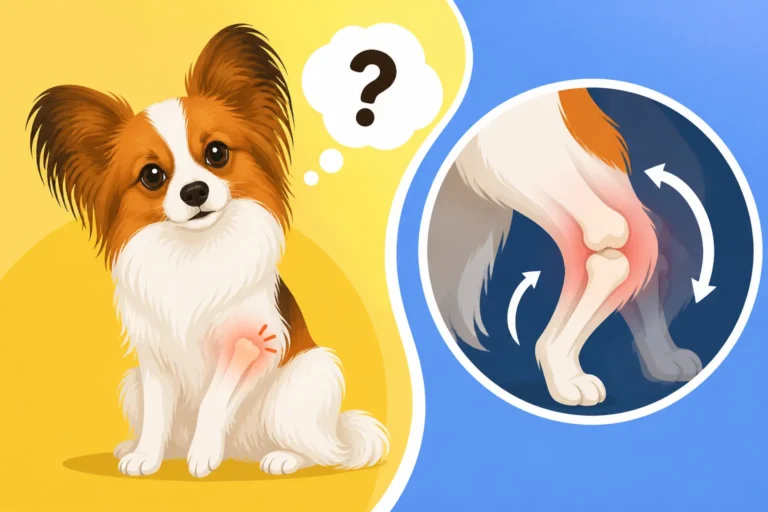
Beyond genetic testing, orthopedic issues like Patellar Luxation Is the Papillon Problem You Will Actually Meet are a significant concern in small breeds. Breeders will have their breeding dogs' knees certified by a veterinarian. This kind of testing isn't cheap or quick; it requires multiple vet visits, specialist consultations, and sometimes genetic panels. This process ensures that they are doing everything possible to prevent passing on these health problems to their puppies, saving future owners heartache and expensive veterinary bills down the line. It's a critical part of What a Papillon Breeder Should Have Tested.
Small Litter Sizes and Ethical Breeding Practices
Papillons are small dogs, and naturally, their litters are typically quite small. It's not uncommon for a Papillon to have only one, two, or three puppies per litter. This is in stark contrast to larger breeds that might have litters of eight or ten puppies. The smaller litter size immediately means fewer puppies available from each breeding.
Furthermore, ethical breeding dictates that a female dog should not be bred too often. They need time to recover physically and mentally between litters. Many responsible breeders will only breed a female every other heat cycle, or even less frequently, depending on the individual dog's health and how she recovers. This approach, while essential for the well-being of the mother dog, means that even a highly sought-after breeding female might only produce one litter every one to two years. This is a key factor in How Many Papillon Litters Are Bred a Year, contributing directly to the scarcity you encounter when searching for a puppy.
The Commitment to Raising and Socializing Puppies
A responsible breeder doesn't just breed two dogs and then send the puppies off at eight weeks. They are deeply involved in the puppies' development from birth. This means hands-on care, early neurological stimulation, careful socialization with people, other dogs, and various sights and sounds, and a focus on early training like litter box or pad training. They track each puppy’s development, temperament, and even Weighing a Papillon Puppy Every Week to ensure they are thriving.
This intensive care takes an incredible amount of time and effort, usually requiring someone to be home with the puppies almost constantly for the first several weeks. It's a huge commitment, and it's simply not feasible for a single individual to manage multiple large litters at once while providing this level of individualized attention. When you consider the sheer amount of work, love, and resources that go into raising a well-adjusted Papillon puppy, it becomes clearer why they aren't mass-produced.
The Journey to Finding Your Butterfly Dog
So, if Papillon puppies are hard to find, what's a hopeful owner to do? The journey requires persistence, research, and a clear understanding of what a responsible breeder offers. This isn't a quick transactional process; it's about building a relationship and waiting for the right match.
Navigating Waiting Lists and Breeder Relationships
Given the limited availability, waiting lists are incredibly common, almost a universal experience when seeking a Papillon from a reputable breeder. Don't be surprised if the first few breeders you contact tell you they don't have puppies planned for a year or more, or that their current waiting list is already full. This is completely normal and often a good sign, indicating a breeder in high demand due to their excellent reputation. How Long the Waitlist for a Papillon Runs can often feel like an eternity, but it's part of the process.
The best strategy is to start contacting breeders well in advance of when you hope to bring a puppy home. Be prepared to introduce yourself, explain why you're interested in a Papillon, and what kind of home you can offer. Breeders are looking for the absolute best homes for their puppies, so they will ask many questions. This isn't an interrogation; it's their due diligence to ensure their puppies are placed responsibly. Being open, honest, and showing your dedication will go a long way.
Red Flags to Watch Out For
While you're searching, it's crucial to be aware of red flags that might indicate an irresponsible breeder or, worse, a puppy mill. Because Papillons are harder to find, sometimes unscrupulous individuals try to capitalize on this demand.
Here are some signs to be cautious about:
- Always Having Puppies Available: If a breeder consistently has multiple litters ready to go or seems to breed constantly, this is a major warning sign.
- No Health Testing Documentation: A responsible breeder will be transparent about their dogs' health clearances and be able to provide verifiable proof. Be wary if they make excuses or claim their vets "say their dogs are healthy" without documentation. This goes back to Which Health Tests a Papillon Breeder Should Run.
- Inability to Meet Parents: You should always be able to meet at least the mother of the puppies and see where the puppies are raised. If the breeder wants to meet you in a parking lot or won't let you visit their home, walk away.
- Lack of Questions for You: A good breeder will interview you as much as you interview them. If they don't seem interested in your living situation, experience, or what you're looking for, they might not care about the puppies' welfare.
- Pushing for a Sale: High-pressure sales tactics are a huge red flag. A responsible breeder wants you to make an informed decision.
- Very Low Prices: While What a Papillon Puppy Costs From a Breeder can vary, unusually low prices often indicate corners have been cut on health, care, or breeding practices.
The Role of Breed Clubs and Resources
National and local Papillon breed clubs are invaluable resources in your search. They often maintain breeder directories, list upcoming litters, or can provide referrals to reputable breeders in your area or region. These clubs are dedicated to the preservation of the breed and uphold ethical breeding standards, so their recommendations are highly trusted. Don't underestimate the power of networking within these communities. Sometimes, the best way to find a puppy isn't through a website, but through a personal connection or referral from someone embedded in the Papillon world.
You might also consider looking at rescue organizations. While adult Papillons might be found more often than puppies, a rescue can be a wonderful way to give a loving home to a dog in need.
Pet Insurance and Preparedness
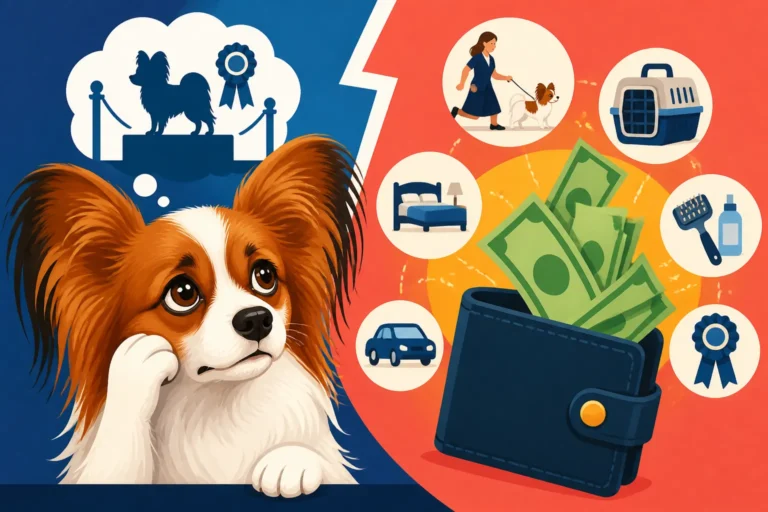
Once you do bring your little Papillon puppy home, you'll want to be prepared for everything. Because responsible breeders take such care, you're off to a great start, but life happens. Pet insurance can be a real lifeline for unexpected vet visits or potential future health issues, even those that breeders work hard to prevent. Companies like Healthy Paws offer various plans that can help manage costs for things like accidents or illnesses. Thinking ahead about expenses like these, alongside daily needs like food from quality brands like Ollie or supplies from Chewy, is part of being a prepared Papillon owner. Understanding What the First Year With a Papillon Costs will help you budget effectively for your new family member.
| Reason for Scarcity | Impact on Availability | What You Can Do |
|---|---|---|
| Niche Breed Popularity | Fewer overall breeders compared to popular breeds. | Connect with breed clubs, attend dog shows. |
| Dedicated Hobby Breeders | Breeders prioritize quality over quantity. | Expect to wait, build rapport with multiple breeders. |
| Extensive Health Testing | Time and cost for screenings reduce frequency of litters. | Inquire about specific tests, ask for documentation. |
| Small Litter Sizes | Naturally fewer puppies per breeding. | Be patient, a waiting list is common. |
| Ethical Breeding Practices | Females bred infrequently for their well-being. | Understand the breeder's philosophy, respect their schedule. |
| Intensive Puppy Rearing | Requires significant time and effort for proper socialization. | Support breeders who detail their puppy care routine. |
Finding a Papillon puppy truly is a labor of love and patience, but for those who commit to the journey, the reward is an intelligent, charming, and devoted companion who will enrich their lives for many How Long a Papillon Lives years. They are truly worth the wait, with their spirited personalities and boundless energy, ready to take on the world with you. From enjoying their company to What a Papillon Does All Day, these dogs are an absolute delight.
Disclaimer
This article is for general informational purposes only and does not constitute professional advice. Laws, prices and regulations vary by location and change over time. Consult a qualified professional for guidance on your specific situation.