What a Grade Four Knee Costs to Repair on a Papillon
Discovering your beloved Papillon has a Grade Four patellar luxation can feel like a punch to the gut. The immediate worry isn't just for their comfort and mobility, but also the daunting financial question that inevitably follows: what will it truly cost to repair such a severe issue? This guide is here to walk you through the complex reality of managing a Grade Four knee surgery, breaking down the often-overlooked expenses and helping you understand the full scope of the commitment.
Understanding Grade Four Patellar Luxation in Papillons
When your tiny Papillon, usually a whirlwind of energy and joy, starts showing signs of lameness or discomfort, it's always heartbreaking. Patellar luxation, or a slipping kneecap, is unfortunately quite common in small breeds like ours. But a Grade Four diagnosis? That's in a league of its own, signaling a much more severe and debilitating condition that demands immediate attention. It’s not just a skipped step; it’s a constant struggle.
What Grade Four Actually Means for Your Papillon
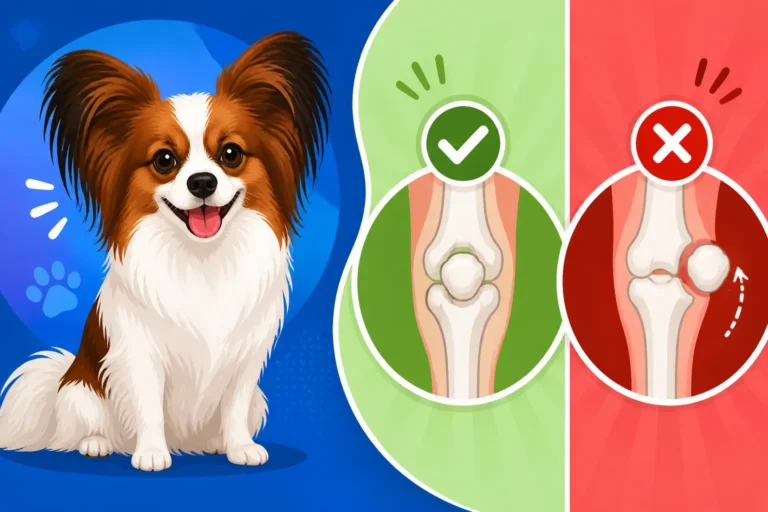
Imagine trying to walk, run, or even just stand comfortably when your kneecap is perpetually out of place. That's the daily reality for a Papillon suffering from a Grade Four patellar luxation. In this severe stage, the kneecap (patella) is permanently dislocated from the trochlear groove, the shallow channel at the end of the thigh bone (femur) where it's supposed to sit. This isn't something that pops in and out; it's always out.
This constant displacement profoundly affects their entire leg structure. The groove itself is often flattened or even absent, and the bones of the lower leg (tibia and fibula) can twist or bow due to the abnormal forces acting on them. For a Papillon, whose delicate bone structure is already a consideration, this can lead to significant pain, chronic arthritis, and a severely compromised quality of life. They might adopt a crouched stance, struggle to extend their leg, or even appear to walk on three legs permanently, with the affected limb held up or swinging unnaturally. This condition can be incredibly distressing to witness, as it prevents our spirited little companions from enjoying their natural zest for life. What Patellar Luxation Does to a Papillon delves deeper into the mechanical impact.
Why This Grade is Different from Lower Grades
It's crucial to understand that a Grade Four luxation isn't just a slightly worse version of a Grade One or Two. The difference is fundamental. In lower grades, the patella might slip out occasionally (Grade One), slip out more frequently but can be manually repositioned (Grade Two), or remain out most of the time but can still be pushed back into place by hand (Grade Three). With a Grade Four, the patella cannot be manually returned to its normal position, and in many cases, it never sits correctly.
This permanent displacement means that conservative management, such as rest, medication, or physical therapy, is largely ineffective as a primary solution. The anatomical changes are too significant. Surgery isn't just recommended; it's typically the only path to restore function and alleviate chronic pain. It's a complex procedure because the surgeon isn't just guiding the kneecap back into place; they are often rebuilding the very structures that are supposed to hold it there. This level of intervention highlights why Which Grade of Luxation Needs Fixing in a Papillon often points to Grade Four as requiring immediate and extensive surgical repair. The physical deformations can also be more pronounced, with muscle atrophy and joint stiffness becoming chronic issues if left untreated.
The Components of a Grade Four Knee Repair Bill
Let's face it, when you hear "surgery," your mind immediately jumps to the cost. And with a Grade Four patellar luxation, it's not just a single price tag, but a layered set of expenses that accumulate before, during, and after the actual operation. It's a significant investment, but one that can restore mobility and comfort to your cherished Papillon.
Initial Consultation and Diagnostics
Before any surgery can even be considered, your Papillon will need a thorough evaluation, likely by an orthopedic specialist. This isn't just a quick peek; it's a deep dive into the specific mechanics of your dog's knee. The initial consultation itself carries a fee, which can be higher for a specialist.
Following the exam, diagnostic imaging is paramount. X-rays are standard to visualize the bones and identify any deformities in the trochlear groove, the angle of the tibia, and any signs of arthritis. Sometimes, more advanced imaging like an MRI or CT scan might be recommended, especially if there are concerns about surrounding soft tissues or if the case is particularly complex. These advanced diagnostics, while incredibly informative for planning the most effective surgery, add a significant layer to the overall cost. Think of it as mapping out the entire repair strategy before a single incision is made; you wouldn't want a surgeon going in blind, and neither do our vets! For a detailed look into these early stages, consider What a Papillon's Orthopedic Consult Costs.
Surgical Procedures Involved
The actual surgery for a Grade Four patellar luxation is far from simple. It often involves a combination of techniques, making it more intricate and thus more costly than repairs for lower grades. The primary goal is to create a functional trochlear groove and realign the patella.
Common procedures include:
- Trochleoplasty: This is where the surgeon deepens the trochlear groove, which has often become flattened or shallow. This can be done by removing a wedge of bone, or by excising a block of cartilage and bone, deepening the groove, and then replacing the block.
- Tibial Crest Transposition: The tibial crest is a bony prominence on the shin bone where the patellar ligament attaches. If the kneecap is pulling to one side, this crest is cut, moved to a more appropriate position, and then reattached with pins or wires to realign the patella and its tendon.
- Soft Tissue Release/Tightening: The soft tissues surrounding the kneecap, such as the joint capsule and ligaments, might need to be either released (cut) on the side where they're pulling the patella out, or tightened on the opposite side to help stabilize it.
Because of the complexity and the need for specialized skills, this surgery is almost always performed by a board-certified veterinary orthopedic surgeon. Their expertise, coupled with the specialized equipment and meticulous technique required, contributes substantially to the surgical fee. This isn't just fixing a simple break; it's a reconstructive effort to give your Papillon a working knee again.
Anesthesia and Monitoring
For a tiny dog like a Papillon, anesthesia is a serious consideration. Their small size means that dosages must be incredibly precise, and their body temperature, heart rate, and blood pressure must be monitored constantly and meticulously throughout the procedure.
The cost for anesthesia includes the pre-anesthetic blood work (essential for checking organ function and ensuring they can safely metabolize anesthetics), the anesthetic drugs themselves, and the time and expertise of the veterinary technician dedicated solely to monitoring your Papillon during surgery. There might even be a veterinary anesthesiologist on staff, adding another layer of specialized care. The longer and more complex the surgery, the longer your Papillon is under anesthesia, and the higher this portion of the bill becomes. It's a critical safety measure, ensuring their tiny body handles the process as smoothly as possible. This is particularly relevant given topics like Why a Five Pound Papillon Is Harder to Anesthetize and Whether a Papillon Is Sensitive to Anesthesia, underscoring the extra precautions necessary.
Hospitalization and Post-Op Care
After such an intensive surgery, your Papillon will need dedicated post-operative care, which typically includes at least one or two nights of hospitalization. This allows the veterinary team to monitor their recovery, manage pain, and ensure there are no immediate complications.
Hospitalization costs cover:
- Nursing care: Round-the-clock monitoring by skilled veterinary staff.
- Pain management: Medications to keep your Papillon comfortable, often administered intravenously initially.
- Bandage changes: Regular checks and changes of surgical dressings.
- Medications to go home with: Anti-inflammatories, antibiotics, and pain relief.
- Recheck appointments: Usually several follow-up visits to monitor healing, remove stitches, and assess progress.
Each day of hospitalization and each recheck appointment adds to the overall cost. The goal here is to get them through the immediate recovery phase safely and comfortably, setting the stage for successful long-term healing.
Here's a simplified breakdown of typical cost components:
| Cost Category | Description | Considerations for Grade Four Papillon |
|---|---|---|
| Initial Consult/Exam | Vet or specialist consultation fee. | Often with an orthopedic specialist for severe cases. |
| Diagnostic Imaging | X-rays, possibly CT/MRI. | Extensive imaging needed to plan complex reconstructive surgery. |
| Pre-Anesthetic Bloodwork | Tests to ensure safe anesthesia. | Critical for tiny dogs, checking organ function. |
| Anesthesia & Monitoring | Drugs, equipment, dedicated tech. | Higher due to size and extended surgery time for complex repair. |
| Surgical Fees | Surgeon's time, operating room, materials (pins, wires). | Includes trochleoplasty, tibial crest transposition, soft tissue adjustments. |
| Hospitalization (1-3 days) | Overnight stays, nursing care, IV fluids. | Essential for initial pain management and monitoring. |
| Post-Op Medications | Pain relievers, anti-inflammatories, antibiotics for home. | Can be several different types, lasting weeks. |
| Follow-up Appointments | Recheck exams, suture removal. | Multiple visits to track healing progress. |
| Rehabilitation/Physical Therapy | Hydrotherapy, therapeutic exercises, laser therapy. | Crucial for optimal recovery and restoring full function. |
| Potential Complications | Infection, implant issues, re-luxation, arthritis management. | Can lead to additional vet visits, medications, or even repeat surgery. |
Navigating the Financial Realities of Surgery
The sticker shock that often accompanies an estimate for Grade Four knee surgery can be overwhelming. It's easy to feel helpless, but there are definitely avenues to explore to make this essential procedure more manageable for your family. Planning and knowing your options can make a huge difference.
Pet Insurance Considerations
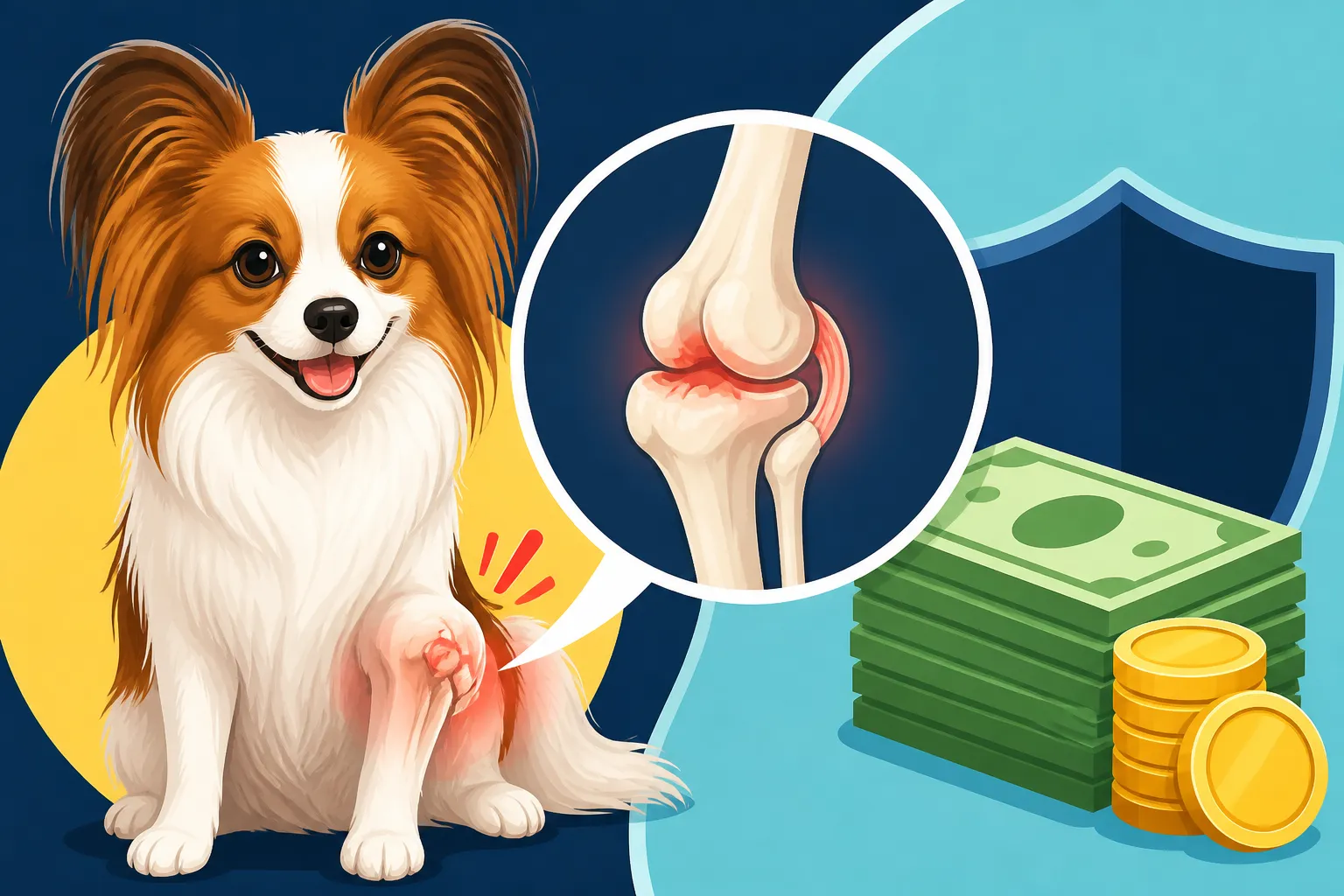
For many pet owners, pet insurance can be a lifeline when faced with unexpected, high-cost veterinary care. However, with a condition like patellar luxation, the timing of your insurance enrollment is everything. Most pet insurance policies consider pre-existing conditions. This means if your Papillon was diagnosed with patellar luxation before you enrolled them or before your policy's waiting period ended, the surgery to fix that specific knee will likely not be covered. This is why it's so often stressed that pet insurance is best acquired when your pet is young and healthy.
If you have an existing policy, check your terms carefully. Some policies might cover it if it's considered a congenital but not pre-existing condition, or if there's a specific rider. Companies like Healthy Paws offer comprehensive coverage, but they, like most, have clear guidelines on pre-existing conditions. If you're considering insurance for future medical needs, understanding these clauses is vital. It's a common frustration that you can't get insurance after a problem arises, but that's precisely how the system works to manage risk. For more general information, see What Insurance Covers on a Papillon and specifically regarding this issue, Whether Luxating Patella Is Excluded on a Papillon.
Payment Plans and Financial Aid
Even without insurance coverage, you're not entirely without options. Many veterinary practices understand the financial burden of extensive surgery and offer payment plans directly or through third-party services like CareCredit. These programs allow you to pay for your pet's treatment over several months, often with low or no interest if paid within a specific promotional period. It's worth discussing these possibilities with your veterinary clinic's financial coordinator.
Beyond payment plans, several charitable organizations and breed-specific rescues offer financial assistance for owners facing high veterinary bills. While these funds are often limited and application processes can be competitive, they can provide a much-needed boost. Searching for national and local pet aid foundations, as well as reaching out to Papillon breed clubs or rescues, might uncover resources you weren't aware of. Remember, these groups exist because they understand how much our pets mean to us and want to help keep families together.
The Importance of an Emergency Fund
This situation really highlights why an emergency fund for your pet is such a powerful tool. While we never want to imagine our beloved companions facing serious health issues, setting aside a dedicated amount of money specifically for veterinary emergencies can alleviate immense stress. Building up an emergency fund, even with small, consistent contributions, means you're proactively preparing for the unexpected.
It's not about predicting a Grade Four patellar luxation specifically, but about being ready for any significant health crisis that might arise over your Papillon's long life. Having that cushion can mean the difference between making a difficult medical decision based solely on cost and being able to provide your dog with the best possible care. Many Papillon owners find that having What a Papillon's Emergency Fund Should Hold brings peace of mind, allowing them to focus on their dog's recovery rather than scrambling for funds. Starting small and being consistent is key; every little bit adds up.
Beyond the Surgery: Long-Term Costs and Management
Thinking the costs end once your Papillon leaves the operating table is a common misconception. For a Grade Four patellar luxation, the journey to full recovery, or at least optimal function, extends far beyond the initial surgery. There's a vital phase of rehabilitation, the potential for complications, and ongoing management that all contribute to the true long-term financial commitment.
Rehabilitation and Physical Therapy
Surgery is just the first step in correcting a Grade Four luxation; rehabilitation is where the true healing and strengthening happen. Imagine having a major knee surgery yourself – you wouldn't just jump back into running, would you? Your Papillon's recovery is similar. Physical therapy (PT) is often critical for restoring range of motion, rebuilding muscle strength that atrophied due to disuse, and improving overall limb function.
This can include a variety of therapies such as:
- Controlled leash walks: Gradually increasing duration and intensity.
- Therapeutic exercises: Specific movements designed to strengthen the knee and surrounding muscles.
- Hydrotherapy: Underwater treadmill sessions can be incredibly beneficial, allowing for exercise without the full weight-bearing impact.
- Laser therapy: To reduce pain and inflammation and promote tissue healing.
- Massage: To improve circulation and muscle flexibility.
These sessions are typically not a one-time thing but a series of appointments over several weeks or even months. Each session has a cost, and while you might be able to do some exercises at home, professional guidance is invaluable. The long-term success of the surgery heavily relies on consistent and appropriate rehabilitation. What Rehab Costs After a Papillon's Knee Surgery gives you a clearer picture of these ongoing expenses. You might find useful products for home rehab like orthopedic beds or slow feeders from retailers like Chewy to aid in recovery and prevent excess jumping.
Potential for Complications and Re-operation
While surgery for patellar luxation has a high success rate, especially when performed by a specialist, complications can arise, particularly with severe Grade Four cases. The very nature of the repair involves bone manipulation and implants (pins, wires), which carry inherent risks.
Possible complications include:
- Infection: A risk with any surgery, requiring antibiotics or further intervention.
- Implant failure: Pins or wires can sometimes loosen, break, or migrate, necessitating removal or revision surgery.
- Re-luxation: Though less common with Grade Four repairs due to the extensive reconstruction, the patella could theoretically slip out again if the initial repair doesn't hold or if there's trauma. Whether a Papillon's Knee Comes Loose Again discusses this possibility.
- Development of arthritis: Even with a successful surgery, the joint has undergone significant trauma, and arthritis can develop over time, requiring ongoing medication and management.
- Anesthetic complications: Though rare, they are a risk.
Each of these complications would entail additional veterinary visits, diagnostics, medications, and potentially another surgery, adding significantly to the overall lifetime cost of care. It's a tough reality, but something owners need to be aware of when committing to a major procedure.
Ongoing Management and Quality of Life
Even after successful surgery and rehabilitation, your Papillon's knee may require ongoing management to maintain comfort and function, especially as they age. This is less about 'fixing' and more about 'supporting' their long-term well-being.
Considerations for ongoing management include:
- Joint supplements: Glucosamine, chondroitin, and Omega-3 fatty acids can help support joint health and potentially slow the progression of arthritis. Brands that focus on canine nutrition, like Ollie, might offer suitable supplement options.
- Weight management: Keeping your Papillon at a healthy weight is paramount to reduce stress on their joints. Even a few extra ounces can make a big difference for such a small dog.
- Environmental modifications: Using ramps or steps for furniture Ramps and Steps Cost for a Papillon can prevent jumping, which puts undue strain on the knees. Ensuring non-slip surfaces in your home can also help prevent falls.
- Regular veterinary check-ups: Ongoing monitoring for signs of discomfort or arthritis progression. Whether a Papillon Gets Arthritis From a Slipping Knee emphasizes the importance of managing this.
- Lifestyle adjustments: While many Papillons return to a very active life, high-impact activities might need to be moderated to protect the repaired knee.
The goal is to ensure your Papillon lives a long, happy, and comfortable life, unhindered by the pain of a dislocated kneecap. This ongoing dedication to their health is the true measure of our commitment, extending far beyond the initial surgical bill.
Disclaimer
This article is for general informational purposes only and does not constitute professional advice. Laws, prices and regulations vary by location and change over time. Consult a qualified professional for guidance on your specific situation.