Whether Uninsured Papillon Owners Regret It
It’s a scenario many of us face: you’ve brought home your precious Papillon, the initial puppy costs are settled, and life is grand. Then, a few years down the line, an unexpected vet bill lands, and a wave of regret washes over you, leaving you wondering if skipping pet insurance was the right call. This guide dives deep into the realities Papillon owners encounter, exploring common financial challenges and whether the decision to forgo insurance truly leads to regret.
The Temptation to Skip Pet Insurance for a Small Dog
Bringing home any new furry family member involves a lot of financial planning, but it's easy to fall into the trap of thinking a small dog like a Papillon will be "cheaper" in the long run. After all, they eat less, their toys are smaller, and their grooming seems manageable. This initial perception can often lead owners to believe that they can comfortably cover any unforeseen veterinary costs out-of-pocket, especially when faced with the recurring monthly premium of pet insurance. It feels like a luxury rather than a necessity, particularly if your Papillon puppy seems robust and healthy from the start.
Many of us look at our tiny, feathery-eared companions and think, "What could possibly go wrong with such a delicate creature?" The upfront cost of a well-bred Papillon from a reputable source, combined with the initial puppy vaccinations, microchipping, and supplies, can already feel like a significant investment. Adding another monthly expense to that list, especially when your little butterfly dog is bouncing with energy, might feel excessive. We rationalize it by thinking we're good savers, or that small dogs don't have "big dog" problems. This mindset, while understandable, often doesn't account for the unique health predispositions and longevity of the breed.
Why Initial Costs Influence the Decision
The purchase price of a Papillon puppy, particularly from a breeder who has invested in proper health testing, can be substantial. This isn't just a fee; it's an investment in a dog that hopefully comes with a strong foundation of health. When you've already paid a fair amount for your puppy, it’s natural to want to catch a break on ongoing expenses. You might already be budgeting for high-quality food, a comfortable bed, and all the cute accessories a Papillon absolutely deserves. Adding a pet insurance premium on top of that can feel like a stretch too far, making the "self-insure" route seem more appealing at first glance.
Furthermore, many people assume that because a Papillon is small, any medical issues will naturally be less expensive to treat. This isn't always the case. While some medication dosages might be smaller, the cost of diagnostics, specialist consultations, and surgical procedures are often the same whether the patient is a five-pound Papillon or a fifty-pound Labrador. The size of the dog doesn't always correlate with the price tag of advanced veterinary care, which can be a real shock for owners who assumed smaller meant cheaper across the board.
Misconceptions About Papillon Health Risks
It's common for new Papillon owners, or those considering the breed, to not fully grasp the specific health concerns that can affect these dogs. They might be aware of the general idea that small dogs can have dental issues, but perhaps not the severity or frequency of them in Papillons. They might not realize that certain orthopedic conditions, like patellar luxation, are quite prevalent and can require significant intervention. Without this detailed understanding, the perceived risk of high veterinary bills remains low, fueling the decision to skip insurance.
Another factor is the often-robust appearance and active nature of Papillons. These are not delicate, sedentary lapdogs; they are athletic, intelligent, and often fearless. Their high energy and desire to participate in activities like agility can sometimes mask underlying issues or even contribute to injuries that might require veterinary attention. Owners might not connect their dog's boundless energy with the potential for a torn ligament or a worsening knee condition until it becomes a painful reality, by which point it's usually too late for insurance to cover pre-existing conditions.
The Reality of Unexpected Veterinary Bills for Papillons
Unfortunately, the regret often sets in when those "unexpected" veterinary bills arrive, and they can arrive with a vengeance. Papillons, like all breeds, have their genetic predispositions and vulnerabilities. While generally considered a healthy breed, they are not immune to serious conditions that can require expensive diagnostics, long-term medication, or complex surgeries. When these situations arise, the financial burden can be overwhelming, leading to significant stress and difficult choices.
Imagine your lively Papillon suddenly developing a limp, or refusing to jump onto the sofa. What if you notice a subtle change in their vision at night, or their typically vibrant personality dims? These are the moments when owners realize that even small dogs can rack up bills that easily dwarf their purchase price. The emotional toll of having a sick or injured pet is hard enough; adding a crushing financial strain to that burden can be truly heartbreaking.
Patellar Luxation: A Common and Costly Concern
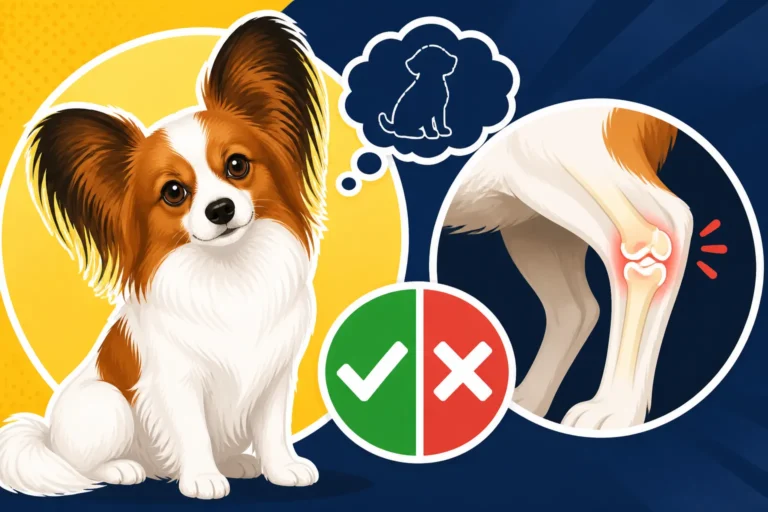
One of the most common orthopedic issues in Papillons is patellar luxation, where the kneecap slips out of place. It's not uncommon for Papillons to have knees that slip, sometimes from puppyhood, sometimes developing later. While some cases are mild and might just present as an occasional "skip" in their step, others can be severe, causing pain and lameness, and potentially leading to arthritis down the line. When a Papillon's kneecap slips to a higher grade of luxation, or causes chronic pain, surgery often becomes the recommended course of action.
The cost of this surgery, which might involve reshaping the bone or deepening the groove where the kneecap sits, can be substantial. And here's the kicker: it's not always a one-and-done situation. Some dogs may need surgery on both knees, or may require follow-up procedures or long-term management for arthritis that develops later. This is where an uninsured owner can face thousands of dollars in veterinary bills, a sum that few people have readily available in an emergency fund. For more detail on this condition, read What Patellar Luxation Does to a Papillon.
Dental Disease: More Than Just Bad Breath
Papillons are known for their small jaws, which can lead to crowded teeth. This crowding, combined with their propensity for tartar buildup, makes them highly susceptible to dental disease. It’s not just an aesthetic issue; severe dental disease can lead to pain, infection, tooth loss, and even systemic health problems affecting the heart, kidneys, and liver. Regular professional dental cleanings under anesthesia are crucial for Papillons, often starting earlier in life than for larger breeds.
A single dental cleaning, especially if extractions are required, can be surprisingly expensive. Factor in pre-anesthetic bloodwork, the anesthesia itself, dental X-rays to assess root health, the cleaning, and any necessary extractions, and the bill adds up quickly. Over a Papillon's long lifespan, these procedures might be needed every year or two. Uninsured owners often regret not having coverage when facing multiple dental procedures over their dog's lifetime, recognizing that the cumulative cost far exceeds what a monthly premium would have been. You can find more about this in How Common Dental Disease Is in Papillons.
Age-Related Illnesses and Their Financial Impact
Papillons are renowned for their impressive longevity, often living well into their teens. While a long life is a wonderful gift, it also means a greater likelihood of encountering age-related health issues. Just like people, older dogs can develop heart murmurs, kidney disease, diabetes, or even cognitive dysfunction. Managing these conditions often requires ongoing medication, frequent veterinary visits, specialized diets, and diagnostic tests.
For an older Papillon, these expenses can become a constant drain on resources. Imagine a senior Papillon needing daily heart medication, or monthly blood tests to monitor kidney function, or specific prescription food from a place like Chewy or Ollie to manage a sensitive stomach or failing organs. These aren't one-time costs; they are lifelong commitments that can significantly impact a household budget. Owners without insurance often find themselves making difficult decisions about continuing care versus quality of life, a heart-wrenching position no one wants to be in. Consider reading Caring for a Papillon Past Eleven for more insights.
The Weight of Regret: Stories from Uninsured Owners
The regret often manifests as a heavy feeling of guilt, disappointment, or even anger at oneself for not having planned better. It’s not just about the money; it’s about the stress it places on the owner and the potential impact on the beloved pet's quality of life. I’ve heard countless stories from owners who, in hindsight, wished they had invested in insurance from the start.
Imagine Sarah, whose five-year-old Papillon, Pip, suddenly yelped in pain after a small jump off the sofa. An emergency vet visit revealed a severe patellar luxation requiring immediate surgery. Sarah hadn't budgeted for such an expense, assuming Pip was invincible. The bill for diagnostics, surgery, and post-op care mounted quickly, forcing her to dip into her emergency savings earmarked for something else entirely. She regretted not having insurance, wishing she had considered that a small dog is still a dog, prone to injury. She could have looked into Healthy Paws for instance.
Then there’s Mark, whose beautiful older Papillon, Fifi, started showing signs of advanced dental disease. Despite regular home brushing, Fifi needed multiple extractions. Mark remembered his breeder warning him about Papillon dental issues but had dismissed it, thinking a cleaning couldn't be that expensive. Now, facing a bill for thousands and realizing Fifi might need this every couple of years, he lamented not having a policy that could ease the burden of these frequent, necessary procedures. He confessed, "I thought I could just save up, but life happens, and that money was never there when I needed it."
The Emotional and Financial Strain
The true cost of skipping insurance isn't just the dollar amount on the vet bill; it's the emotional anguish of trying to find those funds, sometimes quickly. It's the anxiety of wondering if you can afford the best possible care for your companion. In extreme cases, owners may have to make agonizing decisions about treatment options, sometimes opting for less aggressive (and less effective) care, or even euthanasia, not because it's the best medical choice, but because it's the only affordable one. This is the deepest form of regret, knowing you couldn't provide everything your pet deserved due to financial constraints.
The mental load of managing a sick pet's care without financial support can also strain relationships and personal well-being. Sleepless nights spent worrying about payment, the scramble to find extra shifts at work, or the guilt of delaying other financial goals all contribute to a stressful environment that no pet owner wants to experience. The peace of mind that insurance can offer, knowing that a significant portion of unexpected vet bills will be covered, is invaluable.
Missed Opportunities for Preventative Care
Sometimes, the regret isn't just about covering emergencies, but about having the freedom to pursue preventative or diagnostic care that might catch issues early. Without insurance, owners might hesitate to approve extra tests, like annual bloodwork or a cardiac exam, if their Papillon seems outwardly healthy, fearing the potential cost. This hesitation can mean that subtle health problems, which could be managed effectively if caught early, are missed until they become more advanced and expensive to treat.
For example, a Papillon with an undiagnosed heart murmur might not get the regular cardiac ultrasounds it needs, simply because the owner fears the specialist costs. By the time symptoms become obvious, the condition might be much harder and more expensive to manage. Insurance can encourage proactive care by making these diagnostics more accessible, potentially improving a Papillon's quality of life and even extending it. Learning about What a Papillon's Yearly Bloodwork Should Cover can highlight some of these important preventative measures.
Preparing for the Future: Emergency Funds vs. Pet Insurance
So, what's the takeaway for Papillon owners? The choice between an emergency fund and pet insurance isn't always straightforward, and many owners actually opt for a combination of both. What is clear is that having some financial safety net is absolutely crucial for the long-term health and well-being of your Papillon.
An emergency fund is a great start. It's money set aside specifically for unexpected expenses, readily available when you need it. However, the challenge with a fund is that it can take a long time to build up to a sufficient level, and a single major medical event can easily deplete it. For instance, a complex surgery for patellar luxation or an emergency visit for a sudden illness could easily exceed several thousand dollars, a sum that might take years to save. Furthermore, if you have multiple pets, one emergency can wipe out a fund meant for all of them.
Building a Robust Emergency Fund
If you choose to self-insure, be realistic about the amount you need to save. For a Papillon, a few thousand dollars might cover a single dental procedure or a minor injury, but a serious illness or multiple conditions could quickly surpass that. Aim to have enough saved to cover at least one major surgery and several months of potential follow-up care or long-term medication. This means consciously setting aside money every month, perhaps through an automatic transfer to a dedicated savings account.
Consider the common issues Papillons face. If your dog has a history of knee issues, even mild ones, factor in the potential cost of surgery down the line. If dental health is a recurring theme in the breed, budget for annual professional cleanings. Regularly reviewing What a Papillon Costs Over Its Lifetime can help you estimate what you might need. The downside, of course, is that emergencies rarely wait until your fund is fully stocked.
The Benefits of Pet Insurance
Pet insurance, on the other hand, offers a different kind of safety net. For a regular monthly premium, it provides coverage for unexpected illnesses and accidents, often including diagnostics, surgeries, and medications. While it typically doesn't cover routine wellness exams or pre-existing conditions, it can be a lifesaver for those truly catastrophic events that can drain an emergency fund in a single go. Companies like Healthy Paws offer various plans that might suit different budgets and needs, helping to mitigate the financial shock of a major illness or accident.
Many owners find that the peace of mind offered by pet insurance is worth the monthly premium. It allows them to focus on their Papillon's recovery rather than agonizing over the bill. When choosing a plan, pay close attention to the deductible, reimbursement percentage, and annual limits. Look for policies that offer good coverage for issues common in Papillons, such as orthopedic conditions or comprehensive dental coverage (if available as an add-on). You might want to consider When a Papillon Should Be Insured to ensure you're covered before issues arise.
Balancing Both Approaches
Ultimately, many Papillon owners find that a balanced approach is best. Having a modest emergency fund for smaller, routine unexpected costs (like a sudden upset stomach or an ear infection) while carrying a comprehensive pet insurance policy for major illnesses, accidents, and surgeries, provides the most robust financial protection. This way, you're prepared for both the everyday "oops" moments and the truly devastating financial blows.
The regret of uninsured Papillon owners often stems from realizing too late that the financial demands of their beloved pet's health were far greater than they anticipated. Whether you choose to self-insure with a substantial emergency fund or opt for a pet insurance policy (or both!), proactive financial planning is the key to ensuring you can always provide your Papillon with the care they deserve throughout their long and happy life.
| Common Papillon Health Concerns | Typical Financial Impact (Without Insurance) | Considerations for Uninsured Owners |
|---|---|---|
| Patellar Luxation (Surgery) | Significant to Very High | Requires substantial savings, may need bilateral surgery, ongoing arthritis management. |
| Dental Disease (Cleanings/Extractions) | Moderate to Significant, Recurring | Frequent procedures over lifespan, cumulative cost adds up. |
| Progressive Retinal Atrophy (PRA1) | Moderate (diagnostics, living adjustments) | While no cure, diagnosis costs and adaptive measures can accumulate. The DNA Test for Papillon Retinal Atrophy costs are separate. |
| Hypoglycemia (Puppies) | Low to Moderate (emergency visits, monitoring) | Acute care can be costly; often outgrown but requires vigilance. |
| Collapsing Trachea | Moderate to Significant (medication, diagnostics) | Chronic condition, requires ongoing management and potential emergencies. |
| Cancer (Senior Papillons) | Very High | Diagnostics, chemotherapy, surgery can be extremely expensive. |
| Heart Disease | Moderate to High (medication, diagnostics) | Long-term medication, regular specialist visits. |
Disclaimer
This article is for general informational purposes only and does not constitute professional advice. Laws, prices and regulations vary by location and change over time. Consult a qualified professional for guidance on your specific situation.