Which Brushes a Papillon Owner Has to Buy
Anyone who has ever owned a Papillon knows that their beautiful, flowing coats are a huge part of their charm. But let's be honest, keeping that glorious fringe looking its best can feel like a full-time job if you don't have the right tools. It's not just about aesthetics; proper grooming is crucial for their skin health and comfort. This guide will walk you through the essential brushes and tools every Papillon owner needs in their arsenal to maintain that exquisite butterfly dog coat without the fuss and frustration.
Why Specific Brushes Are Essential for a Papillon's Coat
It's easy to look at a Papillon's long, silky coat and think any old brush will do. But trust me, as someone who has spent countless hours detangling and nurturing these beautiful coats, that couldn't be further from the truth. The wrong brush can cause breakage, skin irritation, and even make matting worse. Understanding the unique qualities of their coat is the first step toward choosing the right tools.
Understanding the Papillon Coat Type
The Papillon's coat is truly unique among many toy breeds. It's often described as a single coat, meaning it lacks the dense, fluffy undercoat that you find on breeds like Pomeranians or Shetland Sheepdogs. Instead, it's a long, flowing, fine, and silky outer coat with beautiful feathering on the ears, chest, legs, and tail. This absence of a thick undercoat is why they typically shed less than many other breeds, which is a huge plus for many owners. However, this doesn't mean it's low maintenance. That fine, silky texture, while stunning, is also prone to static, tangles, and matting, especially in high-friction areas or if neglected. It's a coat that absolutely demands regular attention, but with the right approach and tools, it's surprisingly manageable. You might wonder What a Papillon's Coat Is Made Of, and it's this unique structure that dictates our grooming choices.
The Pitfalls of Using the Wrong Brush
Using a brush not suited for a Papillon's delicate coat is a common mistake I see. A stiff bristle brush, for example, might be fine for a short-coated breed, but on a Papillon, it can snag, pull, and break their fine hair, leading to frizz and damage. Similarly, a brush with excessively sharp pins can scratch their delicate skin, causing irritation or even brush burn. Even worse, if you only brush the top layer of their coat, you're missing the denser hair closer to the skin, which is where mats often start insidiously. These hidden mats can become painful, pulling on the skin and potentially leading to skin infections if moisture gets trapped underneath. The key is to find tools that can gently but effectively penetrate their long hair to the skin without causing discomfort or damage.
Maintaining Coat Health Beyond Aesthetics
Grooming isn't just about making your Papillon look pretty for the show ring or Instagram. It's a fundamental part of their health and well-being. Regular brushing stimulates blood flow to the skin, which promotes a healthy coat and distributes natural oils. It also allows you to check for any skin issues, parasites, lumps, or bumps that might otherwise go unnoticed. Mats, if left unattended, can restrict movement and cause significant pain. Imagine having a knot in your hair that pulls every time you move – that's what a mat feels like for your dog. For a breed known for its agility and spirited play, discomfort from a matted coat can genuinely dampen their zest for life. This is why learning Why a Papillon's Long Coat Takes Twenty Minutes a Week is time well spent, for both of you.
The Essential Brushes for Your Papillon's Daily Care
When it comes to daily or every-other-day grooming, a few key brushes are absolutely non-negotiable for Papillon owners. These are the workhorses that keep tangles at bay and prevent minor knots from escalating into full-blown mats.
The Pin Brush: Your Everyday Hero
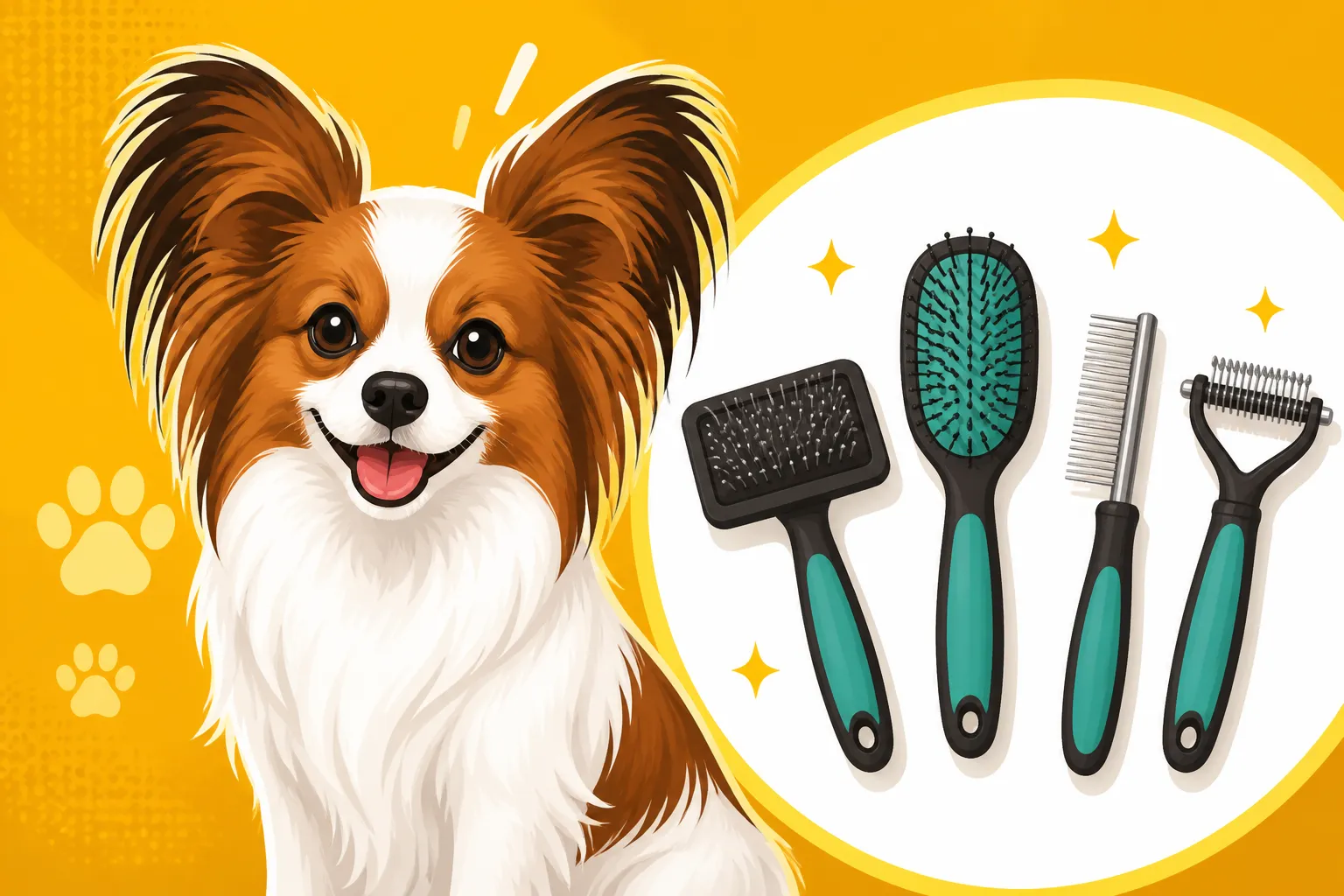
The pin brush is, hands down, the most versatile and important brush in your Papillon grooming kit. It typically features long, widely spaced metal pins with rounded tips, set into a soft rubber cushion. These rounded tips are crucial because they glide through the coat without scratching the skin, while the length of the pins is designed to penetrate all the way down to the skin.
I recommend a good quality pin brush for daily brushing sessions. It's perfect for gently removing loose hair, small tangles, and preventing mats from forming. When you use it, always brush in layers, starting from the ends and working your way up to the roots, holding the hair above where you're brushing to minimize pulling. For your Papillon, choose a pin brush with pins that are long enough to reach through their long hair. A common question is Whether a Pin Brush Suits a Papillon, and the answer is a resounding yes, provided it's used correctly and the pins are suitably rounded.
The Slicker Brush: Tackling Light Tangles
While the pin brush is excellent for general maintenance, the slicker brush steps in when you encounter a few stubborn tangles or need a bit more power to remove loose undercoat (though Papillons don't have a true undercoat, they do shed fine hairs). A slicker brush has a rectangular head covered in many fine, short, wire pins that are bent at an angle.
Use a slicker brush with a very light hand, especially on a Papillon. It’s effective for getting out small snags and smoothing the coat, particularly on the fringes and culottes. The key is to use short, gentle strokes, lifting the brush off the coat after each stroke rather than dragging it. Pay close attention to areas like behind the ears, under the front legs, and the "culottes" on their hindquarters, as these are common spots Where a Papillon Mats. While a slicker brush can be very effective, being too heavy-handed can cause skin irritation or pull out healthy hair. This is why understanding Whether a Slicker Suits a Papillon depends entirely on how it's wielded.
The Metal Comb: Getting to the Roots
The metal comb is often overlooked, but it's arguably just as important as the brushes, especially for ensuring you've completely removed any tangles close to the skin. You'll want a sturdy, good quality metal comb with both wide and fine-toothed sections.
After you've gone through the coat with your pin and slicker brushes, use the metal comb to double-check your work. Start with the wide-toothed side, then move to the fine-toothed section. Gently comb through the coat, section by section, starting at the tips and slowly working your way down to the skin. If the comb snags, stop, go back with your pin or slicker brush, and work out the tangle before trying the comb again. The metal comb is your best friend for identifying those sneaky little knots that the brushes might have missed. It ensures you're truly reaching the entire coat, as discussed in Which Comb Reaches a Papillon's Skin. It's also invaluable for tidying up the beautiful ear fringes and tail plume.
| Tool Type | Description | Primary Use for Papillons | Frequency of Use | Important Tip |
|---|---|---|---|---|
| Pin Brush | Metal pins with rounded tips set in a rubber cushion. | Daily maintenance, detangling, removing loose hair. | Daily | Always brush in layers, starting from the ends and working towards the roots. |
| Slicker Brush | Fine, bent wire pins on a rectangular head. | Tackling light tangles, smoothing coat, feathering. | As needed, gently | Use very light, short strokes; lift after each stroke to avoid pulling. |
| Metal Comb | Two sections: wide and fine-toothed metal teeth. | Checking for hidden tangles, parting hair, finishing touches. | After brushing | Use to ensure comb glides freely from root to tip; tackle snags with a brush. |
| Dematter Tool | Raked blades or sharp teeth for cutting through mats. | Removing stubborn, felted mats (last resort). | Rarely, as needed | Use with extreme caution; always protect skin beneath; consider professional help. |
Specialty Tools for Papillon Grooming Challenges
Even with regular brushing, you might encounter situations that call for a bit more specialized equipment. These tools are designed to handle specific problems, like persistent mats or routine maintenance aspects beyond just the coat.
Dematter Tools: When Tangles Turn Serious
Sometimes, despite your best efforts, a mat can form that just won't budge with a regular brush. This is where a dematter tool comes in, but it's crucial to understand that these are a last resort and must be used with extreme caution. Dematter tools usually have sharp, curved blades or raked teeth designed to cut through felted hair.
Before reaching for a dematter, try to gently tease apart the mat with your fingers, or use a detangling spray and your pin brush. If it's truly solid, hold the mat at its base closest to the skin to prevent pulling, and use the dematter tool with short, careful strokes. Never pull the tool through the mat without protecting the skin underneath. These tools can be dangerous if used improperly, potentially cutting your dog's skin. If a mat is very large or close to the skin, it's always safer to consult a professional groomer or your vet, as they have the expertise and specialized clippers to remove them safely.
Detangling Sprays and Conditioners
For Papillons, detangling sprays and leave-in conditioners are not just a luxury; they're often a necessity. Their fine hair can tangle easily, and these products can make your grooming sessions much more pleasant for both of you.
Apply a light mist of detangling spray before you begin brushing, especially on dry hair. This helps to lubricate the hair shaft, making it easier for the brush to glide through and reducing static, which is a major contributor to tangles. Look for sprays specifically formulated for dogs, preferably those with conditioning ingredients that won't irritate their skin. Some owners even use a tiny amount of human leave-in conditioner diluted with water, but always ensure it's dog-safe and patch test first. Brushing a dry, brittle coat can cause more breakage, so remember Whether a Papillon Should Be Brushed Damp is often a good strategy, with the help of these sprays. Using a good detangler can also help with Whether Detangler Helps a Papillon when dealing with stubborn knots.
Nail Trimmers and Grinders: More Than Just the Coat
While not directly for the coat, nail care is an absolutely vital part of a Papillon's overall grooming routine, and directly impacts their comfort and mobility. Overgrown nails can cause pain, affect their gait, and even lead to orthopedic issues over time, like splayed toes or pressure on their paw pads.
You have a couple of options: traditional guillotine-style nail clippers or a dremel-style nail grinder. Whichever you choose, make sure it's appropriately sized for your Papillon's small nails. Introduce nail trims early and make it a positive experience with treats and praise. Be careful not to cut into the quick (the pink part inside the nail that contains blood vessels and nerves), as this is painful and will cause bleeding. If you're unsure, just take off the very tip, or consider using a grinder, which allows you to gradually file the nail down, reducing the risk of hitting the quick. Regular nail trims are essential; they allow your dog to walk correctly and confidently, which is especially important given the breed's propensity for Patellar Luxation Is the Papillon Problem You Will Actually Meet. You also need to keep their feet neat; consider Whether a Papillon's Feet Need Trimming to prevent hair from growing too long around the pads, which can make them slip.
Beyond the Brush: Complementary Grooming Tools
A comprehensive grooming routine extends beyond just brushing the coat. There are other tools and products that play a crucial role in keeping your Papillon clean, comfortable, and healthy from nose to tail.
Grooming Wipes and Ear Cleaners
Papillons, with their glorious butterfly ears, require special attention to their ear health. Their long ear fringes can sometimes trap dirt or food, and while the ears themselves are open and generally well-ventilated, regular checks are still important.
Grooming wipes, particularly those designed for pets, are fantastic for quick clean-ups around the eyes, mouth, and paws after walks or meals. They're gentle and convenient. For the ears, a veterinarian-approved ear cleaner is a must-have. You can gently wipe the visible parts of the ear with a soft cloth or cotton ball dampened with cleaner. Never insert anything into the ear canal itself. If you notice any redness, foul odor, excessive scratching, or discharge, it's time for a vet visit, as these could be signs of an ear infection. Even with their generally healthy ears, it’s good to know How Often a Papillon's Ears Need Cleaning.
Shampoo and Conditioner Choices
Bathing your Papillon isn't an everyday event, but when it's time for a bath, having the right shampoo and conditioner is key to maintaining their coat's health and luster.
Look for a high-quality, pH-balanced dog shampoo that is gentle and moisturizing. Avoid human shampoos, as they can be too harsh for a dog's skin. A conditioning shampoo or a separate dog conditioner can make a huge difference in keeping their silky coat manageable, reducing static, and preventing tangles after the bath. It helps to keep the hair smooth, making brushing easier once the coat is dry. Always rinse thoroughly to ensure no residue is left behind, which can irritate the skin or dull the coat. After bathing, gently towel dry, then use your pin brush and a blow dryer on a cool or low heat setting to dry their coat completely.
The Importance of a Grooming Routine
Establishing a consistent grooming routine from an early age is perhaps the most important "tool" you can have. Papillons thrive on routine, and positive grooming experiences will make your life (and theirs!) so much easier.
Start grooming sessions when your Papillon puppy is relaxed and introduce each tool gradually, pairing it with praise and high-value treats. Keep sessions short and positive, gradually increasing the duration as your dog becomes more comfortable. Regularity is key: a quick brush every day or two will prevent large mats and make bigger grooming sessions less daunting. This consistent care isn't just about their physical appearance; it builds trust between you and your dog, reinforces good behavior, and makes them comfortable with handling, which is essential for vet visits and other necessary examinations throughout their long life. A well-groomed Papillon is a happy, comfortable, and healthy Papillon, ready to charm everyone with their magnificent ears and lively spirit. It's truly a cornerstone of The First Year With a Papillon Puppy and beyond.
Disclaimer
This article is for general informational purposes only and does not constitute professional advice. Laws, prices and regulations vary by location and change over time. Consult a qualified professional for guidance on your specific situation.