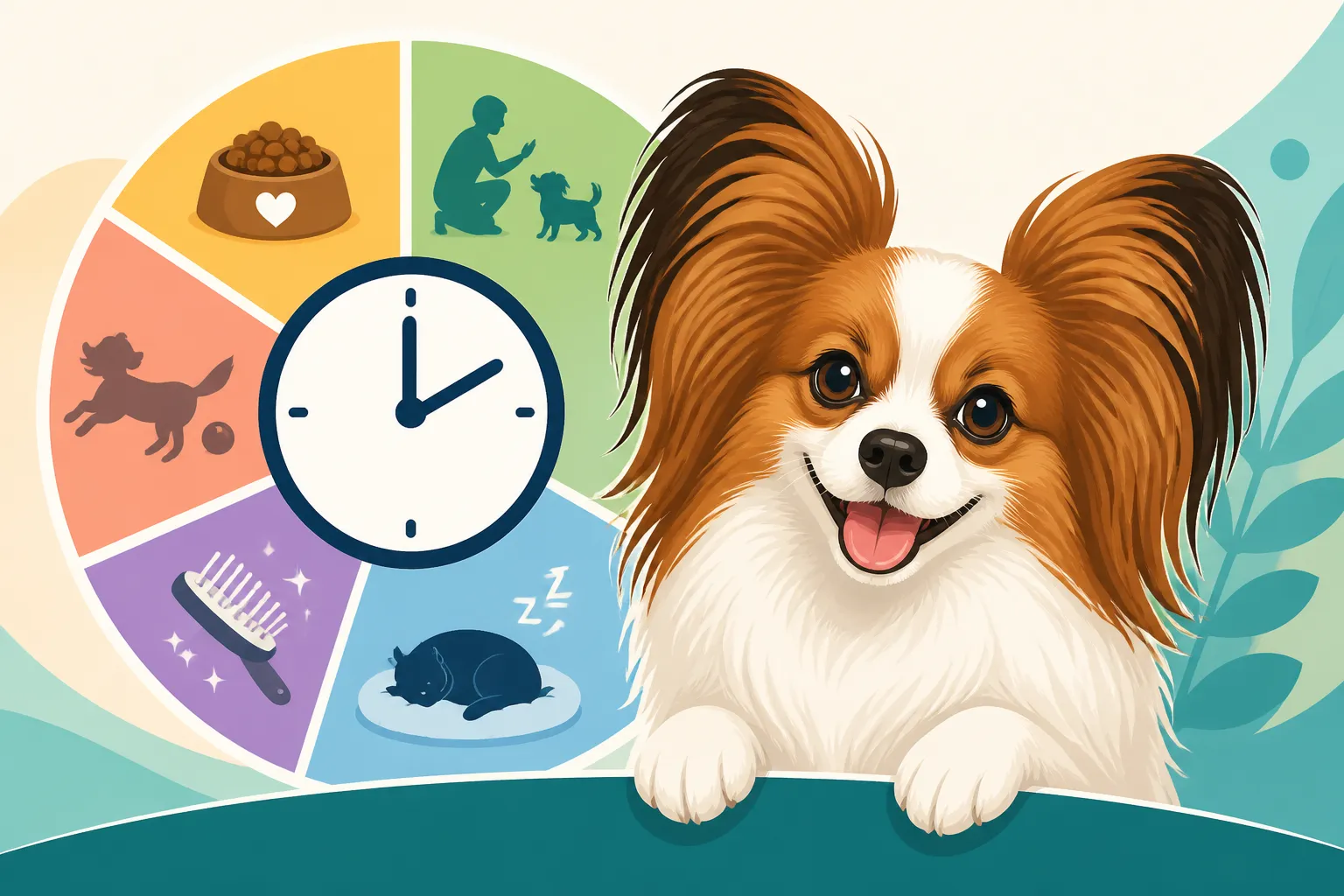
How Much Time a Papillon Takes Each Day
It's easy to look at a small dog like a Papillon and think, "Oh, they must be so low-maintenance!" After all, they don't take up much space, and a tiny mouth means less food, right? But the truth is, while Papillons might be small in stature, they are giant in personality and needs, requiring a significant daily time commitment from their humans. This guide will help you understand the daily investment required to keep your butterfly dog happy, healthy, and thriving, dispelling the myth that small size equals minimal effort.
The Daily Rhythm: More Than Just Walks
Many people assume a tiny dog just needs a quick scamper in the yard, but that's a huge disservice to the energetic and intelligent Papillon. Their small size often hides a surprisingly robust need for both physical and mental activity, woven into the fabric of daily life.
Exercise Needs and Mental Stimulation
A Papillon, despite weighing only a few pounds, is far from a sedentary lap dog. These little athletes were bred to be active companions, and they genuinely enjoy stretching their legs and engaging their minds. You'll find that a simple stroll around the block might not cut it for their physical needs. They often need at least two good walks a day, lasting anywhere from 20 to 30 minutes each, where they can sniff and explore. It's not just about covering distance; it's about giving them sensory enrichment.
Beyond walks, active playtime is crucial. This might involve a game of fetch in the living room, chasing toys in a secure yard, or even working on a mini-agility course if you have one set up. Think about how a Papillon bounds and leaps; they have a surprising amount of energy to burn. Without adequate exercise, a Papillon can become bored and destructive, finding their own (often undesirable) ways to entertain themselves. They thrive on interaction, so these play sessions aren't just for exercise, but for strengthening your bond. If you're wondering How Much Exercise a Papillon Needs, it's more than you might initially assume for such a dainty breed!
Mental stimulation is just as important as physical exercise for these clever canines. Papillons are renowned for their intelligence, often ranking incredibly high among all dog breeds. This means their brains need a workout too! Incorporate puzzle toys that dispense treats, hide-and-seek games, or even just teaching new tricks throughout the day. These activities not only challenge their minds but also prevent boredom and the development of unwanted behaviors like excessive barking or anxiety. A mentally fatigued Papillon is a happy, well-behaved Papillon.
Grooming: Keeping That Butterfly Coat Pristine
That beautiful, flowing Papillon coat, with its distinctive ear fringe, is part of their charm, but it doesn't stay pristine on its own. While they don't have an undercoat and shed less than some double-coated breeds, their long, silky hair still requires consistent attention. Daily or at least every-other-day brushing is truly the minimum to prevent tangles and mats, especially behind the ears, in their "culottes" (the feathering on their hind legs), and on their tail plume.
A thorough brushing session can take 10-15 minutes, depending on the length and condition of your dog's coat. You'll need to work through the hair gently, ensuring you reach the skin to remove any loose fur and prevent matting. Over time, mats can become painful, pulling on the skin and even leading to skin infections. Beyond brushing, regular checks of their ears are important to ensure they are clean and free from debris. A Papillon's delicate teeth also require attention. Daily tooth brushing is ideal to prevent dental disease, which is incredibly common in small breeds, and can take a few minutes if your dog is cooperative. If you're curious about the specifics, we have a whole article on How Often a Papillon Needs Brushing.
Beyond the daily routine, there are other grooming tasks that demand time. Nails need to be trimmed regularly, usually every 2-4 weeks, to prevent them from growing too long and causing discomfort or affecting their gait. Baths are typically needed every few weeks or as your Papillon gets dirty, followed by thorough drying and brushing. These tasks might not be daily, but they are crucial for your Papillon's overall health and comfort, and each session adds to the total time commitment. Making grooming a positive experience from a young age can save a lot of struggle later on.
Training and Engagement: A Smart Dog's Demands
Papillons are often hailed as one of the smartest toy breeds, and that intelligence comes with its own set of responsibilities for their owners. They thrive on learning and interaction, which means you'll be spending a fair bit of time on training and general engagement.
Consistent Training Sessions
Due to their sharp minds, Papillons absolutely love to learn and excel at training. This doesn't mean hours of intense drills, but rather short, frequent sessions throughout the day. Five to ten minutes, two or three times a day, is far more effective than one long, tedious session. They can pick up new cues astonishingly quickly, often making you wonder if they're reading your mind! This innate cleverness makes them fantastic candidates for obedience, trick training, and even competitive dog sports like agility.
Consistent training isn't just about teaching commands; it's about building a common language and reinforcing your bond. It helps keep their minds sharp and prevents boredom. Teaching them things like "stay," "come," and "leave it" is important for their safety and your peace of mind. Remember, positive reinforcement works best with these sensitive souls. Harsh corrections can shut them down. You'll be amazed at How Fast a Papillon Learns a New Cue when you make it fun and rewarding. Utilizing high-value treats from brands like Chewy, which offers a vast selection, can make these sessions even more engaging and successful.
Socialization and Interaction
Papillons are companion dogs at their core, which means they thrive on human interaction. They don't do well being left alone for long periods and truly need to be a part of family life. This means dedicating time not just to structured activities, but simply to being with your dog. Cuddles on the couch, quiet moments while you work, or just having them follow you from room to room—all of this counts as interaction time and is vital for their emotional well-being.
Beyond family interaction, ongoing socialization is important. Papillons, like many small dogs, can sometimes be prone to "small dog syndrome" if not properly socialized. This means exposing them to new sights, sounds, people, and other well-behaved dogs regularly and positively. Trips to pet-friendly stores, walks in bustling parks, or even just sitting on a bench to observe the world can be valuable experiences. While they might be bold, it's crucial to manage these interactions carefully, ensuring they have positive experiences, especially around larger dogs. Without this consistent engagement, they can become anxious or overly protective.
Feeding and Basic Care: The Non-Negotiables
While the actual act of feeding might not take long, the underlying considerations and daily routines associated with a Papillon's basic care do add up. From meal prep to potty breaks, these elements require consistent attention every single day.
Meal Prep and Monitoring
Feeding a Papillon typically involves two meals a day for adults, and often three or four for puppies to help prevent hypoglycemia. While the portion sizes are small, the time commitment involves more than just scooping kibble. You need to prepare their food, ensure fresh water is always available, and then, crucially, monitor their eating habits. Papillons can sometimes be picky eaters, or they might occasionally skip a meal if something else has their attention. Noticing these changes quickly can be an early indicator of a health issue.
Choosing the right food is also part of the time investment. Researching high-quality kibble or fresh food options, such as those offered by Ollie, that cater to small breeds and their delicate digestive systems, takes time upfront. If you opt for a fresh food diet, there's the daily time commitment of portioning and preparing it. Even with kibble, you'll want to measure portions precisely, as it's easy for these tiny dogs to become overweight, which can put undue strain on their delicate joints. You can find out How Many Cups a Day an Adult Papillon Eats to ensure you're getting it right.
Potty Breaks and Health Checks
Potty breaks are a frequent, non-negotiable part of daily life with a Papillon, especially a puppy. While they can hold it longer as adults, puppies need to go out every few hours. Even adult Papillons typically need multiple trips outside throughout the day, often first thing in the morning, last thing at night, and several times in between. If you live in an apartment or during inclement weather, this can feel like a significant time drain. House training a Papillon can sometimes take a bit longer than with larger breeds, so patience and consistency are key.
Beyond bathroom trips, you'll naturally develop a routine of quick daily health checks. This might involve a quick visual scan for any lumps, bumps, or skin irritations, checking their eyes for discharge, and giving their ears a sniff for any signs of infection. While not lengthy, these brief moments of observation are crucial for catching potential issues early. For instance, being alert to any changes in their gait or reluctance to jump could be a sign of a knee issue, like patellar luxation, which is common in the breed. Having a good pet insurance policy, like those from Healthy Paws, can give you peace of mind that you'll have the financial support needed if a health issue requires significant vet time.
The "Hidden" Time: What Owners Often Underestimate
Beyond the structured activities, there's a whole layer of time commitment that often goes unacknowledged until you live with a Papillon. This "hidden" time is just as vital for their well-being and your enjoyment of their companionship.
Just Being Together: Companionship Time
Papillons are incredibly devoted and love to be near their people. This means that a significant portion of your day, whether you're working from home, watching TV, or moving about the house, will involve your Papillon being right there with you. They're often called "velcro dogs" for a reason! While it's not active engagement, it's a constant presence and a demand for your attention and affection, even if it's just a soft pat or a reassuring word. This constant companionship is a huge part of What a Papillon Does All Day.
For many Papillon owners, this isn't a burden but a joy. However, it does mean that if you're looking for a dog that's content to be in another room or spend long hours completely independent, a Papillon might not be the best fit. They genuinely thrive on being an integral part of your daily routine and will often remind you of their presence with a gentle nudge or a soft whine if they feel ignored. It's the silent agreement that you're their world, and they want to share every moment of yours.
Managing a Papillon's Environment
Creating a safe and enriching environment for a Papillon takes ongoing effort and time. Their small size makes them vulnerable to household hazards that larger dogs might easily navigate. For instance, jumping off high furniture like beds or sofas can put immense strain on their delicate knees. This often means dedicating time to training them to use ramps or pet stairs, or consistently lifting them down yourself. If you’re not actively managing this, you might be surprised by What Happens When a Papillon Is Dropped or jumps incorrectly.
You might also spend time making your home "Papillon-proof" by ensuring no small objects are left on the floor that could be swallowed, securing electrical cords, or setting up playpens to safely contain a puppy when you can't actively supervise. Furthermore, considering their comfort in different climates means time spent on ensuring they have appropriate bedding for warmth in winter or a cool spot in summer. All these preventative measures, which aren't always visible, are part of the daily time investment in keeping your small companion safe and happy. Setting Up a House That Protects a Papillon's Knees is a task that will save you time, worry, and potential vet bills in the long run.
Ultimately, a Papillon is a vibrant, intelligent, and deeply affectionate companion who will enrich your life in countless ways. But they are not a low-maintenance breed. Their physical, mental, and emotional needs demand a consistent daily investment of your time and attention. From spirited walks and engaging training sessions to thorough grooming and simple companionship, every minute you pour into your Papillon is returned tenfold in joy, loyalty, and that unmistakable butterfly charm.
| Activity Category | Daily Time Commitment (Adult Papillon, Estimated) | Key Considerations |
|---|---|---|
| Exercise | 45-60 minutes | Two brisk walks (20-30 mins each) plus active play sessions. Papillons are energetic and need to burn off steam. Mental stimulation through games or puzzle toys also crucial. |
| Grooming | 15-20 minutes | Daily brushing (10-15 mins) to prevent mats, especially on ear fringes, tail, and culottes. Daily teeth brushing (2-3 mins). Quick ear checks. Nail trims (every 2-4 weeks) and occasional baths add extra time. |
| Training/Mental | 10-20 minutes | Short, frequent training sessions (5-10 mins, 1-2 times daily) for obedience, tricks, or puzzle games. Papillons thrive on learning and need mental challenges to prevent boredom. Ongoing socialization. |
| Feeding & Care | 10-15 minutes | Two meals (5 mins each) with monitoring. Multiple potty breaks throughout the day (5-10 trips, quick each time, but adds up). Quick daily health checks (1-2 mins). |
| Companionship | Constant (passive) / 60+ minutes (active) | Papillons are "velcro dogs" and thrive on being with their people. While much of this is passive (them being near you), they require dedicated active cuddle time, petting, and general interaction. They do not do well being left alone for extended periods. |
| Environment Mgt. | Ongoing (situational) | Time spent ensuring a safe home: setting up ramps, moving hazards, cleaning up after them. This is less about active "tasks" and more about constant vigilance and preparation. This might involve research into products on Chewy to make your home safer, or budgeting for potential vet visits for joint care, which Healthy Paws can help with. |
| Total Active Time | Approx. 2-3+ hours daily | This doesn't include the passive companionship time, which is practically constant. This also varies significantly if you have a young puppy (more potty breaks, more intense training) or an aging Papillon (who might need more specialized care, as discussed in Caring for an Aging Papillon). |
Disclaimer
This article is for general informational purposes only and does not constitute professional advice. Laws, prices and regulations vary by location and change over time. Consult a qualified professional for guidance on your specific situation.