Whether a Papillon Makes a Therapy Dog
It’s a common misconception that only large, placid breeds like Golden Retrievers or Labradors have what it takes to be a therapy dog. Many small dog owners, especially those of us with spirited Papillons, often wonder if our little dynamos could ever truly excel in such a role. You see them brimming with personality, affection, and an eagerness to please, but then the barking starts, or they get a bit too excitable. This guide will delve into whether a Papillon can indeed make an exceptional therapy dog, exploring their unique strengths, potential challenges, and how to navigate the training process to bring comfort and joy to those in need.
Understanding What Makes a Therapy Dog
Before we even begin to think about whether our charming butterfly dogs can don the therapy vest, it's essential to understand what the role truly entails. A therapy dog isn't just a friendly pet; they are ambassadors of comfort, bringing a calming, positive presence to environments that can often be stressful, lonely, or overwhelming for people. This work requires a very specific set of characteristics, far beyond just being "cute."
Temperament is King for Therapy Work
When we talk about therapy dog temperament, we're looking for a canine who is, above all, unflappable. Imagine a bustling hospital hallway, a loud child's ward, or a quiet nursing home where an elderly resident might move unpredictably. A therapy dog needs to remain calm, gentle, and tolerant in every single one of these scenarios. They must genuinely enjoy interacting with strangers, often those who are vulnerable, frail, or even a little clumsy with their petting. An ideal therapy dog is not easily startled by strange noises, unusual equipment like wheelchairs or IV poles, or sudden movements. They should be inherently friendly, not just tolerating attention but actively seeking it out in a gentle, appropriate manner. This natural inclination towards calm, positive interaction is the bedrock upon which all other training is built. Without it, the dog, and subsequently the people they are meant to comfort, will likely be stressed.
Beyond just being friendly, a therapy dog needs to be extremely patient. They might be petted awkwardly, hugged a little too tightly by an excited child, or have their ears gently tugged. They need to lie still for long periods, perhaps by a bedside, offering a quiet, comforting presence. This isn't just about good manners; it's about a deep-seated inner calm that allows them to absorb and dissipate stress, rather than reflecting it. If a dog is prone to anxiety, shyness, or quick irritation, therapy work would be incredibly unfair to them and potentially unsafe for the people they encounter. It really comes down to their core personality and how they naturally view the world around them.
The Rigorous Training and Certification Process
Becoming a certified therapy dog is not a walk in the park; it involves specific training and evaluations designed to ensure the dog is suitable for the demanding environments they will enter. Most therapy dog organizations require dogs to first pass the Canine Good Citizen (CGC) test, which is a fantastic baseline for good manners and reliable obedience in public settings. This test covers things like accepting a friendly stranger, sitting politely for petting, walking on a loose leash, and reacting appropriately to distractions. It’s a true testament to a dog’s basic training and socialization, proving they can handle real-world situations with grace.
After CGC, dogs typically move on to specialized therapy dog evaluations. These tests simulate real-life therapy scenarios, assessing the dog's comfort with medical equipment, loud noises, crowded spaces, and various types of human interaction, including people using canes, wheelchairs, or speaking loudly. They test for things like "leave it" when food is dropped, remaining calm during a "clumsy pet" scenario, and maintaining focus despite distractions. This process ensures that both the dog and handler are prepared for the unpredictable nature of therapy visits, making sure that safety and comfort are paramount for everyone involved. Without this level of preparation, a dog might be more of a hindrance than a help, potentially adding stress rather than alleviating it.
The Papillon's Natural Aptitudes for Therapy Work
Given the rigorous demands, you might wonder how a small, often bouncy Papillon could possibly measure up. But don't let their delicate appearance fool you; Papillons possess several inherent qualities that make them surprisingly well-suited for therapy work, often excelling where larger breeds might struggle. Their unique blend of intelligence, affection, and compact size can be a winning combination.
Papillon Temperament: Affectionate and Alert
One of the Papillon's most endearing qualities, and a massive asset for therapy work, is their deeply affectionate nature. These little dogs thrive on human companionship and genuinely love to be close to their people. They often gravitate towards laps and cuddles, making them naturals at comforting individuals who might be feeling lonely or isolated. This isn't a forced affection; it's just who they are. They form strong bonds and seem to instinctively understand the power of a soft touch or a warm body nestled nearby. This inherent desire for connection is exactly what patients, residents, and students often need most.
Beyond their affection, Papillons are also remarkably alert and observant. They pay close attention to their environment and to the nuances of human emotion. This means a good Papillon therapy dog can often sense when someone needs a gentle nudge of comfort or when to simply sit quietly and offer a silent, reassuring presence. They aren't prone to being oblivious to their surroundings, which is crucial in dynamic settings like a hospital where staff and patients are constantly moving. Their bright, intelligent eyes seem to understand, and they often react with an appropriate calm or gentle approach, which is a testament to their keen perception. This combination of being deeply loving and keenly aware allows them to connect on a profound level with those they visit.
Papillon Intelligence and Trainability
If you've ever spent time with a Papillon, you know they are far from "just a pretty face." These dogs are renowned for their sharp minds and incredible eagerness to learn, often ranking among the most intelligent of all dog breeds. The Papillon Is the Smartest Toy Breed There Is is not just a catchy phrase; it's a widely acknowledged truth in the dog world. This high intelligence translates directly into exceptional trainability, which is absolutely critical for a therapy dog. They pick up new cues quickly, retain what they've learned, and are generally very keen to please their handlers.
This mental acuity means that teaching a Papillon the sophisticated behaviors required for therapy work – things like "visit," "leave it," "gentle," or patiently staying in a "down-stay" amidst distractions – comes quite naturally to them. They thrive on mental stimulation and enjoy the process of learning, making training sessions enjoyable and productive for both dog and handler. When you combine this intelligence with their typical "what can I do for you?" attitude, you have a dog that can master complex tasks and behave impeccably even in novel and challenging environments. Their ability to focus and follow commands, even under pressure, makes them reliable partners in therapy settings. Finding quality training resources, perhaps online courses from platforms like BAXTER & Bella, can be incredibly beneficial for channeling this intelligence effectively.
Their Small Size is an Asset
While some might see their small stature as a disadvantage, a Papillon's compact size is actually a huge asset in many therapy settings. They can easily be held or placed directly on a lap or hospital bed, providing direct, tactile comfort that might not be possible with a larger dog. For someone with limited mobility, simply petting a dog that is within easy reach can be a profound experience. Their light weight also means they can be moved around with ease, fitting into tight spaces, or sitting comfortably on a chair next to a resident in a nursing home.
Furthermore, their size can be less intimidating for individuals who might be nervous around dogs, especially children or those who have had negative experiences with larger breeds. A small, delicate Papillon can appear less threatening, making initial interactions much smoother and more inviting. This can be particularly true in pediatric wards or for patients recovering from trauma. The ability to physically get close without being overwhelming is invaluable, allowing for a deeper, more intimate connection with the people they are there to comfort. This often helps break down barriers and encourages engagement, which is the whole point of a therapy dog visit.
Potential Challenges and How to Address Them
No dog breed is without its quirks, and Papillons, despite their many virtues, do come with a few characteristics that potential therapy dog handlers need to be aware of and proactively manage. Recognizing these challenges upfront allows for effective training and preparation, ensuring that your Papillon can truly thrive in a therapy role without undue stress on themselves or the people they are visiting.
Managing the Papillon's "Big Dog" Personality
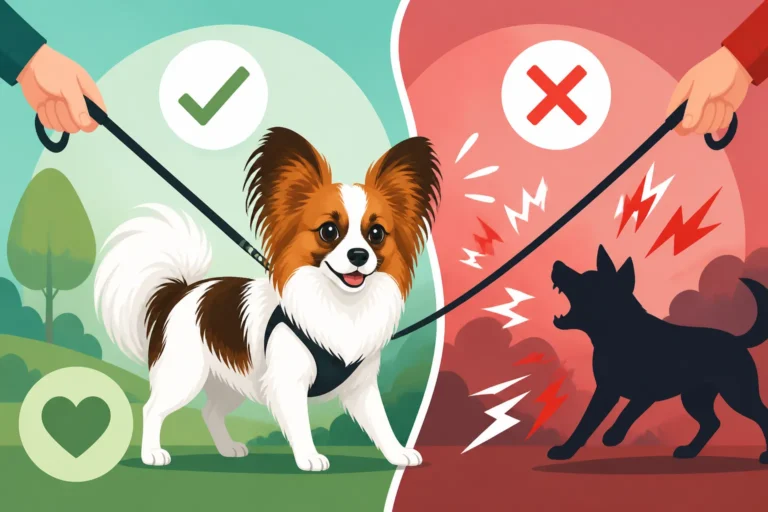
One of the most charming, yet sometimes challenging, aspects of a Papillon is their absolute conviction that they are, in fact, much larger than they actually are. They possess a fearless, spirited attitude that can sometimes manifest as unwarranted bravado, especially around bigger dogs. A Papillon Has No Idea It Is Small rings true for many owners! While this confidence is admirable in some contexts, it needs to be carefully managed in a therapy setting. You don't want your pint-sized ambassador trying to "correct" a larger, more placid therapy dog, or becoming overly bold with a nervous person.
The key here is consistent, positive reinforcement training and thorough socialization from a young age. Exposing your Papillon puppy to a wide variety of sights, sounds, people, and well-mannered dogs of all sizes in a controlled and positive way is crucial. This helps them learn appropriate social behavior and builds their confidence without fostering arrogance. Teaching a solid "leave it" and "focus" command is essential to redirect any overly enthusiastic or confrontational tendencies. The goal isn't to crush their spirit, but to channel it into polite, confident interactions. Utilizing resources found on platforms like Amazon for various training aids, such as different types of leashes or gentle head halters, can be useful in managing their movements and focus in public.
Addressing Barking Tendencies
Papillons are often very vocal little dogs, and their alert nature means they can be quick to announce anything they deem noteworthy – be it a squirrel, a delivery driver, or simply a leaf blowing by. The Papillon That Barks at Everything can sometimes feel like a daily reality for owners. While a little alert barking might be charming at home, excessive or prolonged barking is a significant drawback for a therapy dog. Imagine visiting a quiet library reading program or a calm hospice room with a dog that constantly barks; it would be disruptive and antithetical to the goal of providing comfort.
Addressing barking requires consistent training focused on a "quiet" cue and teaching them what is acceptable to bark at (e.g., a knock at the door, but not every passerby) versus what is not. Desensitization to common triggers is also vital. This might involve gradually exposing them to sounds or sights that usually trigger barking, rewarding them heavily for remaining silent. It’s important to understand why they are barking – is it fear, excitement, or a desire for attention? – and address the root cause. A Papillon needs to learn that quiet calm is rewarded, and that their job in a therapy setting is to observe and comfort, not to vocalize every observation. Early intervention and consistent training, perhaps following a structured online program such as those offered by BAXTER & Bella, can make a huge difference in managing vocalizations.
Health Considerations for Active Therapy Work
While Papillons are generally considered a healthy breed and can live long, fulfilling lives, their small size does bring some specific health considerations that are particularly important for a therapy dog who will be out and about regularly. One of the most common orthopedic concerns in the breed is patellar luxation, or slipping kneecaps. While many Papillons live full lives with minor or even unnoticeable patellar issues, any dog engaging in activity that involves walking on various surfaces, getting on and off furniture, or being handled frequently should have sound joint health.
A therapy dog needs to be comfortable and pain-free to truly enjoy their work. Regular veterinary check-ups are paramount, and potential therapy dogs should have their knees checked by a vet. For some, ramps or steps may be necessary at home to protect their joints, even if they aren't showing immediate signs of discomfort. It's also important to ensure they are at a healthy weight to avoid unnecessary strain on their tiny frames. Monitoring their energy levels and ensuring they get adequate rest between visits is also key. After all, a therapy dog who is uncomfortable or tired cannot effectively provide comfort to others. Patellar Luxation Is the Papillon Problem You Will Actually Meet is a good reminder to be vigilant about this common issue.
Preparing Your Papillon for Therapy Dog Certification
The journey to becoming a certified therapy dog is a commitment, but it's an incredibly rewarding one. With a Papillon, leveraging their natural intelligence and eagerness to please will be your greatest assets. It’s all about building a solid foundation through early experiences and systematic training.
Early Socialization and Exposure
The single most important factor in shaping a well-adjusted therapy dog of any breed is comprehensive, positive socialization, and for a Papillon, this starts the moment you bring them home. Expose your puppy to a vast array of people of all ages, sizes, and appearances – children, elderly individuals, people in wheelchairs, those with hats, glasses, or loud voices. Introduce them to different environments: quiet parks, bustling pet-friendly stores, veterinary clinics for happy visits (not just shots), and busy street corners. The goal is for your Papillon to view novel experiences not as threatening, but as normal and potentially rewarding.
Beyond just exposure, it’s about positive exposure. Pair every new experience with high-value treats and praise, making sure your Papillon associates these new sights and sounds with good feelings. If your dog shows any signs of fear or hesitation, don't force them; instead, retreat to a comfortable distance and gradually reintroduce the stimulus more gently. This early groundwork helps build a resilient, confident dog who is less likely to be startled or stressed in the unpredictable world of therapy visits. A well-socialized Papillon is a confident Papillon, and confidence is key for a dog that will be meeting many strangers.
Mastering Basic Obedience and Advanced Cues
Before you can even think about specific therapy dog behaviors, your Papillon needs to have rock-solid basic obedience. This means they should reliably respond to commands like "sit," "stay," "down," "come," and walking politely on a loose leash in a variety of environments, not just your living room. A good foundation in obedience ensures you have control and can keep both your dog and the people they're visiting safe. Many therapy dog organizations require dogs to pass the Canine Good Citizen test, which is an excellent benchmark for these skills.
Once the basics are mastered, you'll want to move on to more advanced cues relevant to therapy work. This includes commands like "leave it" (crucial for ignoring dropped food or medical equipment), "gentle" (to encourage soft interactions), "lap" or "visit" (to prompt them to approach and settle with a person), and a long "stay" command for extended periods of quiet comfort. Practice these skills in increasingly distracting environments. For example, practice "down-stay" in a busy park, or "leave it" around appealing dropped items. Papillons, with their high intelligence, often excel at learning these cues quickly. How Many Repetitions a Papillon Needs might surprise you; they often pick things up with very few tries! This journey of learning together also strengthens the bond between you and your dog, which is vital for a successful therapy team.
Finding the Right Therapy Dog Program
Once your Papillon is well-socialized and has a strong foundation in obedience, the next step is to find a reputable therapy dog organization to get certified through. There are several national and local organizations, each with slightly different requirements and testing procedures. Do your homework, read reviews, and choose an organization whose values align with yours. They will typically offer evaluations that test your dog's temperament and training in simulated therapy environments.
Preparing for these evaluations involves practicing in novel places and exposing your Papillon to the types of equipment they might encounter, such as wheelchairs, walkers, and hospital beds. Some organizations offer preparatory classes, which can be invaluable for pinpointing areas where your team might need more work. The goal is to set your Papillon up for success, ensuring they are not just capable, but genuinely enjoy the work. Passing the evaluation means your Papillon is ready to bring comfort and joy to countless individuals, a truly wonderful achievement for such a small but mighty dog. Whether a Papillon Passes a Canine Good Citizen Test is a great resource to understand the foundational requirements.
The Impact of a Papillon Therapy Dog
When a Papillon steps into the role of a therapy dog, their impact is often immediate and profound. Their small size, big personality, and innate ability to connect with people can create moments of genuine joy, comfort, and even healing in environments where these feelings are often scarce.
Bringing Joy to Hospitals and Nursing Homes
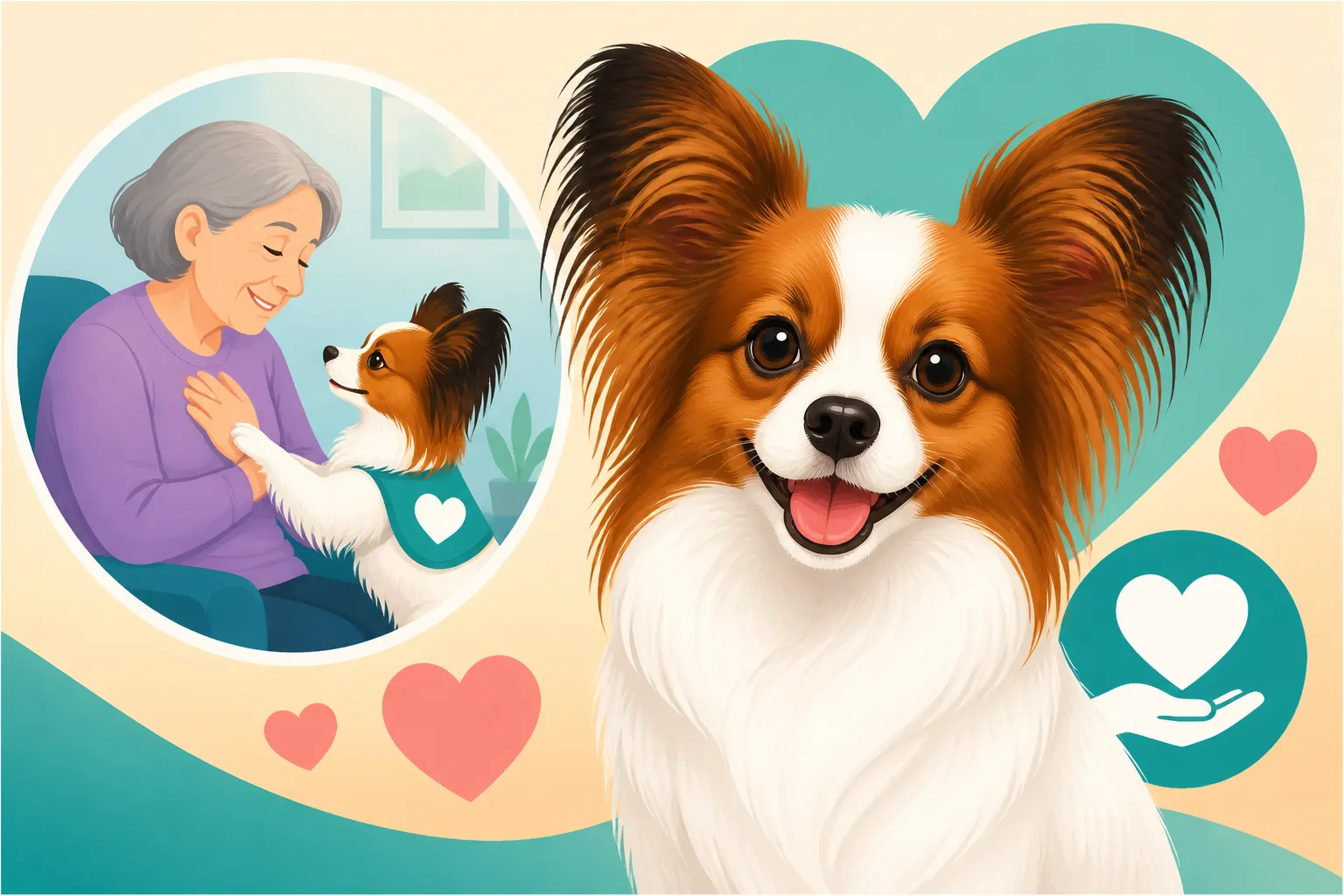
Imagine a hospital room, perhaps sterile and quiet, suddenly brightened by the soft pitter-patter of tiny paws and the gentle nuzzle of a Papillon's soft fur. In settings like hospitals, hospices, and nursing homes, therapy dogs provide a much-needed distraction from pain, loneliness, and boredom. A Papillon, with its cheerful disposition and eagerness to be petted, can bring a smile to faces that haven't smiled in days. For elderly residents, a Papillon on their lap can evoke cherished memories of pets from their past, providing a warm, comforting presence that reminds them of home. Their size makes them perfectly suited for lap cuddles, a highly valued form of therapy.
The interaction might be as simple as a gentle head rub, a soft sigh from the dog, or a moment of quiet connection, but these small gestures can reduce anxiety, lower blood pressure, and lift spirits. Many patients and residents look forward to these visits immensely, remembering the specific dogs and handlers who touched their lives. The compact nature of a Papillon means they can navigate crowded spaces with ease and comfortably settle in small areas, making them incredibly versatile visitors. They truly are little bundles of joy and warmth.
Supporting Children in Educational Settings
Therapy Papillons are also making incredible strides in schools and libraries, particularly in "reading to dogs" programs. For children who struggle with reading aloud or who feel self-conscious, reading to a non-judgmental, attentive dog can be incredibly empowering. A Papillon, with its calm demeanor and unwavering focus on the child, creates a safe and encouraging environment. The child can read at their own pace, make mistakes without fear of criticism, and gain confidence in their abilities. The dog offers unconditional acceptance, which is a powerful motivator for young learners.
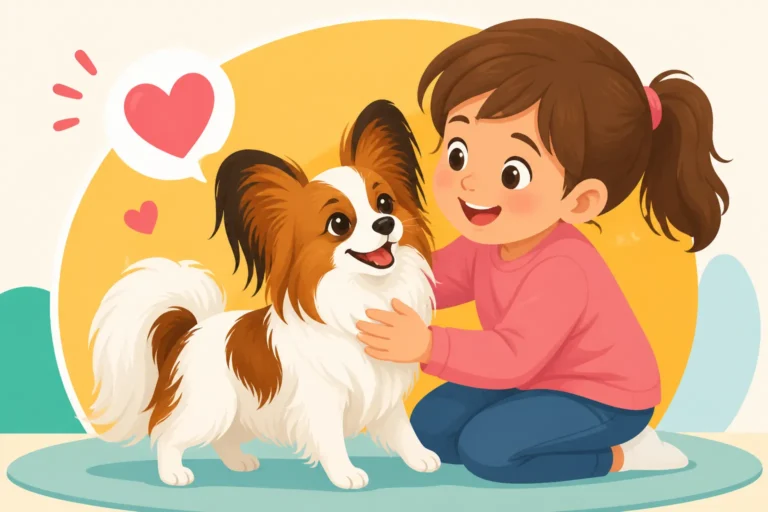
Beyond reading programs, Papillons can also visit special education classrooms, helping to calm anxious children or those with sensory sensitivities. Their soft fur and gentle presence can provide a soothing tactile experience, and their playful nature can encourage engagement and interaction among children who might otherwise be withdrawn. How a Papillon Behaves With Children shows they can be wonderful companions with appropriate boundaries, making them excellent partners in these sensitive environments. The presence of a small, friendly dog can transform a potentially stressful learning environment into a more relaxed and positive one, fostering emotional well-being and academic growth.
The Unspoken Bond and Mutual Benefits
The beauty of a therapy dog partnership, especially with a breed as intuitive as the Papillon, lies in the unspoken bond that forms, not just between the dog and the people they visit, but also between the dog and their handler. Therapy work is a team effort, and seeing your Papillon bring such profound joy and comfort to others is an incredibly rewarding experience. Handlers often describe a deep sense of purpose and pride in their dog's abilities, feeling that they are making a tangible difference in their community.
Moreover, the therapy work itself can be incredibly enriching for the Papillon. These intelligent and social dogs thrive on interaction and having a "job" to do. The positive attention, varied environments, and mental stimulation of therapy visits can keep them engaged and happy. For a dog that enjoys being the center of attention and soaking up affection, it's truly a win-win situation. The training process, the visits, and the quiet moments of connection all contribute to a richer, more fulfilling life for both the Papillon and their dedicated human partner. It truly highlights how much joy and healing can come from these small, but mighty, companions.
Therapy Dog Traits: Papillon vs. Ideal
To help visualize how the Papillon stacks up against the general traits sought in therapy dogs, here's a brief comparison:
| Trait | Ideal Therapy Dog (General) | Papillon (Specific Strengths/Considerations) |
|---|---|---|
| Temperament | Calm, gentle, friendly, patient, tolerant, confident | Naturally affectionate, alert, eager to please; can be spirited and confident (needs management) |
| Intelligence | Highly trainable, quick learner | Exceptionally intelligent, ranks high in obedience; thrives on mental stimulation, learns rapidly |
| Size | Any size, but manageable and non-intimidating | Small, lightweight, easily held/placed on laps/beds; less intimidating for nervous individuals |
| Socialization | Well-socialized to diverse people/environments | Requires extensive early positive socialization to manage "big dog" attitude and prevent shyness |
| Vocalization | Generally quiet, minimal barking | Can be prone to alert barking; requires consistent "quiet" training and desensitization |
| Physical Health | Sound health, comfortable with activity | Generally healthy; common patellar luxation needs vet checks and preventative care (e.g., ramps on Amazon) |
| Patience | Tolerates awkward petting, long stays | Generally patient and enjoys affection; can benefit from specific training for extended stillness |
| Adaptability | Adjusts well to new places/situations | Very adaptable with good socialization; keen observers, can read situations well |
| Motivation | Enjoys interaction, food/toy motivated | Highly food/praise motivated; genuinely loves human attention and having a "job" |
This table clearly illustrates that while Papillons have inherent strengths that make them excellent candidates, proactive training and management of certain breed traits are key to their success as therapy dogs.
Disclaimer
This article is for general informational purposes only and does not constitute professional advice. Laws, prices and regulations vary by location and change over time. Consult a qualified professional for guidance on your specific situation.