The Age a Papillon Can Start Jumping
One of the most common worries for Papillon owners, especially those with energetic puppies, is how to manage their dog's boundless desire to leap and bound without causing harm. It’s natural for these little butterflies to want to fly, but knowing when their tiny bodies are truly ready for the impact of jumping, particularly from heights or during structured activities like agility, is absolutely crucial for their long-term health and soundness. This guide will walk you through the important considerations, developmental stages, and safe practices for introducing your Papillon to jumping.
Understanding Your Papillon Puppy's Fragile Beginnings
When you bring home a Papillon puppy, you’re often greeted by a whirlwind of playful energy. They'll scale mountains (your sofa!), conquer vast landscapes (the living room rug), and leap from dizzying heights (the bottom stair) without a second thought. It's adorable, truly, but also a cause for a little bit of anxiety for us owners. The thing is, beneath all that fluffy charm and incredible zest for life, your Papillon puppy's body is still very much a work in progress.
The Science Behind Growth Plates and Puppy Joints
Puppies, just like human children, have what are called "growth plates" at the ends of their long bones. These are areas of cartilage that are actively producing new bone, allowing the bones to lengthen as the puppy grows. Imagine them as soft, vulnerable zones that haven't fully hardened into solid bone yet. If these growth plates are subjected to excessive stress, impact, or twisting motions before they've closed and ossified (turned into solid bone), they can be permanently damaged. This damage can lead to irregular bone growth, deformities, pain, and even premature arthritis later in life.
For a small breed like the Papillon, these growth plates typically remain open longer than in larger breeds, often not fully closing until they are around 10 to 12 months of age, and sometimes even a little later. This means that until then, every hard landing from a jump, every vigorous twist, or every high impact activity carries a significant risk. We want our Papillons to be active and happy, but we also need to protect these delicate structures during their formative months. Why a Papillon Should Not Jump Before a Year goes into more detail about these risks.
Patellar Luxation: A Papillon's Achilles' Heel
Beyond growth plates, Papillons are notoriously prone to patellar luxation, more commonly known as a slipping kneecap. The patella, or kneecap, is supposed to sit snugly in a groove at the end of the thigh bone (femur). When the patella slips out of this groove, it's called luxation. This can happen due to genetic predisposition, shallow grooves, or trauma. Jumping, especially repeated jumping or landing awkwardly, can significantly exacerbate an existing tendency or even contribute to the development of patellar luxation.
Imagine your little Papillon launching itself off the arm of the sofa, landing with all its tiny weight on those still-developing knees. That impact, even if it seems small to us, can be considerable for their delicate joints. Patellar Luxation Is the Papillon Problem You Will Actually Meet is a must-read for any Papillon owner, new or experienced. Waiting until your Papillon is physically mature and has developed strong supporting muscles around the knee joint is a huge step in mitigating this risk. Even then, consistent effort to prevent certain high-impact jumps will serve them well throughout their long lives.
Distinguishing Between Playful Leaps and Structured Jumping
When we talk about "jumping," it's important to differentiate between the spontaneous, often unavoidable leaps and bounds of a puppy and the more intentional, higher-impact jumping involved in activities like dog agility or even repeatedly jumping on and off furniture.
Casual Jumping: The Unavoidable Puppy Zoomies
Puppies will jump. It's a fact of life. They'll jump for joy when you come home, they'll bounce to greet you, and they'll try to reach that intriguing feather toy just out of grasp. This kind of spontaneous, low-impact jumping is generally less concerning than sustained or high-impact activity. It's part of their natural expression and developing coordination. We can't keep them in a bubble, nor should we.
However, even with casual jumping, we need to be mindful of surfaces and heights. A slip on a hardwood floor from a low jump can still cause a strain or sprain. And jumping off high furniture, like beds or sofas, is where the real risk begins. These are the kinds of activities we need to manage proactively.
Controlled vs. Uncontrolled Jumping: The Furniture Dilemma
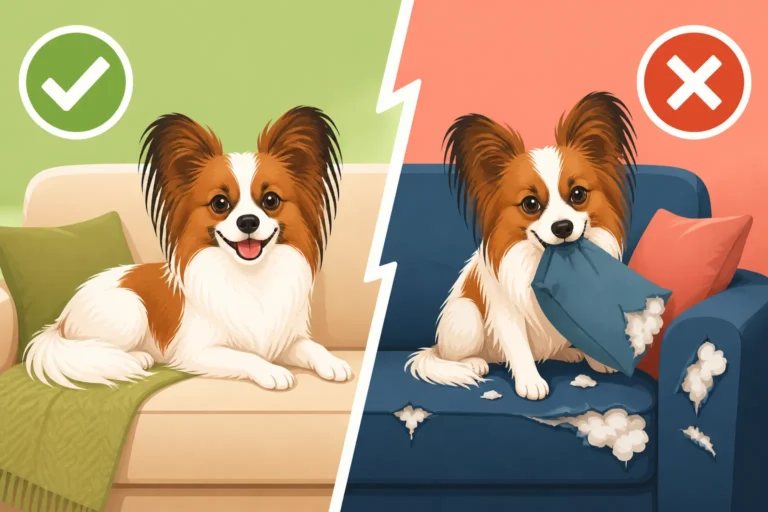
This is perhaps the biggest challenge for Papillon owners. Your pint-sized pup sees the sofa, your bed, or that comfy armchair as a perfectly climbable, jumpable object. And why wouldn't they? It's where you are! But for a small dog with developing joints, especially one prone to patellar luxation, these repeated impacts can be detrimental.
It's tempting to let them come and go as they please, but every single jump off a high piece of furniture puts stress on those vulnerable knees and elbows. This is where strategic intervention comes in. Investing in pet steps or ramps is not just a nice-to-have; it's a vital preventative measure. Brands like Amazon offer a wide variety of sturdy, low-incline ramps that can make all the difference. Setting Up a House That Protects a Papillon's Knees offers a more detailed look at how to make your home safe. Teaching them to use these aids from a young age is far easier than trying to break an established habit later on.
Structured Jumping: Agility and Other Sports
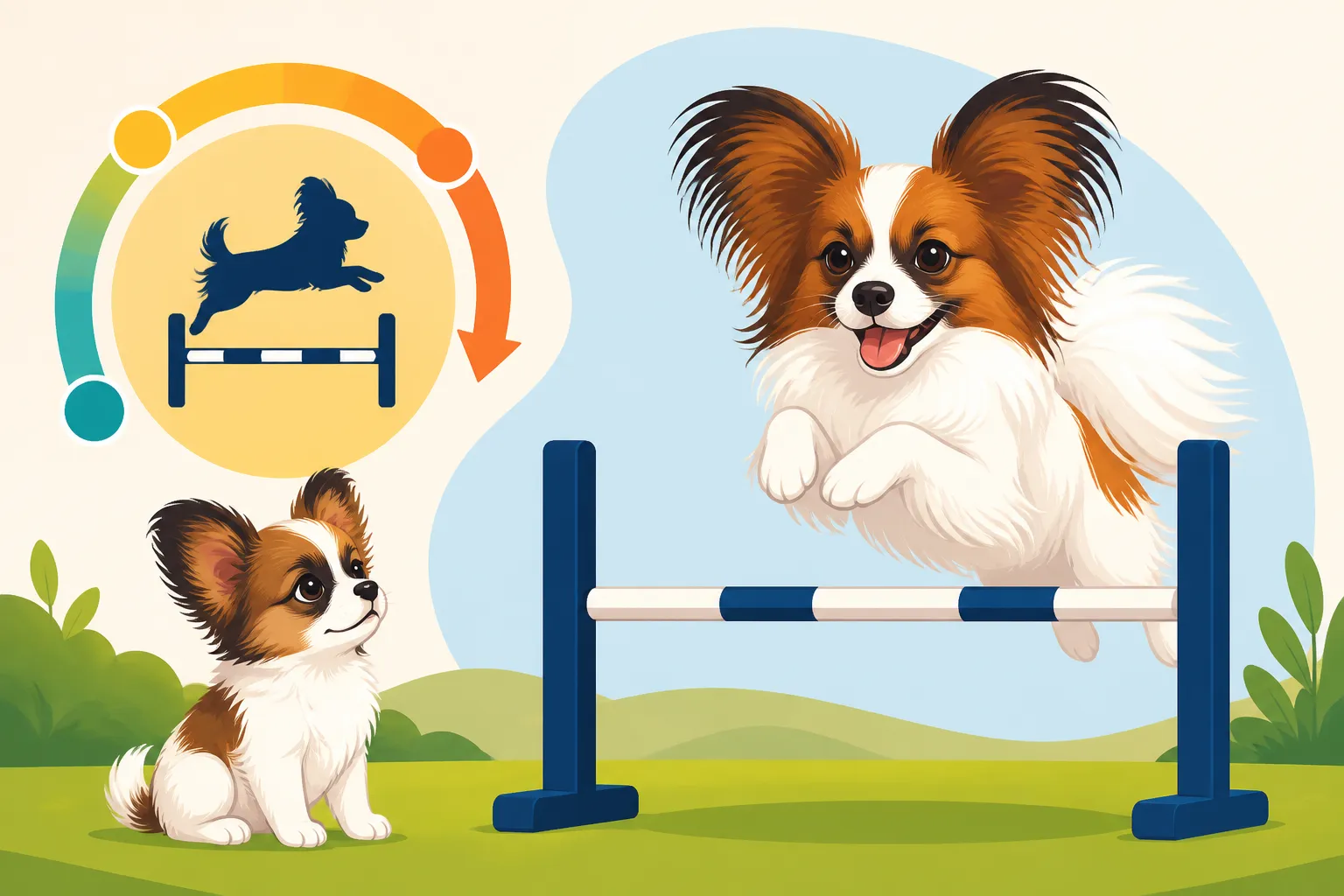
For those of us who dream of seeing our Papillons soar over agility jumps, this is where the strict age guidelines really come into play. Agility involves sustained periods of running, turning, weaving, and jumping over hurdles. These are high-impact activities that demand mature bones, strong muscles, and fully developed joints.
Starting a Papillon in formal agility training that includes jumping obstacles too early is a recipe for injury. Most reputable agility organizations and experienced trainers will advise against allowing a dog to jump at full height or repeatedly until their growth plates are fully closed and their musculoskeletal system is robust. This usually means waiting until at least 12 to 18 months of age, depending on the individual dog's development. We want them to have a long, healthy career in whatever sport they pursue, and patience is key here.
The Consensus: When is a Papillon Truly Ready to Jump?
So, after all this discussion about growth plates and patellas, what's the magic number? When can your Papillon finally start truly jumping and engaging in higher-impact activities?
The "Sweet Spot" Age Range
Generally speaking, most veterinarians and experienced Papillon breeders and trainers recommend waiting until your Papillon is between 12 and 18 months old before introducing any strenuous or repetitive jumping activities.
- 12 months: By this age, most Papillons have had their growth plates close. Their bones are more mature, and their bodies are better able to handle impact.
- 18 months: For more intense activities like agility, waiting closer to 18 months provides an even greater buffer, allowing for further muscle development and joint stabilization. This is especially true if your Papillon has shown any early signs of lameness or if there's a family history of joint issues.
This isn't just about avoiding immediate injury; it's about setting them up for a lifetime of soundness. Pushing them too hard too soon can lead to chronic issues that shorten their active years.
Individual Variation and Veterinary Consultation
It's vital to remember that these are general guidelines. Every single Papillon is an individual. Some might mature a little earlier, some a little later. Factors like genetics, nutrition, and overall activity level can influence physical development.
This is precisely why a thorough veterinary check-up is paramount before you ramp up any jumping activities. Your vet can assess your Papillon’s joint health, check for any signs of patellar luxation, and give you the all-clear based on their physical examination. They might even recommend specific strengthening exercises to prepare their body. Whether a Papillon Needs a Yearly Eye Exam and Whether a Papillon Needs a Cardiac Exam highlight the importance of regular vet checks for other health concerns, but a physical orthopedic exam is particularly crucial here.
Introducing Jumping Safely and Building Confidence
Once your vet gives the green light and your Papillon hits that mature age mark, you can start introducing jumping. But don't just throw them over a full-height agility jump! Gradual, positive reinforcement is the name of the game.
Starting Small: Low-Impact and Controlled Jumps
Think of it like easing into any new exercise routine. You wouldn't run a marathon without training, right?
- Start with very low obstacles: Use a broomstick on two books, or purchase a set of adjustable dog jumps where the bar can be placed almost on the ground. The focus at first is on the motion of jumping and building confidence, not on height.
- Short sessions: Keep training sessions brief and fun. A few minutes, two or three times a day, is much better than one long, exhausting session. Papillons are smart and enthusiastic but can get bored or tired if pushed too long.
- Proper technique: Encourage them to go over the jump, not through or around it. Use lures (a treat or toy) to guide them over cleanly. Praise and reward heavily for successful attempts.
- Warm-up and cool-down: Just like human athletes, dogs benefit from a brief warm-up before activity (a brisk walk, some playful tugging) and a cool-down afterwards.
The Role of Core Strength and Conditioning
Jumping isn't just about the legs; it's about the entire body. A strong core, good balance, and flexible muscles are all critical for safe and effective jumping.
- Balance exercises: Walking over uneven surfaces (like cushions or small planks), practicing paw targeting, or even using a wobble board can help build core strength and body awareness.
- Body awareness: Teach your Papillon to step over low objects, weave through your legs, or target their paws onto small platforms. These kinds of activities, which BAXTER & Bella's online training program often incorporates into its foundational lessons, help them understand where their body is in space, which is essential for navigating jump courses.
- Stretching: Gentle stretches after exercise can help maintain flexibility. Always consult with your vet or a canine physical therapist for appropriate stretching techniques.
Table: Safe Jumping Progression for Papillons
To help visualize the journey, here’s a simplified progression:
| Age Range | Focus | Activities Encouraged | Activities to Avoid (or strictly limit) |
|---|---|---|---|
| 8 weeks – 12 months | Bone & Joint Development, Basic Obedience | Short walks, supervised play, house training, early puppy classes. | Jumping off furniture, repetitive stairs, high jumps, rough play with large dogs. |
| 12 – 18 months | Muscle Strengthening, Body Awareness | Introducing pet steps/ramps, low-impact balance exercises, controlled walking. | Agility jumps, competitive sports, prolonged high-impact activities. |
| 18 months + | Gradual Introduction to Controlled Jumps | Low agility jumps (starting at minimal height), formal agility classes (if vet approved). | Over-training, extreme heights without proper conditioning. |
Remember, this table is a general guide, and your individual Papillon's readiness should always be assessed by a veterinarian.
Long-Term Health and Responsible Jumping Habits
Even after your Papillon is fully grown and cleared for jumping, the journey of responsible ownership continues. Their long life (Papillons can live How Long a Papillon Lives) means that consistent care and attention to their joint health are paramount.
Maintaining Optimal Weight and Muscle Tone
An overweight Papillon puts unnecessary strain on all its joints, especially the knees. Keeping them at a lean, healthy weight is one of the best things you can do to protect them from injury and reduce the risk of patellar luxation becoming problematic. Regular, appropriate exercise, combined with a balanced diet, is key. Even a couple of extra ounces on a five-pound dog is a significant percentage of their body weight.
Maintaining good muscle tone through regular exercise, like brisk walks and controlled playtime, also provides crucial support for the joints. Strong muscles act like natural shock absorbers and stabilizers.
Listening to Your Papillon: Signs of Discomfort
Our Papillons are often stoic little creatures, and they can hide pain remarkably well. It's up to us to be observant and notice any subtle changes that might indicate discomfort or injury.
- Limping or favoring a leg: Even a slight skip in their gait after a jump can be a warning sign.
- Reluctance to jump: If your usually enthusiastic jumper suddenly seems hesitant, it could be pain.
- Changes in behavior: Lethargy, irritability, or unusual vocalizations could all be indicators of pain or discomfort.
- Swelling or tenderness: Gently feel your dog's legs and joints for any heat, swelling, or sensitivity.
If you notice any of these signs, stop the activity immediately and consult your veterinarian. Early intervention is always best. Signs a Papillon's Kneecap Slips can help you identify specific issues related to patellar luxation.
Continued Preventative Measures
Even with a mature Papillon, continue to implement preventative measures in your home and daily routine.
- Ramps and steps for furniture: These are not just for puppies! Continue to provide easy, low-impact access to beds and sofas to minimize wear and tear on joints over their lifetime.
- Good traction indoors: If you have slippery floors, consider rugs or runners in high-traffic areas to prevent slips and falls that could lead to injury.
- Regular nail trims: Overly long nails can affect a dog's gait and balance, increasing the risk of awkward landings and joint strain. How Short a Papillon's Nails Must Stay for Agility highlights this importance for performance dogs, but it's true for all Papillons.
By taking a patient, informed, and proactive approach to your Papillon's physical development, you'll ensure they can enjoy a lifetime of joyful leaps and bounds, whether it's over agility jumps or simply into your waiting arms for a cuddle.
Disclaimer
This article is for general informational purposes only and does not constitute professional advice. Laws, prices and regulations vary by location and change over time. Consult a qualified professional for guidance on your specific situation.