How a Papillon Accepts a New Dog
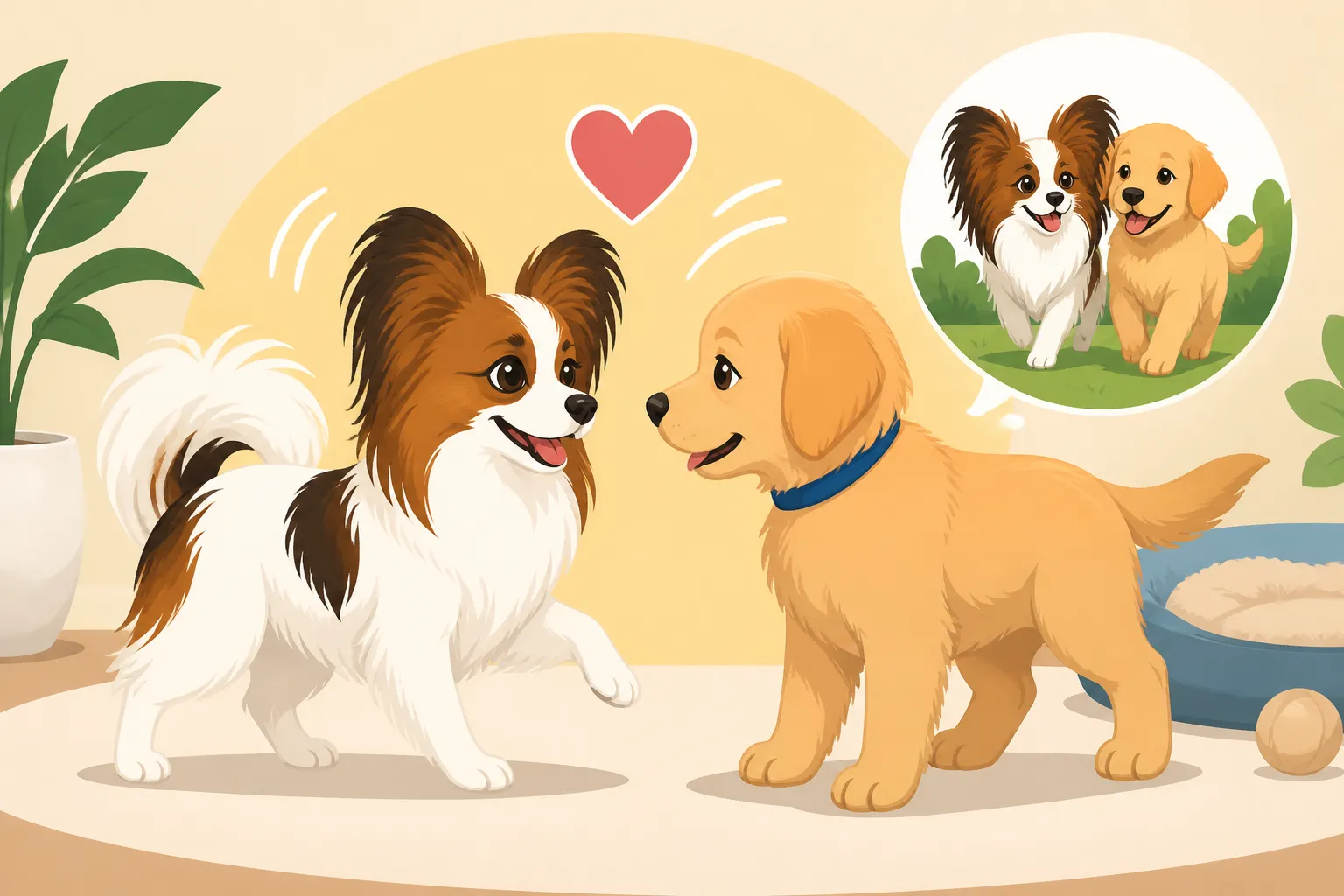
Bringing a new dog into a household that already has a cherished Papillon can feel like navigating a minefield. You adore your Papillon, and the last thing you want is for them to feel replaced, anxious, or to have their peaceful world turned upside down. This comprehensive guide will help you understand your Papillon's unique perspective and provide actionable steps to introduce a new canine companion, fostering a calm and potentially even affectionate relationship between them.
Understanding Your Papillon's Personality Before a New Addition
Before you even think about bringing another dog home, it's crucial to really understand the intricate personality of your Papillon. These aren't just pretty faces; they are intelligent, sensitive, and often quite particular creatures. Many owners find their Papillon has established a very clear routine and a very deep bond with them, which, while wonderful, can make adding a new family member a delicate dance.
Their Deep Bonds and Sensitive Nature
Papillons are renowned for forming incredibly strong attachments to their human companions. This intense loyalty is one of their most charming traits, but it also means they can be highly sensitive to anything that threatens their established relationship or sense of security. Imagine your world suddenly shifting because a new person moved into your house, demanding some of your partner's attention and occupying your favorite armchair – that's often how a Papillon perceives a new dog. They pick up on subtle changes in your mood, your routine, and the energy in the house. A new dog, with all its novel scents, sounds, and demands, represents a significant disruption. It's not malice on their part; it's often genuine stress and a feeling of insecurity that their cherished position might be at risk. This is especially true if your Papillon tends to Whether a Papillon Bonds to One Person very closely.
The "Big Dog in a Small Package" Mentality
It’s often said that Papillons have no idea they are small dogs, and it’s absolutely true! Despite their dainty appearance, many Papillons possess an incredibly bold and confident demeanor. They won't necessarily cower from a new, larger dog; instead, they might decide to assert themselves, sometimes with a surprising amount of bravado. This "big dog" mentality can lead to unexpected confrontations if not managed carefully. Your Papillon might try to "put the new dog in its place," which, while perhaps comical to observe, can be quite stressful for both animals and potentially lead to an injury if the size difference is significant. Their willingness to stand their ground is admirable, but it also means you, as their guardian, need to be extra vigilant in managing introductions to prevent any accidental mishaps. After all, A Papillon Has No Idea It Is Small can be both a blessing and a challenge!
Routine and Territorial Instincts
Papillons thrive on predictability. They love their schedule – when they eat, when they go for walks, when they get cuddles. Any deviation can be unsettling. A new dog invariably disrupts this rhythm, at least initially. New smells in their favorite sleeping spots, new competition for laps, and a different presence in "their" garden can trigger territorial instincts. They may start to guard resources they never bothered with before, like a particular toy or even your attention. This isn't about being "mean"; it's a deeply ingrained canine behavior to protect what they perceive as theirs. Understanding this helps you empathize with their reactions and approach the integration process with more patience and foresight.
Thoughtful Preparation: Setting the Stage for Success
Bringing home a new dog shouldn't be a spur-of-the-moment decision when you already have a Papillon. Careful planning and preparation can dramatically increase the chances of a smooth and successful integration. Think of it as preparing for a very important diplomatic meeting.
Choosing the Right Canine Companion
This is arguably the most critical step in the entire process. The temperament of the new dog needs to complement, or at least not clash with, your Papillon's personality.
- Temperament First: Seek out a dog with a calm, gentle, and easygoing disposition. A dog that is naturally submissive or indifferent to other dogs is often a better match than one that is overly boisterous, dominant, or high-energy.
- Age and Energy Levels: While a cute puppy might seem appealing, a very young, energetic puppy can overwhelm an older, settled Papillon. Conversely, a playful Papillon might enjoy a younger companion who can keep up with their energy levels. Consider a mature dog whose personality is already well-established.
- Size Matters (Sometimes): While Papillons can happily coexist with much larger dogs, a significant size difference necessitates extra caution. A large, clumsy dog, even a friendly one, could accidentally injure a small Papillon during play. Observe how the potential new dog interacts with smaller dogs if possible. This careful consideration helps protect your Papillon, especially given How a Papillon Behaves With Large Dogs.
- Health and Background: A healthy dog with a known background is always preferable. Understanding any past behavioral issues or fears can help you prepare.
Pre-Introduction Preparation for Your Papillon
Even before the new dog physically arrives, you can start preparing your Papillon:
- Solidify Training: Ensure your Papillon's basic obedience commands are rock-solid. A reliable "stay," "come," and "leave it" command will be invaluable during introductions. Working on these skills can also be a great mental exercise for your smart little dog. The Papillon Is the Smartest Toy Breed There Is for a reason, so take advantage of their intelligence!
- Scent Swapping: This is an incredibly effective technique. Before they meet, swap items with each dog's scent. Take a blanket or a toy that the new dog has slept with and let your Papillon sniff it in their own time, without pressure. Do the same with an item from your Papillon for the new dog. This allows them to "meet" and get familiar with each other's presence in a low-stress way, even before seeing each other.
- Maintain Routine: Try your best to keep your Papillon's daily routine as consistent as possible in the days leading up to the new arrival. What a Papillon Needs Every Day often includes a predictable schedule, and minimizing disruption beforehand can reduce anxiety.
Preparing Your Home Environment
The physical setup of your home is crucial for managing the initial integration:
- Separate Spaces: Each dog needs its own secure retreat where it can rest, eat, and feel safe from the other. This could be separate rooms, or using baby gates to section off areas of your home. A comfortable crate or a designated quiet bed (many excellent options are available on Amazon) in their own space can provide this security.
- Individual Resources: To prevent immediate resource guarding, provide separate food bowls, water bowls, beds, and a distinct set of toys for each dog. Feed them in separate areas or behind a barrier during the initial stages. This teaches them that resources are plentiful and don't need to be competed for.
- Safety Barriers: Invest in sturdy baby gates or pet gates. These will be your best friends during the early weeks, allowing the dogs to see and smell each other without direct, potentially overwhelming physical contact.
The Art of the First Meeting and Beyond
The actual introduction process needs to be slow, controlled, and always positive. Rushing it can create negative associations that are very difficult to overcome.
Neutral Territory Is Key
The cardinal rule of dog introductions: the very first meeting should always occur in neutral territory. This means a place where neither dog feels territorial or possessive.
- Location, Location, Location: A quiet park, a friend's fenced yard, or a calm, open public space where neither dog has established "ownership" is ideal. Avoid your backyard initially, as your Papillon already considers it their domain.
- Leashed and Controlled: Both dogs should be on leashes, handled by separate people. Keep the leashes loose to avoid conveying tension. A taut leash tells your dog you are nervous, which they will mirror.
- Parallel Walks: Start with parallel walks, maintaining a comfortable distance between the dogs. Walk in the same direction, allowing them to become aware of each other's presence and scent without direct interaction. Gradually, you can decrease the distance as they seem more relaxed. Look for signs of relaxed body language: loose tails (not tucked or rigidly high), soft eyes, sniffing the ground, and a relaxed gait.
- Brief, Supervised Sniffs: If all goes well on the parallel walk, allow for very brief, controlled sniffing interactions. Let them approach, sniff for a few seconds, then calmly move them apart. Keep these initial "meetings" extremely short and end on a positive note. Reward calm behavior with praise and high-value treats.
Bringing Them Home (Still Separate)
Once the neutral territory meetings have gone smoothly, it's time to bring them home, but remember: still separate!
- Initial Home Entry: Bring the new dog into the home first, on a leash, and allow them to explore a designated separate space (like a guest bedroom). While the new dog is settling in their space, take your Papillon for a walk. When you bring your Papillon home, the new dog's scent will be present, but the new dog won't be in their face.
- Through the Barrier: Once both are home, allow them to spend time on opposite sides of a baby gate. This allows for visual and olfactory interaction without direct physical contact. You can feed them on opposite sides of the gate, so they associate the other dog's presence with positive experiences (food!).
- Gradual Supervised Time: Slowly increase the amount of time they spend together in a common, neutral living area, always with direct supervision. Keep initial sessions short, perhaps 5-10 minutes, and increase gradually. Distract them with toys or gentle play, rewarding calm interactions.
- Recognize Stress Signals: Learn to read canine body language. Signs of stress include lip licking, yawning (when not tired), turning away, tail tucked, stiff body, raised hackles, excessive panting, or freezing. If you see these, calmly separate the dogs and try again later, or reduce the intensity of the interaction. Sometimes, even the best intentions need a little help. Online resources, like those offered by BAXTER & Bella, can be fantastic for learning more about dog body language and communication signals.
Nurturing a Lasting Friendship
The initial introduction is just the beginning. The ongoing integration period requires patience, consistency, and continued management to foster a truly harmonious multi-dog household.
Consistent Supervision and Management
- Never Rush It: It's easy to feel disheartened if the first few meetings aren't a wagging-tail lovefest, but that's perfectly normal. Some dogs take weeks or even months to truly feel comfortable with a new companion. Never leave the dogs unsupervised until you are absolutely certain they are safe and comfortable together. Even then, supervise closely in high-stakes situations like meal times or when high-value toys are out.
- Individual Attention: It's crucial that your Papillon doesn't feel neglected or replaced. Continue to give them plenty of one-on-one time, cuddles, and play sessions. This reinforces your bond and reassures them that their place in your heart is secure. Likewise, ensure the new dog also receives individual attention to help them bond with you.
- Resource Guarding Prevention: Continue to manage resources carefully. Feed dogs separately. Pick up all toys when you can't actively supervise. Provide high-value chews or treats in their individual safe spaces, not shared spaces. This consistent management helps prevent conflicts before they start.
Ongoing Training and Positive Reinforcement
- Continue Training Both Dogs: A well-trained dog is a confident dog, and confidence reduces anxiety. Continue working on obedience with both dogs, individually and, when appropriate, together. Reward all calm and positive interactions between them. If your Papillon approaches the new dog with a loose body and a sniff, praise and treat them both.
- Build Positive Associations: Create situations where good things happen when both dogs are present. This could be meal times, treat times, or even just calm cuddle sessions on separate beds while you watch TV. Over time, they will associate each other's presence with pleasant experiences.
- Seek Guidance: If you're struggling, don't hesitate to consult a professional dog trainer or behaviorist. They can offer tailored advice and help you navigate specific challenges. Comprehensive online training platforms, such as BAXTER & Bella, provide structured courses and live support that can be incredibly useful for integrating a new dog and managing household dynamics.
Providing Retreats and Safe Spaces
Every dog, especially a sensitive Papillon, needs a place to escape and decompress.
- Designated Retreats: Ensure both dogs have access to their own "safe zone" – a crate, a dog bed (easily found on Amazon, often with plush, burrowing options Papillons love) in a quiet room, or an area blocked off by a gate. This gives them the option to disengage and relax away from the other dog, which is vital for stress reduction.
- Avoid Forced Interaction: Never force your Papillon to interact with the new dog if they are showing signs of discomfort or trying to retreat. Respect their boundaries.
- Long-Term Harmony: Remember, the goal is a peaceful co-existence, not necessarily for them to become inseparable best friends overnight. Some dogs tolerate each other, some become playmates, and some form deep bonds. Any level of peaceful How Two Papillons Live Together is a success.
| Stage of Introduction | Focus | Key Actions | Signs of Success | Potential Challenges |
|---|---|---|---|---|
| Preparation | Individual well-being, home setup | Scent swap, create separate spaces, basic training | Papillon calm with new scents, home ready | Papillon anxiety, inadequate resources |
| First Meeting | Safety, low pressure | Neutral territory, parallel walks, leashed | Loose body language, calm sniffing | Stiff body, growling, avoiding eye contact |
| Early Integration | Supervised exposure, positive association | Gates, feeding separately, short sessions | Increased comfort near each other, ignoring | Resource guarding, demanding attention |
| Ongoing Harmony | Consistency, individual needs | Continued supervision, training, separate retreats | Mutual comfort, occasional gentle play | Jealousy, lingering territoriality, setbacks |
Integrating a new dog into your Papillon's life is a journey, not a sprint. There will be good days and challenging days. Stay patient, stay consistent, and remember that your calm leadership is the most important factor in helping both dogs adjust and eventually thrive together.
Disclaimer
This article is for general informational purposes only and does not constitute professional advice. Laws, prices and regulations vary by location and change over time. Consult a qualified professional for guidance on your specific situation.