How Much Prey Drive a Papillon Has
It’s easy to look at a dainty, long-eared Papillon and imagine a life of quiet cuddles on the sofa, perhaps a gentle trot around the block. But many owners are surprised—and sometimes a little overwhelmed—to discover that these elegant little dogs often come with a robust, unyielding prey drive. This guide is here to shed light on what that looks like, why it's so common in Papillons, and, most importantly, how to manage it safely and happily for everyone involved.
Understanding the Papillon's Inner Hunter
For centuries, the Papillon's ancestors, the Continental Toy Spaniels, were cherished companions of European nobility, often depicted in grand portraits looking serene and calm. Yet, beneath that regal exterior lies a spirited little dog with a surprising amount of instinctual drive, including a distinct prey drive. This isn't just about chasing; it's a deeply ingrained set of behaviors that stems from their heritage as intelligent, active spaniels, originally bred for companionship but still carrying the echoes of their sporting past.
The Unexpected Reality of a Toy Breed's Prey Drive
When people envision a dog with high prey drive, they often picture breeds like terriers, sighthounds, or working dogs, not typically a fluffy toy breed that weighs less than a house cat. You might have thought you were getting a calm lap dog, only to discover your little butterfly is a tiny, feathered predator! It can be quite a shock to witness your seemingly delicate Papillon suddenly transform into a focused, darting blur, utterly captivated by a squirrel, a bird, or even a blowing leaf.
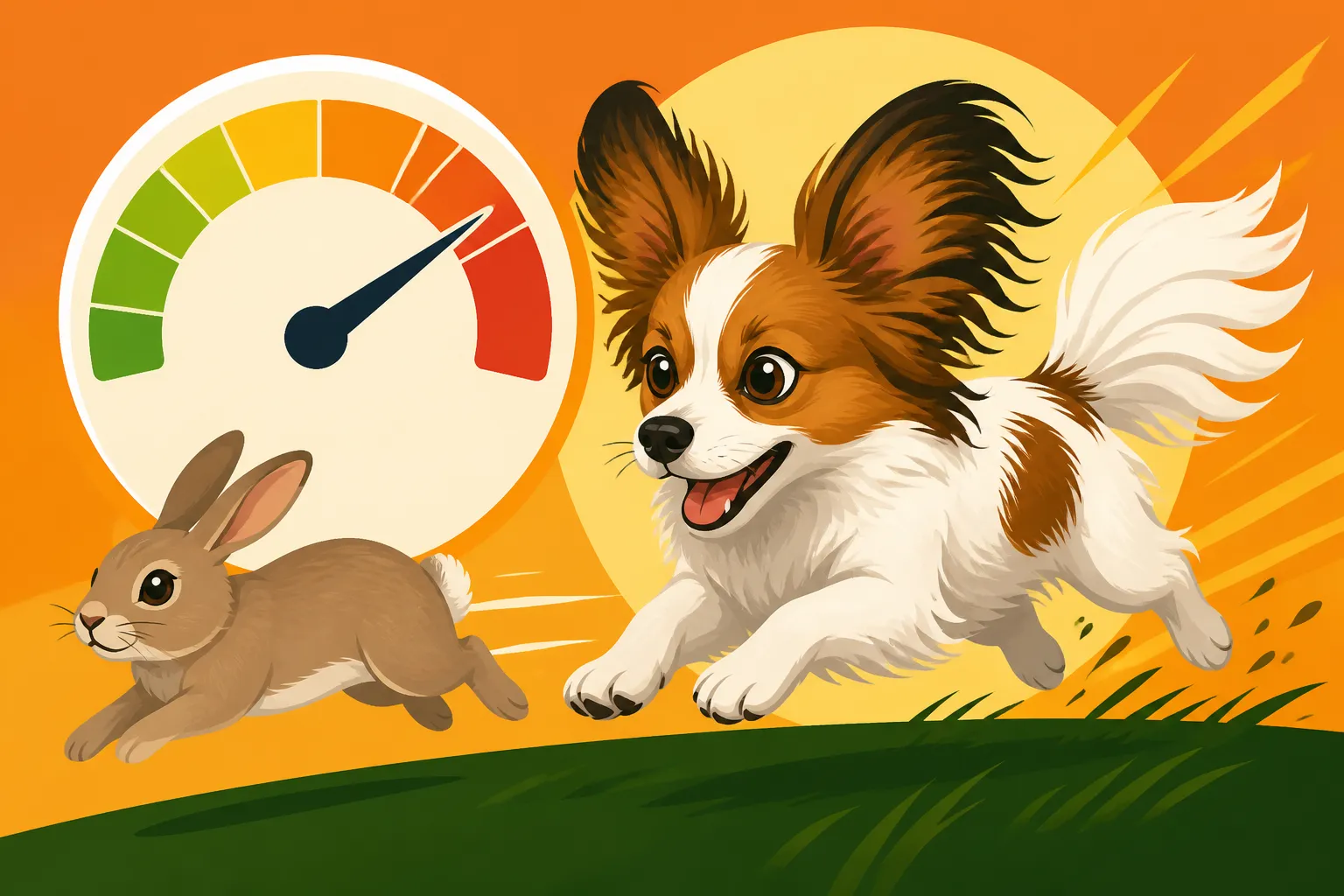
This isn't a flaw in their personality; it's a testament to their intelligence and natural instincts. A Papillon’s prey drive usually manifests as an intense desire to chase anything that moves quickly. This might be a pigeon fluttering across the park, a rabbit darting into a bush, or even a toy skittering across the living room floor. Their small size doesn't diminish the strength of this instinct; in fact, their agility and speed often make them incredibly effective at pursuing these small targets. It’s a primal urge, and it's essential for us as their caretakers to understand and respect it, rather than trying to suppress it entirely. After all, they can't help what they are!
What Triggers a Papillon's Prey Drive?
Understanding the triggers behind your Papillon's prey drive is the first step in effectively managing it. It’s not always about seeing an actual animal; often, it’s a combination of sensory inputs that ignite that chase instinct.
- Movement: This is probably the biggest trigger. Anything that moves quickly or erratically can grab a Papillon's attention. A child running, a bicycle whizzing by, a car, a rolling ball, or even just a bit of windblown trash can set off that "chase!" response. For many Papillons, the sight of a squirrel dashing up a tree is an irresistible call to action.
- Sound: Sharp, sudden noises, or the distinct sounds of small animals can also be powerful motivators. The chirping of a bird, the rustle of leaves that might hide a mouse, or even a squeaky toy can instantly switch them into hunting mode. Their keen sense of hearing, developed over generations, makes them highly attuned to these subtle cues in their environment.
- Scent: While not always as obvious to us, a Papillon's nose is incredibly sensitive. The scent of a rabbit that recently crossed a path, a mouse living under the shed, or even the lingering smell of a bird on a bush can be enough to trigger a focused tracking and searching behavior. They might put their nose to the ground and follow an invisible trail with intense concentration.
- Visual Cues: Beyond just direct sight of prey, subtle visual cues can spark their interest. The flicker of a shadow, a reflection on a shiny surface, or even a sudden change in light can cause them to orient and prepare to chase. Think of a laser pointer; many dogs go absolutely wild for it because it provides that elusive, fast-moving target.
It’s crucial to remember that these triggers are deeply hardwired. Your Papillon isn't being disobedient when they suddenly bolt after a squirrel; they are simply responding to a powerful, ancient instinct. Recognizing these triggers in your environment can help you anticipate and manage situations before your Papillon's prey drive takes over.
Managing Prey Drive: From Chase to Calm
Acknowledging your Papillon's prey drive doesn't mean you have to live in a constant state of vigilance or that your dog is doomed to be a leashed-only creature forever. The goal isn't to eliminate this natural instinct, which is impossible, but rather to channel it appropriately and teach your dog impulse control.
Safe Outlets for Papillon Prey Drive
Providing safe, acceptable ways for your Papillon to express their chase instinct is key to a happy and balanced dog. When they have proper outlets, they are less likely to become fixated on inappropriate targets or act out in frustrating ways.
One of the best ways to satisfy that urge is through interactive play with toys. A flirt pole, for example, is a fantastic tool. It’s essentially a long stick with a rope and a lure (often a fluffy toy) attached to the end. You can drag the lure along the ground, making it dart and weave like small prey, allowing your Papillon to chase, pounce, and "catch" it safely. This simulates the hunt-and-capture sequence in a controlled environment. Fetch is another classic game; even if your Papillon isn't a natural retriever, the chase component can be hugely satisfying. Puzzle toys that require them to work for their treats can also engage their minds and their "hunting" instincts in a less physical way. You can find a wide variety of excellent interactive toys and puzzle feeders on Amazon, ensuring there's something to challenge every Papillon.
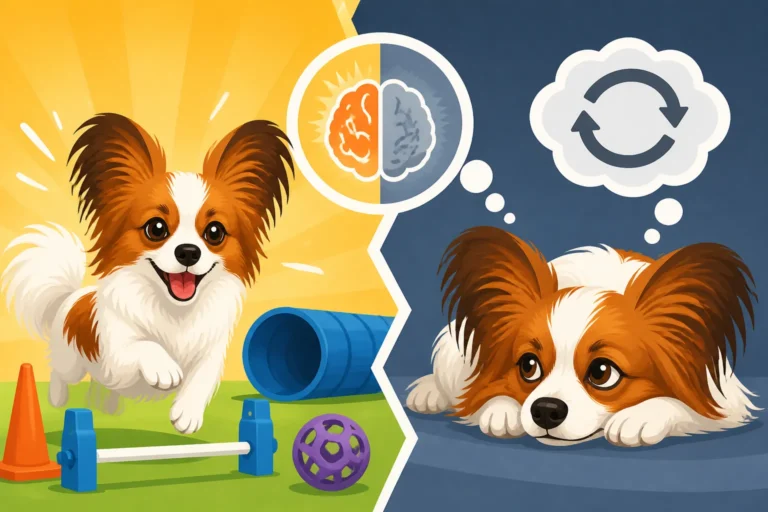
Beyond toys, dog sports offer an incredible outlet. Agility is a natural fit for many Papillons, whose intelligence and athleticism truly shine on the course. They get to run, jump, and weave, often moving at incredible speeds, which is a perfect channel for their chase drive. It's a structured way to utilize their energy and focus. You can learn more about getting started in this exciting sport by reading Starting a Papillon in Agility. Other activities like scent work are also excellent. Although less about physical chase, scent work taps into their natural tracking abilities and provides immense mental stimulation, which is just as important as physical exercise for these bright dogs. Whether a Papillon Can Do Scent Work delves deeper into how scent work can be a wonderful activity for your little hunter.
Supervised outdoor time is also crucial, but with careful management. A securely fenced yard where they can run freely and chase leaves or their favorite toys is ideal. For walks, using a long line in a safe, open area (away from roads and wildlife) can give them the freedom to explore scents and make short dashes, while still maintaining a connection to you. Remember, the key here is supervision to prevent them from pursuing actual wildlife.
Training Strategies for Impulse Control
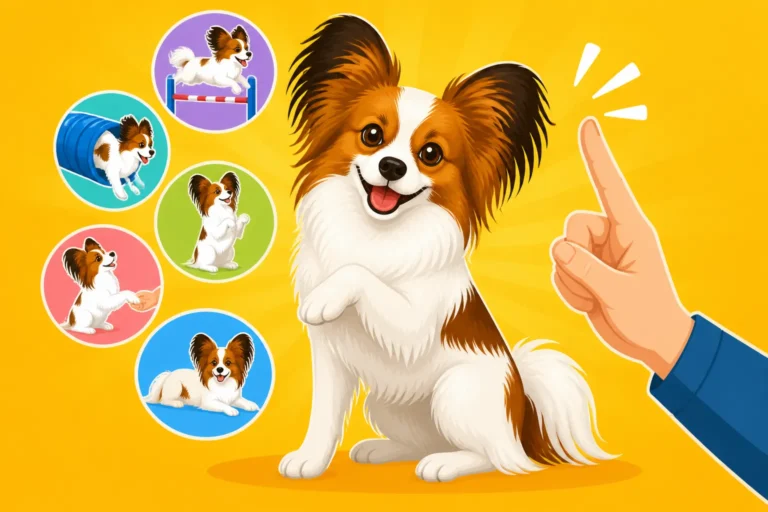
While providing outlets is important, teaching impulse control is paramount for safety and harmony. This is where training becomes your best friend. Papillons are incredibly intelligent and eager to please, making them excellent candidates for positive reinforcement training.
Two commands that are absolutely indispensable are "Leave It" and "Drop It." "Leave It" teaches your Papillon to ignore something tempting, whether it's a dropped crumb, a discarded chicken bone on the sidewalk, or that tantalizing squirrel just out of reach. "Drop It" teaches them to release something they already have in their mouth. Consistent practice with high-value treats in various environments can make these commands rock-solid.
Reliable recall is another non-negotiable for any Papillon owner, especially if they have a strong prey drive. A Papillon that bolts after a rabbit without a reliable recall can quickly find themselves in dangerous situations, from traffic to getting lost. Start recall training in a quiet, distraction-free environment, making coming back to you the most rewarding thing in the world. Gradually introduce more distractions as your Papillon's recall improves. For a deeper dive, check out How Reliably a Papillon Comes When Called.
Leash manners are also incredibly important. A Papillon pulling on the leash, particularly with a collar around their delicate neck, isn't just unpleasant; it can be dangerous due to their propensity for Whether a Papillon Gets a Collapsing Trachea. Using a comfortable, well-fitting harness (you can find recommendations by reading Whether a Papillon Should Wear a Harness Instead of a Collar) gives you better control without putting pressure on their throat. Train them to walk politely by your side, rewarding loose-leash walking.
Desensitization and counter-conditioning can be very effective for specific triggers. If your Papillon consistently reacts to squirrels, for example, begin by exposing them to squirrels at a distance where they notice but don't react intensely. Reward them with high-value treats for calm behavior. Gradually decrease the distance over many sessions, always rewarding calm observation and never pushing them past their threshold. This teaches them that squirrels (or birds, or bikes) predict good things from you, rather than an opportunity to chase.
When it comes to training, consistency and positive reinforcement are key. Avoid harsh corrections, which can damage their trust and lead to fear or anxiety. Instead, focus on rewarding desired behaviors and redirecting unwanted ones. Online training platforms, like those offered by BAXTER & Bella, can provide structured lessons and support, helping you build a strong foundation of positive communication and impulse control with your Papillon.
| Trigger Type | Examples for Papillons | Training/Management Response |
|---|---|---|
| Visual | Squirrels, birds, moving cars, running children, laser pointers | "Leave It" command, leash control, secure fencing, redirection with approved toys, desensitization/counter-conditioning. |
| Auditory | Chirping birds, rustling bushes, sudden loud noises | Environmental awareness, "Look at Me" command, positive association with triggers at low intensity. |
| Olfactory | Scent trails of rabbits or mice | Controlled walks, allowing sniffing time in safe areas, engaging in scent work games. |
| Movement | Anything fast-moving, from toys to wildlife | Flirt pole play, fetch, agility training, strong recall, appropriate leash management. |
Living Safely with a Papillon's Prey Drive
Having a Papillon with a healthy prey drive adds an extra layer of responsibility, but it doesn't have to be a source of constant stress. By implementing smart management strategies and understanding their needs, you can ensure both your Papillon and the local wildlife stay safe.
Protecting Your Papillon (and Other Creatures!)
The most critical aspect of managing prey drive is safety. A Papillon, no matter how small, can cause harm to smaller animals if they catch them, and they are incredibly vulnerable themselves when dashing off without thought for their surroundings.
First and foremost, a secure physical environment is non-negotiable. If you have a yard, ensure the fencing is solid and escape-proof. Papillons are agile and can squeeze through surprisingly small gaps. How High a Fence a Papillon Needs might be worth considering, especially if your little one is a jumper. Never underestimate their determination when a perceived prize is on the other side.
Leash discipline in public spaces is paramount. Even if your Papillon has a decent recall in a quiet park, the sudden appearance of a squirrel or rabbit can override all training. Always err on the side of caution. A well-fitted harness gives you control and prevents injury. Retractable leashes are generally not recommended as they offer less control and can be dangerous if the dog suddenly bolts and reaches the end of the line.
Be hyper-aware of your surroundings, especially when walking near parks, woods, or areas known for wildlife. Scan ahead for squirrels, birds, or rabbits. If you spot potential prey, proactively engage your Papillon with a "Look at Me" command or redirect their attention with a high-value treat or toy before they notice the animal.
If you have other small pets at home—like hamsters, guinea pigs, or even birds—this takes on even greater importance. Your Papillon’s prey drive isn’t limited to outdoor creatures. These small pets should be kept in secure enclosures that are inaccessible to your dog. Never leave them unsupervised together, even for a moment. This isn't a judgment on your Papillon's character; it's simply respecting their natural, instinctual drives.
When Prey Drive Becomes Problematic
While a certain level of prey drive is normal, there are times when it can become excessive or lead to problematic behaviors. Recognizing these signs can help you intervene early and seek professional guidance if needed.
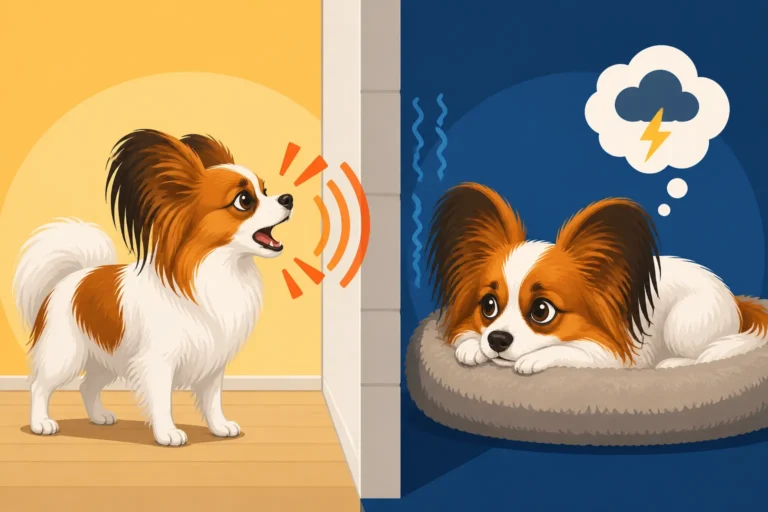
One common issue is excessive barking at perceived prey. Your Papillon might stand at the window or fence line, barking frantically at squirrels in the yard or pedestrians walking by. This isn't just annoying; it indicates a high level of arousal and frustration. For more on this, you might find What a Papillon Barks At helpful. If they spend hours fixated and barking, it can be a significant source of stress for them and for you.
Another problem arises when the dog's frustration mounts because they are consistently prevented from chasing. This can manifest as redirected aggression (snapping at you or another pet when they can't get to the squirrel), anxiety, or obsessive behaviors (constantly scanning the yard, pacing). These are signs that their needs are not being met or their coping mechanisms are strained.
The biggest practical problem, of course, is the risk of injury. A Papillon chasing across a road, through thick brush, or into another dog's territory can be seriously hurt. They can also injure themselves by over-exerting, especially if they have underlying health issues like Patellar Luxation Is the Papillon Problem You Will Actually Meet.
If you find that your Papillon's prey drive is overwhelming, leading to constant frustration, aggression, or putting them in danger despite your best efforts, it's time to seek professional help. A certified professional dog trainer or a veterinary behaviorist can assess your specific situation, identify triggers you might be missing, and develop a tailored training plan. They can also help you determine if there are underlying behavioral or medical components exacerbating the issue. Remember, asking for help is a sign of a responsible pet owner, not a failure.
Disclaimer
This article is for general informational purposes only and does not constitute professional advice. Laws, prices and regulations vary by location and change over time. Consult a qualified professional for guidance on your specific situation.