Why a Papillon Refuses to Go Out in Rain
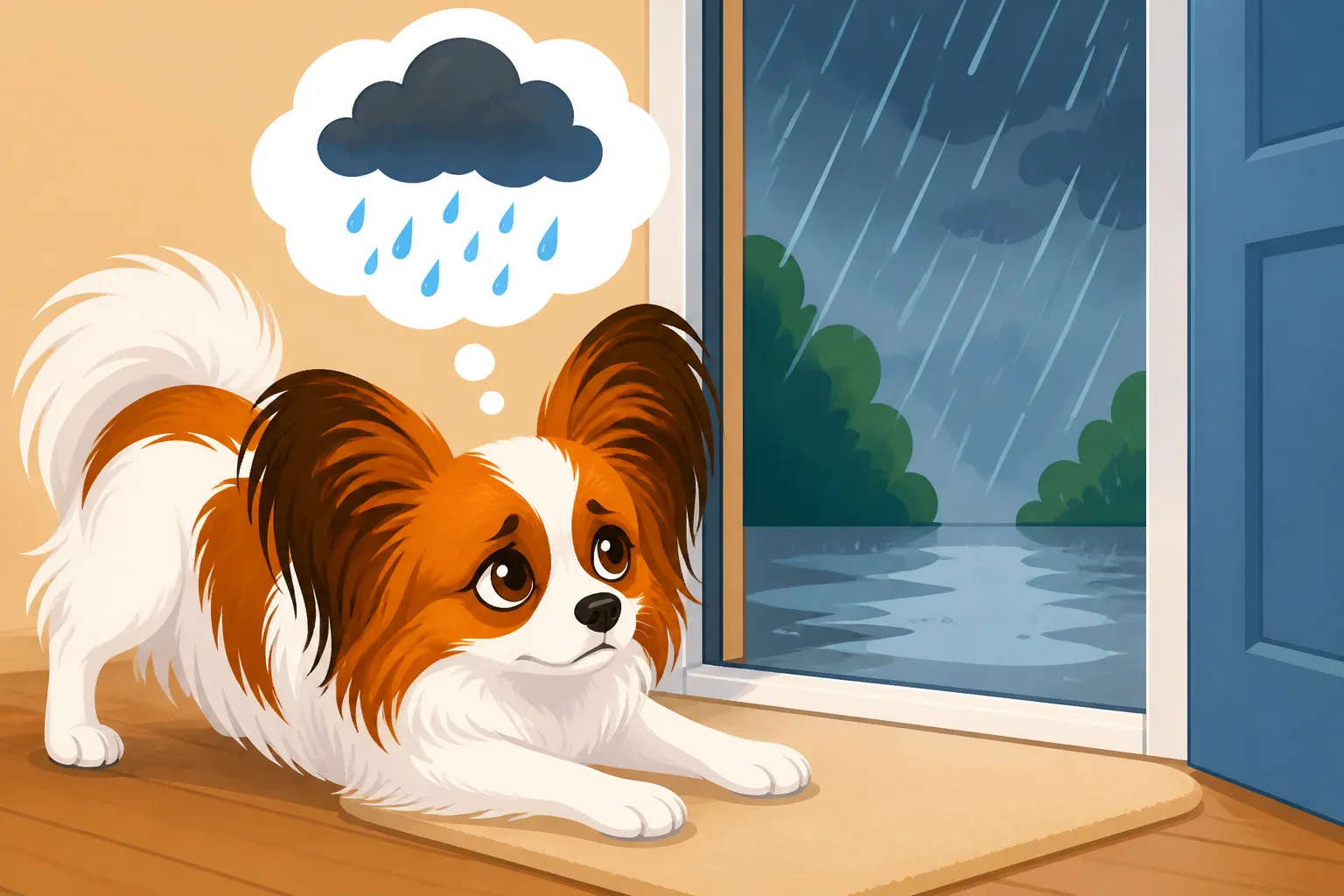
It’s a scenario many Papillon owners know all too well: the skies open up, rain starts to fall, and your typically eager-to-please little butterfly dog suddenly transforms into a stubborn, puddle-avoiding statue. Getting a Papillon to go outside for a potty break when it's raining can feel like a Herculean task, leaving you frustrated and worried about accidents inside. This guide will explore the very real reasons your Papillon might despise the rain and, more importantly, offer empathetic, practical strategies to help both of you navigate those wet weather woes.
Understanding Your Papillon's Rainy Day Aversion
When a Papillon refuses to go out in the rain, it’s rarely out of pure defiance. More often than not, there are very legitimate reasons rooted in their physical makeup and innate sensitivities. It’s important to remember that what feels like a minor inconvenience to us can be a major ordeal for a tiny dog with a delicate build.
The Delicate Nature of a Papillon's Coat
Unlike some breeds with thick, water-resistant double coats, the Papillon boasts a single, silky layer of hair. This beautiful coat, which gives them their elegant appearance, offers very little insulation or protection against the wet and cold. Imagine stepping out in a silk shirt during a downpour – you'd be soaked and chilled to the bone almost instantly. That's essentially what your Papillon experiences.
Their long, flowing fringes, especially on their ears, chest, and tail, become heavy, matted, and uncomfortable when drenched. Those iconic butterfly ears, meant to catch the breeze, instead act like sails, pulling water right into their delicate ear canals. It’s not just about getting wet; it's about the immediate loss of body heat and the miserable feeling of heavy, cold fur clinging to them. This can make even a short trip outside feel like an extended torture session for a breed that thrives on comfort. You can learn more about their unique coat structure in A Papillon's Coat Is All Fringe and No Undercoat.
Small Size, Big Impact
Everything is magnified when you’re a tiny dog. A small puddle that you barely notice is a significant obstacle, or even a deep wading pool, for a Papillon weighing five to ten pounds. Raindrops, which feel like a gentle sprinkle to us, can feel like pelting hailstones to their sensitive skin. The sheer volume of water seems much greater when you're only inches off the ground.
Furthermore, a Papillon’s small size means they lose body heat very quickly. Getting wet in cold weather isn't just unpleasant; it can be genuinely dangerous, leading to hypothermia in extreme cases. Their little paws, not built for navigating soggy, cold terrain, can become chilled and muddy, adding another layer of discomfort. It's a lot for such a small creature to contend with, and their reluctance is often a self-preservation instinct kicking in. This innate caution is also why it's wise to ensure A Papillon Has No Idea It Is Small doesn't lead to unsafe situations in other areas.
Sensitivity and Discomfort
Papillons are known for being intelligent, observant, and, yes, often quite sensitive. They pick up on environmental cues and can be easily deterred by things that seem minor to us. The sound of rain on the roof, the changing light, the feel of damp air – all these sensory inputs can contribute to their apprehension. They might associate the wetness with cold, the mud with dirty paws, and the general atmosphere with an unpleasant experience.
It’s not uncommon for Papillons to have strong preferences and routines. A sudden deviation from their usual dry-weather potty spot or method can be unsettling. If they've had one bad experience – a sudden loud thunderclap, a particularly cold gust of wind, or even just being rushed outside when they really didn't want to go – they can quickly develop a lasting aversion to rain. Their emotional well-being is closely tied to their physical comfort, and when one is compromised, the other often follows.
The Psychological Side of Rain Refusal
Beyond the physical discomfort, there's a strong psychological component to a Papillon's rain aversion. Their experiences, combined with our reactions, can shape and solidify their reluctance, making rainy day potty breaks even more challenging.
Conditioned Responses and Negative Associations
Dogs are masters of association. If every time it rains, your Papillon is met with an unpleasant experience—perhaps being dragged out on a leash, getting cold and soaked, or even sensing your own frustration—they quickly learn to associate rain with negativity. A few bad outings can be enough to create a deeply ingrained aversion. For instance, if they were once startled by a loud noise during a rainy walk, or if their long ear fringes got tangled and pulled while wet, they might generalize that discomfort to all rainy conditions.
This isn't them being "stubborn" or "naughty"; it's a learned survival mechanism. They remember the unpleasant sensations and try to avoid repeating them. It's similar to how some dogs develop a fear of the vet after a painful injection. Their past experiences dictate their future reactions, and breaking these negative associations requires patience and consistent positive reinforcement. Understanding how a Papillon learns is key, as How Fast a Papillon Learns a New Cue is often surprising.
Owner Behavior and Reinforcement
As much as we love our Papillons, our own behavior can inadvertently reinforce their fear of rain. If we become visibly frustrated or angry when they refuse to go out, they'll pick up on that stress. This can make them even more anxious and less likely to cooperate. Similarly, if we immediately bring them back inside the moment they refuse, we might be unintentionally rewarding their reluctance. They learn that holding out means avoiding the unpleasant weather.
It's a tricky balance. We want to be patient and understanding, but we also need them to do their business outside. The key is to approach the situation with calm determination and a strategy that focuses on positive experiences rather than forced compliance. A Papillon is highly sensitive to correction, as discussed in How a Papillon Responds to Correction, making a gentle approach even more vital. Consistency and a calm demeanor on your part are crucial for building their confidence in all weather conditions.
Practical Strategies to Encourage Rainy Day Potty Breaks
Now that we understand why your Papillon might be so opposed to getting wet, let's talk about what you can actually do to help them. These strategies focus on making the experience more comfortable, less intimidating, and even a little bit fun.
Gear Up for Success
One of the most immediate ways to combat rain aversion is to minimize the physical discomfort. Investing in appropriate rain gear can make a world of difference for your small dog.
- Raincoats: Look for lightweight, waterproof coats that cover most of their back and belly. Ensure it's not too bulky, which can restrict their movement, and that it has a hood or a high collar to protect their neck and the base of their ears. Measure your Papillon carefully to get a snug but comfortable fit. Many options are readily available on platforms like Amazon, offering a variety of sizes for toy breeds.
- Booties: Muddy, cold paws are a big deterrent. Dog booties can protect their feet from wetness, cold, and uncomfortable textures. It might take some time to get your Papillon used to wearing them, so start with short sessions indoors, offering lots of treats and praise.
- Umbrella or Covered Area: If you have a small, covered porch, an awning, or even a large umbrella you can hold over them, it can provide a crucial dry zone for them to start their business. Sometimes, just having that initial shelter is enough to get them comfortable enough to venture out a bit further.
- Designated Potty Area: Consider creating a small, sheltered potty area in your yard. This could be a patch of artificial turf under a small canopy or a designated spot under a large bush that offers some natural cover.
Here’s a quick comparison of popular rain gear options for your Papillon:
| Gear Type | Primary Benefit | Considerations | Training Needed | Where to Find |
|---|---|---|---|---|
| Raincoat | Keeps coat dry, warmth | Proper sizing is crucial; can be bulky for some | Minimal | Amazon |
| Booties | Protects paws from wet/cold | Requires desensitization; can be tricky to fit | High | Amazon |
| Umbrella | Provides immediate shelter | Requires owner involvement; limited coverage | None | Local stores |
| Covered Potty Area | Consistent dry spot for relief | Requires setup; may not be portable | Minimal | DIY/Garden stores |
Creating a Positive Outdoor Experience
Once they're geared up, the next step is to make the actual outdoor experience as pleasant as possible. This means patience, positive reinforcement, and a little bit of strategic planning.
- Short, Focused Trips: Don't expect them to dawdle or explore like they might on a sunny day. Take them out for very brief, targeted potty breaks. The goal is to get the job done and get back inside to warmth and dryness.
- High-Value Rewards: Immediately after they go potty in the rain, reward them with their absolute favorite treat or a quick, enthusiastic play session indoors. Make it clear that doing their business in the rain leads to wonderful things! This helps them build a positive association with the experience.
- Enthusiasm (from you!): Your attitude is contagious. Even if you're not thrilled about the rain, try to be cheerful and encouraging. A happy, confident tone can help reassure your Papillon that everything is okay.
- Use a Leash: Even in a fenced yard, keeping them on a leash can encourage them to stay focused on their mission. It also prevents them from darting back inside before they've had a chance to relieve themselves.
Training and Desensitization Techniques
For Papillons with a strong aversion, a gradual desensitization program might be necessary. This involves slowly introducing them to the rain in a controlled and positive way.
- Start Small: On a drizzly day, stand just outside your door with your Papillon on a leash under an umbrella. Offer treats and praise for simply being near the rain without panicking. Gradually increase the time spent near the rain, and then take a few steps out into a very light drizzle.
- Associate Rain with Fun: Play short, engaging games indoors near a window when it’s raining. Let them see and hear the rain while having a good time. This helps to neutralize the negative associations.
- Practice with Gear: Before a rainy day hits, get your Papillon accustomed to wearing their raincoat and booties inside. Let them wear it for short periods, reward them, and make it a positive experience. This way, the gear isn't another new, scary thing when it's actually raining.
- Consider Professional Help: If the aversion is severe and leading to house-soiling problems, consider consulting with a professional dog trainer or a canine behaviorist. They can provide tailored strategies and support. Online platforms like BAXTER & Bella offer excellent virtual training resources and communities that can guide you through desensitization. For broader training insights, consider The Papillon Is the Smartest Toy Breed There Is.
When the Refusal Is More Than Just Rain
Sometimes, what appears to be a simple rain aversion might have deeper roots. It’s important to rule out other factors that could be contributing to your Papillon’s reluctance to go outside.
Health Considerations
A sudden change in house training habits or a strong refusal to go outside might be a symptom of an underlying health issue. Pain, discomfort, or an infection could make them hesitant to move or go potty, especially if it involves getting wet or cold.
- Urinary Tract Infections (UTIs): A UTI can make urinating painful or uncomfortable, leading to reluctance.
- Arthritis or Joint Pain: Older Papillons, or those with conditions like Patellar Luxation Is the Papillon Problem You Will Actually Meet, might find moving in cold, wet weather more painful. Jumping off furniture in the wet, for instance, could exacerbate an existing issue.
- Dental Issues: Believe it or not, dental pain can make them generally uncomfortable or less willing to engage in activities they associate with stress. The Teeth in a Papillon's Small Jaw are prone to issues.
- General Malaise: If your Papillon is feeling unwell for any reason, they might simply not want to venture out.
If your Papillon’s behavior is new or accompanied by other symptoms like lethargy, changes in appetite, or limping, a trip to the vet is always a good idea. Rule out any physical ailments before attributing it solely to rain aversion.
Addressing House Training Setbacks
A Papillon refusing to go out in the rain can quickly lead to house training setbacks. It's a frustrating cycle: they don't want to go out, so they hold it, and eventually, they have an accident inside. This reinforces the idea that inside is an acceptable place to go.
- Revisit Basics: If accidents become frequent, it’s time to go back to house training fundamentals. Take them out more frequently, praise and reward heavily for success, and thoroughly clean any indoor accidents with an enzymatic cleaner to eliminate odors that might attract them back to the same spot.
- Supervision: Keep a close eye on your Papillon, especially during rainy periods. If you can’t supervise them, crate them for short periods to prevent accidents. You can find useful advice on this topic in How Long House Training a Papillon Takes.
- Consistent Schedule: Maintain a consistent potty schedule, even on rainy days. This predictability can help reduce anxiety and encourage them to go when they have the opportunity.
- Indoor Potty Options (Temporary): In extreme cases, or for very sensitive dogs, a temporary indoor potty solution like pee pads or an indoor grass patch might be necessary to prevent accidents. However, be cautious with this, as it can confuse them about where they're supposed to go and extend the time it takes for them to be reliably house-trained outdoors. Use it as a last resort and transition back to outdoor-only as soon as possible.
Remember, patience is paramount. Your Papillon isn't trying to make your life difficult; they're simply reacting to their environment and experiences in the way they know how. With understanding, proper preparation, and consistent positive reinforcement, you can help your little butterfly dog brave the rain and keep your floors dry.
Disclaimer
This article is for general informational purposes only and does not constitute professional advice. Laws, prices and regulations vary by location and change over time. Consult a qualified professional for guidance on your specific situation.