Whether a Papillon Can Be Litter Box Trained
The struggles of house training a tiny dog are real, folks. Anyone who's tried to get a little Papillon to brave a blizzard for a potty break, or who lives in an apartment without easy yard access, knows the frustration. It's not just about convenience; it's about the health and happiness of our delicate little butterfly dogs. This guide is here to walk you through whether litter box training is a viable, stress-reducing option for your Papillon, and how to successfully implement it.
The Unique Challenges of House Training Small Dogs Like Papillons
Let's be honest, having a tiny dog like a Papillon comes with its own set of unique house training hurdles. Their little bladders are, well, little. They simply can't hold it as long as a larger breed, which means more frequent trips outside. This isn't a failing on their part; it's just a biological reality that we, as their human companions, need to understand and accommodate. It can feel like you're constantly on potty duty, especially with a young puppy.
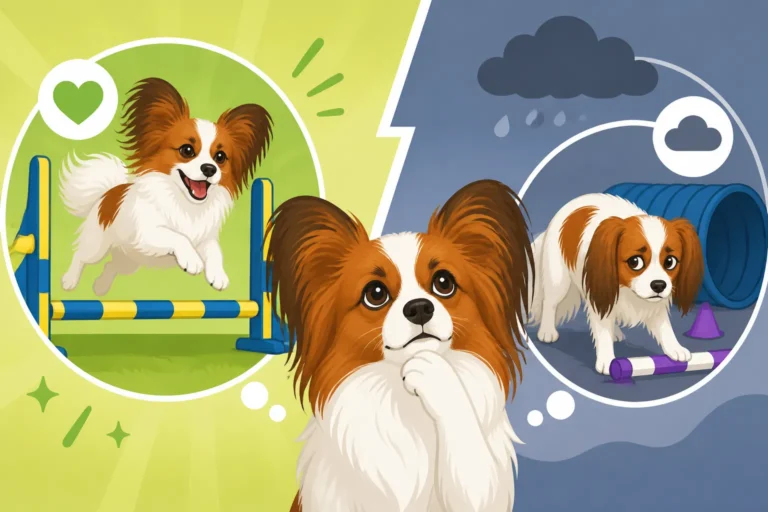
Beyond bladder size, there's the whole issue of navigating the big wide world when you're only a few pounds. Imagine being an eight-week-old Papillon puppy, stepping out into a vast backyard, perhaps in the rain or cold, with huge, strange sounds and smells all around. It's intimidating! Traditional outdoor-only training, while ideal for many dogs, can present significant challenges for these petite pups and their owners, leading to a lot of frustration for both parties.
Why Papillons Can Be Difficult to House Train
Papillons are incredibly intelligent dogs, often ranking high on canine intelligence scales. They pick up on cues quickly and love to please, but their small size introduces specific difficulties when it comes to house training. First and foremost, that tiny bladder we mentioned means they need to go often, sometimes every hour or two as puppies. If you miss that critical window, an accident is almost guaranteed. And let's be realistic, who can be outside every hour on the hour, especially if you have a job or other responsibilities?
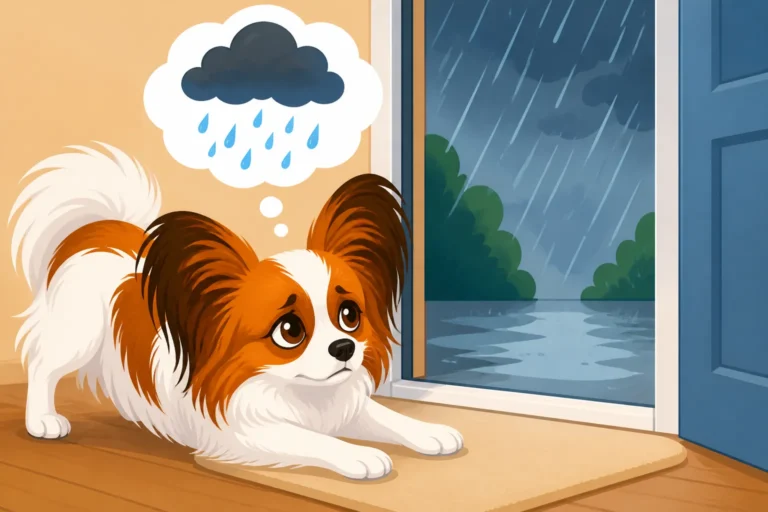
Then there's the weather. Papillons, with their delicate builds and single coats, are not built for harsh conditions. A cold snap, rain, or snow can make them incredibly reluctant to venture outside to do their business. They might hold it in for as long as possible, only to relieve themselves the moment they step back onto a warm, dry carpet. This isn't defiance; it's a genuine discomfort and aversion. Their inherent desire for cleanliness also plays a role. If their designated outdoor spot isn't clean, or if it's muddy, some Papillons will refuse to go, preferring a clean indoor spot. This intelligence, while a blessing in many training areas, can also mean they're quick to learn that peeing inside is an easier alternative if the outdoor option is unpleasant. You might find yourself asking How Long House Training a Papillon Takes more often than you'd like.
The Limitations of Outdoor-Only Training for Small Breeds
Relying solely on outdoor potty breaks for a small breed like a Papillon can be quite limiting. For starters, safety is a major concern. A tiny Papillon can easily become prey for larger predatory birds or even larger, unsupervised dogs, especially in unfenced areas. Even a friendly romp with a boisterous large dog could lead to accidental injury. Where a Papillon Gets Hurt Playing With Large Dogs is a very real concern for responsible owners.
Apartment living or homes without direct yard access add another layer of complexity. Imagine living on the third floor of an apartment building and having to leash up, navigate stairs or elevators, and walk outside every hour or two, especially in the middle of the night. It's exhausting and impractical for many. Even for those with yards, owners with mobility issues, chronic illnesses, or elderly individuals might struggle with the constant trips outside, particularly during inclement weather or icy conditions. This isn't just about convenience; it's about providing a reliable, accessible potty solution that works for both the dog and the human, ensuring consistent success rather than constant battles.
Is Litter Box Training a Viable Option for Your Papillon?
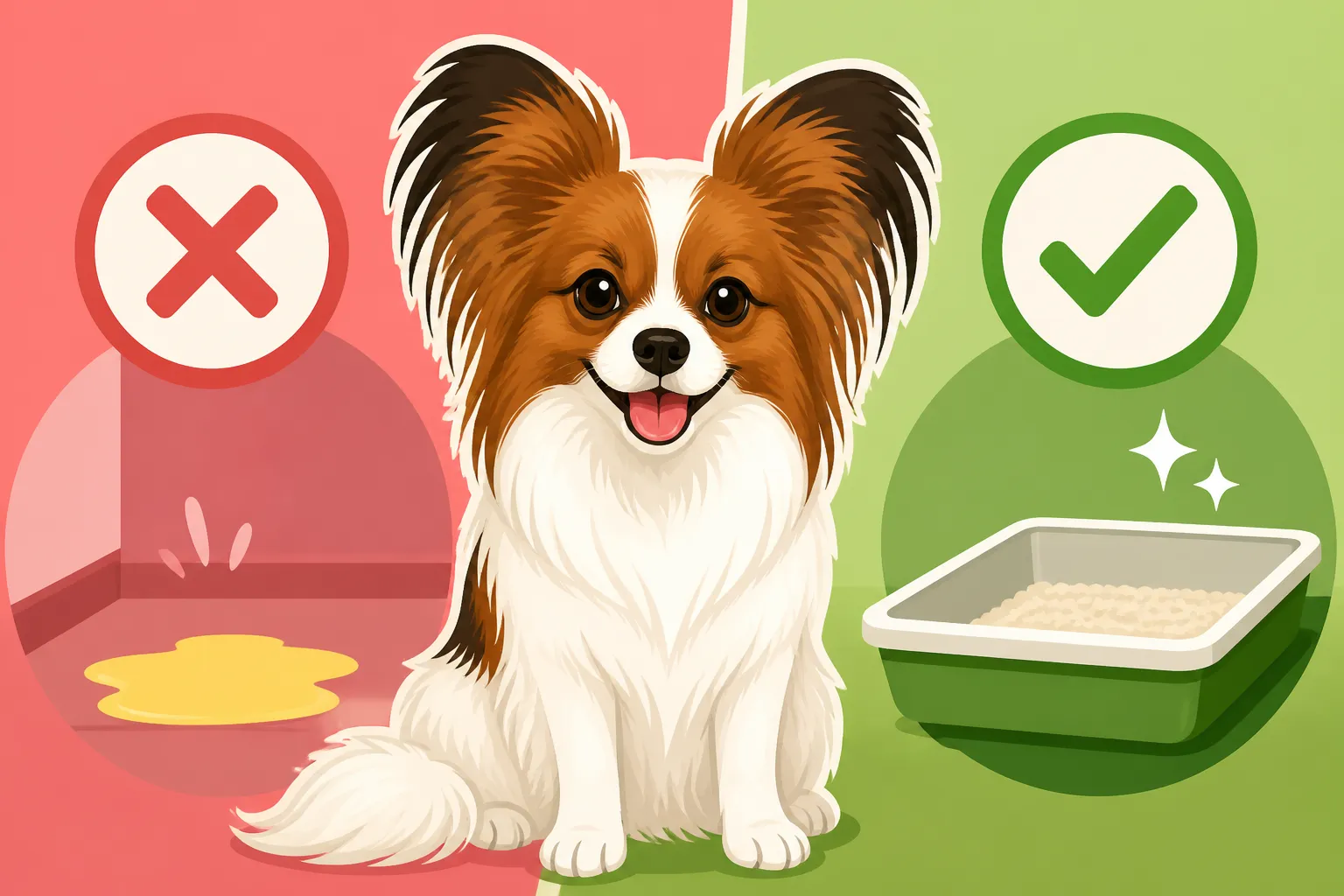
The short answer is a resounding "yes!" Litter box training can absolutely be a viable and highly effective option for your Papillon. Given their compact size, intelligent nature, and sometimes finicky dispositions regarding weather, it's a solution that can make life much easier for both of you. It's not a substitute for outdoor exercise and exploration, but it offers a fantastic alternative for their elimination needs, especially when outdoor access is difficult or impractical.
Many small breed owners have successfully implemented this, finding it a game-changer for maintaining a clean home and a happy pup. It provides a consistent, safe, and controlled environment for your Papillon to relieve themselves, taking the stress out of emergency dashes outside or worrying about accidents when you're not home.
Papillon Intelligence and Trainability for Indoor Solutions
Papillons consistently rank as one of the most intelligent dog breeds, often appearing in the top ten for working and obedience intelligence. This high intelligence is a huge advantage when it comes to teaching them new behaviors, including using a litter box. They are eager to learn and respond incredibly well to positive reinforcement, making them excellent candidates for more nuanced training tasks. You'll find that The Papillon Is the Smartest Toy Breed There Is isn't just a proud claim, it's a truth that makes training a joy.
Their intelligence means they can quickly associate the litter box with the appropriate place to go. They understand cause and effect, and if using the litter box consistently results in praise and treats, they'll be highly motivated to continue. This isn't about teaching them a simple sit or stay; it's about establishing a routine and a designated area, which their sharp minds can grasp with remarkable speed. While How Short a Papillon's Training Session Should Be is always important for maintaining focus, their ability to learn means you can make steady progress.
Benefits of Litter Box Training for Papillon Owners
The advantages of litter box training for Papillon owners are numerous and significant. First and foremost, it offers unparalleled convenience. No more rushing outside every hour on the hour, no more scrambling to get dressed in the middle of a rainstorm or freezing temperatures. Your Papillon has a designated, accessible spot indoors for when nature calls. This is a huge relief, particularly for those living in apartments where outdoor access requires a significant effort. Whether a Papillon Suits an Apartment often depends on having smart solutions like this.
Secondly, it dramatically increases safety. You won't have to worry about your tiny dog encountering larger, potentially aggressive dogs or falling victim to predators during outdoor potty breaks. For owners with busy schedules, it means less stress about accidents while you're at work, knowing your Papillon has a safe and acceptable place to go. It’s also a godsend for older owners or those with limited mobility who might struggle with frequent outdoor excursions. Furthermore, it helps maintain a cleaner home, as accidents on your precious rug become a thing of the past.
Setting Up for Success: Essential Gear and Environment
Before you even begin the training process, setting up the right environment and having the correct gear is absolutely crucial for success. Think of it like preparing a classroom for a student; having all the right tools in place makes learning much smoother. This involves careful consideration of the type of litter box, the bedding or litter you'll use, and where you'll place it in your home. The goal is to make the "potty zone" as inviting and accessible as possible for your Papillon.
Choosing the Right Litter Box and Litter
When selecting a litter box for your Papillon, size and accessibility are paramount. Avoid tall-sided boxes that might be difficult for tiny legs to climb into, especially for a puppy or an older dog. Look for options with a low entry point, or even a ramp. Some people use repurposed shallow storage bins or cookie sheets with a low rim. The actual dimensions don't need to be huge; a box roughly 18×24 inches is usually ample for a Papillon to turn around comfortably. You can find many suitable options, often with good reviews from other small dog owners, on Amazon.
For the litter itself, you have a few choices:
- Paper Pellets: These are absorbent, often made from recycled paper, and generally safe if ingested in small amounts. They're good for odor control and easy to scoop.
- Washable Pee Pads/Artificial Grass Patches: These offer a more "natural" feel if you're trying to mimic outdoor grass. They can be placed directly in a low-sided tray. The washable pads are environmentally friendly and save money in the long run.
- Sand or Wood Shavings (less common): Some owners try these, but they can be messy, track easily, and some dogs might try to eat them. Always ensure any material is non-toxic.
Whatever you choose, make sure it's appealing to your Papillon. Some dogs prefer softer surfaces, others might like the texture of fake grass. Start with one, and if your dog isn't taking to it, consider trying another.
Creating a Dedicated "Potty Zone"
The location of your Papillon's litter box is just as important as the box itself. It needs to be consistent, easily accessible, and somewhat private. Think about where your Papillon naturally tends to relieve themselves if given the chance indoors – often in a quiet corner. This is a good starting point.
Here are some tips for creating an effective potty zone:
- Quiet & Accessible: Choose a spot that's out of the main traffic flow of your home but still easy for your Papillon to reach quickly. A laundry room, a quiet corner of a bathroom, or a less-used hallway can work.
- Away from Food & Bed: Dogs are generally clean creatures and won't want to relieve themselves where they eat or sleep. Keep the litter box distinctly separate from their feeding area and Where a Papillon Chooses to Sleep.
- Consistency is Key: Once you pick a spot, stick with it. Moving the litter box frequently can confuse your Papillon and set back training.
- Odor Management: Even with absorbent litter, odors can accumulate. Clean the litter box regularly – daily scooping for solid waste and changing out pads/pellets frequently is essential. An odor-free box is more inviting for your dog and for you! Keep some pet-safe odor neutralizers on hand for any occasional misses.
Step-by-Step Guide to Litter Box Training Your Papillon
Now that you have your supplies and your dedicated potty zone, it's time to get down to business! Litter box training a Papillon isn't necessarily harder than traditional house training, but it does require patience, consistency, and a good understanding of canine learning principles. Remember, Papillons are smart cookies, so they'll catch on, but it might take a little time.
Introducing Your Papillon to the Litter Box
The first step is to gently introduce your Papillon to their new potty area. Don't just place it there and expect them to know what to do. You need to guide them.
- Scent Transfer: If your Papillon has had an accident outside the box, use a paper towel to pick up a small amount of urine or feces and place it in the litter box. This helps them understand that this specific scent means "potty here." You can also buy commercial "potty attractant" sprays, available on Amazon, that mimic dog urine scent.
- Timing is Everything: Just like traditional house training, timing is crucial. Take your Papillon to the litter box:
- First thing in the morning, right after waking up.
- After every meal or drink.
- After a play session.
- Before bedtime.
- Anytime they start sniffing, circling, or acting restless.
- Leash Them: For the initial training phase, consider putting your Papillon on a leash and gently leading them to the litter box. This prevents them from wandering off and getting distracted. Keep them in the area until they relieve themselves.
- Positive Association: When they do use the litter box, throw a party! Use enthusiastic verbal praise ("Good potty!"), give high-value treats (tiny pieces of cooked chicken or cheese work wonders), and lots of gentle petting. You want them to associate the litter box with the absolute best things in their world. Which Rewards a Papillon Works For is essential here.
- Be Patient: Don't scold accidents. If you catch them in the act, a quick "Ah-ah!" and immediately picking them up and taking them to the litter box is appropriate. If you find an old accident, just clean it thoroughly with an enzymatic cleaner to eliminate odor and prevent them from returning to the same spot.
Consistency, Rewards, and Troubleshooting Common Issues
Consistency is the golden rule of any training, and litter box training is no exception. Maintain a regular schedule for taking your Papillon to the box, especially during the early stages.
Consistency in Action:
- Routine: Stick to a consistent schedule. Papillons thrive on routine.
- Rewards: Always reward immediately after they finish in the box. The timing of the reward is critical for them to make the connection.
- Supervision: Closely supervise your Papillon, especially when they're not confined. Consider using a crate or a playpen when you can't actively watch them. Crating a Papillon Overnight can be a useful tool in conjunction with litter box training, especially for young puppies, as dogs are generally reluctant to soil their sleeping area.
Troubleshooting Common Issues:
- Missing the Box:
- Too small? Maybe the box isn't comfortable enough.
- Dirty? Dogs often won't use a soiled area.
- Location? Is it too busy or too hidden?
- Underlying medical issue? Always rule out a UTI or other health problem with your vet, especially if accidents start suddenly. How a Papillon Hides Pain means they might not show obvious signs of discomfort.
- Eating the Litter: This is a problem, especially with certain types of litter. If your Papillon tries to eat paper pellets or fake grass, switch to a different type, like a washable mat that offers no chewable material, or consult your vet.
- Refusing the Box: Go back to basics. Re-introduce them on a leash, use higher-value treats, and ensure the box is immaculately clean. Sometimes, a different type of litter material makes all the difference.
For more structured guidance, resources from reputable online dog training platforms can be incredibly helpful. For instance, BAXTER & Bella offers online puppy training programs that could be adapted to include litter box training, providing expert advice and a community to lean on.
| Aspect of Training | Best Practices for Papillons | Common Issues & Solutions |
|---|---|---|
| Litter Box Type | Low-entry, comfortable size (e.g., 18×24 inches), easy to clean. | Too high entry: Switch to shallower tray. Unappealing texture: Try different litter material. |
| Litter Material | Paper pellets, washable pee pads/artificial grass. | Eating litter: Change material, ensure non-toxic. Messy tracking: Use low-dust pellets. |
| Placement | Quiet, accessible, away from food/bed, consistent spot. | Too busy/isolated: Adjust location. Too close to food: Relocate. |
| Introduction | Scent transfer, leash guidance, positive reinforcement. | Refusal to enter: Lure with treat, make box more inviting. |
| Timing | After waking, eating, playing; before bed; when circling/sniffing. | Missed window: More frequent trips, closer supervision. |
| Rewards | High-value treats, enthusiastic praise, gentle petting. | No connection to reward: Reward immediately and make it exciting. |
| Accidents | Interrupt, move to box, clean thoroughly with enzymatic cleaner. | Punishing accidents: Avoid, it teaches fear, not proper elimination. |
| Consistency | Strict schedule, continuous supervision, routine. | Inconsistent usage: Re-establish routine, increase supervision. |
Long-Term Management and Potential Pitfalls
Successfully litter box training your Papillon is a fantastic achievement, but it's not a "set it and forget it" situation. Like any trained behavior, it requires ongoing management and attention to ensure your Papillon continues to use their designated spot reliably. Life happens, and sometimes even the best-trained dogs can experience setbacks. Understanding how to maintain the routine and address any regressions will ensure long-term success.
Maintaining a Clean and Appealing Litter Box
The single most critical factor in long-term litter box success is cleanliness. Papillons, like most dogs, prefer a clean spot to do their business. If the litter box is dirty, smelly, or too full, they will seek out a cleaner alternative – and that alternative is often your carpet or floor. This isn't out of spite; it's a natural canine inclination to avoid soiling their den.
Here's how to keep it pristine:
- Daily Scooping: For solid waste, scoop it out at least once a day, or even twice a day if your Papillon uses it frequently.
- Regular Material Changes:
- Paper Pellets: Depending on usage, the entire bed of pellets might need to be changed every few days to once a week.
- Washable Pads/Artificial Grass: These should be washed daily or every other day. Having a few on rotation is a great idea.
- Deep Cleaning: Periodically, give the actual litter box or tray a thorough scrub with warm, soapy water and a pet-safe disinfectant. Avoid harsh chemical cleaners that might leave a residue or scent that deters your Papillon.
- Odor Control: While keeping it clean is primary, you can use pet-safe odor neutralizers around the area to maintain freshness without masking deeper issues.
If you slack on cleaning, don't be surprised if your Papillon starts looking for other "clean" spots in your home. A dirty box is often the number one reason for regression.
Addressing Regression and Ensuring Continued Success
Even with the best training, regression can happen. Your Papillon might suddenly start having accidents outside the litter box again. Don't panic; it's usually a fixable problem. The key is to figure out why it's happening.
Common causes of regression:
- Medical Issues: The first thing to rule out is a health problem. A urinary tract infection (UTI), kidney issues, or even pain (like a slipping kneecap, which is common in Papillons – see What Patellar Luxation Does to a Papillon) can cause a dog to lose control or associate the litter box with discomfort. A vet visit is always recommended if accidents start suddenly and inexplicably.
- Stress or Anxiety: Changes in routine, a new pet, a new person in the house, or even loud noises can cause stress that leads to accidents. Papillons are sensitive, and changes can affect them deeply.
- Dirty Litter Box: As discussed, a dirty box is a prime culprit.
- Inconsistent Training: Have you or other family members gotten lazy about praising or taking them to the box regularly? Reinforce the original training.
- Age: Older Papillons might develop incontinence or cognitive dysfunction, requiring different management strategies, such as more frequent trips or easier access to the box. What Changes in an Aging Papillon's Care is a useful read here.
To address regression, go back to basics. Re-implement strict supervision, frequent trips to the box, and lavish praise for correct usage. You might even need to briefly confine them more to reinforce the "potty zone" concept. Be patient and persistent.
Integrating Litter Box Training with Outdoor Potty Breaks
Litter box training doesn't mean your Papillon can never go outside for a potty break again. In fact, many owners find a hybrid approach works best. The litter box provides a convenient, always-available option, while outdoor breaks offer mental stimulation, exercise, and the joy of sniffing around.
- Offer Both: Continue to take your Papillon outside for walks and playtime. If they relieve themselves outdoors, praise and reward them just as you would for using the litter box. This teaches them that both are acceptable places.
- Preference: Your Papillon might develop a preference. Some will prefer the outdoors when available, using the litter box only as a backup. Others might become primary litter box users but still enjoy outdoor walks.
- Socialization: Remember, outdoor walks are vital for your Papillon's mental and physical well-being and for their socialization. The litter box handles the "necessity" aspect, freeing up outdoor time for enjoyable experiences rather than rushed potty breaks. You can even train them to use a harness instead of a collar for walks, which is much safer for their delicate necks; Whether a Papillon Should Wear a Harness Instead of a Collar is a good topic to consider.
By offering both options, you provide maximum flexibility and convenience for both you and your beloved Papillon, ensuring they're always comfortable and confident about where to relieve themselves.
Disclaimer
This article is for general informational purposes only and does not constitute professional advice. Laws, prices and regulations vary by location and change over time. Consult a qualified professional for guidance on your specific situation.